acı
/aˈd͡ʒɯ/
adj
A1 seviye
TR → EN
"acı" kelimesinin İngilizcesi: ache, bitter, acrid, grievous, sad. Anlamı, çevirisi, telaffuzu ve örnek cümleler aşağıdadır.
Çeviri
Genelachenoun
Genelbitteradj
Genelacridadj
Genelgrievousadj
Genelsadadj
Genellamentableadj
Genelsorrowfuladj
Genelpainnoun
Genelsufferingnoun
Geneltragicadj
Matematikanglenoun
Genelnipping
Genelpain
Genelsardonic
Genelsharp
Genelshrill
Genelsmart
Genelsorry
Genelsour
Genelsting
Genelsuffering
Geneltrenchant
Genelvitriol
Genelwoe
Genelwry
Genelache
Genelacrid
Genelacrimonious
Genelanguish
Genelbrackish
Genelacerb
Genelcutting
Genelgrief
Genelhard
Genelharsh
Genelhot
Genelhurt
Genelill
Genelinflict
Genelkeen
Genelmisery
Genelcoin
Genelbevel
Genelangle
Genelbitter
Genelacrid
Genelangle
Genelanguish
Genelpain
Genelsardonic
Genelacrid
Genelangle
Genelanguish
Genelbitter
Genelpain
Genelsardonic
Genelacrid
Genelangle
Genelanguish
Genelbitter
Genelpain
Genelsardonic
Genelpain
Genelangle
Genelanguish
Genelbitter
Genelsardonic
Genelsardonic
Genelacrid
Genelacrid
Genelangle
Genelanguish
Genelbitter
Genelpain
Görsel


Çekim Tablosu
Belirtme (-i)acıyı
Yönelme (-e)acıya
Bulunma (-de)acıda
Çıkma (-den)acıdan
Tamlayan (-in)acının
Çoğul (-ler)acılar
Tanım
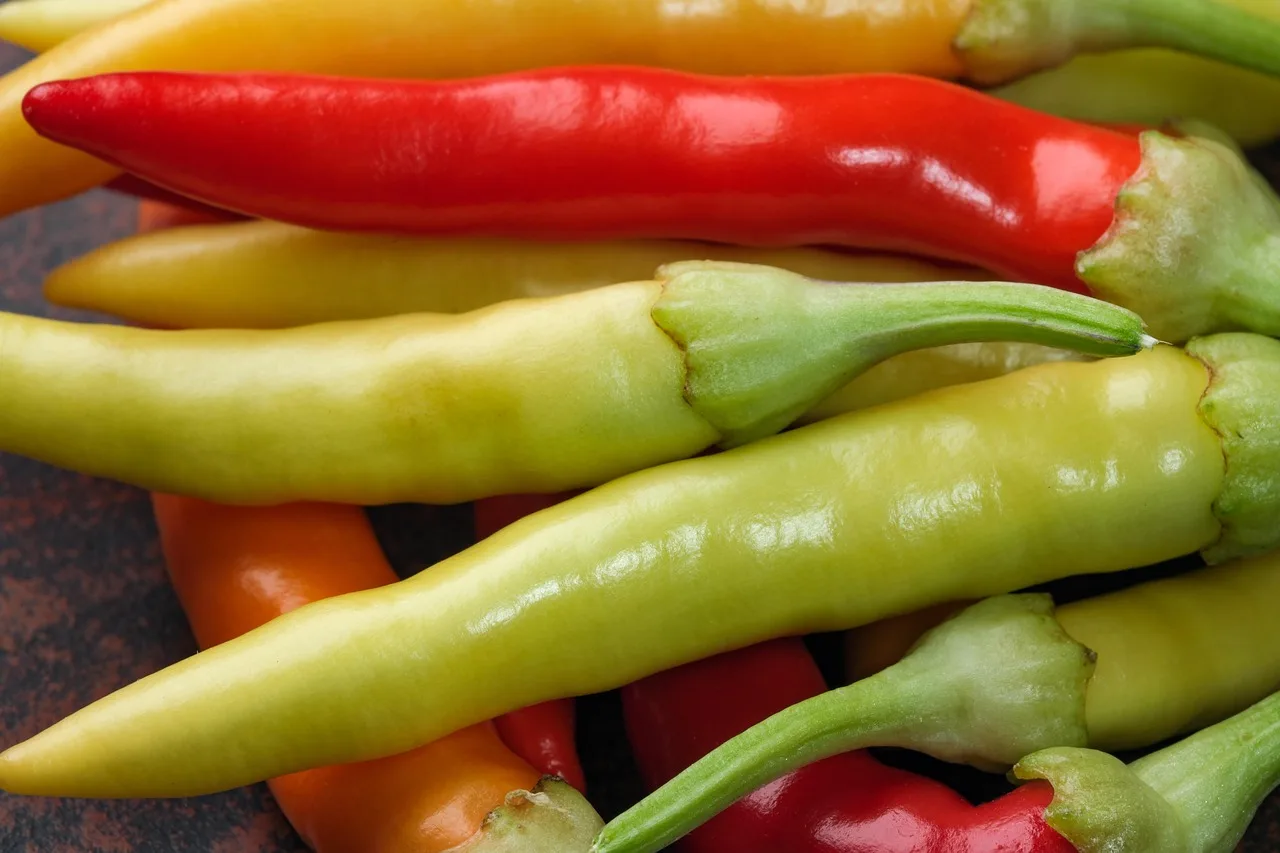
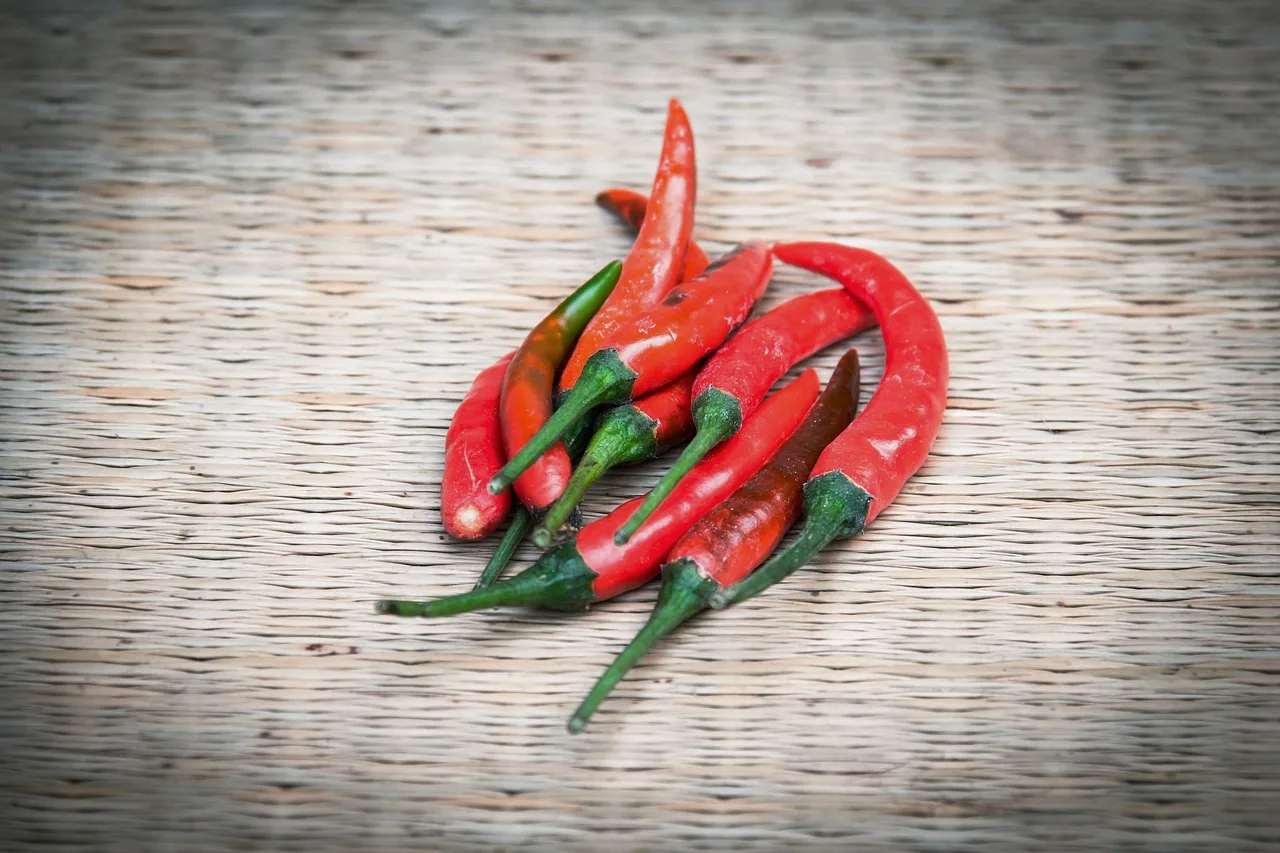
•isim: Bazı maddelerin dilde bıraktığı yakıcı duyu, tatlı karşıtı
•sıfat: Tadı bu nitelikte olan; biberli
•Bir dış etkenin vücudun herhangi bir yerinde meydana getirdiği ezilme, yırtılma, sıkıştırılma vb. sebeplerle meydana gelen rahatsızlık hissi
•Ölüm, yangın, deprem vb. olayların yarattığı üzüntü; yara
•sıfat: Çarpıcı, göz alıcı (renk)
•sıfat: Keskin, şiddetli olan
Atasözü & Deyim
“Tatlı tatlı yemenin acı acı geğirmesi olur”
“Dost acı söyler”
“Acı patlıcanı kırağı çalmaz”
“Acı acıyı keser, su sancıyı”
“Aç yeri başka, acı yeri başka”
Diğer Dillerde
bitter (having a bitter taste) · bitter, disappointing, awful · bitter, embittered (resentful and negative as a result of bad experiences)
çekim: karşılaştırma bitterer · üstünlük am bittersten
eş: groß, heftig, schwer, stark
köken: From Middle High German bitter, pitter, from Old High German bittar, from Proto-West Germanic *bitr.
aile: bitterarm, bitterböse, bitterkalt, Bitterkeit, Bitterkraut, bitterlich, Bitterling, Bittermelone, Bitternis, Bittersalz
& Dringend — & Acil
Ich mag kein Bier, das ist mir zu bitter.
So kurz vor dem Ziel wegen einer Verletzung ausscheiden zu müssen, ist natürlich sehr bitter für ihn.
Fransızcaâcre, affliction, Affliction, chagrin, crève-cœur, désolation, amer, Amer, âcre, Coin /akʁ/
acrid, bitter · sour, bitter
köken: Borrowed from Latin ācrem. Doublet of aigre, which wasn't borrowed from Latin.
aile: âcreté, âcrement
Angle %1 — Açı% 1
sad, griefed, pained · embarrassed, ashamed
eş: avergonzado, vergonzante
köken: Past participle of apenar.
Ángulo: — & Açı:
İtalyancaarduo, come?, cosa?, dispiaciuto, dura, eh? /ˈar.du.o/
arduous · difficult (of a problem) · steep (of a slope)
eş: disagevole, faticoso, impervio, malagevole, ripido, scosceso
köken: Borrowed from Latin arduus.
aile: arduamente
Angolo %1 — Açı% 1
Rusçaболь /bolʲ/
pain, ache · pang, stab, stitch
çekim: çoğul бо́ли · tamlayan бо́ли
eş: му́ка, мучение, горе, печаль, скорбь
köken: Inherited from Old East Slavic боль (bolĭ), from Proto-Slavic *bolь.
Угол: — & Açı:
These parts of the work should be called: a^([sic]) best means for getting a headache!
Arapçaآسِف, آسِفَة, أَنَا آسِف, أَنَا آسِفَة, اِعْذِرْنِي, حَزِين
& عرض — & Acil
permanent; lasting; stable; durable
köken: From پای (pây, “foot”) + ـدار (-dâr, present stem of داشتن (dâštan, “to have”)).
aile: پایداری
Azericebağışlayın, sərt /sært/
hard, stiff, tough, rigid · severe, strict, harsh, violent · coarse, rough, rude, crude
çekim: karşılaştırma daha sərt · üstünlük ən sərt
köken: From Persian سرد (sard).
Kazakçaберік, кешіріңіз, қатты /beˈrɘk/
strong, durable, firm · hardy, sturdy, endurant
köken: Inherited from Proto-Turkic *berk (“mighty”). Cognate with Turkish berk.
Özbekçekechirasiz, qattiq
Tatarcaгафу итегез, каты
Felemenkçebitter, pittig, heet, hoek, oogpunt, gezichtspunt, perspectief, aspect, pijn, smart (eril) /ɦuk/
corner · angle · hook
çekim: çoğul hoeken
köken: From Middle Dutch hoec, huoc, from Old Dutch *huoc, from Proto-West Germanic *hōk, from Proto-Germanic *hōkaz (“hook”), from Proto-Indo-European *kog-, *keg-, *keng- (“peg, hook, claw”).
aile: achterhoek, achthoek, driehoek, glooiingshoek, hellingshoek, hoekbal, hoekhuis, hoekig, hoekpunt, hoeksnelheid
& Urgent — & Acil
Portekizcea lamentar, árduo, bem, como?, desculpa, foi mal /ˈaʁ.du.u/
arduous
köken: From Latin arduus.
Ângulo: — & Açı:
Yunancaδύσκολος, συγγνώμη, συγνώμη /ˈðiskolos/
difficult, hard, tough, arduous (not easy, requiring much effort) · refractory (difficult to treat) · difficult, uncooperative, troublesome (hard to manage)
çekim: karşılaştırma δυσκολότερος · üstünlük δυσκολότερος
eş: ζόρικος, απαιτητικός, δυσνόητο
zıt: εύκολος, εύληπτος, ευνοϊκός
köken: From Ancient Greek δύσκολος (dúskolos, “hard to satisfy with food”), from Ancient Greek δυσ- (dus-, “bad, hard, unfortunate”) + Ancient Greek -κολος (-kolos, “keeper, tender, watcher”).
& Επείγον — & Acil
Τα Κινέζικα είναι δύσκολη γλώσσα να μάθεις.
Η Ελλάδα περνάει δύσκολους καιρούς με την οικονομία της.
Ο πατέρας μου πάσχει από δύσκολη ασθένεια.
pitiable; pitiful; poor; pathetic
eş: 哀れ
köken: かわいい (“(obsolete) pitiable”) + そう (“appears to be; looks like”) The kanji spellings are ateji (当(あ)て字(じ)) and often used in poetry.
角度(G): — & Açı:
Korece(맛이) 쓴
긴급( U) — & Acil
difficult, troublesome (of a problem or person or the like)
çekim: karşılaştırma besvärligare · üstünlük besvärligast
köken: From German beschwerlich, equivalent to besvär + -lig. Cognate with Danish besværlig, Norwegian Bokmål besværlig and Dutch bezwaarlijk.
Vinkel: — & Açı:
ett besvärligt problem
en besvärlig situation
Han är besvärlig
Lehçeciężki, ciężko, daruj, mocny, niepodważalny, przebacz /ˈt͡ɕɛw̃ʂ.ki/
heavy (having much physical weight) · heavy, hard (labored, slow, sluggish) · heavy, hard (i.e. of a step, done stronger than usual; of great force, power, or intensity; deep or intense)
çekim: karşılaştırma cięższy · üstünlük najcięższy
eş: trudny, niełatwy, wyczerpujący
zıt: lekki
köken: Etymology tree Proto-Indo-European *ten- Proto-Indo-European *tengʰ-der. Proto-Balto-Slavic *tingús Proto-Slavic *tęžьkъ Old Polish ciężki Polish ciężki Inherited from Old Polish ciężki.
aile: ciężkawy, nieciężki, z ciężkim sercem, cięzki cas, ciężka atletyka, ciężka gleba, ciężka ręka, ciężka woda, ciężki karabin maszynowy, ciężki kawałek chleba
& Kąt: — & Açı:
gravis Schwer Cyęſky
Ukraynacaважки́й, ви́бач, ви́бачте, дару́й, дару́йте, жорстки́й
& Термінове — & Acil
difficult, challenging, arduous
zıt: सरल
köken: Learned borrowing from Sanskrit कठिन (kaṭhina).
aile: कठिनाई
प्रत्येक व्यक्ति को प्रसन्न करना बहुत कठिन है।
harsh, hard, strict, stern [with allative ‘to’ or (partitive +) kohtaan] (of a person or character, etc.) · harsh, sharp, fierce (e.g. of the weather, such as winter weather) · barren, austere, desolate (of a place, e.g. of a landscape)
çekim: karşılaştırma ankarampi · üstünlük ankarin
eş: kova, kova
zıt: lempeä
köken: Borrowed from Proto-Norse [Term?], from Proto-Germanic *angazaz (compare English anger, Swedish ånger). Cognate with Karelian ankara.
aile: ankarahko, ankaranlainen, ankarasti, ankaruus, ankea, ankarasanainen
& Kiireinen — & Acil
Çekçekrušný, obtížný, pardon, promiň, promiňte, prosím? /ˈkruʃniː/
hard, (of work) strenuous, (of time) grim
çekim: karşılaştırma krušnější · üstünlük nejkrušnější
eş: perný
köken: The adjective, suffixed with + -ný is derived from Old Czech krušiti (“harrow, earlier grind, crush”), which is from Proto-Slavic *krušiti. This was probably derived from Proto-Slavic *kruxъ ("piece, fragment"), but the reverse way is also possible.
Úhel% 1 — Açı% 1
Rumencegreu, îmi pare rău, scuză, scuză-mă, scuzați, scuzați-mă /ɡrew/
heavy · hard, difficult · pregnant
çekim: tamlayan greului
zıt: ușor
köken: Inherited from Early Medieval Latin grevem, alteration of Latin gravem. Compare Aromanian greu. Doublet of grav, a borrowing.
aile: greoi, greuință, greutate, îngreuia
Unghi: — & Açı:
a rămâne grea
Macarcabocs, bocsánat, elnézést, elnézést kérek, elnézést, nem értem, kemény /ˈbot͡ʃ/
bear cub
çekim: çoğul bocsok
köken: Of unknown origin.
& Sürgős — & Acil
Bocs, hogy megkérdeztem.
İbraniceמִצְטַעֵר, קָשִׁיחַ
& זווית: — & Açı:
Latincedifficilis, doleō, dūrus, excūsā, excūsāte, lamento /dɪfˈfɪ.kɪ.lɪs/
difficult, hard, troublesome · obstinate, intractable, hard to please or manage
çekim: karşılaştırma difficilior · üstünlük difficillimus
zıt: facilis, prōmptus, obsequēns, obsequiōsus, oboediēns
köken: Etymology tree Proto-Indo-European *dwóh₁ Proto-Indo-European *d(w)is- Proto-Italic *dis- Latin dis- Proto-Indo-European *dʰeh₁k- Proto-Indo-European *-yéti Proto-Indo-European *dʰh₁kyéti Proto-Italic *θakjō Proto-Italic *fakjō Latin faciō Proto-Indo-European *-elis Proto-Italic *-elis Latin -ilis Latin facilis Latin difficilis From dis- + facilis (“easy”).
aile: difficilē, difficiliter, difficilius, difficillimus, difficultās, difficulter, praedifficilis
… PAMPHILUS: Quidvīs patiar. DĀVUS: Pater est, Pamphile: / difficile est. ….
[…] : ūnum per Sēquanōs, angustum et difficile inter mōntem Iūram et flūmen Rhodanum, vix quā singulī carrī dūcerentur; […] .
sorry
Vinkel: — & Açı:
Beklager, jeg har ikke tid lige nu.
Norveççeunnskyld
Lysere — Daha Açık
Etimoloji
Eski Türkçe *āçığ (*āçığ, “(1. acı tad, 2. ağrı, sancı)”), *āçı- (*āçı-, “acımak”).
Deyimler
acı acıyı keser, su sancıyı
acısı ortaya çıkmak
Kelime Ailesi
Eş & Zıt Anlamlılar
Örnek Cümleler
& Açı:
Angle:
& Acil
& Urgent
Açı% 1
Angle %1
O açık.
That's clear.
O acil.
It's urgent.
Ne acı.
What a pity.
Bu acı!
That pain!
- Açın!
- Open it up!
Açı mı?
The angle?
Su açık
Water on.
X açısı
X angle
Y açısı
Y angle
İlgili Sorular
İlgili / Bileşik Terimler
Genelquassia
Genelbitterling
Genelcolocynth
Genellupinus
Genelcolchicum
Genelbitter almond