Sözlük
boş
/ˈboʃ/
adj
A1 seviye
TR → KORECE
"boş" kelimesinin İngilizcesi: 낭비, 낭비하다, 랑비, 배설물, 비다. Anlamı, çevirisi, telaffuzu ve örnek cümleler aşağıdadır.
Çeviri
Genel낭비
Genel낭비하다
Genel랑비
Genel배설물
Genel비다
Genel비우다
Görsel
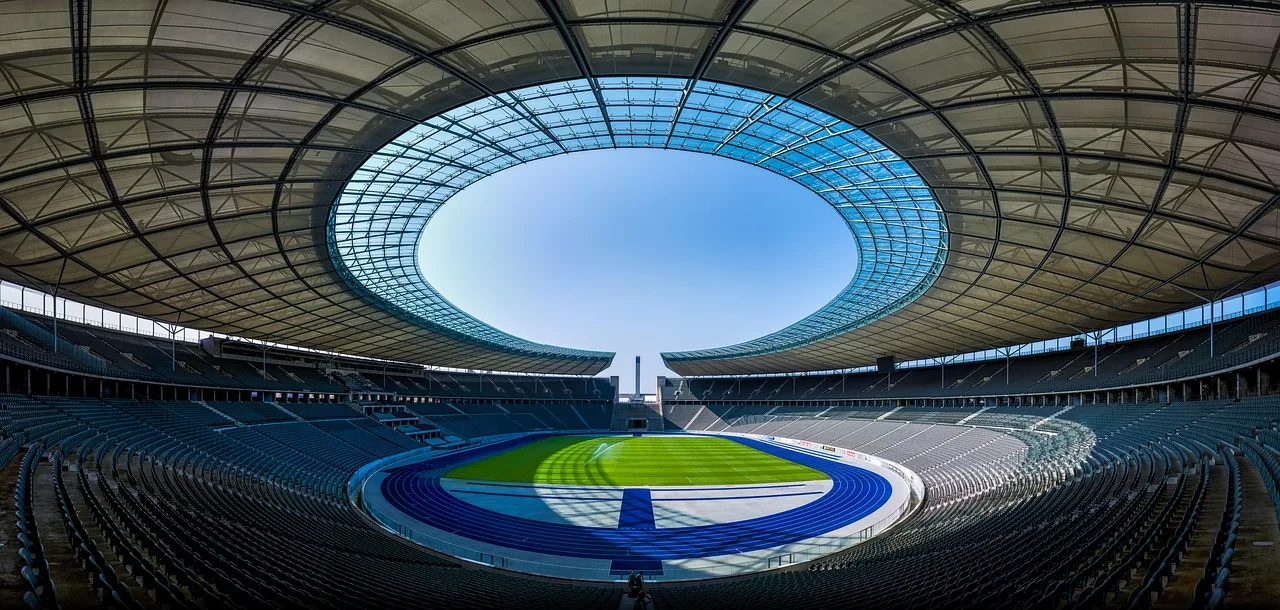
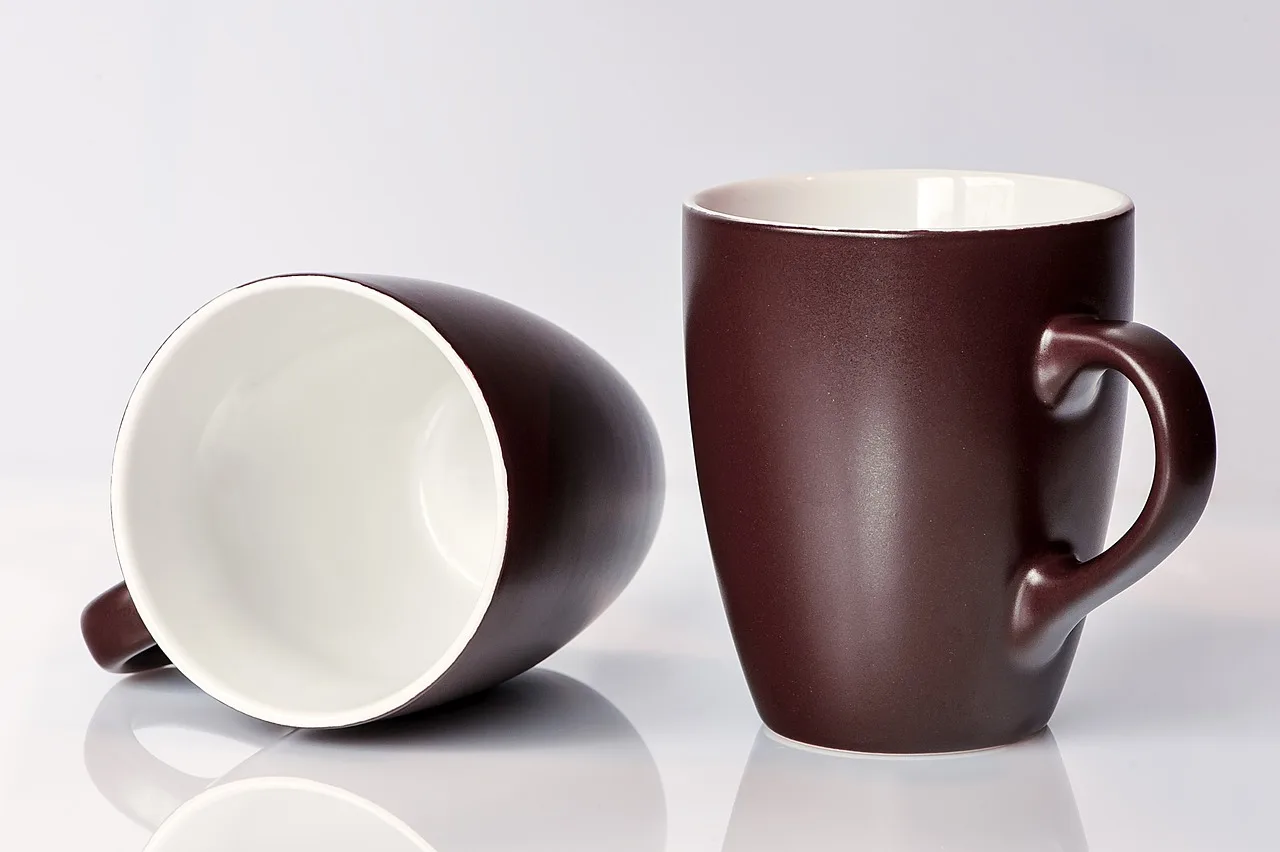
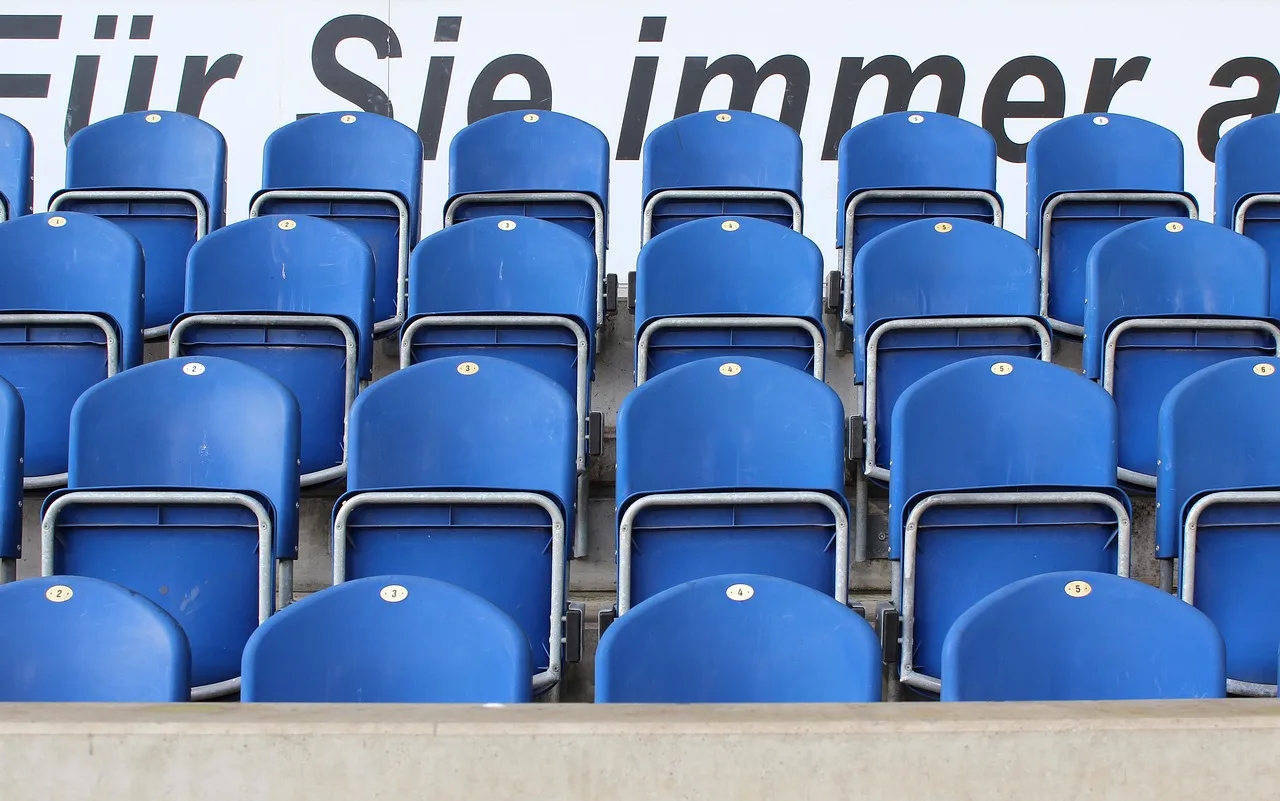
Çekim Tablosu
Belirtme (-i)boşu
Çoğul (-ler)boşlar
Tanım
•waste, extravagance
Atasözü & Deyim
“Boş başak dik durur”
“Baş olan boş olmaz: 1”
“Boş gezmekten bedava çalışmak yeğdir”
“Boş torba ile at tutulmaz”
“Boş çuval ayakta (dik) durmaz: 1”
Diğer Dillerde
inflection of all (“all”) · inflection of all (“all”): · nominative/accusative plural
eş: ausgegangen, aufgebraucht, verbraucht, aus, gar
köken: Derived from Old Prussian Alna, from alna (“to flow”).
Leere URI. — Boş URI
Links den roten Blitz / Rechts den schwarzen Stern / Alle gegen alle
Fransızca( femme ) divorcée, ( personne ) superficiel, ( temps ) inoccupé, libre,chomé, ( terrain ) non cultivé, vide, Vide /vid/
empty · devoid · blank (page, tape)
çekim: çoğul vides
eş: abandonné, aride, creux, dégarni, dénudé, dénué
köken: From Old French vuit, from Vulgar Latin *vocitum. The modern French form is due to generalisation of the feminine (Old French vuide) and assimilation vui- → vi-.
C'est vide. — Boş. .
L'appel du vide.
Forma del plural de acribadura.
URl vacía. — Boş URI
İtalyancaammazzare, arido, debilitare, decadenza, deperire, deserto /am.matˈt͡sa.re/
to kill, murder
çekim: geçmiş ammazzàto · ortaç ammazzàto · şimdiki ammàzza · ulaç ammazzànte
eş: accoppare, assassinare, eliminare, fare fuori, freddare, massacrare
köken: Probably from a- + mazza (“club, baton”) + -are, or alternatively possibly related to Latin mactāre, through a Vulgar Latin root *mactiāre, although this is less likely. Compare Sicilian ammazzari, Spanish mazar, Portuguese maçar, Occitan massar, Romansh mazzar, Venetan masar, Friulian maçâ, Istriot masà. See also archaic Italian mattare.
%1 è vuota. — % 1 boş
Tu mi stavi ammazzando / Tu mi stavi ammazzando con amore.
Rusçaпустой, порожний
Пустой PSK. — PSK boş
Farsçaپوچ, تهی, خالی, خالی کردن /ˈpuːt͡ʃ/
empty, vacant · injudicious, ignorant, absurd
köken: Uncertain. The word does not occur in Middle Persian writings, except possibly in the Dēnkard, a 10th-century compendium, where it can be interpreted as "nihility"; whence it would be inherited from Middle Persian [Book Pahlavi needed] (pwc /pūč/). The word became widespread in Iranian varieties first in the fifteenth century onward, but existed before it. Possibly from the onomatopoetic…
aile: پوچی, پوچگرایی
empty · available, not occupied · spare (of time)
çekim: karşılaştırma daha boş · üstünlük ən boş
zıt: dolu
köken: From Proto-Turkic *boĺ.
aile: boşanmaq, boşaltmaq, boşalmaq, boşluq, boşqab
Xəzinə boşdur, pul yoxdur!
Sabah axşam boşam, gələ bilərsən.
Boş vaxtım olanda, kitab oxumaqdan xoşum gəlir.
empty · free, vacant, unoccupied · unwired
zıt: толы
köken: From Proto-Turkic *boĺ.
Felemenkçeafval, braakliggend, koud maken, leeg, leegmaken, legen (nötr) /ˈɑfɑl/
rubbish, garbage, trash
çekim: çoğul afvallen
köken: From Middle Dutch afval, shortening of slachtafval (“that which fell off from slaughtered meat.”), equivalent to af + val or a deverbal from afvallen. Compare English offal.
aile: afvalbak, afvalberg, afvalcentrale, afvalcontainer, afvalemmer, afvalinzameling, afvalmateriaal, afvalophaling, afvalproduct, afvalscheiding
PSK is leeg — PSK boş
Morgen halen ze het afval op.
Portekizcedesocupado, vazio /de.zo.kuˈpa.du/
past participle of desocupar
O PSK está em branco. — PSK boş
Yunancaαδειάζω, άδειος, απόρριμμα, κενός, σκουπίδι /aˈðʝa.zo/
to empty (to make empty; to void; to remove the contents of) · to empty, to clear out, to pour out, to decant, to unload (:contents) · to be empty
çekim: geçmiş άδειασα · ortaç έχοντας αδειάσει · şimdiki αδειάζει · ulaç αδειάζοντας
köken: Inherited from Byzantine Greek ἀδειάζω (adeiázō), formed from Ancient Greek ἄδει(α) f (ádei(a), “no fear; abundance”) + -άζω (-ázo).
Είναι άδεια. — O boş.
Άδειασαν τα ποτήρια τους.
Αδειάστε το περιεχόμενο στην κατσαρόλα
Το σχολείο αδειάζει το καλοκαίρι· τα παιδιά πάνε διακοπές.
trash, rubbish, garbage
köken: Uncertain. Nihon Kokugo Daijiten cites numerous theories from earlier dictionaries. These include: * Shortened from チリゴミ (chirigomi “dispersed in; scattered upon”); see 散(ち)る (chiru), 込(こ)む (komu) * From コミ (komi “flooding”), perhaps from waste dispersed in flood waters * Shortened from コヅミ (kozumi “stacks; that which accumulates”); see 積(つむ) (tsumu) * From クヅツミ(屑積) (kuzutsumi “waste”); see 屑(くず)…
%1 空き — % 1 boş
見ろ!人がゴミのようだ!
waste, extravagance
eş: 허비
köken: Sino-Korean word from 浪費.
빈 공간 — Boş yer
waste, refuse, garbage · falling away, apostasy
çekim: çoğul avfalls · tamlayan avfalls
köken: From av + fall. Compare German Abfall.
aile: avfallscontainer
är tomDescription of a condition. Do not translate key words (# V1S #, # V1 #,...) — boş ise
radioaktivt avfall
Han betraktade Andra Vatikankonciliet som ett avfall från den traditionella katolska tron.
Avfall är att helt förkasta den kristna tron.
Lehçemarnować, opróżnić, próżny, pusty, śmieci, spustoszenie /marˈnɔ.vat͡ɕ/
to waste (e.g. energy, time, money, resources) · to go to waste
çekim: geçmiş marnowano · şimdiki marnuje
eş: marnotrawić, trwonić
köken: Etymology tree Polish marny Proto-Indo-European *h₂euh₁-der.? Proto-Slavic *-ovati Old Polish -ować Polish -ować Polish marnować From marny + -ować.
Myśleliśmy co z wami zrobić ale nie damy wam strzelać. — O boş.
Порожньо.. — Boş. .
waste, refuse, garbage · residue, leftover
çekim: çoğul अपशिष्टों
köken: From अप (apa, “away, off”) + शिष्ट (śiṣṭa, “remaining, proper”).
Finceatropia, autiomaa, erämaa, hävittäminen, hukata, hylätty kaivos /ˈɑtropiɑ/
alternative form of atrofia
çekim: çoğul atropiat · tamlayan atropian
köken: Internationalism (see French atrophie), ultimately from Latin ātrophīa.
% 1 vapaana — % 1 boş
Çekçeprázdný, volný
Nikdo tam není. — O boş.
to decline, deteriorate, go into decay/ruin · to fall
çekim: geçmiş decăzut · ortaç decăzut · şimdiki decade
köken: From de- + cădea, based on French déchoir, Italian decadere.
aile: decădere
URI gol. — Boş URI
Macarcaállagromlás, bányameddő, elveszteget, hulladék, kiborít, kietlen /ˈɛlvɛstɛɡɛt/
to waste (time, money, wealth, energy, health, talent)
çekim: geçmiş elvesztegettek
köken: el- + veszteget
aile: elvesztegetés, elvesztegethetetlen, elvesztegethető
Üres volt. — Boş. .
hollow, empty, devoid of something · lacking · useless, fruitless, vain, futile
köken: Verbal adjective of the same root as careō (“to lack”), castus (“pure”), perhaps from Proto-Indo-European *ḱes- (“to cut”).
aile: cassō, in cassum, nux cassa
trash, rubbish, garbage, waste
çekim: tamlayan affalds
köken: Verbal noun of affalde. Compare German Abfall, Dutch afval and Norwegian and Swedish avfall.
aile: affaldsafgift, affaldsbehandling, affaldsbeholder, affaldsbortskaffelse, affaldsbørs, affaldscontainer, affaldsdeponering, affaldsdeponi, affaldsdepot, affaldsdynge
Navn er tomt. — % 1 boş
Tom side — Boş sayfa
Endonezcekosong /ˈkosoŋ/
empty (literally or figuratively) · vacant: · empty, not occupied.
zıt: berisi, berpenghuni, berarti, penting, cerdas, pandai
köken: Inherited from Malay kosong.
aile: kekosongan, kosongan, mengosong, mengosongkan, pengosong, pengosongan, sekosong-kosongnya, kosong melompong
% 1 bebas — % 1 boş
Etimoloji
From Ottoman Turkish بوش (boş), from Proto-Turkic *boĺ (“empty”).
Deyimler
Eş & Zıt Anlamlılar
Örnek Cümleler
O boş.
It's empty.
Boş. .
Completely empty.
Bu boş.
It's blank.
Ev boş.
The house is empty.
boş ise
is empty
Boş yer
Free Size
% 1 boş
Disk Cache
Boş URI
Empty URI.
PSK boş
PSK is empty.
Boş PSK
Empty PSK
Boş ver!
Never mind!
Yol boş.
The road is free.