Sözlük
/kof
kof
adj
TR → EN
"kof" kelimesinin İngilizcesi: hollow, rotten, empty. Anlamı, çevirisi, telaffuzu ve örnek cümleler aşağıdadır.
Çeviri
Genelhollowadj
Genelrottenadj
Genelempty
Görsel
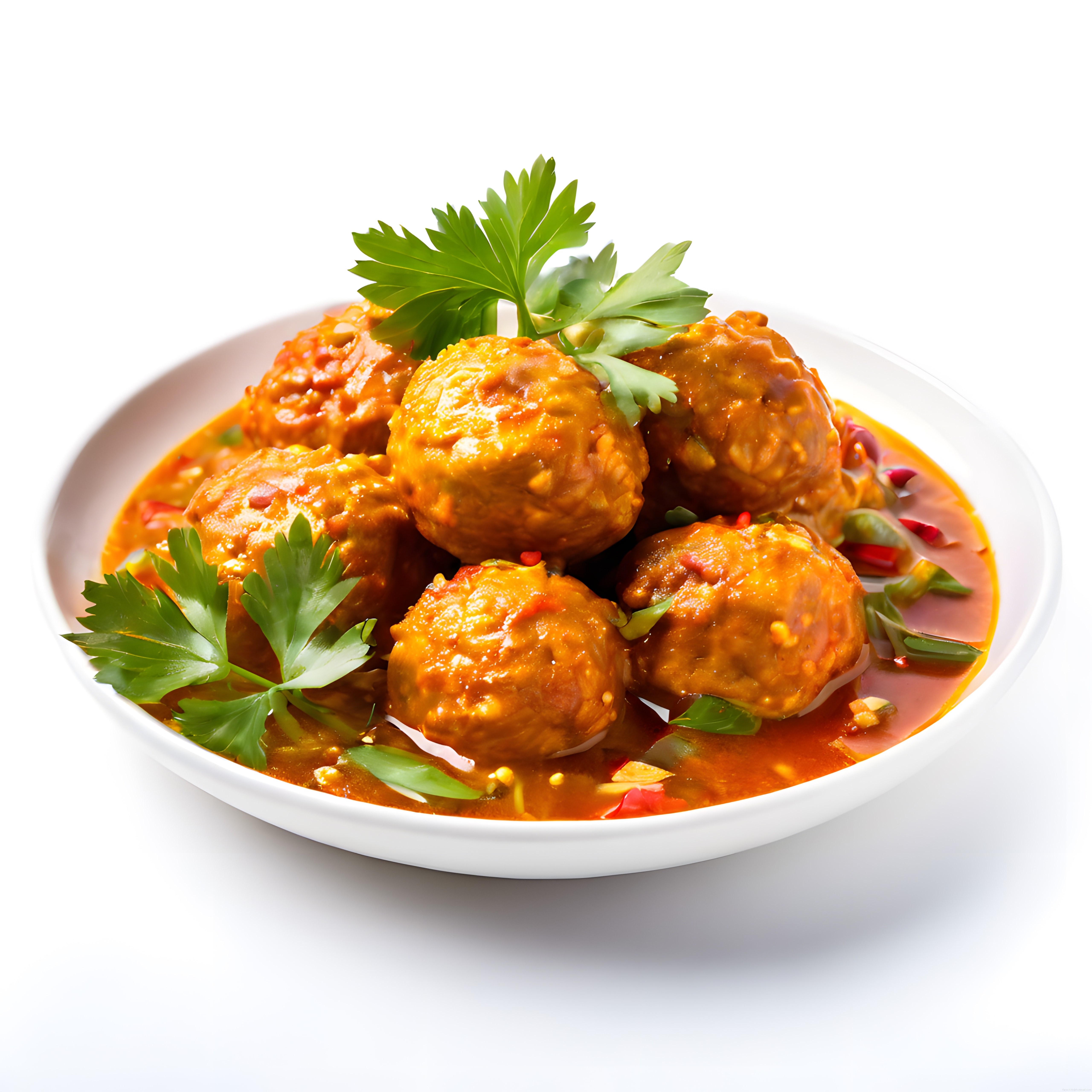
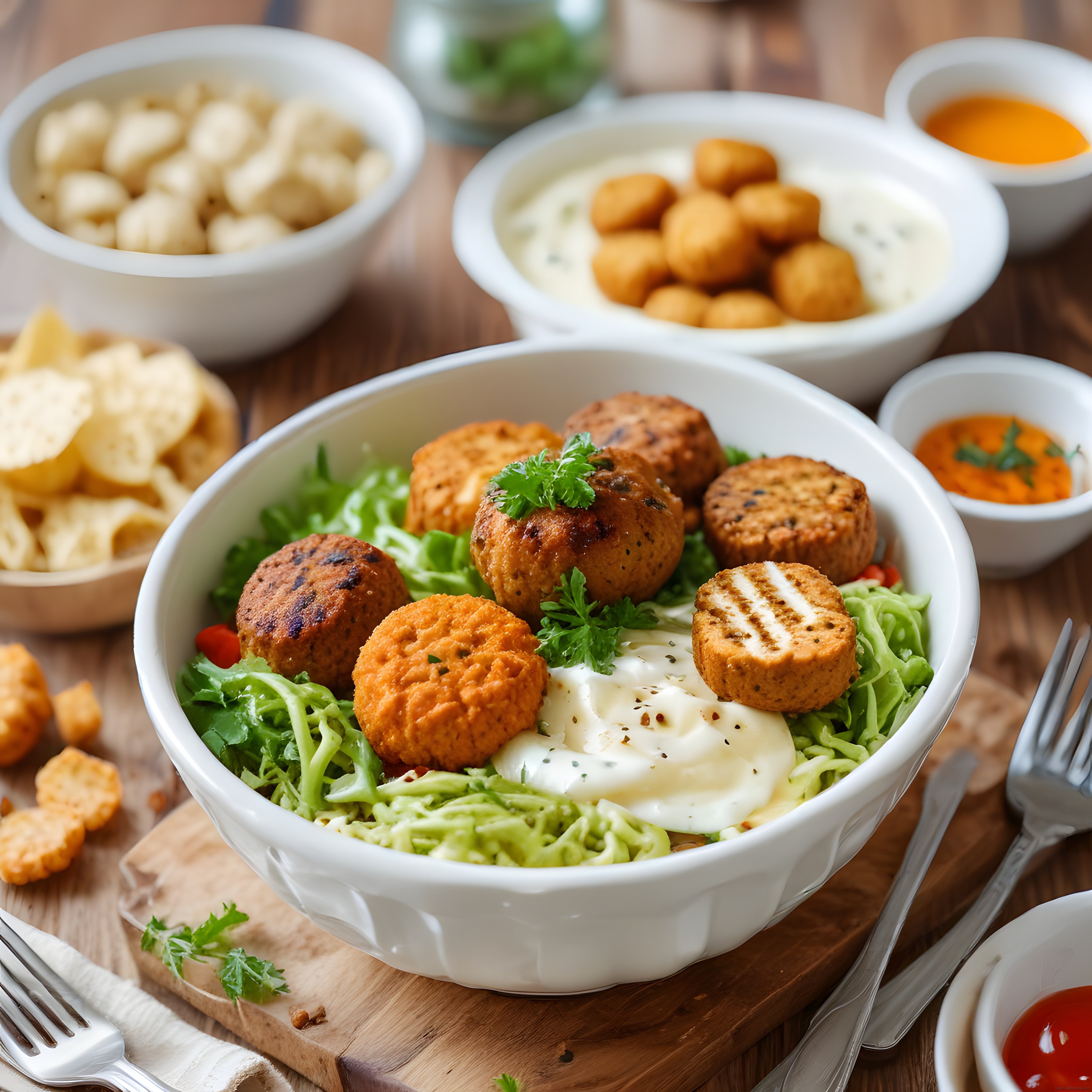
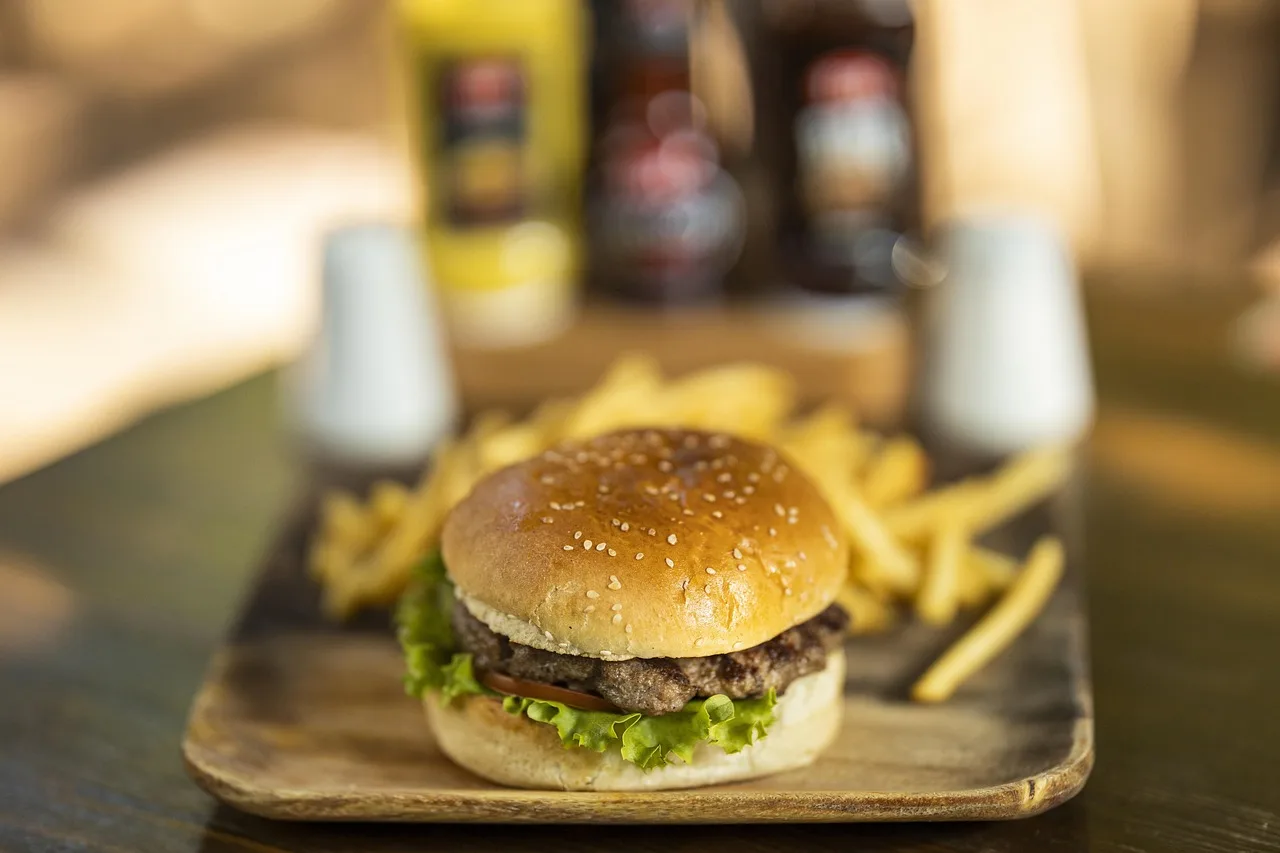

Tanım
•sıfat: Kuruyarak veya çürüyerek içi boşalmış olan
•mecaz: Boş, değersiz, bilgisiz, yetkisiz olan
•mecaz: Güçsüz, dermansız olan
Diğer Dillerde
to pour away (fluid from a container) · to empty completely (to make empty, especially but not only by pouring the contents away)
çekim: geçmiş leerte aus · ortaç ausgeleert · şimdiki leert aus · ulaç ausleerend
eş: ausgießen, ausladen, entleeren
köken: aus- + leeren
Kevin Kofler — Kevin Kofler
corpse, cadaver · empty bottle, empty
çekim: çoğul cadavres
eş: charogne, corps, macchabée, maccab, mort, dépouille
köken: Borrowed from Latin cadavere.
aile: cadavre exquis
Kevin Kofler — Kevin Kofler
İspanyolcacarcomido, estropeado, podrido, putrefacto, vaciar, vacío /kaɾkoˈmido/
decayed · affected by dry rot · consumed
Kevin Kofler — Kevin Kofler
wicked, malign · malicious
çekim: çoğul malvagi
eş: cattivo, crudele, disonesto, disumano, empio, farabutto
zıt: buono
köken: Borrowed from Old Occitan malvatz, from Late Latin malifātius (“unfortunate”). Cognate with Spanish and Portuguese malvado, and more distantly with French mauvais.
aile: malvagiamente, malvagità
Kevin Kofler — Kevin Kofler
Rusçaпустой, пустой, бессодержательный /pʊˈstoj/
empty, void, hollow · idle (of talk) · shallow (of one's personality)
çekim: karşılaştırma (по)пусте́е
eş: пустующий, опустевший, опустелый, порожний, полый, незаполненный
köken: Inherited from Old East Slavic поустъ (pustŭ), from Proto-Slavic *pustъ.
aile: опусте́ть, опустоша́ть, по́пусту, пустельга́, пу́стка, пу́сто, пустота́, пу́стошь, пу́стынь, пусты́нник
«Пражская весна». — "Köfte baharı".
переливать из пусто́го в поро́жнее
с пусты́ми рука́ми
пуста́я поро́да
Arapçaفَارِغ, فَاسِد, فَرَغَ
مخزن KOffice — KOffice Depolaması
Farsçaپوچ, پوسیده, تهی, خالی, خالی کردن /ˈpuːt͡ʃ/
empty, vacant · injudicious, ignorant, absurd
köken: Uncertain. The word does not occur in Middle Persian writings, except possibly in the Dēnkard, a 10th-century compendium, where it can be interpreted as "nihility"; whence it would be inherited from Middle Persian [Book Pahlavi needed] (pwc /pūč/). The word became widespread in Iranian varieties first in the fifteenth century onward, but existed before it. Possibly from the onomatopoetic…
aile: پوچی, پوچگرایی
Azericeboş, boş butulka, boş şüşə, boşaltmaq, çürük, çürümüş /boʃ/
empty · available, not occupied · spare (of time)
çekim: karşılaştırma daha boş · üstünlük ən boş
zıt: dolu
köken: From Proto-Turkic *boĺ.
aile: boşanmaq, boşaltmaq, boşalmaq, boşluq, boşqab
Xəzinə boşdur, pul yoxdur!
Sabah axşam boşam, gələ bilərsən.
Boş vaxtım olanda, kitab oxumaqdan xoşum gəlir.
empty · free, vacant, unoccupied · unwired
zıt: толы
köken: From Proto-Turkic *boĺ.
mean, hurtful · intense, extreme · common, shared, communal
çekim: karşılaştırma gemener · üstünlük gemeenst
eş: doortrapt, vals, vilein, gemeenschappelijk, gezamenlijk
köken: From Middle Dutch gemêen, from Old Dutch *gimēni, from Proto-West Germanic *gamainī, from Proto-Germanic *gamainiz.
aile: algemeen, gemeenschap, gemeente, gemenebest
Kevin Kofler — Kevin Kofler
skull, cranium · hull · hoof, tip of a toe of ungulates
çekim: çoğul cascos
köken: Deverbal from cascar.
aile: cascos de rolha
Kevin Kofler — Kevin Kofler
Os pés callosos, duros como cascos, mettidos em alpercatas novas, caminhariam mezes.
to empty (to make empty; to void; to remove the contents of) · to empty, to clear out, to pour out, to decant, to unload (:contents) · to be empty
çekim: geçmiş άδειασα · ortaç έχοντας αδειάσει · şimdiki αδειάζει · ulaç αδειάζοντας
köken: Inherited from Byzantine Greek ἀδειάζω (adeiázō), formed from Ancient Greek ἄδει(α) f (ádei(a), “no fear; abundance”) + -άζω (-ázo).
Kevin Kofler — Kevin Kofler
Άδειασαν τα ποτήρια τους.
Αδειάστε το περιεχόμενο στην κατσαρόλα
Το σχολείο αδειάζει το καλοκαίρι· τα παιδιά πάνε διακοπές.
Japonca空き瓶, 空っぽな, 空にする, 空の, 腐った, 腐朽した /a̠kʲibʲĩɴ/
empty bottle
köken: 空(あ)き (aki, “empty”) + 瓶(びん) (bin, “bottle”)
Kevin Kofler — Kevin Kofler
ビールの空瓶で殴った。
to be empty (in general) · to be vacant, to be unoccupied · to be empty-handed
çekim: geçmiş 볐다
zıt: 차다
köken: From Middle Korean 뷔〯다〮 (Yale: pwǔy-tá), 븨〯다〮 (Yale: pǔy-tá). First attested in the Yongbi eocheon'ga (龍飛御天歌 / 용비어천가), 1447, as Middle Korean 뷔〯다〮 (Yale: pwǔy-tá).
aile: 빈구석, 빈껍데기, 빈말, 빈방, 빈속, 빈손, 빈이름, 빈자리, 빈주먹, 빈집
Kevin Kofler — Kevin Kofler
빈 방 있어요?
rotten · rotten (morally reprehensible) · rotten (bad)
çekim: karşılaştırma ruttnare · üstünlük ruttnast
köken: From Old Norse rotinn.
aile: genomrutten, ruttenhet
Kevin Kofler — Kevin Kofler
Det luktar ruttet ägg härinne
to empty, to clear (to make empty; to void; to remove the contents of) · to get emptied, to get cleared (to become empty)
çekim: geçmiş opróżniono
köken: Etymology tree Proto-Slavic *oporzdьniti Polish opróżnić Inherited from Proto-Slavic *oporzdьniti. By surface analysis, o- + próżny + -ić.
Kevin Kofler — Kevin Kofler
Ukraynacaгнили́й, поро́жній, пусти́й, спорожни́ти, споро́жнювати, спорожня́ти
Kevin Kofler — Kevin Kofler
Hintçeख़ाली, छूछा, रिक्त करना, रीता, सड़ा /xɑː.liː/
empty, vacant · only, merely
köken: Borrowed from Classical Persian خالی (xālī), from Arabic خَالٍ (ḵālin). Compare Assamese খালী (khali), Bengali খালি (khali), Malayalam കാലി (kāli), Sylheti ꠈꠣꠟꠤ (xáli).
एक बक्सा ख़ाली है, दूसरा भरा है।
वह ख़ाली हाथ से लौट आया।
यह कमरा ख़ाली है क्या?
poor, miserable, bad, abysmal · miserable, wretched, pitiful, paltry · wretched, dastardly, contemptible, ignoble
çekim: karşılaştırma kurjempi · üstünlük kurjin
köken: From Proto-Finnic *kurja (compare Estonian kuri (“bad, evil”)), of unclear further origin.
aile: kurjalisto, kurjasti, kurjimus, kurjistaa, kurjuus
KOfficen varasto — KOffice Depolaması
Çekçeprázdný, shnilý, vyprázdnit /ˈpraːzdniː/
empty
çekim: karşılaştırma prázdnější · üstünlük nejprázdnější
eş: vyprázdněný, pustý, bezobsažný, planý, jalový, plytký
zıt: plný, neprázdný
köken: Inherited from Old Czech prázdný, from Proto-Slavic *porzdьnъ.
aile: liduprázdný, prázdniny, prázdno, prázdnota, vyprázdnit
Kevin Kofler — Kevin Kofler
to unload, unburden · to disembark · to discharge
çekim: geçmiş descărcat · ortaç descărcat · şimdiki descarcă
köken: Inherited from Late Latin discarricāre, from carricō, from Latin carrus (“four-wheeled baggage wagon”). Compare Spanish descargar.
aile: descărcare, descărcător, descărcătură
Stocare KOffice — KOffice Depolaması
third-person singular indicative past indefinite of rohad
çekim: karşılaştırma rohadtabb · üstünlük legrohadtabb
köken: rohad + -t
aile: rohadtul
Kevin Kofler — Kevin Kofler
hollow, empty, devoid of something · lacking · useless, fruitless, vain, futile
köken: Verbal adjective of the same root as careō (“to lack”), castus (“pure”), perhaps from Proto-Indo-European *ḱes- (“to cut”).
aile: cassō, in cassum, nux cassa
rotten · putrid · decayed
çekim: karşılaştırma mere rådden · üstünlük mest rådden
köken: From Old Danish raden, rotin, from Old Norse rotinn (“rotten”). The English cognate rotten is borrowed from Old Norse.
Kevin Kofler — Kevin Kofler
rotten, spoiled · low, corrupt
çekim: karşılaştırma lebih busuk · üstünlük paling busuk
zıt: mengasyikkan, menyenangkan
köken: Inherited from Malay busuk, from Proto-Malayo-Polynesian *busuk (“decayed, rotten, putrid; stinking”). Cognate with Javanese bosok.
James Kofi Annan: — James Kofi Annan:
rotten, decaying, decayed
köken: From Proto-Mon-Khmer *ɓuk ~ *kɓuk (“rotten, mouldy”); cognate with Khmer ពុក (puk, “rotten”), Bahnar bŭk (“rotten”), Proto-Katuic *ʔaɓuk (“rotten”). Related to mốc.
aile: hủ mục, mục nát, mục ruỗng
Chỗ Lưu trữ của KOffice — KOffice Depolaması
Etimoloji
From Ottoman Turkish قوف (kof), ultimately from Proto-Turkic *kobu- (“hollow, cavity”). Cognate with Old Turkic [script needed] (koɣï), [script needed] (kowï, “empty, hollow”), Karakhanid [script needed] (qowï, “empty, rotten”), Kyrgyz коо (koo, “hollow”), etc.
Deyimler
Eş & Zıt Anlamlılar
Örnek Cümleler
Kevin Kofler
Kevin Kofler
Köfte sever misin?
Do you like dumplings?
KOffice Depolaması
KOffice Storage
Kofi Annan değilim.
I'm not Kofi Annan.
KOffice Sunum Aracı
KOffice Presentation Tool
Beş köfte istiyorum.
I want five köftes.
Bu kofaktör matrisi.
This is the matrix of cofactors.
KOffice FiltresiName
Office Viewer
KOffice EklentisiName
KOffice Plugin
KOffice DosyalarıName
KOffice Files
Burger köftesi nerede?
Where's the burger patty?
Koffice Kelime İşlemci
KOffice Word Processor