Sözlük
/patika
patika
"patika" kelimesinin İngilizcesi: path, track, trail, footpath, path. Anlamı, çevirisi, telaffuzu ve örnek cümleler aşağıdadır.
Çeviri
Genelpathnoun
Geneltracknoun
Geneltrailnoun
Genelfootpath
Genelpath
Genelalley
Geneltrail
Genelpathway
Genellane
Genelpath
Genelpathway
Genellane
Genelpath
Görsel

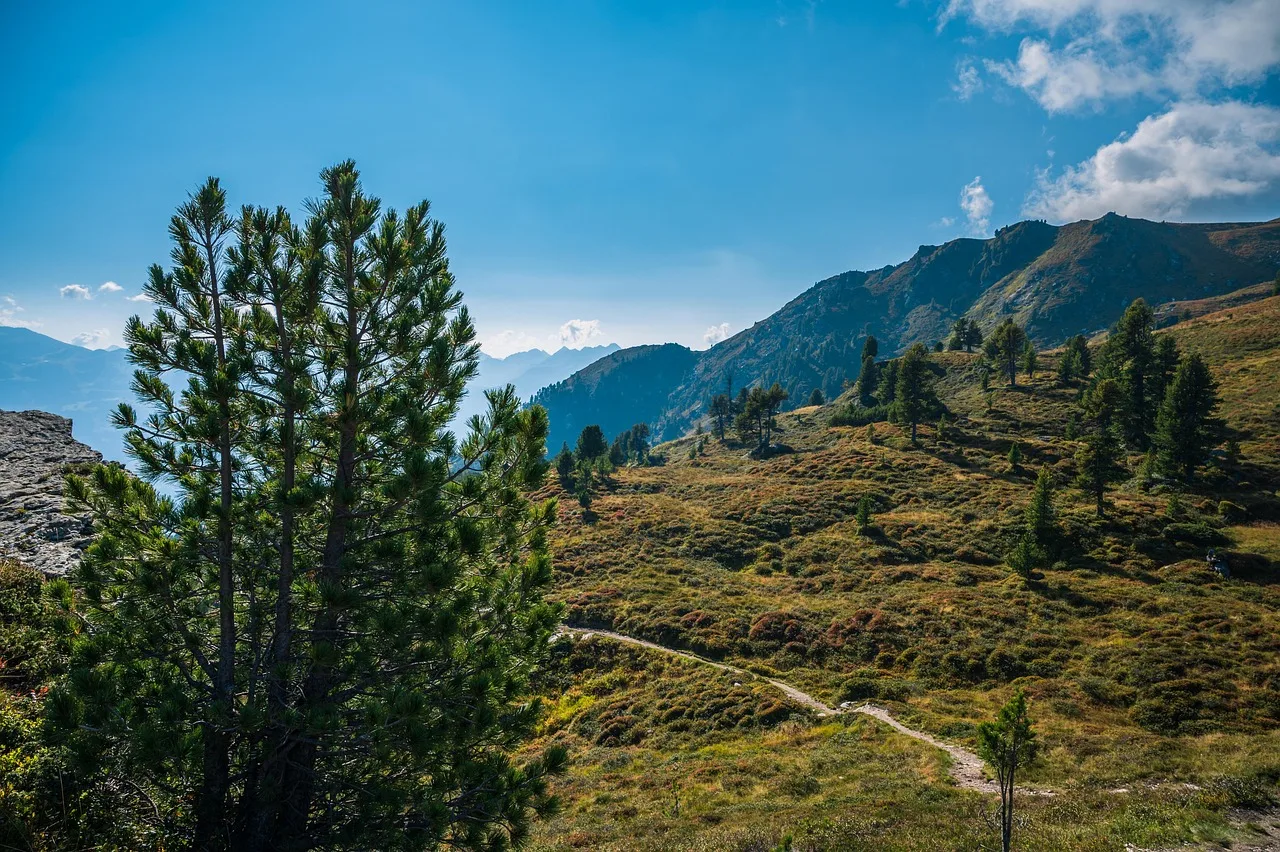
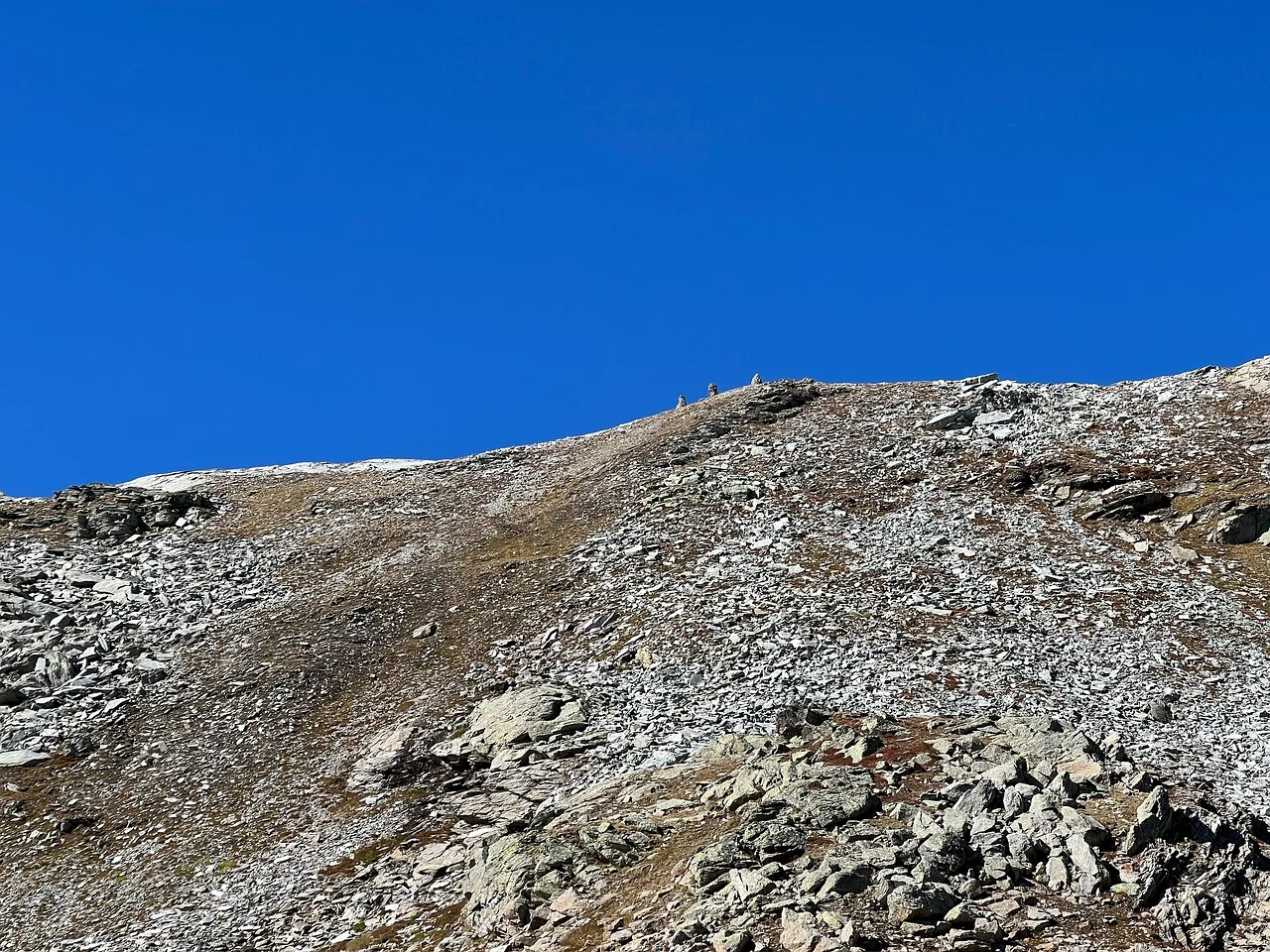
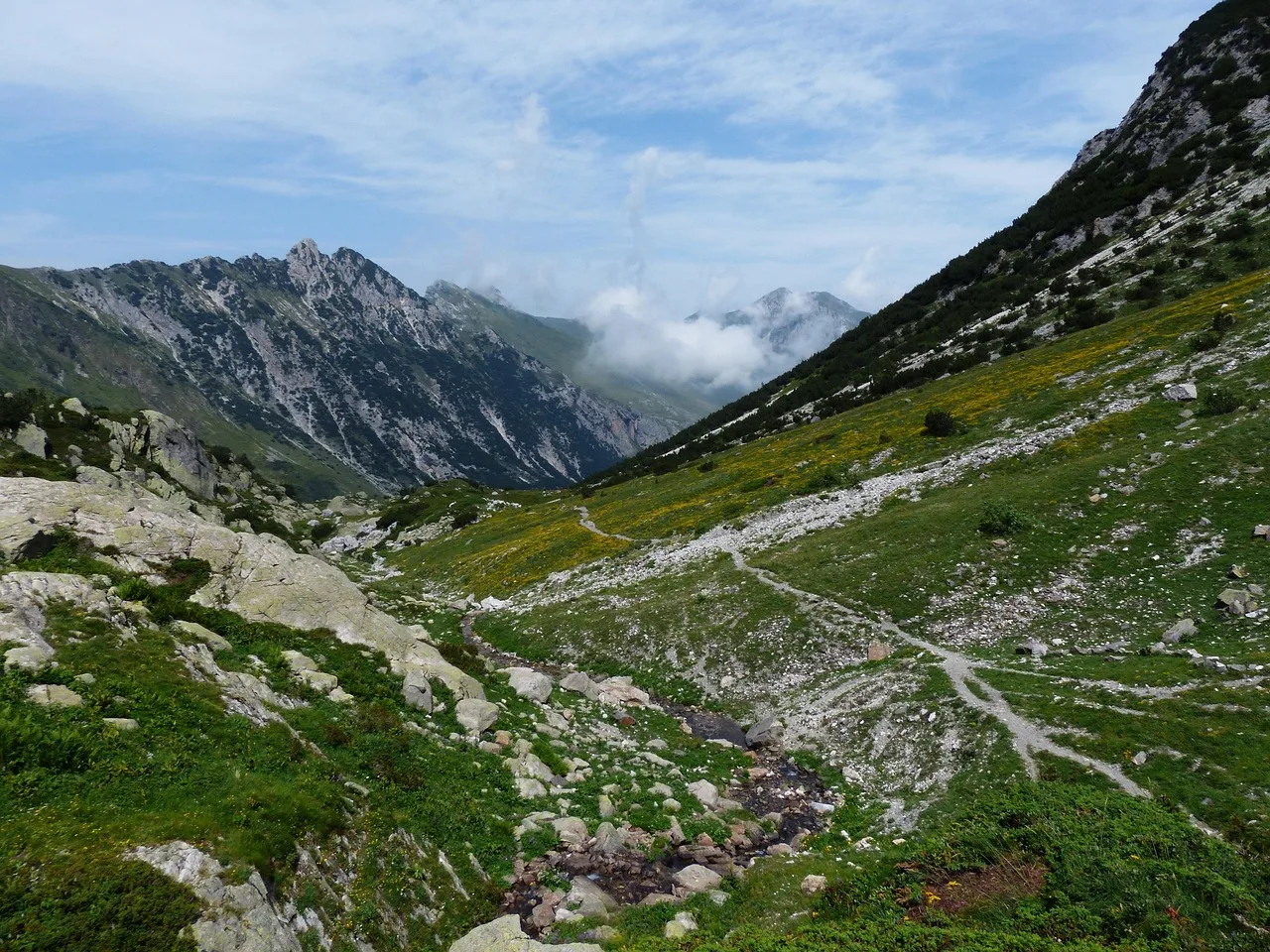
Çekim Tablosu
Belirtme (-i)patikayı
Yönelme (-e)patikaya
Bulunma (-de)patikada
Çıkma (-den)patikadan
Tamlayan (-in)patikanın
Çoğul (-ler)patikalar
Tanım
•isim: Engebeli yerlerden gelip geçenlerin ayak izlerinden oluşan, tekerlekli araç işlemeyen dar yol; çığır, izlek, keçi yolu, yolak
Diğer Dillerde
AlmancaAufnahme, aufspüren, Bahn, folgen, Fußsohle, Fußspur (dişil) /ˈaʊ̯fˌnaːmə/
reception · photo · recording
çekim: çoğul Aufnahmen · tamlayan Aufnahmen
eş: Integration, Aufzeichnung
köken: Deverbal from aufnehmen.
Zusätzliche Suchpfade — Ekli Arama Patikaları
path, way, road · road
çekim: çoğul chemins
eş: allée, circuit, parcours, piste, route, rue
köken: Inherited from Middle French chemin, from Old French chemin, from Early Medieval Latin cammīnus, borrowed from Gaulish *kamman, or from -īnus.
aile: acheminer, aller son petit bonhomme de chemin, chemin de croix, chemin de Damas, chemin de fer, chemin des écoliers, chemin faisant, chemin méchant, cheminement, cheminer
Chemins de recherche supplémentaires — Ekli Arama Patikaları
Je suis venu par le chemin.
İspanyolcacamino, carrilada, carrilera, columbrar, conculcar, cuadrar (eril) /kaˈmino/
way, route · road · path
çekim: çoğul caminos
eş: vía, ruta, trayectoria, pista, senda, sendero
köken: Etymology tree Proto-Indo-European *(s)keng-der.? Proto-Indo-European *ǵʰengʰ-der.? Proto-Celtic *kengeti? Proto-Indo-European *-mn̥der. Proto-Celtic *-sman Proto-Celtic *kanxsman Gaulish *kammanbor. Proto-Indo-European *-nós Proto-Indo-European *-iHnos Proto-Italic *-īnos Medieval Latin -īnus Medieval Latin cammīnus Old Spanish camino Spanish camino Inherited from Old Spanish camino, from…
aile: a medio camino, abrir camino, andar al camino, aposentador de camino, atajacaminos, caminero, caminito, camino de, camino de cabras, camino de herradura
Rutas de búsqueda adicionales — Ekli Arama Patikaları
İtalyancabinario, cammino, discorso, impronta, monitorare, mulattiera /biˈna.rjo/
binary
çekim: çoğul binari
eş: accoppiato, appaiato, doppio, duplice, sdoppiato, ferrovia
köken: Borrowed from Latin binārius.
aile: binario doppio, binario unico, stella binaria
Percorsi di ricerca aggiuntivi — Ekli Arama Patikaları
Rusçaтропинка, тропа
Дополнительные пути для поиска — Ekli Arama Patikaları
مسارات البحث الإضافية — Ekli Arama Patikaları
trace · imprint, impress
çekim: çoğul izlər · tamlayan izin
köken: From Proto-Turkic *īŕ. Cognate with Chuvash йӑр (jăr).
aile: izləmək
Kazakçaжол /ʒol/
road, way · walk · luck
çekim: çoğul жолдар · tamlayan жолдың
köken: From Proto-Turkic *yōl (“road, way”). Cognate with Armeno-Kipchak յոլ (yol).
aile: автожол, жолдама
Сенің жолың болды.
work of art
çekim: çoğul asarlar
köken: Borrowed from Arabic أَثَر (ʔaṯar) or its plural آثَار (ʔāṯār).
Tatarcaэз
track, trail · trace · mark, sign
çekim: çoğul эзләр · tamlayan эзнең
köken: From Proto-Turkic *īŕ. Cognate to Bashkir эҙ (eź), etc.
Felemenkçepad, spoor, voetspoor, weg (nötr) /pɑt/
path (narrow road, usually unpaved)
çekim: çoğul paden
köken: From Middle Dutch pat, from Old Dutch path, from Proto-West Germanic *paþ, from Proto-Germanic *paþaz (“path”). Cognate with English path, West Frisian paad and German Pfad.
aile: bergpad, bospad, duinpad, fietspad, gangpad, geitenpad, grindpad, hazenpad, kerkpad, kiezelpad
Extra zoekpaden — Ekli Arama Patikaları
Portekizcecaminho, curso, endereço, faixa, ferrovia, monitorar (eril) /kaˈmĩ.ɲu/
path · way, route · means
çekim: çoğul caminhos
köken: Inherited from Old Galician-Portuguese caminho, from Late Latin cammīnus (“way”), from Gaulish. Compare Galician camiño.
aile: a caminho, a caminho de, caminhar
Locais Adicionais a Procurar — Ekli Arama Patikaları
footpath, track · path/direction of travel
çekim: çoğul ατραποί · tamlayan ατραπού
Πρόσθετες διαδρομές αναζήτησης — Ekli Arama Patikaları
lorry (UK), truck (US) (vehicle)
köken: From American English truck. Doublet of トロッコ (torokko).
その他の検索パス — Ekli Arama Patikaları
トラック運転手
mark, stain, smudge · print, impression · track, trail
köken: First attested in the Worin seokbo (月印釋譜 / 월인석보), 1459, as Middle Korean 자곡 (Yale: càkwòk).
aile: 땀자국, 발자국, 손자국, 자국자국, 칼자국, 핏자국
추가적인 검색 경로 — Ekli Arama Patikaları
direction of travel
çekim: çoğul färdriktningar · tamlayan färdriktnings
köken: From färd + riktning.
Ytterligare sökvägar — Ekli Arama Patikaları
trail · path (a trail for the use of, or worn by, pedestrians) · path (a specification for a location within a hierarchical or tree-like structure)
çekim: çoğul ścieżki · tamlayan ścieżki
eş: ślad
köken: Inherited from Old Polish ścieżka, from Proto-Slavic *stьžьka, diminutive of *stьga, later form after the third palatalization *stьdza.
aile: ścieżka życia, ścieżkowiec
Dodatkowe ścieżki przeszukiwania — Ekli Arama Patikaları
Додаткові шляхи пошуку — Ekli Arama Patikaları
synonym of चिन्ह (cinha)
çekim: çoğul चिह्नों
köken: Borrowed from Sanskrit चिह्न (cihna). Doublet of चिन्ह (cinha).
Finceääniraita, jalanjälki, jäljittää, jalkapohja, jälki, kappale /ˈæːniˌrɑi̯tɑ/
soundtrack
çekim: çoğul ääniraidat · tamlayan ääniraidan
köken: ääni + raita
Lisähakupolut — Ekli Arama Patikaları
road · journey · path (graph theory)
çekim: çoğul cesty · tamlayan cesty
köken: Inherited from Old Czech cěsta, from Proto-Slavic *cěsta.
Další prohledávané cesty — Ekli Arama Patikaları
být na cestách
Se dala na cestu.
path, footway · parting (the dividing line formed by combing the hair in two different directions)
çekim: çoğul cărări · tamlayan cărări
eş: potecă
köken: Inherited from Late Latin (via) carrāria, from Latin carrus. Akin to Aromanian cãrari, Spanish and Catalan carrera, Portuguese carreira, Occitan carrièra, French carrière (“career”) (hence the doublet carieră), charrière (“path, way”), Italian carriera (“career”), carraia (“road for carts or wagons”).
Căi de căutare adiționale — Ekli Arama Patikaları
Macarcadrótpálya, felvétel, földterület, gyalogút, kötélpálya, lábnyom /ˈfɛlveːtɛl/
verbal noun of felvesz: · admission (the act of granting admittance to an institution, organisation, etc.) · uptake, absorption (of energy, nutrients, etc.)
çekim: çoğul felvételek
köken: felvesz (“to take on, admit, record”) + -tel (noun-forming suffix)
aile: felvételez, felvételi → felvételizik, felvételis, előfelvételi → előfelvételis, pótfelvételi, pótfelvétel, újrafelvétel → perújrafelvétel, videofelvétel, adatfelvétel, anyagfelvétel
További keresési utak — Ekli Arama Patikaları
İbraniceדֶּרֶךְ, מסילה, מְסִלָּה, מַסְלוּל, נָתִיב, עָקֵב (dişil)
track, railway · path
çekim: çoğul מְסִלּוֹת
aile: מסילת ברזל, מְסִלַּת בַּרְזֶל
מיקומי חיפוש נוספים — Ekli Arama Patikaları
A track or rut made in the ground by a wheel. · A path, track, course. · An impression or mark left by a ligature.
çekim: çoğul orbitae · tamlayan orbitae
köken: From Proto-Italic, from Proto-Indo-European *h₃erbʰ- (“to turn”), cognate to Umbrian 𐌖𐌓𐌚𐌄𐌕𐌀 (urfeta). Possibly a substantivization Proto-Italic *orβetā of a past participle *orβetos to an iterative verb *orβeō. Compare typologically Russian колея́ (kolejá) (<< Proto-Indo-European *kʷelh₁-). Also compare кругове́рть (krugovértʹ) (akin to верте́ть (vertétʹ)).
aile: exorbitō, orbitōsus
bane, person/thing/event that kills someone or something
çekim: çoğul baner · tamlayan banes
köken: From Old Danish banæ, from Old Norse bani.
aile: banemand, banesår
Ekstra søgestier — Ekli Arama Patikaları
road; way; street · roadway · orbit
çekim: çoğul jalan-jalan
köken: Inherited from Malay jalan, from Proto-Malayic *jalan, from Proto-Malayo-Polynesian *zalan, from Proto-Austronesian *zalan. Doublet of jalang. * Displaced Dutch weg (“way, road”) by Komisi Bahasa Indonesia as published on Kanpō/Berita Pemerintah No.38 Year III Month 3 (2604) in 1944. Cognates * Cebuano dalan * Chamorro chalan * Iban jalai * Pattani Malay جالٍي (jalɛ) * Tagalog daan * Urak Lawoi'…
aile: berjalan, berjalan-jalan, jalan-jalan, jalanan, kesejalanan, memperjalankan, menjalani, menjalankan, pejalan, penjalanan
Alamat Pencarian Tambahan — Ekli Arama Patikaları
Vietnamcabước, con đường, dấu, đường dẫn, đường đi, đường lối /ʔɓɨək̚˧˦/
to step · to enter (a new period)
köken: Inherited from Proto-Austroasiatic *tpaːkʔ (“to step”). Cognate with Muong pước, Tho [Cuối Chăm] pɐːk⁸. Possible doublet of nước (“move, step”) through an infixed form.
Đường dẫn tìm kiếm khác — Ekli Arama Patikaları
bước một bước
bước vào thời kì mới
Etimoloji
From Ottoman Turkish پاتقه (patika), from Bulgarian пътека (pǎteka).
Eş & Zıt Anlamlılar
Örnek Cümleler
Patika dardı.
The path was narrow.
Ekli Arama Patikaları
Additional Search Paths
Patika karla kaplıydı.
The trail was covered in snow.
Ormanda bir patika var.
There is a path through the wood.
Patikada bir şey görür.
He sees something in the path.
Patikadan aşağı yönelir.
He's going down the path.
Bu patika nereye gidiyor?
Where does this path go to?
Bu patika nereye çıkıyor?
Where does this trail lead?
Ben patika boyunca yürüdüm.
I walked along the footpath.
Solda gizli bir patika var.
There's a secret path on the left.
Biz ormanda bir patika açtık.
We cleared a path through the woods.
Ormanın içinde bir patika var.
There's a trail in the forest.
İlgili Sorular
Copper Mountain (Colorado) üzerindeki en uzun patika kaç fit ölçülüyor?
2. 20 feet uzunluğundaki bir patikada 1x2 blokları kullanarak kaç farklı düzenleme yapabilirim?
Caliph isimli Britanya Büyük Daniel, hayatta kalmak için çıktığı patikada kimleri ısırdı?
Ortak kullanılan bir patikada koşucular, bisikletçiler ve yürüyüşçülerle aynı yolda yayanları geçerken hangi görgü kurallarına dikkat etmeliyim? Bisiklete yeni başladığımda geçişimi sol taraftan mı yapmalıyım, yoksa bir işaret vermeli miyim?
Az kullanılan patikayı seçmek, hayatınızda büyük bir değişim yarattı mı?