Sözlük
/felaket
felaket
"felaket" kelimesinin İngilizcesi: disaster, misfortune, adversity, horrendous, terrible. Anlamı, çevirisi, telaffuzu ve örnek cümleler aşağıdadır.
Çeviri
Geneldisasternoun
Genelmisfortunenoun
Geneladversitynoun
Genelhorrendousadj
Genelterribleadj
Genelhorribleadj
Genelcatastrophenoun
Genelharm
Genelblow
Geneldisaster
Genelwoe
Geneltragedy
Genelbane
Genelcalamity
Genelcatastrophe
Genelcurse
Genelfatality
Genelgrief
Genelreverse
Genelcatastrophe
Genelcatastrophe
Genelcatastrophe
Genelcatastrophe
Genelcatastrophe
Görsel

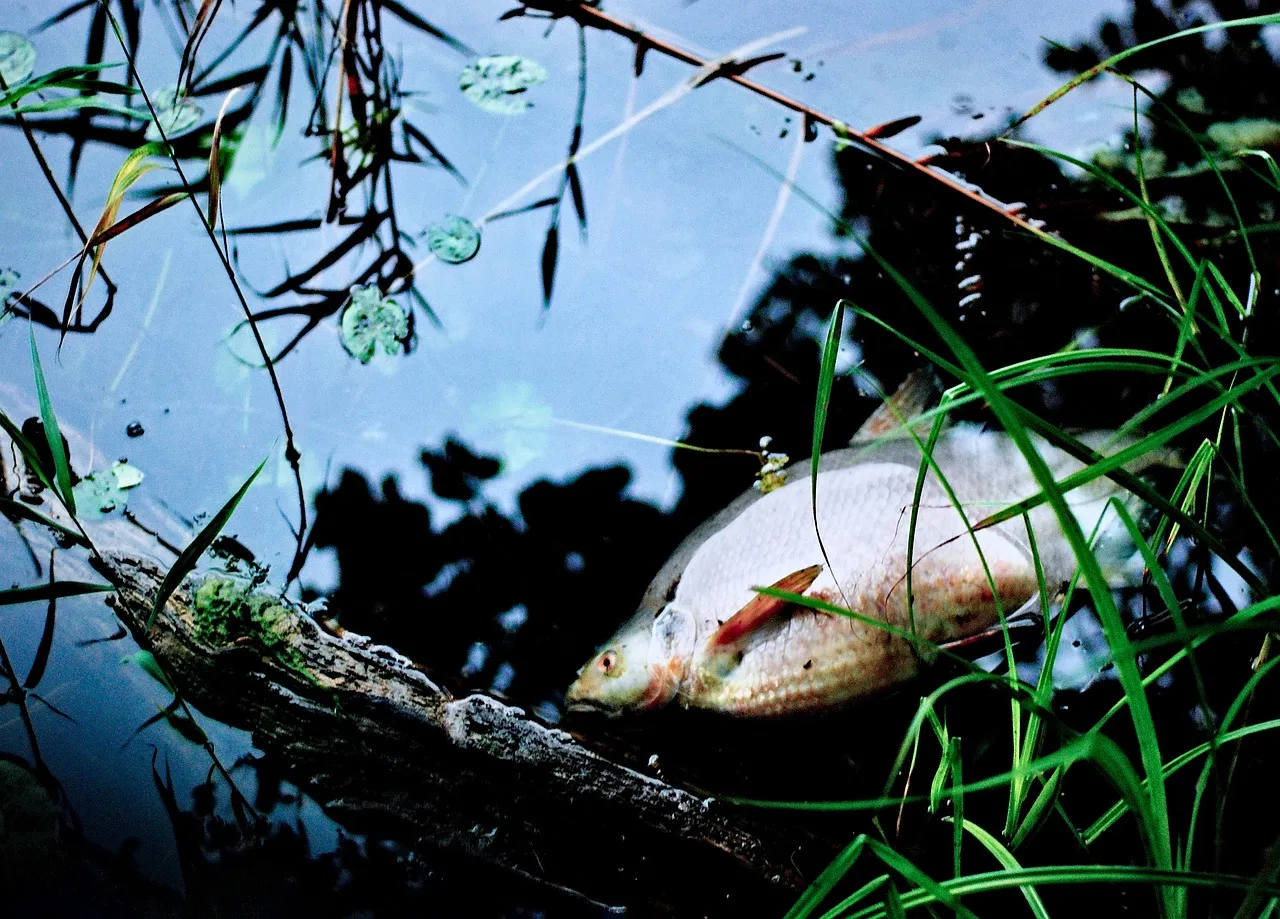


Çekim Tablosu
Belirtme (-i)felaketi
Yönelme (-e)felakete
Bulunma (-de)felakette
Çıkma (-den)felaketten
Tamlayan (-in)felaketin
Çoğul (-ler)felaketler
Tanım
•isim: Büyük zarar, üzüntü ve sıkıntılara yol açan olay veya durum; yıkım, katastrof
•sıfat: Çok kötü
•sıfat: Şaşırtıcı, hayrete düşürücü
Atasözü & Deyim
“Bir felaket bin nasihatten yeğdir”
Diğer Dillerde
Almancadesaster, katastrophe (nötr) /deˈza(ː)stər/
disaster
çekim: çoğul Desastern · tamlayan Desasters
köken: Ca. 1800, from French désastre, itself from Italian disastro. The now predominant pronunciation with a long vowel is unusual; English influence would be a plausible but speculative explanation.
Verquere Katastrophe — Çapraz Felaket
Remplir une pipe avec du tabac.
eş: cirer le dard, faire un baiser au grand chauve, faire une gâterie, gober le merlan, jouer du trombone, pomper le dard
Un désastre diagonal — Çapraz Felaket
to stink · to nauseate · to cause a plague, disease
çekim: geçmiş apesté · ortaç apestado · şimdiki apesta
eş: heder
köken: From a- + peste + -ar.
aile: apestoso
Desastre diagonal — Çapraz Felaket
İtalyancabotta, colpo, esplodere, far saltare, folata, soffiare (dişil) /ˈbɔt.ta/
blow, hit (violent attack) · hit, bump (accidental injury) · blow (damaging occurrence)
çekim: çoğul botte
eş: battuta, colpo, percossa, stoccata, urto, bernoccolo
köken: From the verb bottare, from Old French boter (“to strike”), from Frankish *buttan, from Frankish *bautan (“to hit, strike”).
aile: a botta calda, a botta sicura, botta di culo, botta di fame, botta di sonno, botta e risposta, botta segreta, botte da orbi, fare a botta, tenere botta
Disastro diagonale — Çapraz Felaket
dare una botta in testa
fare a botte
ho preso una botta in testa
Rusçaбедствие, катастрофа, беда, несчастье, катастрофа (dişil) /kətɐˈstrofə/
catastrophe, disaster, calamity · accident, crash
çekim: çoğul катастро́фы · tamlayan катастро́фы
eş: бедствие, трагедия, катаклизм, крушение, авиакатастрофа
aile: катастрофи́зм, катастрофи́ческий, катастрофи́чный
Бедствие по диагонали — Çapraz Felaket
to breathe (into), to blow · to swell, to swell up · to appear, to dawn
çekim: geçmiş دمید · ortaç دمیده · şimdiki میدمد · ulaç دمنده
köken: Inherited from Middle Persian [Book Pahlavi needed] (dmytn' /damīdan/), regularized form of [Book Pahlavi needed] (dptn' /daftan/), from Proto-Iranian *damH- (“to breathe, to blow”), from Proto-Indo-European *dʰemH-. Cognate with Sanskrit धमति (dhamati, “to blow”), Lithuanian dumti (“to blow”).
aile: بردمیدن
به عشق روی تو روزی که از جهان بروم ز تربتم بدمد سرخ گل به جای گیاه
terrible · fierce, severe, ferocious
çekim: karşılaştırma daha dəhşətli · üstünlük ən dəhşətli
köken: dəhşət + -li
Özbekçeesmoq
Tatarcaимәнеч
Felemenkçeafschuwelijk, blazen, doorjagen, ontploffen, pijpen, slag /ɑfˈsxyu̯ələk/
heinous, horrible
çekim: karşılaştırma afschuwelijker · üstünlük afschuwelijkst
eş: verschrikkelijk, erg
köken: From afschuwen + -lijk.
Diagonale ramp — Çapraz Felaket
Portekizceassoprar, desgraça, detonar, estourar, explodir, formidável /a.soˈpɾa(ʁ)/
to blow
çekim: geçmiş assoprei · ortaç assoprado · şimdiki assopra
köken: From a- + soprar.
Desastre Diagonal — Çapraz Felaket
Yunancaαπαίσιος, δεινός, κάκιστος, παίρνω πίπα, πιπώνω, πλήγμα /aˈpe.si.os/
awful, dreadful, horrible appalling, terrible
çekim: karşılaştırma απαισιότερος · üstünlük απαισιότερος
köken: Learned borrowing from Koine Greek ἀπαίσιος (apaísios, “ominous, sinister”), from ἀπό (apó, “from”) + αἴσιος (aísios, “favorable, auspicious”); see αίσιος (aísios) for the latter.
aile: απαίσια, απαισιόμορφος, απαισιότητα, αίσιος
Διαγώνια καταστροφή — Çapraz Felaket
to blow, (of wind) to move, to cause air to move · to spout (as a gas or liquid, out of something) · to play (a woodwind or brass instrument), to blow (a whistle)
çekim: geçmiş 吹いた
köken: May originally have been an onomatopoeia. Compare ふうふう (fūfū, “to blow with one's lips rounded”) .
aile: 泡を吹く
対角線の災難 — Çapraz Felaket
To quit. · To not do something one had been going to do.
çekim: geçmiş 그만두었다
köken: From 그만 (geuman, “that much only”) + 두다 (duda, “leave”).
갑작스러운 재앙이나 사고 — Of felaketi destanı
a bleb, a bubble · a bladder, a vesica · a blister, a bulla
çekim: çoğul blåsor · tamlayan blåsas
köken: From Old Norse blása (“to blow”), from Proto-Germanic *blēsaną. Cognate with Elfdalian blåsa, Norwegian Nynorsk blåsa and Danish blæse
aile: blåshals, blåshalskörtel, blåskatarr, blåstång
Diagonal katastrof — Çapraz Felaket
hit, blow · blow, misfortune · large cut block of stone
çekim: çoğul ciosy · tamlayan ciosu
eş: uderzenie, walnięcie, reg. śl. szlag, poczpuła
köken: Etymology tree Proto-Indo-European *teḱ- Proto-Indo-European *tetḱ-der. Proto-Balto-Slavic *téśtei Proto-Slavic *tesati Proto-Slavic *-ъ Proto-Slavic *tesъ Polish cios Inherited from Proto-Slavic *tesъ.
Katastrofa przekątnych — Çapraz Felaket
Bokser zadał potężny cios.
Діагональна катастрофа — Çapraz Felaket
terrible, horrible, scary
köken: Borrowed from Sanskrit भयंकर (bhayaṃkara).
मैंने एक भयंकर फ़िल्म देखी है।
Fincehäipyä, hengähdystauko, henkeä, hirveä, hirvittävä, isku /ˈhæi̯pyæˣ/
to disappear, vanish (visibly) (of something visible: to gradually get less visible or clear) · to fade out/away (audibly) (of a sound: to gradually get quieter) · to be forgotten, fade (of memories, etc.)
çekim: geçmiş häipynyt · şimdiki häipyy · ulaç häipyvä
köken: Fronted from haipua.
aile: häipyvä, häipyminen, häipymä, häive, häipätä, häivyttää, häivähtää
Vino tuho — Çapraz Felaket
Häivy!
to blow
çekim: geçmiş foukala · ortaç foukala · şimdiki fouká
eş: vanout, vát, fučet, fičet, dout, být
köken: Inherited from Old Czech fúkati, of imitative origin.
aile: bublifuk, foukač, foukání, fukar, nafoukat, nafouknout, náfuka, píčifuk, podfuk, pofoukat
Na Zemi však nastávají komplikace. — Yeryüzünde felaketlere neden olur.
Vítr fouká.
to receive a blowjob (fellatio) from, get head from
çekim: geçmiş dat muie · ortaç dat muie · şimdiki dă muie
köken: Roughly "to give it in the mouth".
Dezastru diagonal — Çapraz Felaket
S. îi dă muie curvei, în timp ce eu privesc fascinat spre agoanele cu lumini aprinse în cușete.
Macarcaborzalmas, borzasztó, csapás, fúj, rémes, rettenetes /ˈborzɒlmɒʃ/
horrible, terrible
çekim: karşılaştırma borzalmasabb · üstünlük legborzalmasabb
köken: From the borzalm- stem of borzalom + -as (adjective-forming suffix).
aile: borzalmasan, borzalmasság
Katasztrófa minden irányból — Çapraz Felaket
threatening, frightening, terrifying · terrible, unbearable
çekim: çoğul אִיּוּמִים
אסון יותר גדול. — Büyük bir felaket olur.
אָיֹם וְנוֹרָא הוּא מִמֶּנּוּ מִשְׁפָּטוֹ וּשְׂאֵתוֹ יֵצֵא׃
to breathe, blow
çekim: ortaç flātus · şimdiki flat · ulaç flāns
köken: From Proto-Italic *flāō, from Proto-Indo-European *bʰleh₁- (“to blow”). Cognate with English blow and more distantly with Old Armenian բեղուն (bełun, “fertile”) (< *bʰel-).
aile: afflō, ciniflō, cōnflō, efflō, flābilis, flābrum, flāmen, *flātor, flātus, īnflō
Dancablæse, frygtelig, puste, sprænge, trutte /blɛːsə/
to blow · to sound
çekim: geçmiş blæste · ortaç blæst · ulaç blæsende
köken: From Old Danish blæsæ, from Old Norse blása (“to blow”).
Diagonal katastrofe — Çapraz Felaket
Filmen ble en økonomisk fiasko. — Film neredeyse mali bir felaket oldu.
Etimoloji
Osmanlı Türkçesi فلاكت (felaket) sözcüğünden devralındı.
Kelime Ailesi
Eş & Zıt Anlamlılar
Örnek Cümleler
Durum felaket.
The situation is disastrous.
Bu bir felaket.
This is a disaster.
Ne felaket ama!
What a disaster!
Baþým felaketti.
I've got a terrible hangover.
Tam bir felaket.
So this is a catastrophe.
O bir felaketti.
It was a disaster.
Felaket, efendim.
Total, sir.
O, felaket olurdu.
That would be catastrophic.
Tam bir felaketti.
It was a nightmare.
Bu felaket olurdu.
This would be catastrophic.
Nasıl bir felaket!
What a catastrophe!
Bu tam bir felaket.
It's a complete disaster.
İlgili Sorular
Vahiy 6:8'deki dört bölümlü felaketler arasında AIDS yer alıyor mu?
Şu anki kirlilik ve plastik tüketim oranlarıyla gezegeni felaketten kurtarmak mümkün müdür?
Köpekbalıkları ve hamamböcekleri hayatta kalma konusunda örnek gösteriliyor... Büyük bir felaket senaryosunda hangi tür en uzun ömürlü olur ve bu durumun bilimsel gerekçeleri nelerdir?
D‑X'in geri gelmesini dört gözle bekliyoruz; nWo'nun geri dönüşü gibi bir felaket yaşanmasın diye umutluyuz.
1 Ocak 2006'dan 1 Mayıs 2006'ya kadar gerçekleşen doğal felaketleri içeren bir tablo hazırlamam gerekiyor, yardımcı olur musunuz?
İlgili / Bileşik Terimler
Genelbird of ill omen
Birleşik Kelimeler
çevre felaketi