Sözlük
insanlar
noun
A1 seviye
TR → RUMENCE
"insanlar" kelimesinin İngilizcesi: lume, națiune, neam, oameni, pământ. Anlamı, çevirisi, telaffuzu ve örnek cümleler aşağıdadır.
Çeviri
Genellumedişil
Genelnațiunedişil
Genelneamdişil
Geneloamenidişil
Genelpământdişil
Genelpopordişil
Görsel
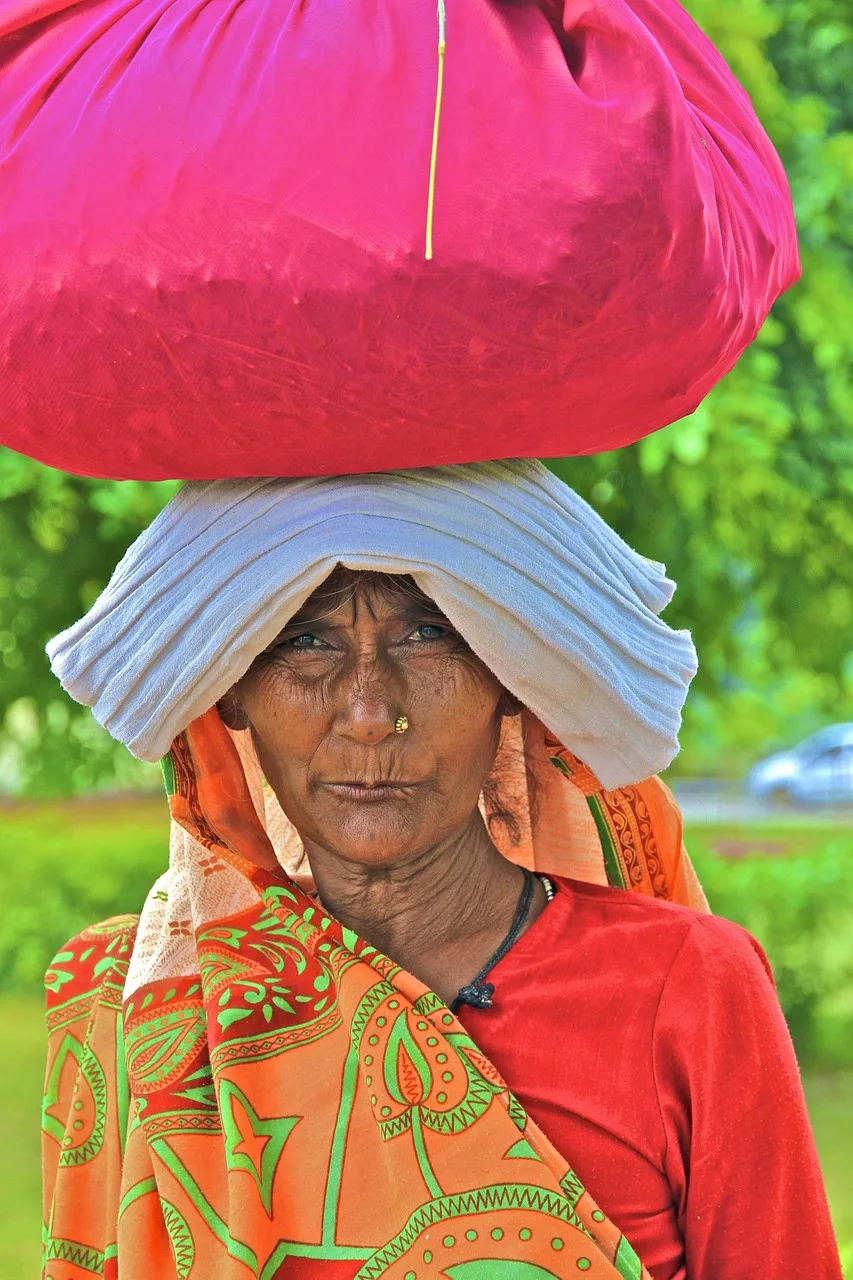

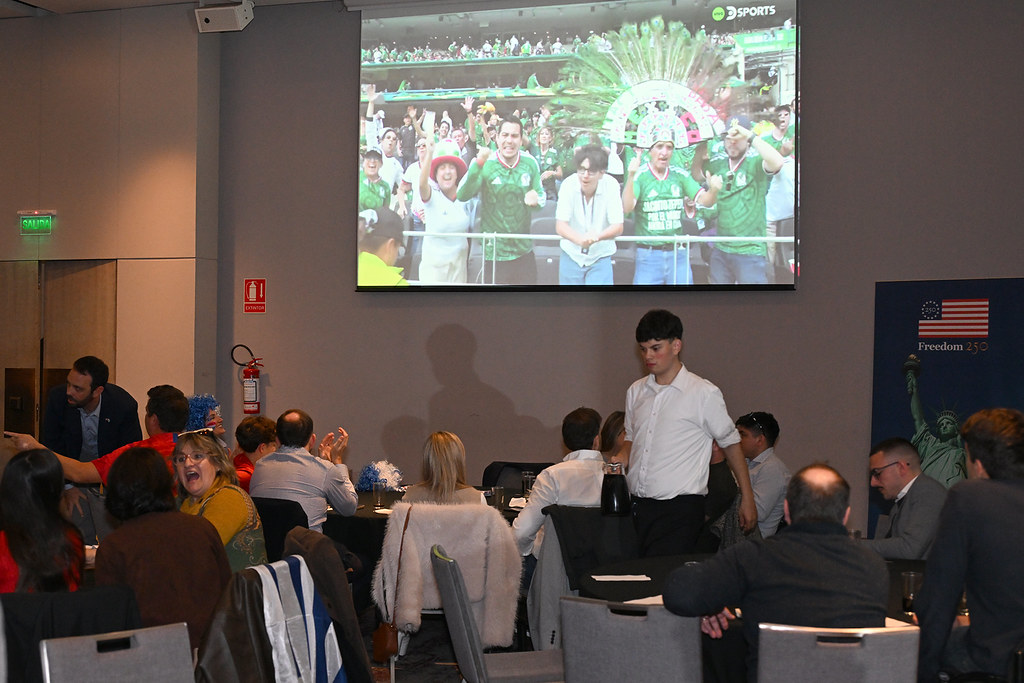
Tanım
•world · people · humanity, mankind
Diğer Dillerde
Almancaleute /ˈlɔɪ.tə/ [ˈlɔe̠.t(ʰ)ə/
people (several individual persons, a group of people in general, esp. of one kind or another), folk (folks), peeps (slang), guys (boys and/or girls)
çekim: çoğul Leuten
köken: From Middle High German liute, from Old High German liuti, also liudi, from Proto-West Germanic *liud(i), from Proto-Germanic *liudīz (“people”), from Proto-Indo-European *h₁lewdʰ- (“man, people”). Compare Dutch lieden, luden, luiden, Old Norse lýðir (“people”) (whence Icelandic lýður), Old Saxon liudi, Old English lēode (“people”), English lede (“people”), Gothic *𐌻𐌹𐌿𐌸𐍃 (*liuþs), Polish ludzie,…
Wir sind Menschen. — Biz insanlarız.
Gleich den andern Tag schicketen wir zween Leute mit der Post fort:
Fransızcaéquipe, gens, La Terre, les miens, monde, peuple (dişil) /e.kip/
team
çekim: çoğul équipes
köken: Inherited from Middle French equippe, from Middle French equipper, esquiper. More at French équiper.
aile: coéquipier, esprit d'équipe, poursuite par équipes
Elle est de ces personnages… ». — O insanlara ait."
family (group of people related to each other) · family (grouping of things possessing common characteristics)
çekim: çoğul familias
eş: hogar, ayllu, parentela, clan, colmena, enjambre
köken: Etymology tree Latin familialbor. Old Spanish familia Spanish familia Inherited from Old Spanish familia, a learned borrowing from Latin familia (“slave staff of a household”).
aile: abandono de familia, cabeza de familia, consejo de familia, de buena familia, de familia, de la familia, derecho de familia, en familia, familia afín, familia de lenguas
¿Quiénes son estas personas? — Bu insanlar kimdir?
İtalyancafamiglia, mondo, nazione, popolare con, popolazione, popolo (dişil) /faˈmiʎ.ʎa/
family · household · domestic staff, servants
çekim: çoğul famiglie
eş: casa, congiunti, consanguinei, famigliari, nucleo familiare, parentado
köken: Inherited from Latin familia (“servants, domestic staff, household”).
aile: famiglio
Convivano pure. — Ayrıca insanları yerler.
vino da famiglia
Rusçaвселе́нная, земно́й шар, люд, лю́ди, мир, наро́д /lʲut/
people, folk
çekim: tamlayan лю́да
eş: толпа
köken: Inherited from Proto-Slavic *ľudъ.
aile: рабо́чий лю́д
Они хорошие люди. — Onlar iyi insanlar.
ме́лкий городско́й люд
крестья́нский люд
world · universe, cosmos, existence · world, hereunder, worldly life
çekim: çoğul عَالَمُون · tamlayan عَالَمٍ
köken: Borrowed from Aramaic עָלְמָא / ܥܳܠܡܳܐ (ʿāləmā) or Hebrew עוֹלָם (ʿōlām), possibly from Akkadian 𒂖𒆷𒈬𒌋𒀀 (/ellamu, illamu/, “front, before; both temporally and in location; coming before your time or being currently physically before you now”). The pattern فَاعَل (fāʕal) The pattern فَاعَل (fāʕal) is considered originally foreign to Arabic and Ethiopic, occurring only in likely loanwords such as…
فِي ٱلْعَالَمِ سَيَكُونُ لَكُمْ ضِيقٌ، وَلَكِنْ ثِقُوا: أَنَا قَدْ غَلَبْتُ ٱلْعَالَمَ.
world · kingdom
çekim: çoğul aləmlər · tamlayan aləmin
köken: Borrowed from Arabic عَالَم (ʕālam).
maddi aləm
cinayətkar aləm
heyvanlar aləmi
people
çekim: çoğul aholi
köken: Ultimately from Arabic أَهْل (ʔahl).
world
çekim: çoğul дөньялар · tamlayan дөньяның
köken: From Classical Persian دنیا (dunyā, “world”), from Arabic دُنْيَا (dunyā, “world”). Compare also Kazakh дүние (dünie), Turkish dünya, etc.
aile: бөтендөнья
Felemenkçeaarde, bevoling, bevolken, bevolkt worden, bewonen, familie (dişil) /ˈaːr.də/
earth, soil, ground · earth, ground
çekim: çoğul aardes
eş: aardbol, aardrijk, bol, globe, planeet, terra
köken: From Middle Dutch āerde, from Old Dutch ertha, from Proto-West Germanic *erþu, from Proto-Germanic *erþō. False cognate of Arabic أَرْض (ʔarḍ).
aile: aardachtig, aardappel, aardebaan, aarden, aardewerk, aardgebonden, aardkunde, aardlaag, aardman, aardolie
Een kudde wisenten heeft de aarde hier vertrapt.
De vochtige aarde ruikt goed.
family; nuclear family (a father, mother and their sons and daughters) · family; bloodline; kin · family
çekim: çoğul famílias
köken: Borrowed from Latin familia (“household, family”).
aile: familinha
nominative/vocative plural of άνθρωπος (ánthropos)
household; family
eş: 가속, 가솔, 식구, 처노
köken: Sino-Korean word from 家族.
저희 가족을 소개하겠습니다.
그 가족은 아빠, 엄마, 아들, 딸, 이렇게 네 명입니다.
a close relative (of someone)
people, folk · people (ordinary citizens of a country) · people (ethnic group)
çekim: çoğul ludy · tamlayan ludu
köken: Etymology tree Proto-Indo-European *h₁lewdʰ-o-s Proto-Slavic *ľudъ Polish lud Inherited from Proto-Slavic *ľudъ.
aile: antyludowy, bezludny, ludowy, bezludnie, ludowo, bezludność, bezludzie, ludowiec, ludowość
the public, masses · common folk
çekim: çoğul अवामों
köken: Borrowed from Arabic عَوَامّ (ʕawāmm), the plural of عَامَّة (ʕāmma, “majority”) (compare आम (ām) from عَامّ (ʕāmm)). Compare Punjabi ਅਵਾਮ (avām).
Finceasua, asuttaa, henkilökunta, ihmiset, kansa, lisääntyä /ˈɑsuɑˣ/
to live, reside, dwell · to live, reside, dwell in
çekim: geçmiş asunut · şimdiki asuu · ulaç asuva
köken: From Proto-Finnic *asudak, from Proto-Uralic *ëśew-. Equivalent to asea + -ua.
aile: asuilla, asuin-, asuja, asujain, asukas, asukki, asuma, asumaton, asuminen, asumus
Asun Rantatie 2a:ssa.
Hän asuu vierashuonetta.
people
çekim: tamlayan lidu
köken: Inherited from Proto-Slavic *ľudъ.
aile: lidnatý, lidový, liduprázdný, lidumil, přelidnění, zalidnění
world · people · humanity, mankind
çekim: çoğul lumi · tamlayan lumi
köken: Inherited from Latin lūmen. Sense 1 is a semantic loan from Slavic, which displaced the original meaning light. Compare Hungarian világ and Old Church Slavonic свѣтъ (světŭ). Doublet of lumen.
aile: toată lumea, lumea a treia, în jurul lumii, acoperișul lumii
Hoinăream prin lume-n lung și-n lat / Până să găsesc un om ca tine
Când vezi că lumea te înjură, răspunde cu aceeași monedă!
Macarcabelakik, benépesedik, benépesít, benépesül, emberek, lakik /ˈbɛlɒkik/
to populate, occupy, people (an area) · to settle in at (a new place) · to live all over (a place)
çekim: geçmiş belaktak
köken: From be- + lakik (“to dwell, live”).
Gyorsan belaktam az új lakásomat.
Belaktam egész Európát.
clean, pure; neat · nice, fine, elegant, sophisticated · decorated, adorned
çekim: karşılaştırma mundior · üstünlük mundissimus
zıt: immundus
köken: Two possibilities include: * From Etruscan 𐌌𐌖𐌈 (muθ, “pit”). * From Proto-Indo-European *mh₂nd- (“to adorn”) and cognate with Old High German mandag (“joyful, happy, dashing”) and 𐌌𐌖𐌍𐌈 (munθ, “order; kit; ornament”). Possibly also conflated in the sense of "clean, neat" with Proto-Indo-European *m(y)ewh₁- (“to wash, wet”).
aile: mundificō, munditer, munditia, mundō
Dancafolk, menneskehed, slægt, verden /fɔlk/
people, persons · one, people · a people, a nation (not necessarily politically or geographically united)
çekim: çoğul folkene · tamlayan folks
köken: From Old Norse fólk, from Proto-Germanic *fulką.
aile: hoffolk
Der var mange folk på torvet.
Folk ved ikke hvor meget deres hamstre er værd.
Örnek Cümleler
Oda insanlarla dolu.
The room is full of people.
Devlet, insanları ezdi.
The government oppressed the people.
Oda insanlarla doluydu.
The room was filled with people.
Park insanlarla doluydu.
The park was full of people.
Tren insanlarla doluydu.
The train was crowded with people.
Polisler insanları kovdu.
The police dismissed the people.
Bütün insanlar ölümlüdür.
All human beings are mortal.
Siz insanları anlamıyorum.
I don't see your point.
Sinema insanlarla doluydu.
The cinema was filled with people.
Bütün insanlar hava solur.
All people breathe air.
İnkalar dindar insanlardı.
The Inca were religious people.
Ölü insanlar konuşamazlar.
Dead men tell no tales.
İlgili Sorular
Sovyetler Birliği dönemindeki insanlar bugün de Komünist mi olarak görülüyor?
Tanrı'nın bir katil olduğu ve insanların büyük bir kısmının ateş ve kükürt gölüne gideceği düşüncesine katılıyor musunuz?
Hangi ülkenin insanları en çekici görünür?
Tüm insanları yarattıkları şeyler tapmalı mı? Bu bir Tanrı gibi davranış olur mu?
Evrim, temelde bir teori ve pek çok doğrulanmamış varsayıma dayanıyor; bu yüzden insanlar nasıl bu kadar çabuk kabul etti?