Sözlük
/yufka
yufka
/jufˈka/
adj
C2 seviye
TR → EN
"yufka" kelimesinin İngilizcesi: brittle, delicate, feeble, wafer. Anlamı, çevirisi, telaffuzu ve örnek cümleler aşağıdadır.
Çeviri
Genelbrittleadj
Geneldelicateadj
Genelfeebleadj
Genelwafer
Görsel
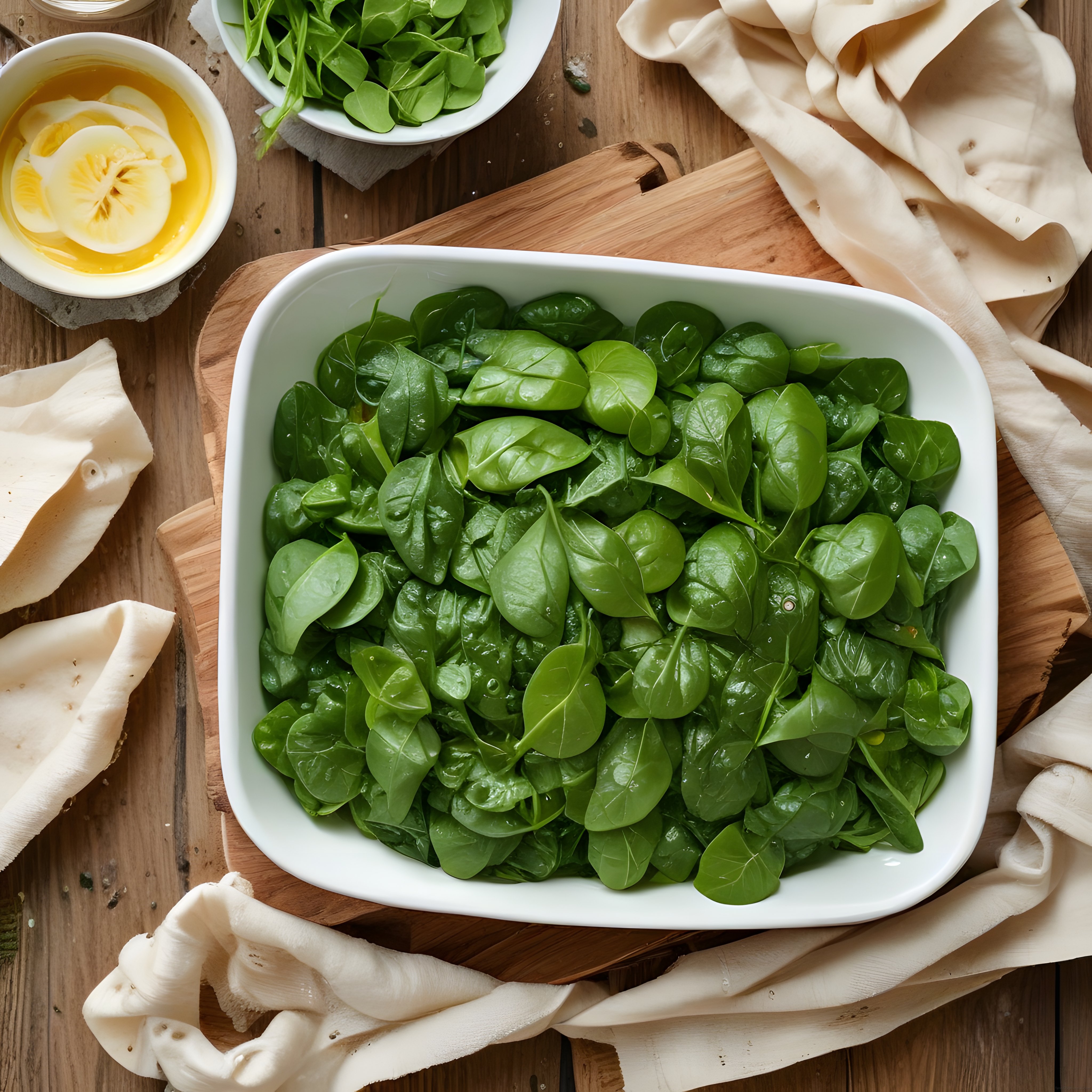
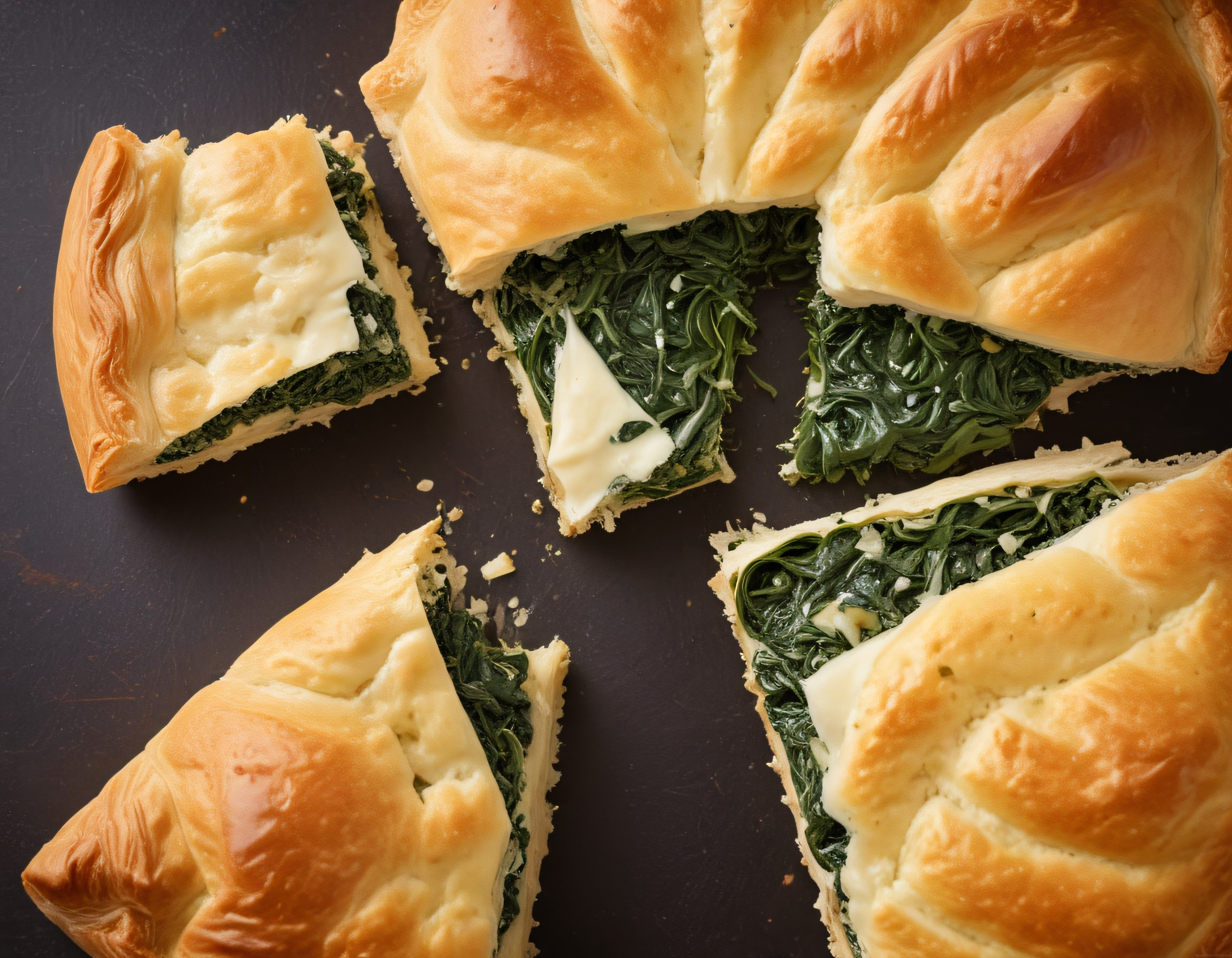
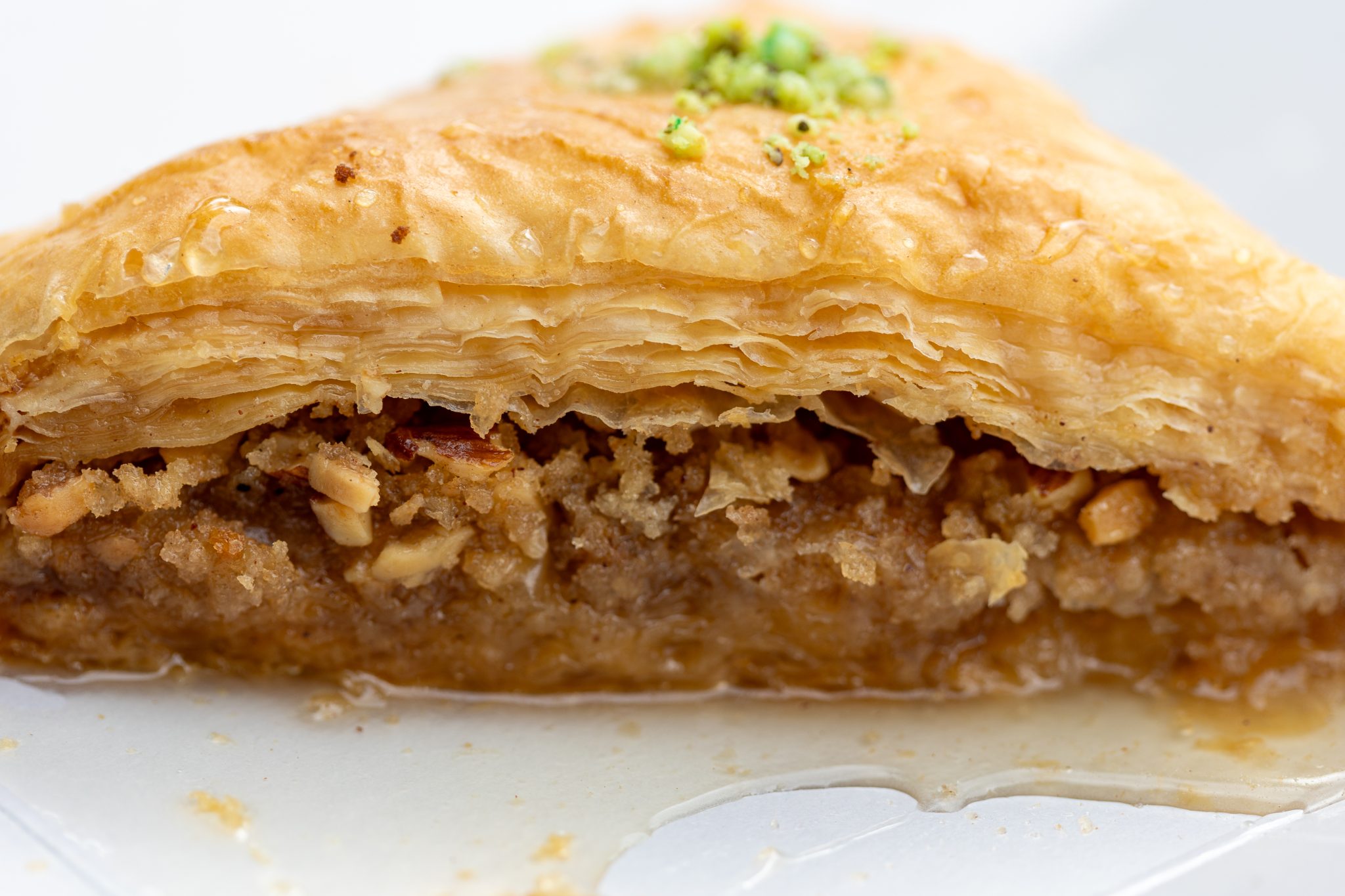
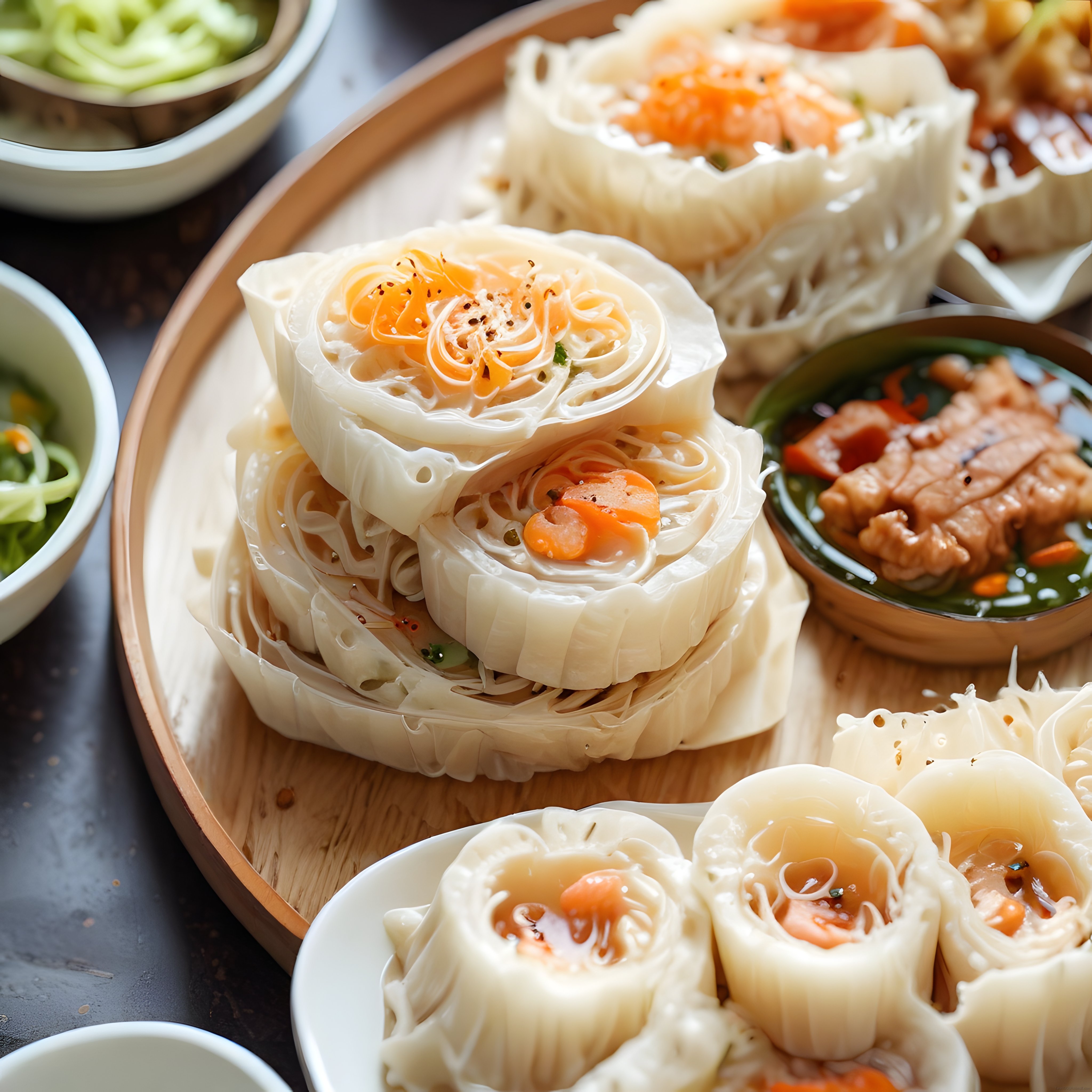
Çekim Tablosu
Belirtme (-i)yufkayı
Yönelme (-e)yufkaya
Bulunma (-de)yufkada
Çıkma (-den)yufkadan
Tamlayan (-in)yufkanın
Çoğul (-ler)yufkalar
Tanım
•isim: Oklava ile açılan ince, yuvarlak hamur yaprağı
•Sacda pişen bir ekmek türü
•katlama
•sıfat, mecaz: Zayıf, ince, dayanıksız olan
Diğer Dillerde
Almancaanfällig, angeschlagen, anmutig, anspruchsvoll, ausgesucht, behutsam /ˈanfɛlɪç/
susceptible, prone, vulnerable · fragile, delicate
çekim: karşılaştırma anfälliger · üstünlük am anfälligsten
köken: From Anfall + -ig.
Starkes Brot. — Yufka ekmeği ^
delicate · difficult, tricky · sensitive, thorny
köken: Inherited from Middle French delicat, borrowed from Latin dēlicātus.
aile: délicatement, délicatesse
Produit par Everybody On Deck. — 1 yufkanın tamamını tepsiye yayın.
İspanyolcadébil, deficiente, delicado, endeble, feble, flébil /ˈdebil/
weak
eş: frágil, frágil, quebradizo, enfermizo, pachucho, esmirriado
zıt: fuerte
köken: Probably borrowed from Latin dēbilis (“lame”). Compare endeble.
aile: debilísimo, débilmente, debilucho, eslabón más débil, interacción débil, interacción nuclear débil, punto débil, sexo débil
Se acompaña con pan. — Yufka ekmek ile yenir.
weak, dim, faint
çekim: üstünlük debolissimo
eş: atrofico, atono, fiacco, flaccido, floscio, fragile
zıt: forte
köken: From Latin debilis.
aile: debolezza, debolissimo, debolmente, deboluccio, elettrodebole, indebolire, interazione debole, interazione nucleare debole
È come in attesa, protesa in avanti. — Yufkadan kalın, pideden incedir.
Rusçaболе́зненный, делика́тный, изы́сканный, изя́щный, не́жный, не́мощный
и один круглый хлеб, одну лепешку на елее и один опреснок из корзины, которая пред Господом, — Huzurumdaki mayasız ekmek sepetinden bir somun, yağlı pide ve yufka al,
weak, feeble · thin, weakly · poor (of low quality), defective
çekim: karşılaştırma ضعیفتَر · üstünlük ضعیفتَرین
zıt: قوی
köken: Etymology tree Arabic ضَعُفَ (ḍaʕufa) Arabic ضَعِيف (ḍaʕīf)bor. Persian ضَعِیف Borrowed from Arabic ضَعِيف (ḍaʕīf), from ضَعُفَ (ḍaʕufa).
چون همه اوصاف و اجزا شد نحیف / خویشتنداری و صبرت شد ضعیف
delicate, fragile, sensitive; vulnerable
çekim: karşılaştırma daha həssas · üstünlük ən həssas
köken: Borrowed from Arabic حَسَّاس (ḥassās).
həssas məlumat
həssas məsələ
həssas əhali qrupu
Felemenkçebreekbaar, delicaat, fijn, fijnmazig, fragiel, teer /ˈbreːk.baːr/
breakable, fragile
çekim: karşılaştırma breekbaarder · üstünlük breekbaarst
eş: fragiel, bros, kwetsbaar, teder, delicaat, fijn
köken: From breek (“stem of breken”) + -baar.
aile: breekbaarheid
Portekizcedebilitado, fraco /de.bi.liˈta.du/
feeble (wanting force, vigor or efficiency in action or expression)
Tema: Pão Pão . — Yufka ekmeği ^
Yunancaάπλερος
immature, young · frail, delicate, slender
eş: άμεστος
Ετλί εκμέκ Χατσαπούρι Τσαντίκ — Merdane Yufka Yufka ekmeği ^ düzeni
Japonca弱々しい, 弱い, 脆弱な, 虚弱な /jo̞β̞a̠i/
weak, powerless, vulnerable, vincible, delicate · weak, inept, incompetent · low tolerance
zıt: 強い
köken: From Old Japanese 弱し (*yo₁wasi), from Proto-Japonic *yowa-. Although not phonetically attested in Old Japanese texts in man'yōgana, the name of a king varies between 目弱王 in the Kojiki and 眉輪王, read as mayo₁wa-WAU in the Nihon Shoki.
aile: 弱さ, 弱み, か弱い, ひ弱い
パン・ポット。 — Yufka ekmeği ^
弱い奴が強い奴の犠牲になるのは必然なんだ
数字に弱い
weak (see the usage notes below)
çekim: karşılaştırma klenare · üstünlük klenast
köken: Inherited from Old Swedish klen, from Old Norse klénn, from Middle Low German klên, klêne, from Old Saxon klēni, from Proto-Germanic *klainiz (“clear, pure”), from Proto-Indo-European *g(e)lēi- (“gleaming”), from *gel- (“to gleam”). Doublet of klenod and klenät.
aile: förklena, hjärtklen, klenhet, klenmod, klenmodig, klensmed, klensmide, klenspänning, klentro, klentrogen
För bröd. — Yufka ekmeği ^
Om man inte kan lyfta tunga grejer är man klen
klena armar
klena väggar
Lehçeczuły, delikatny, wczorajszy /ˈt͡ʂu.wɘ/
affectionate · tender, sensitive · sensitive (of a measuring instrument)
çekim: karşılaştırma czulszy · üstünlük najczulszy
köken: Etymology tree Proto-Slavic *čulъ Polish czuły Inherited from Proto-Slavic *čulъ.
aile: barwoczuły, nieczuły, czułe miejsce, czułość, naczulić, odczulić, odczulać, rozczulić, rozczulać, uczulić
Spożywa się na zimno z chlebem. — Yufka ekmek ile yenir.
Fincearkaluonteinen, hatara, hauras, heikko, hellävarainen, herkkä /ˈɑrkɑˌluo̯ntei̯nen/
sensitive, touchy, delicate (of an issue, capable of offending, upsetting or hurting)
çekim: karşılaştırma arkaluonteisempi · üstünlük arkaluonteisin
köken: arka + luonteinen
aile: arkaluonteisuus
Mukulajuuri (juurimukula) on muodostunut juuresta ja mukulavarsi (varsimukula) varresta. — KIVRATMA : Bolca fındık ve yufka ile yapılan bir tatlı çeşididir.
Çekçechabý, choulostivý, jemný, mdlý, neprůbojný, rozklepaný /ˈxabiː/
feeble, flimsy, weak · poor (inadequate)
çekim: karşılaştırma chabší · üstünlük nejchabší
köken: Inherited from Proto-Slavic *xabъ.
Podává se s chlebem. — Yufka ekmek ile yenir.
chabá útěcha
stupid
köken: Borrowed from French débile, from Latin debilis.
Băiatul mănâncă pâine. — Yufka ekmek ile yenir.
weak, feeble, frail
çekim: karşılaştırma erőtlenebb · üstünlük legerőtlenebb
köken: From erő (“strength, force, power”) + -tlen (“-less, without”, privative adjective-forming suffix).
aile: erőtlenség, erőtlenül, a lélek kész, de a test erőtlen
Kérge tompaszürke. — Yufka ekmeği ^
delicate, fine, gentle · fragile · gentle, sensitive
aile: עֲדִינוּת
ניתן לחלק את הסיגר לארבעה חלקים. — Yufkaları 4 eşit parçaya bölün.
Latincedebilis, dēlicātus, imbecillus, infirmus, invalidus, tener /ˈdeː.bɪ.lɪs/
weak, frail, feeble · lame, disabled, crippled, infirm, debilitated
çekim: karşılaştırma dēbilior · üstünlük dēbilissimus
zıt: praevalēns, fortis, potis, potēns, validus, strēnuus
köken: Disputed. By surface analysis, the term is an adjective formed according to the model of terms such as inermis. It has been proposed that the term may derive from dēbeō (“to owe”) in the manner as habilis (“able to have”), from habeō (“to have, hold”). However, according to De Vaan, the form dēbilis is isolated within Latin and therefore likely archaic, in which case it may preserve an older…
aile: dēbilitās
Ita est utraque rēs sine alterā dēbilis.
Norveççeblek, svak
Her er det vanlig med supper. — Tarhana çorbası, yufka böreği gelenekseldir.
Bulgarcaделикатен, изтънчен, нежен, немощен, слаб, хилав /isˈtɤnt͡ʃɛn/
civilized, refined, sophisticated
çekim: karşılaştırma по́-изтъ́нчени · üstünlük на́й-изтъ́нчени
За здравия човек най-подходящ е пълнозърнестият хляб. — Yufka ekmeğinin en önemli özelliği dayanıklı olmasıdır.
Slovencebetéžen
Resti se pripravi iz naribanega krompirja, ki se speče. — Pekmezli omaç eritilmiş pekmeze yufka ekmeği doğranılarak hazırlanır.
poor (not good) · small, little · slight
çekim: karşılaştırma menkiaũ · üstünlük menkiáusia
köken: From Proto-Indo-European *menk- (“to lack”). Cognate with Middle High German manc f (“lack”), Tocharian B mänk- (“to be deprived of, lack”), and possibly Latin mancus (“maimed, crippled, faulty”).
Sriubos tradiciškai yra būtinas pietų patiekalas. — Tarhana çorbası, yufka böreği gelenekseldir.
Letoncanespēcīgs, niecīgs, vājš, vārgs /vâːjʃ/
weak (not having well developed muscles) · weak, poor (which works badly, has little or no strength) · weak (without courage, without strength in a difficult situation; vulnerable to negative influences, temptation, etc.)
çekim: karşılaştırma vājāks · üstünlük visvājākais
eş: jēls, švaks
zıt: stiprs, spēcīgs
köken: From Proto-Indo-European *wāy-, *way- (“weak”), perhaps derived from *h₂weh₁- (“to blow”). Initially there were u- and o-stem forms (compare Lithuanian dialectal vójus (“weak, sick”), Latvian dialectal vājs); ultimately replaced by a yu-stem variant, yielding standard language vājš. On the meaning change, compare pūst, both “to move, advance with the wind blowing” and “to moan, to complain.”…
aile: pavājš, vājdzirdīgs, vājdzirdīgums, vājdzirdība, vājība, vājprātīgs, vājprātīgums, vājprātība, vājredzīgs, vājredzīgums
vājš bērns
vājais dzimums
vājš suns
feeble, frail, weak, infirm · sickly, valetudinarian · senile, decrepit
çekim: karşılaştırma nõdrem · üstünlük kõige nõdrem
köken: From Proto-Finnic *nëtra. Cognates include Finnish nöyrä (“humble; flexible”), Livonian nõ’ddõrz (“weak, small”), Votic nõdrõ (“weak, frail; flexible; thin; humble”), Ingrian nodra (“flexible; weak”), Livvi n'eyry (“skilful”) and Karelian neyrä (“humble; bad, weak, poor; windy; skilful; smart”).
aile: nõdruke, nõtrus, nõdrendama, nõdrenema, nõtruma, vanadusnõder, nõdrameelne
Värskeid võrseid ja pungi süüakse salatina ja isegi marineeritakse. — Taze yaprakları salata olarak ya da yufkaya sarılıp çiğ olarak da yenir.
Küll tean, küll mõistan, palju oleks / Sul pärida ſu poja käeſt, / Küll tunnen, mis mul teha tuleks, / Kuid käevars on nõder wäeſt.
Ja kus näib teine nõdrem ees, / seal iga kergatski on mees!
Taycaบอบบาง, ละเอียด, ละเอียดอ่อน /la˦˥.ʔia̯t̚˨˩/
detailed; thorough.
Katalancadèbil /ˈdɛ.bil/
weak
zıt: fort
köken: Borrowed from Latin dēbilis (“weak”).
aile: interacció nuclear dèbil
Etimoloji
Inherited from Ottoman Turkish یوفقه (yufka), from Proto-Turkic *yubka (“thin, slender”).
Örnek Cümleler
Falafel Yufka ekmeği
Falafel Saj bread (also known as yufka) Markook shrek
Tom'un yüreği yufkalaştı.
Tom has gone soft.
Geri kalan yufkalarla da bu işlemi tekrarlayın.
Repeat with the remaining filo sheets.
Yufka ekmeği buğdayın lezzetine bağlı olarak doyumsuzdur.
It is not very sweet to the human taste.
Çünkü İbrahim, çok yumuşak huylu ve çok yufka yürekli (yanık kalbli) idi.
Abraham was kind, compassionate, and penitent.
Baklava, içi kıyılmış fındıkla doldurulmuş ve balla ıslatılmış yufkadan yapılır.
Baklava is made of filo pastry filled with chopped nuts and soaked in honey.
İlgili / Bileşik Terimler
Genelsoft-hearted
Geneltenderhearted
Birleşik Kelimeler
yufka ekmeğiyufka kebabıyufka yürekliarkası yufkabağrı yufkasırtı yufkayüreği yufka