Sözlük
/nadir
nadir
"nadir" kelimesinin İngilizcesi: rare, curious, extraordinary, infrequent, rare. Anlamı, çevirisi, telaffuzu ve örnek cümleler aşağıdadır.
Çeviri
Genelrareadj
Genelcurious
Genelextraordinary
Genelinfrequent
Genelrare
Genelrecherche
Genelscarce
Geneluncommon
Genelunusual
Genelscarce
Genelscarce
Genelscarce
Görsel
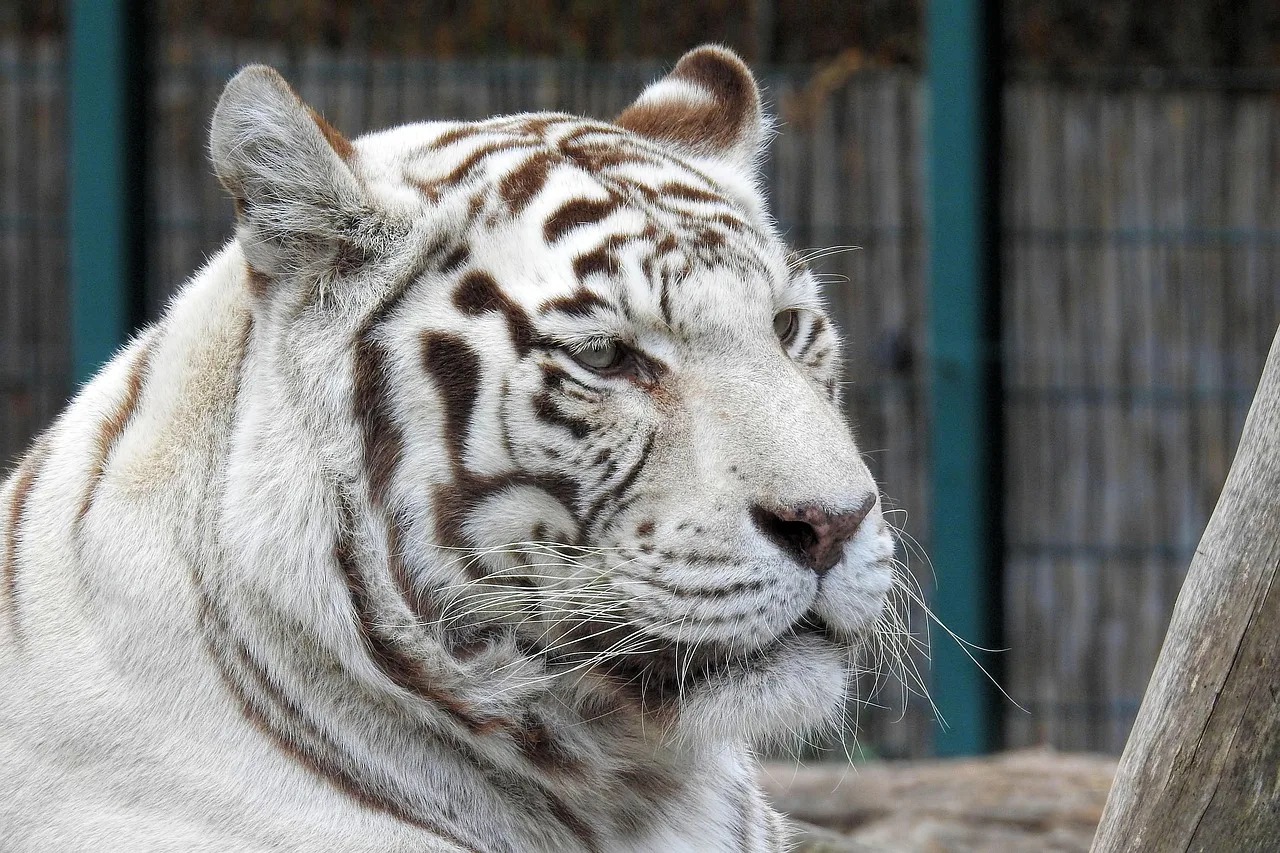
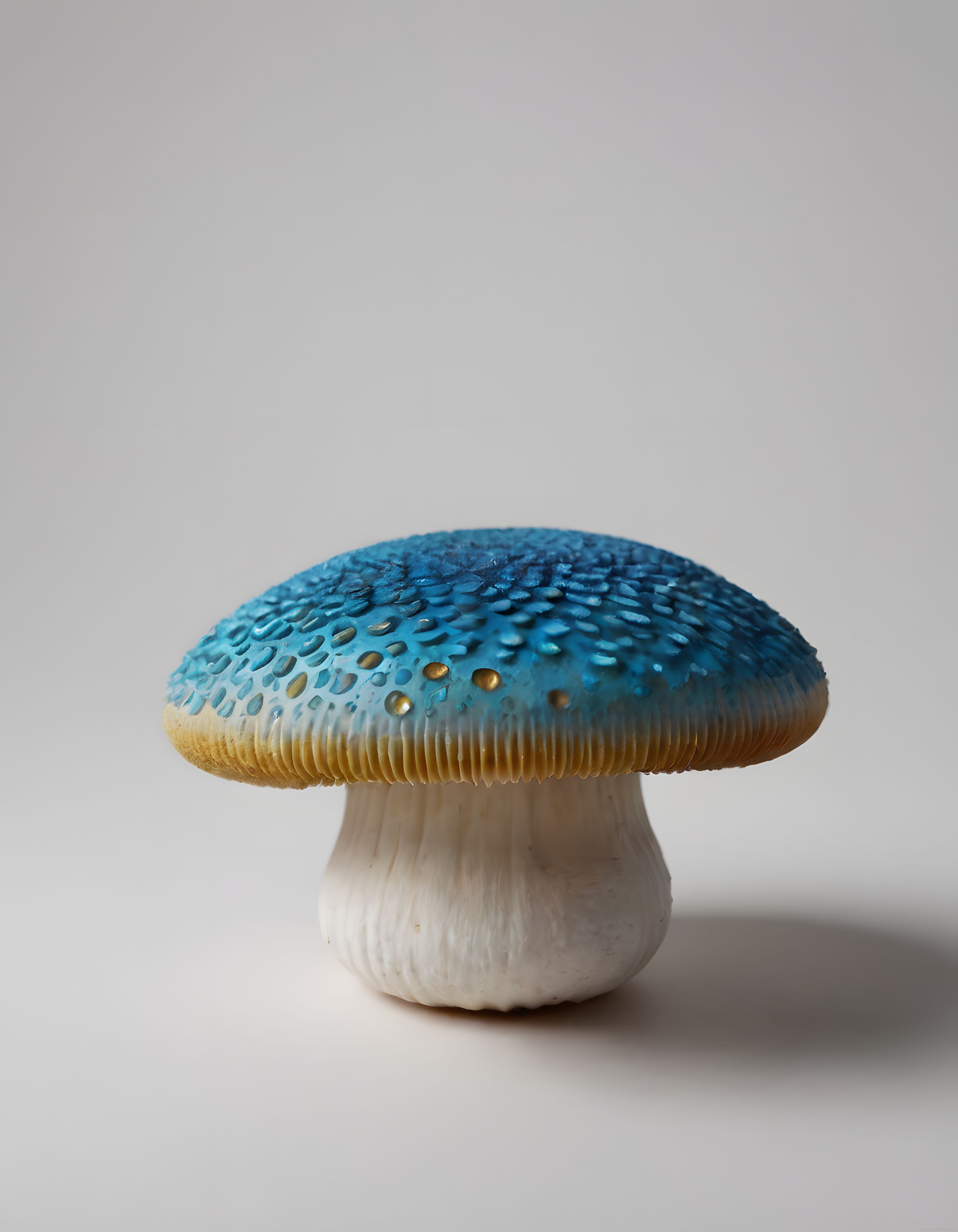
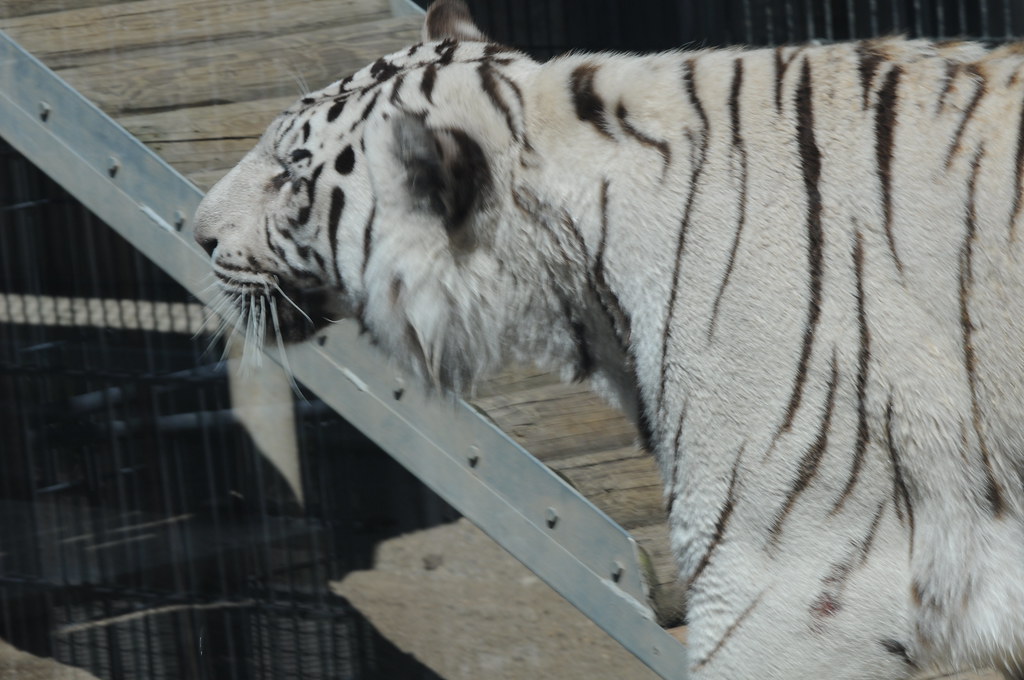
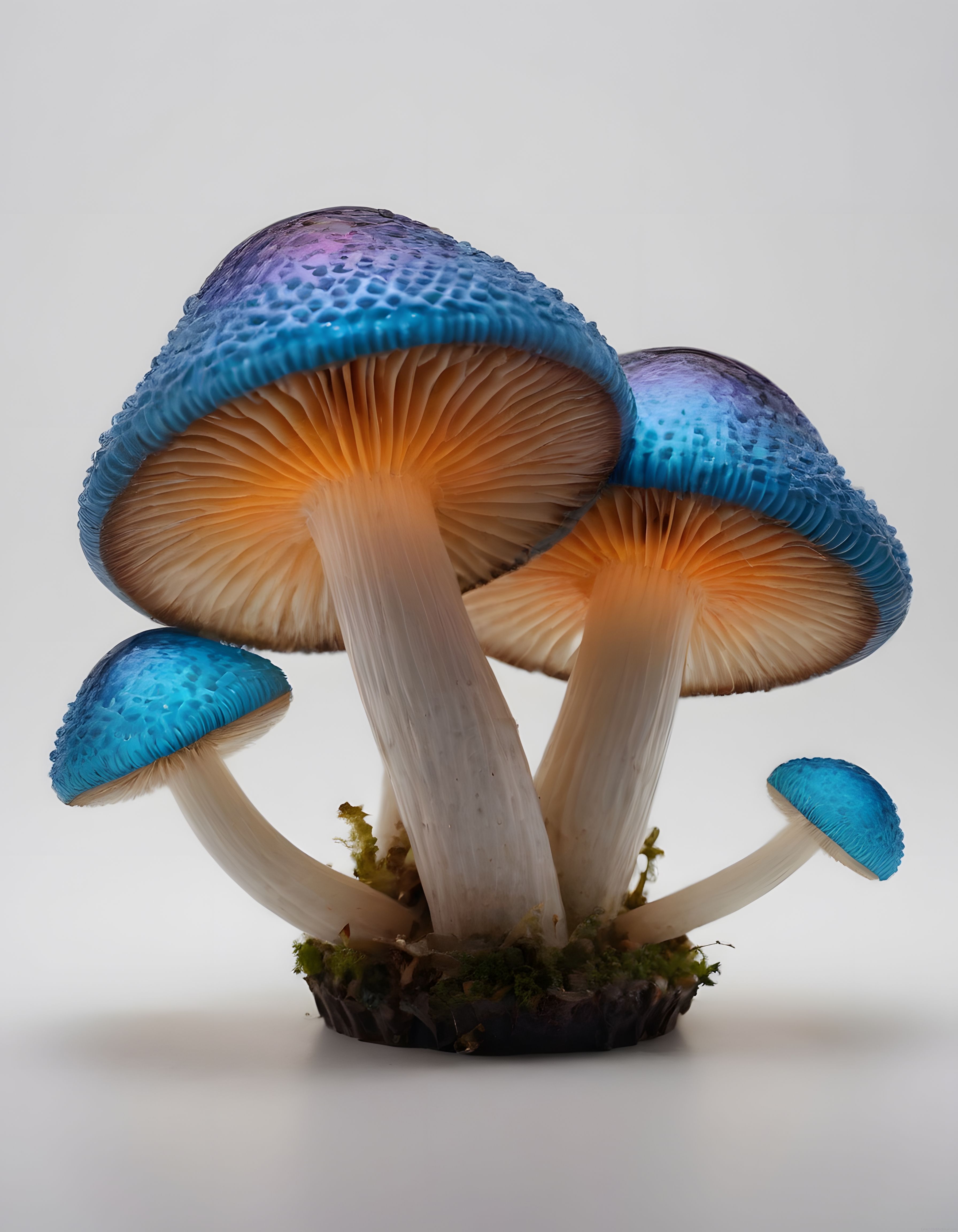
Tanım
•sıfat: Az bulunur; turfa
•zarf: seyrek
Diğer Dillerde
Almancablutig, englisch, kurios, neugierig, rar, selten /ˈbluːtɪç/
bloody, bleeding and/or covered in blood · violent, with bloodshed · rare (cooked very lightly)
çekim: karşılaştırma blutiger · üstünlük am blutigsten
eş: blutbefleckt, blutbespritzt, blutbesudelt, bluttriefend, blutüberströmt, blutverschmiert
köken: Blut (“blood”) + -ig (“-y”), or from Middle High German bluotec, bluotic.
Heute ist die Art selten. — Bu tip bugün nadirdir.
Fransızcacurieux, peu commun, rare, saignant /ky.ʁjø/
curious, inquisitive, intrigued, wondering; possessing curiosity · curious, unusual, interesting, quaint; inducing curiosity
çekim: çoğul curieuse
köken: Borrowed from Latin cūriōsus (“careful, attentive, inquisitive”).
aile: curieusement
Il ne vient que rarement. — Nadiren gelmez.
C'est un garçon curieux.
C'est un curieux garçon.
İspanyolcacrudo, curioso, extraño, insólito, jugoso, muy incomún /ˈkɾudo/
raw (uncooked) · undercooked, rare, underdone · crude (being in a natural state)
çekim: çoğul crudos
eş: indigesto, beige, beis, castaño, ocre, verde
köken: Inherited from Old Spanish crudo, borrowed from Latin crūdus (compare French cru, Italian crudo). Compare the inherited Old Spanish cruo.
aile: en crudo, jamón crudo, llevarlo crudo
Rara vez aparece. — Nadiren rastlanır.
İtalyancaal sangue, interessato, strano
rare (cooked very lightly)
È veramente raro. — Gerçekten nadir.
Редко используемое. — Nadiren kullanılır.
curious, inquisitive
çekim: karşılaştırma daha maraqcıl · üstünlük ən maraqcıl
köken: From maraq + -cıl. Attested since at least 2004.
Felemenkçeapart, halfrauw, nieuwsgierig, zeldzaam /aːˈpɑrt/
separate · unusual
çekim: karşılaştırma aparter · üstünlük apartst
köken: Borrowed from Middle French a part.
aile: apartheid
Zeer zeldzaam. — Çok nadirdir.
Hij draagt zeer aparte hoeden.
Portekizcenadir (eril) /naˈd͡ʒi(ʁ)/
nadir (point of the celestial sphere directly under the place where the observer stands) · nadir (the lowest point)
çekim: çoğul nadires
Raramente aparece. — Nadiren rastlanır.
curious (eager to learn; inquisitive) · strange, peculiar, curious
köken: From Ancient Greek περίεργος (períergos, “investigative, curious”), from περι- (peri-, “peri-, around”) + ἔργον (érgon, “work”).
Είναι σπάνια. — Çok nadirdir.
rare (cooked very lightly; chiefly of beefsteak) · rare (uncommon)
köken: From English rare.
めったに発生しない。 — Nadiren rastlanır.
Korece궁금하다, 기이한, 드물다, 호기심이 많은, 희귀(稀貴)하다, 희박(稀薄)하다 /kuŋɡɯmɦa̠da̠/
to be curious · to be ravenous
köken: 궁금 (gunggeum, "hollow, empty") + -하다 (-hada, “to do”, light verb deriving adjectives).
나는 그 수수께끼의 답이 너무 궁금하다.
혹시 궁금한 점 있으신가요?
strange, odd, peculiar
çekim: karşılaştırma besynnerligare · üstünlük besynnerligast
köken: From Old Swedish besynnerliker, superficially equivalent to be- + synnerlig. Cognate of Danish besynderlig, Dutch bijzonderlijk, German besonderlich. See also Dutch bijzonder, German besonders.
Den är sällsynt. — Çok nadirdir.
Lehçeciekawy, dociekliwy, krwisty, rzadki /t͡ɕɛˈka.vɘ/
curious, interested (wanting to find out more) · curious, interested (characteristic of someone wanting to find out more) · curious, interesting (evoking curiosity or interest in people)
çekim: karşılaştırma ciekawszy · üstünlük najciekawszy
eş: zaciekawiony, dociekliwy, interesujący, ruchliwy
zıt: nieciekawy
köken: Etymology tree Proto-Indo-European *tekʷ- Proto-Balto-Slavic *tek- Proto-Slavic *teťi Old Polish ciec Polish ciec Proto-Indo-European *-h₂ Proto-Indo-European *-éh₂ Proto-Indo-European *-yéti Proto-Indo-European *-eh₂yéti Proto-Balto-Slavic *-ā́ˀtei Proto-Slavic *-ati Old Polish -ać Polish -ać Polish ciekać Proto-Slavic *-avъ Old Polish -awy Polish -awy Polish ciekawy From ciekać + -awy with a…
aile: arcyciekawy, ciekawski, nieciekawy, przeciekawy, ciekawość, ciekawić
Bardzo rzadko atakuje ludzi. — İnsana nadir saldırır.
Зустрічаються рідко. — Nadiren rastlanır.
eager, keen, intent
köken: Borrowed from Sanskrit उत्सुक (utsuka).
Finceerikoinen, harva, harvinainen, outo, raaka, sisältä raaka /ˈerikoi̯nen/
special, exceptional, out of the ordinary · peculiar, odd, strange · distinctive, characteristic, particular, typical
çekim: karşılaştırma erikoisempi · üstünlük erikoisin
köken: eri (“different”) + -koinen
aile: erikoisesti, erikoisuus, erikoista kyllä, kenttämestarin erikoinen, erikoistaa, erikoisaikakauslehti, erikoisajoneuvo, erikoisala, erikoisammattitutkinto, erikoisartikkeli
Jokseenkin harvinainen. — Çok nadirdir.
bloody · gory · rare
çekim: karşılaştırma krvavější · üstünlük nejkrvavější
köken: Inherited from Old Czech krvavý, from Proto-Slavic *krъvavъ, from *kry.
Lidské oběti nebyly zřídkavé. — Açlık nadir değildi.
bizarre
köken: Borrowed from French bizarre.
E destul de rar. — Çok nadirdir.
curious
çekim: karşılaştırma kíváncsibb · üstünlük legkíváncsibb
köken: kíván + -csi, created during the Hungarian language reform, which took place in the 18th–19th centuries.
aile: kíváncsian, kíváncsiság, kíváncsiskodik, aki kíváncsi, hamar megöregszik
Ritkán fordul elő. — Nadiren rastlanır.
please, if you please
köken: Related to Classical Syriac ܢܹܐ (nē, “please”) and probably related Arabic نِيَّة (niyya, “inclination”), see the meanings of its root.
נא לא לעשן במסעדה, גברתי.
נֵלֲכָה נָּא דֶּרֶךְ שְׁלֹשֶׁת יָמִים בַּמִּדְבָּר
Latincecūriōsus, rārus, studiōsus
strange
çekim: karşılaştırma mere besynderlig · üstünlük mest besynderlig
köken: From Middle Low German besunderich. Cf. synderlig.
aile: besynderlighed
Meget sjælden. — Çok nadirdir.
Norveççenysgjerrig, skjelden
Den er sjelden. — Çok nadirdir.
seldom; rarely, not often
zıt: sering, kerap
köken: From Malay jarang.
Hampir tidak pernah digunakan. — Nadiren kullanılır.
rare; scarce
aile: đất hiếm, hiếm hoi, hiếm khi, hiếm muộn, khan hiếm, khí hiếm, kim loại hiếm, quí hiếm, quý hiếm
Thường hiếm gặp. — Nadiren rastlanır.
Etimoloji
Osmanlı Türkçesi نادر (nâdir) sözcüğünden devralındı, Arapça نَادِر (nādir) sözcüğünden.
Eş & Zıt Anlamlılar
Zıt anlamlılar
Örnek Cümleler
Çok nadir.
It's so rare.
O nadir mi?
Is that uncommon?
Bu çok nadir.
It's very rare.
O nadir biri.
That's an unusual one.
O biraz nadir.
That's kind of rare.
Gerçekten nadir.
It's really rare.
Tom nadiren kızar.
Tom rarely gets angry.
O nadiren evdedir.
He is seldom home.
Tom nadiren güler.
Tom seldom laughs.
O nadiren vazgeçer.
He rarely gives up.
Ağaçlar çok nadirdi.
The trees were very scarce.
Bu son derece nadir.
It's extremely rare.
İlgili Sorular
12 yaşındaki çocuğum babasıyla birlikte, babası nadiren nafaka veriyor; hâlâ bana geri ödeme yapması gerekiyor mu?
Sağ böbreğimde iki taş var, sırt ağrısı ve nadiren böbrek ağrısı çekiyorum. Evde taşları eritmek için bir yöntem önerebilir misiniz?
Ben on altı yaşındayım ve uzun süredir çok güzel bir kızla birlikteyim. Onunla vakit geçirmek bir rüya gibi; hiç tartışmadık ve elini tutmak bile beni hâlâ heyecanlandırıyor. İkimiz de dindar Hristiyanız. Bir gün evlenip ileride aile kurmayı konuştuk. Fakat bir sorun var: Kız on beş ve nadir bir kalp hastalığı yüzünden zaman zaman çok hasta oluyor, hareket edemeyecek kadar yorgun ve güçsüz. Ona tamamen bağımlı olduğum için çok korkuyorum.
Reno NV bölgesinde nadir bulunan, banyo için uygun bir doğal kaplıca var mı?
Babam çocuğuma nadiren nafaka ödeyince, şu an oğlum babasıyla yaşıyor; bana hâlâ borçlu mu?
İlgili / Bileşik Terimler
Genelrare earth element