Sözlük
/koyu
koyu
"koyu" kelimesinin İngilizcesi: dark, deep, dense, somber, stiff. Anlamı, çevirisi, telaffuzu ve örnek cümleler aşağıdadır.
Çeviri
Geneldarkadj
Geneldeepadj
Geneldense
Genelsomber
Genelstiff
Genelsubfuse
Geneltenebrous
Genelthick
Genelabysmal
Geneldark
Görsel


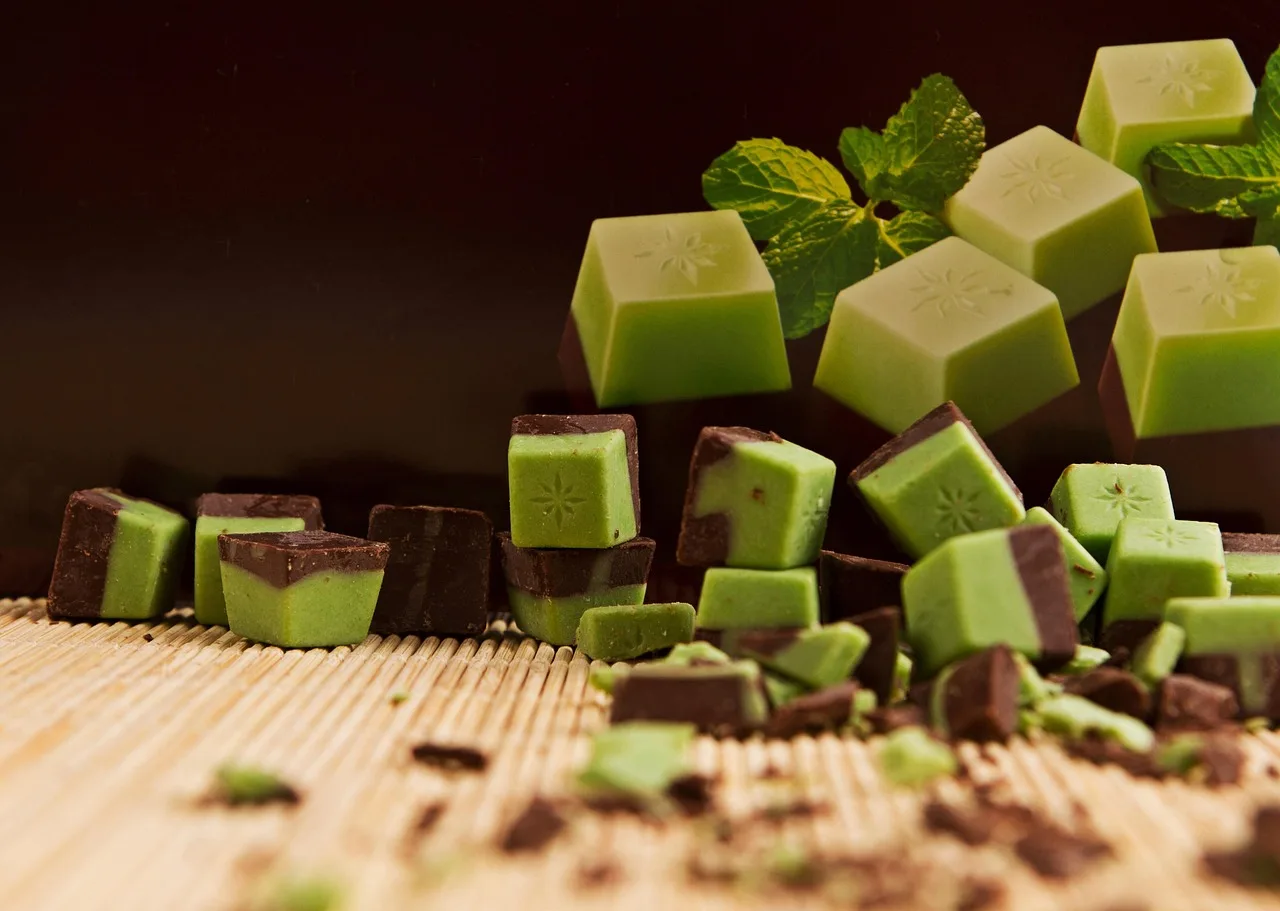
Tanım
•sıfat: Yoğunluğundan dolayı güç akan, sulu karşıtı
•Rengi açık olmayan, daha belirgin olan, açık karşıtı
•bilişim: Yazı karakterinin daha kalın olarak yazılmış biçimi
•mecaz: Aşırı olan (davranış, düşünce vb.)
•mecaz: Derin, çok hararetli; kıpkızıl
Atasözü & Deyim
“Ak koyunu gören içi dolu yağ sanır”
“Ak koyunun kara kuzusu da olur”
“Görünen dağın (köyün) uzağı olmaz”
“Her koyun kendi bacağından asılır”
“Herkesin aklı bir olsa koyuna çoban bulunmaz”
Diğer Dillerde
Almancadunkel, Dunkel, Dunkelheit, Dunkelwerden, düster, finster /ˈdʊŋkəl/
dark · deep · vague, faint
çekim: karşılaştırma dunkler · üstünlük am dunkelsten
eş: finster, dunkelfarben, dunkelfarbig, tief
zıt: hell, hoch
köken: From Middle High German tunkel, from Old High German tunkal, tuncal (“dark”), from Proto-Germanic *dunkalaz (“dark”), from Proto-Indo-European *dʰengʷ- (“to smoke, fume”). The modern consonantism is Central and Low German (compare Middle Low German dunker, also dunkel). Cognate to Dutch donker (“dark”).
aile: dunkelblau, dunkelblond, dunkelbraun, dunkelgelb, dunkelgrau, dunkelgrün, Dunkelheit, Dunkelkammer, dunkeln, dunkelrot
Dunkel 1 — Koyu 1
Im Winter wird es früher dunkel.
Das dunkle Rot gefällt mir besser.
Er hat schon eine ganz dunkle Stimme.
thick · stupid, thick
köken: Inherited from Middle French espés, from Old French espés, from Latin spissus, from Proto-Indo-European *spidtos.
aile: avoir le cuir épais, épaisseur, épaissir, épaississant
& Gras — & Koyu
un livre épais
des cheveux épais
une épaisse fumée
to become night, to get dark · to be somewhere by dark
çekim: geçmiş anochecí · ortaç anochecido · şimdiki anochece
köken: From a- + Latin noctēscere (“to grow towards night, grow dark”), from nox, noctis (“night”), or from a- + noche + -ecer. Compare Asturian anochecer, Extremaduran anochecel, Galician anoitecer, Leonese anuchecere, anochecere, Mirandese anuitecer, Portuguese anoitecer.
Oscuro 1 — Koyu 1
İtalyancabuio, esteso, fosco, oscurità, profondo, scuro /ˈbu.jo/
dark (contrary of luminous)
çekim: çoğul bui
eş: cupo, fosco, oscuro, scuro, senza luce, tetro
köken: From Vulgar Latin *burius (“red, dark”), either from Latin furvus (“dark, dusky”) or Latin burrus (“reddish-brown”).
aile: al buio, rabbuiarsi
& Grassetto — & Koyu
E nel buio sognavo la tua mano leggera.
Rusçaгустой; насыщенный, настоящий, истинный, истый, махровый, перен. густой (о цвете), тёмный, чрезмерный /t͡ɕ(ɪ)rʲɪzˈmʲernɨj/
excessive
eş: избыточный
köken: чрез- (črez-) + ме́ра (méra) + -ный (-nyj)
aile: чрезме́рность
Полужирный — & Koyu
hidden, unseen, secret · covered, shrouded · occult
çekim: karşılaştırma پنهانتَر · üstünlük پنهانتَرین
zıt: پیدا
köken: From Middle Persian [Book Pahlavi needed] (PWN /pad/, “to, at, in, on”) + Middle Persian [Book Pahlavi needed] (nyhʾn' /nihān/, “concealment, secrecy”). originally a contraction of elements equivalent to New Persian به (be, “in”) + نهان (nehân, “hiding”), i.e. "in hiding".
aile: پنهان کردن, پنهان شدن
سالها این راز پنهان بود در قلب زمین[…]
زمین پنهان شد اندر موج باران، که از هر سو درآمد بی محابا.
Azericeavamlıq, cahillik, cəhalət, dərin, nadanlıq, qara /dæˈrin/
deep
çekim: karşılaştırma daha dərin · üstünlük ən dərin
zıt: dayaz
köken: From Proto-Turkic *teriŋ (“deep”). Cognate with Turkish derin, Bashkir тәрән (tərən), Chuvash тарӑн (tarăn) etc.
aile: dərinlik
dərin göl
dərin yara
dərin fikir
dark, black, gloomy, sombre
köken: Inherited from Proto-Turkic *karangu.
aile: қараңғылық
Özbekçeqorongʻi, qorongʻu
thick · cool, nice
çekim: karşılaştırma dikker · üstünlük dikst
eş: vet
zıt: slank, dun
köken: From Middle Dutch dicke, from Old Dutch *thicki, from Proto-West Germanic *þikkwī, from Proto-Germanic *þekuz, from Proto-Indo-European *tégus.
aile: aandikken, dikbekfuut, dikbladig, dikhoornschaap, dikhuid, dikhuidig, dikke lul, dikke mik, dikke prima, dikkerd
Dark 1 — Koyu 1
Portekizceanoitecer, cair da noite, de fundo, escuridão, escuro, espesso /a.noj.teˈse(ʁ)/
to darken (as night approaches)
çekim: geçmiş anoiteci · ortaç anoitecido · şimdiki anoitece
eş: anoutecer, entardecer, ocaso
köken: From Old Galician-Portuguese anoitecer. By surface analysis, a- + noite (“night”, noun) + -ecer. Compare Galician anoitecer, Spanish anochecer.
Escuro 1 — Koyu 1
Yunancaβαθύς, σκοτάδι, σκοτεινός, σκούρος, σούρουπο /vaˈθis/
deep (downward or sometimes inward) · deep, dark (of shades and colours) · profound, deep
çekim: karşılaştırma βαθύτερος · üstünlük βαθύτερος
zıt: ρηχός
köken: Inherited from Ancient Greek βαθύς (bathús).
Έντονη — & Koyu
βαθύ μπλε
dark; unlighted · backward; unenlightened; evil; corrupt; sordid; dark
eş: 烏暗, 乌暗
zıt: 光明
aile: 烏同黑暗, 乌同黑暗, 黑暗世界, 黑暗史, 黑暗地獄, 黑暗地狱, 黑暗大陸, 黑暗大陆, 黑暗料理, 黑暗時代
(1村) — Köyün [[
他們被人驅趕進入一個黑暗的地牢。
他们被人驱赶进入一个黑暗的地牢。
光照在黑暗裏,黑暗卻不接受光。
İsveççedjup, djupsinnig, låg, mörk, mörker /jʉːp/
deep (having a certain or great depth, sometimes more abstractly) · deep, profound · deep (low in pitch)
çekim: karşılaştırma djupare · üstünlük djupast
köken: From Old Swedish diūper, from Old Norse djúpr, from Proto-Germanic *deupaz, from Proto-Indo-European *dʰewb-.
aile: djupgående, djuplodande, vara ute på djupt vatten
Mörk 1 — Koyu 1
Hur djup är sjön?
en djup sjö
en djup vertikal spricka
dark (a complete or (more often) partial absence of light)
çekim: çoğul ciemności · tamlayan ciemności
eş: mrok, ćma, ciemń, gw. (Mazowsze) ćmok
zıt: jasność
köken: Etymology tree Proto-Indo-European *temH- Proto-Balto-Slavic *tímāˀ Proto-Slavic *tьma Proto-Indo-European *-nós Proto-Balto-Slavic *-inas Proto-Slavic *-ьnъ Proto-Slavic *tьmьnъ Old Polish ciemny Proto-Indo-European *-Hostis Proto-Balto-Slavic *-astis Proto-Slavic *-ostь Old Polish -ość Old Polish ciemność Polish ciemność Inherited from Old Polish ciemność. By surface analysis, ciemny + -ość.
Pogrubienie — & Koyu
W ciemności schodzi moja dusza, W ciemności toń bezdenną, Pól elizejskich już nie widzi, Zawisła nad Gehenną. […]
Ciemności kryją ziemię i lud we śnie leży […]
Przenikaliśmy wciąż głębiej i głębiej w jądro ciemności. […]
Ukraynacaглибо́кий, гли́боко, те́мний
& Жирний — & Koyu
Hintçeअंधेरा, गहरा, गुप्त, छिपा हुवा, श्यामल (eril) /ən.d̪ʱeː.ɾɑː/
alternative spelling of अँधेरा (andherā)
çekim: çoğul अंधेरे
aile: अँधेरा कूप, अँधेरा पक्ष, अँधेरा पाख, अँधेरे उजाले, अँधेरे उजेले, अँधेरे घर का उजाला, अँधेरे मुँह, मुँह अँधेरे
low (small in height) · low (situated close to, or even below, the ground) · shallow (not extending far down relative to breadth or width)
çekim: karşılaştırma matalampi · üstünlük matalin
zıt: korkea, syvä
köken: From Proto-Finnic *matala.
aile: madaltaa, matalahko, matalasti, matalikko, mataloittaa, mataloitua, mataluus, matala-aktiivinen, matala-aktiivisuus, matala-annoksinen
& Lihavoitu — & Koyu
matala aita
matala huone
matala pöytä
deep
çekim: karşılaştırma hlubší · üstünlük nejhlubší
eş: nízký, zásadní
zıt: mělký
köken: Inherited from Old Czech hluboký, from Proto-Slavic *glǫbokъ.
aile: hloubit, hloubka, hlubina, zhluboka
Soumrak 1 — Koyu 1
Voda byla příliš hluboká.
Rumenceadânc, adâncime, închis, întunecat, întuneric, murg /aˈdɨnk/
deep · profound · serious
köken: Inherited from Latin aduncus.
aile: adânci, adâncime
& bold — & Koyu
Apa era foarte adâncă.
Au săpat două gropi adânci.
Macarcamély, sötét, sötétedés, sötétség, tudatlanság /ˈmeːj/
deep (having its bottom far down) · fast (deep or sound)
çekim: karşılaştırma mélyebb · üstünlük legmélyebb
zıt: sekély
köken: From Proto-Ugric *melɜ (“deep”). Cognates include Northern Mansi мил (mil). and Eastern Khanty мәԓ (məł, “deep”).
aile: mélyed, mélyen, mélyeszt, mélyít, mélység, mélyül, mélyépítés, mélyfúrás, mélyhegedű, mélyhűtés
félkövér — & Koyu
darkness · evil, forces of darkness
çekim: çoğul חושככם
köken: Cognate with Aramaic חשכא.
aile: הרי החושך
& מודגש — & Koyu
Latincealtus, annoctatio, creper, fuscus, obscuritas, obscūrus /ˈaɫ.tʊs/
high, tall · deep · profound
çekim: karşılaştırma altior · üstünlük altissimus
zıt: brevis, demissus, sordidus
köken: Etymology tree Proto-Indo-European *h₂el- Proto-Indo-European *h₂eltós Proto-Italic *altos Latin altus From altum, supine of alō (“grow”). Corresponds to Proto-Italic *altos, from Proto-Indo-European *h₂eltós, a suffixed form of the root *h₂el- (“grow, nourish”) (compare Proto-Germanic *aldaz, whence English old.
aile: altē, altipendulus, altipeta, altisonus, altispex, altitonāns, altitūdō, altiusculus, altivolus
broad, wide
çekim: karşılaştırma bredere · üstünlük bredest
zıt: smal
köken: From Old Danish breth, from Old Norse breiðr, from Proto-Germanic *braidaz. Cognate with Old English brad.
Mørk 1 — Koyu 1
Etimoloji
köy + -ü
Deyimler
Eş & Zıt Anlamlılar
Örnek Cümleler
& Koyu
& Bold
Koyu 1
Dark 1
En koyu
Darkest
Koyu Mor
Dark Magenta
Koyu Gri
Dark Gray
Ve koyun.
And there's the sheep.
Koyu Mavi
Dark Blue
Koyu sarı
Dark Yellow
Daha koyu
Darker
Lazo köyü
Lazo town
İşe koyul.
Get started.
Köyün adı.
Name of the Village.
İlgili Sorular
İlgili / Bileşik Terimler
Genelsky blue
Genelblack coffee
Genelblood red
Birleşik Kelimeler
koyu grikoyu kahverengikoyu kestanekoyu kırkoyu kırmızıkoyu koyukoyu lacivertkoyu mavikoyu pembekoyu sarıkoyu turuncukoyu yeşil