Sözlük
/kik
kik
TR → EN
↔ ters çevir"kik" kelimesinin İngilizcesi: shell. Anlamı, çevirisi, telaffuzu ve örnek cümleler aşağıdadır.
Çeviri
Genelshell
Görsel
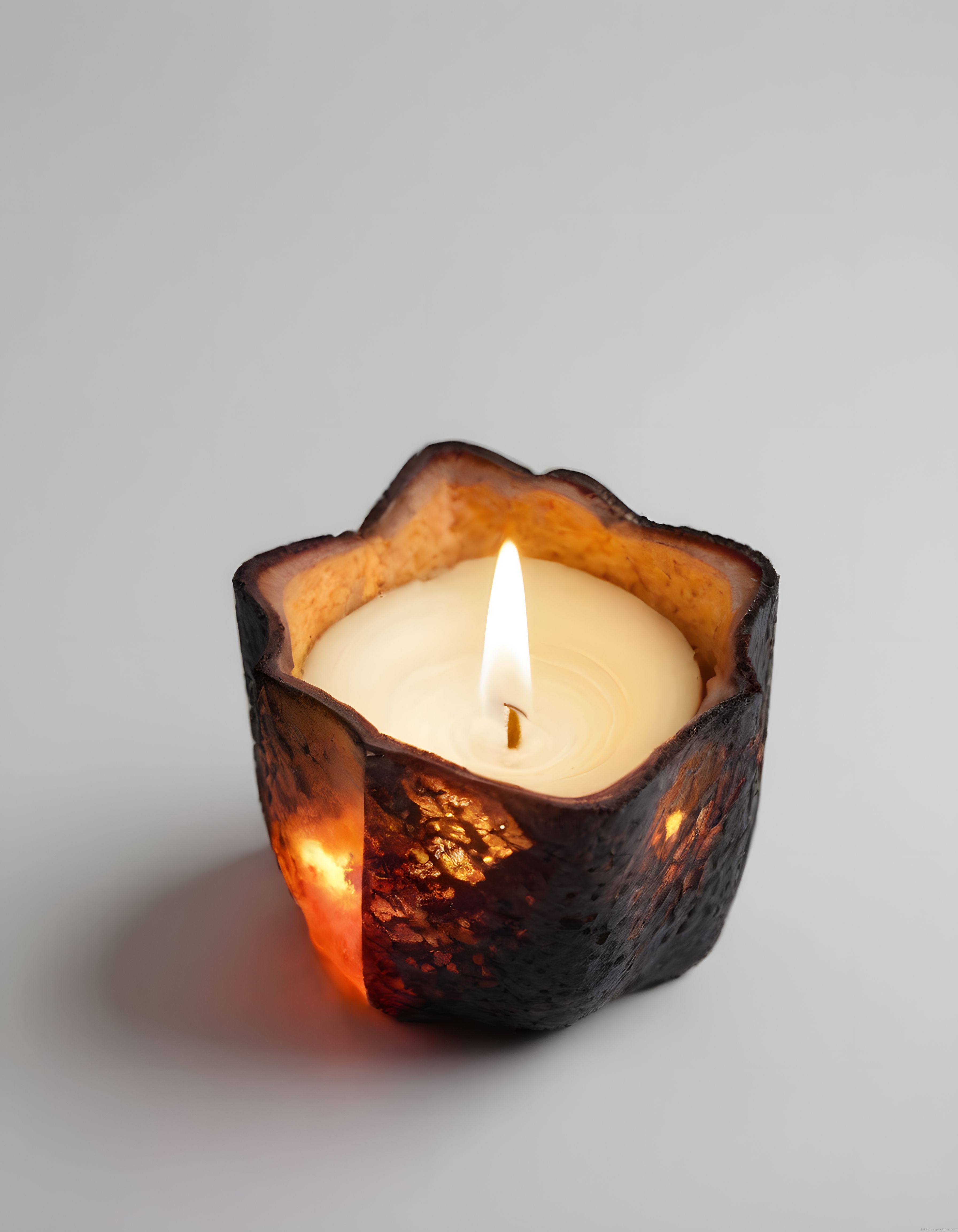
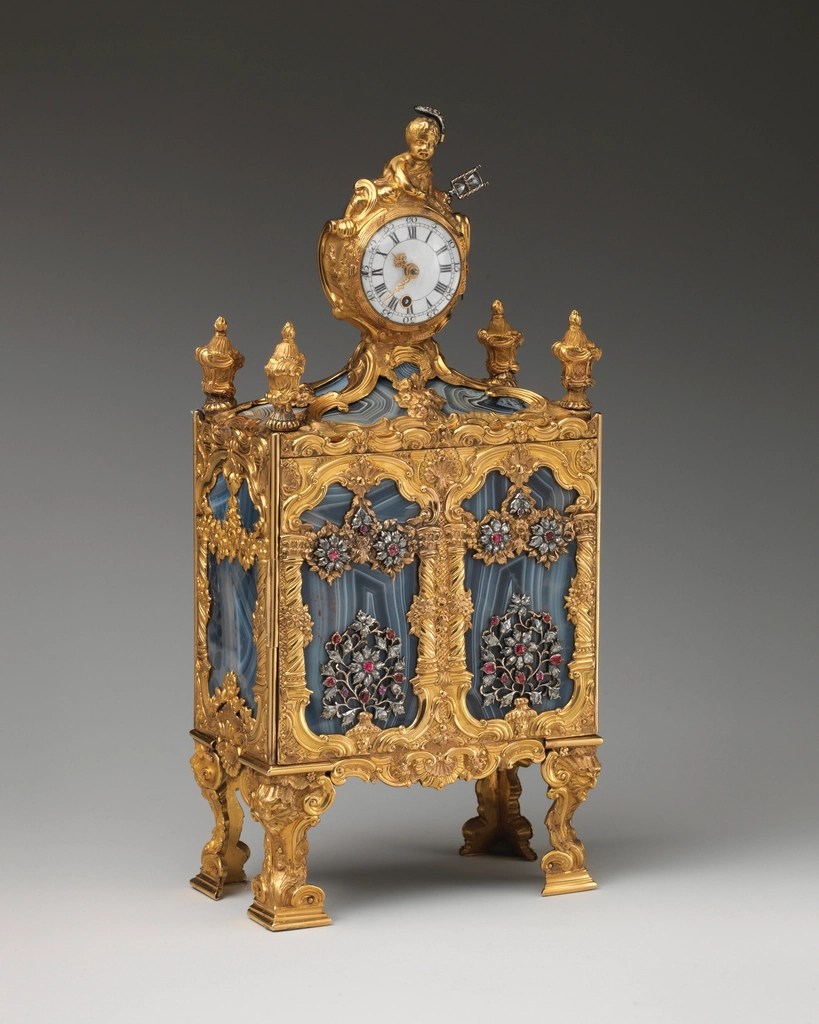
Tanım
•isim, denizcilik: futa
Diğer Dillerde
eggshell
çekim: çoğul Eierschalen · tamlayan Eierschalen
eş: Schale
köken: From Ei + Schale.
aile: eierschalenfarben
3 Minuten. — 3 dakika.
Fransızcacarapace, carcasse, coque, coquillage, coquille, cosse (dişil)
shell
çekim: çoğul carapaces
köken: Borrowed from Spanish carapacho (“carapace, shell”), of uncertain origin.
5 minutes. — 5 dakika.
İspanyolcacaparazón, carapacho, carcasa, carrocería, cáscara, casquete (eril) /kapaɾaˈθon/
carapace (a hard protective covering of bone or chitin, especially one which covers the dorsal portion of an animal) · caparison · shell
çekim: çoğul caparazones
eş: concha, coraza, cubierta
köken: Inherited from Old Spanish caparaçón (mid-15th century), from Old Occitan capairon; or alternatively from the ancestor of Mistralian Provençal caparasso (“large cape with hood”) + -ón; both ultimately from Late Latin cappa (“cape”).
3 minutos. — 3 dakika.
İtalyancabaccello, blusa, bossolo, camicetta, conchiglia, drusa (eril) /batˈt͡ʃɛl.lo/
pod, hull, husk, shell · broad bean
çekim: çoğul baccelli
köken: Unknown. Perhaps from bacca (“berry; fruit”) + -ello.
3 minuti. — 3 dakika.
Rusçaгичка (dişil) /ˈɡʲit͡ɕkə/
gig, galley.
çekim: çoğul ги́чки · tamlayan ги́чки
köken: From English gig.
Он пунктуальный. — O dakik.
shell, missile, projectile
çekim: çoğul mərmilər · tamlayan mərminin
köken: From Arabic مَرْمِيّ (marmiyy, “that which is thrown”).
Kazakçaбақалшық, қабық, қабыршақ
shell, seashell
Özbekçechigʻanoq
Tatarcaкабырчык
De meestal harde buitenkant van een ei.
Portekizcecarapaça, cartucho, casca, casco, console, descascar (dişil) /ka.ɾaˈpa.sɐ/
carapace (dorsal part of a turtle's shell) · shell (external covering of crustaceans) · shell (exoskeleton or wing covers of certain insects)
çekim: çoğul carapaças
eş: frústula
köken: Etymology tree substrateder.? Spanish carapachobor. French carapacebor. Portuguese carapaça Borrowed from French carapace, from Spanish carapacho.
Near-synonyms: exoesqueleto, élitro
bullet case, shell case, shell · calyx, bud
çekim: çoğul κάλυκες · tamlayan κάλυκα
İsveççeäggskal, balja, fjäll, granathylsa, hylsa, kommandotolk (nötr)
eggshell
çekim: çoğul äggskals · tamlayan äggskals
köken: ägg + skal
husk, rind, skin (outer layer of a seed, fruit, or edible root) · small boat
çekim: çoğul łupiny · tamlayan łupiny
eş: gw. (Górny Śląsk) szupa
köken: Etymology tree Proto-Slavic *lupina Polish łupina Inherited from Proto-Slavic *lupina.
a cowry, shell used as a token in barter · any small amount of money
çekim: çoğul कौड़ियाँ
köken: Inherited from Prakrit 𑀓𑀯𑀟𑁆𑀟𑀺𑀬𑀸 (kavaḍḍiyā), from Sanskrit कपर्दिका (kapardikā), ultimately of Dravidian extraction.
दो कौड़ी का
projectile (any object intended to be or having been shot from a weapon, especially those shot with a firearm) · ammunition
çekim: çoğul ammukset · tamlayan ammuksen
köken: ammu- (“to shoot”) + -us
aile: alikaliiperiammus, ammustarvike, ammustenkulutus, ammustäydennys, ammusvarasto, ammusvyö, kaasuammus, kuorma-ammus, nuoliammus, onteloammus
skeleton (the system that provides support to an organism, internal and made up of bones and cartilage in vertebrates, external in some other animals)
çekim: çoğul kostry · tamlayan kostry
eş: kostlivec
köken: Coined by Jan Svatopluk Presl in the 19th century. Králik explains the word as a coinage modeled on other Slavic languages, where formally similar terms occur but with different meanings (cf. Russian костёр (kostjór), костра (kostra), Polish kostra), which are derived from Proto-Slavic *kostra, ultimately from Proto-Slavic *kostь (“bone”). Both Králik and Rejzek additionally connect the formation…
aile: kosterní
Rumencecarcasă, coajă, cochilie, exoschelet, obuz, scoică (dişil)
carcass
çekim: çoğul carcase · tamlayan carcase
köken: Borrowed from French carcasse.
Macarcadióhéj, elektronhéj, gránát, gránáthüvely, gubó, ház /ˈdijoːɦeːj/
nutshell (the hard shell that surrounds the kernel of a nut) · husk (the soft, thick, green outer layer of a walnut)
çekim: çoğul dióhéjak
köken: From dió (“nut”) + héj (“shell”).
aile: dióhéjban, dióhéjnyi
İbraniceקוֹנְכִיָּה, קליפה, שִׁרְיוֹן (dişil)
peel, skin, bark, shell (as of a nut or fruit) · cortex · spiritual impurity
çekim: çoğul קליפות
köken: Semitic passive participle plus feminine suffix of a productive root. But see also Arabic قِرْفَة (qirfa, “cinnamon”) suggesting ancient Dravidian influence.
Latinceputāmen
eggshell
çekim: çoğul æggeskaller · tamlayan æggeskals
Eş & Zıt Anlamlılar
Eş anlamlılar
Örnek Cümleler
Bir dakika.
Just a minute.
15 dakika geçti.
It has gone a quarter.
On dakika bekledim.
I waited for ten minutes.
Bir dakikanız var mı?
Do you have a minute?
Sadece on beş dakika.
Only fifteen minutes.
Bir dakika düşüneyim.
Let me think for a minute.
Yalnızca on beş dakika.
Only fifteen minutes.
Saatiniz on dakika geri.
Your watch is ten minutes slow.
Bir dakika bekler misin?
Do you mind waiting for a minute?
Çay on dakika demlensin.
Let the tea draw for ten minutes.
Paul saat gibi dakiktir.
Paul is punctual like a clock.
Dakik olmanı bekliyorum.
I expect you to be punctual.
İlgili Sorular
Ben ve Kiki'yi bulmaya çalışıyorum; adları hakkında biraz bilgi verebilir misiniz?
Takma isim önerileri arıyorum, sizinkiler neler? Kiki gibi bir takma isim seversiniz?
Ben ya da Aaron ve Kiki adında kardeş bir ikiliyi arıyorum, biraz bilgi verirseniz sevinirim.
Ben ve Kiki isimli kardeşleri tanıyan var mı? Az bir bilgiyle de olsa yardımcı olursanız memnun olurum.
Cruz Azul'ın Kikin, Torrado Osorio, Huiqi gibi oyuncuları yokken Amerika'nın kazanması şans mıydı?