kocaman
/ˈko.d͡ʒa.man/
adj
A2 seviye
TR → EN
"kocaman" kelimesinin İngilizcesi: enormous, huge, gigantic, gigantean, great, prodigious. Anlamı, çevirisi, telaffuzu ve örnek cümleler aşağıdadır.
Çeviri
Genelenormousadj
Genelhugeadj
Genelgigantic, gigantean
Genelgreat
Genelprodigious
Geneltremendous
Genelbig
Genelburly
Genelgargantuan
Genelcolossal
Genelgiant
Genelhumongous
Genelimmense
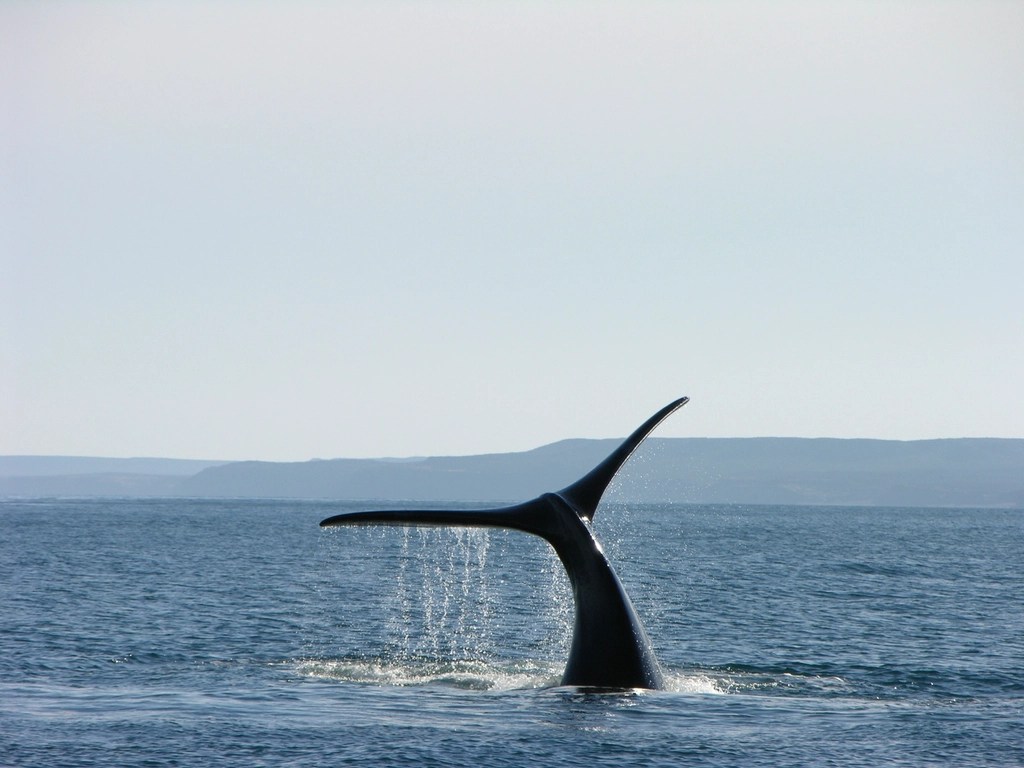
Görsel



Tanım
•sıfat: Çok iri; koca (II), cesim, kazulet
•Yaşça büyük olan
Diğer Dillerde
Almancader Große, fein, groß, großartig, Größe, prima /faɪ̯n/
fine (not rough, coarse, or thick) · fine; very good; as it should be · refined; posh; fancy
çekim: karşılaştırma feiner · üstünlük am feinsten
zıt: grob
köken: From Middle High German fīn, from Old French fin, ultimately from Latin finis. See English fine for more.
aile: Feinschnitt, feinsinnig, Feinstaub, verfeinern
Ja, er ist ein Großer. — Kocamanmış be!
sehr feines Mehl
ein feiner Sinn
ein feiner Kerl
Fransızcachouette, excellent, formidable, génial, grand, gros (dişil) /ʃwɛt/
owl (specifically, those species of owls without ear tufts; those with ear tufts are hiboux)
çekim: çoğul chouettes
köken: ] From Middle French chouette, from Old French choete, diminutive from choe (“jackdaw”), from Frankish *kâwa.
aile: chouette boréale, chouette cendrée, chouette chevêche, chouette des terriers, chouette effraie, chouette épervière, chouette harfang, chouette hulotte, chouette lapone, chouette rayée
Ouais, c'est un gros. — Kocamanmış be!
İspanyolcaadulto, bien, bienísimo, bonísimo, buenísimo, chachi /aˈdulto/
adult
çekim: çoğul adultos
eş: maduro, experimentado, grande, crecido
köken: Borrowed from Latin adultus.
aile: adultez, adulticida, adulto mayor, edad adulta
¡Y lo grande que es! — Ve kocaman!
İtalyancabene, eccellente, formidabile, grande, grandioso, grosso /ˈbɛ.ne/
upper-class, posh, high
çekim: çoğul beni
eş: accuratamente, adeguatamente, agiatamente, completamente, compostamente, convenientemente
köken: Inherited from Latin bene.
È enorme! — Ve kocaman!
Parioli è il quartiere bene di Roma per eccellenza.
Rusçaзрелый, огромный, громадный /ˈzrʲeɫɨj/
mature · ripe
çekim: karşılaştırma (по)зреле́е
eş: спелый, созревший, взрослый, взрослый, мудрый, взвешенный
köken: Inherited from Proto-Slavic *zьrělъ.
И огромная! — Ve kocaman!
Arapçaرَائِع, عَظِيم, كبير, كَبِير /ka.biːr/
big, large · great, great importance · old (for a person)
çekim: çoğul كِبَار · tamlayan كَبِيرٍ
zıt: صَغِير, شَابّ
aile: صَلَاة السَّاعَات الْكَبِيرَة
إنهم كبيرون جدا — Kocaman oldular.
مَدِينَةٌ كَبِيرَةُ
large, big · great · major
çekim: karşılaştırma بزرگتَر · üstünlük بزرگتَرین
eş: کلان, گُنده, عظیم, گپ, گت
zıt: کوچک
köken: From Middle Persian 𐭥𐭰𐭥𐭫𐭢 (wuzurg, wazurg, “big, great”), from Old Persian 𐎺𐏀𐎼𐎣 (v-z-r-k /vazr̥kaʰ/).
aile: بزرگ شدن, بزرگی
نزدیک شهر کوه بزرگی است.
نزدیک شهر کوهی بزرگ است.
نزدیک شهر یه کوه بزرگه.
grand · elder
çekim: karşılaştırma daha böyük · üstünlük ən böyük
zıt: kiçik, balaca
köken: From Proto-Common Turkic *bedük (“big, high”), whence also Azerbaijani böyütmək (“to raise”) and böyümək (“to grow”). Cognate with Turkish büyük etc.
aile: böyüklük
böyük ev
böyük səhv
böyük qardaşım
Özbekçekatta
big, large, huge · great, grand · excessive, immoderate
çekim: karşılaştırma kattaroq · üstünlük eng katta
köken: Inherited from Chagatai کته (kättä), possibly of Iranian origin. Compare Uyghur كاتتا (katta, “big; grand; important; prominent”), Turkmen ketde (“great; high-ranking”), Yaghnobi ка́тта (kátta, “big; aged; eminent”), Dari کته (kata, “big”), Pashto کټه (kaṭá, “big”).
aile: katta-kichik, kattabosh, kattadahan, kattakon, kattalashmoq, kattalik, kattaogʻiz, kattaqoʻrgʻon, Kattaqoʻrgʻon, kattarmoq
Felemenkçefantastisch, fijn, groot, heerlijk, omvangrijk, prachtig /fɑnˈtɑs.tis/
fantastic, great · fantastic, imaginative · unreal, unrealistic, fantastical
çekim: karşılaştırma fantastischer · üstünlük meest fantastisch
köken: Borrowed from French fantastique, from Latin phantasticus, from Ancient Greek φανταστικός (phantastikós). Equivalent to fantasie or fantast + -isch.
Ja, wat een grote. — Kocamanmış be!
Het is hier fantastisch!
Het museum bezit een veelval fantastische kunstvoorwerpen.
De verdachte legde een fantastische verklaring af.
Portekizcebem, distinto, enorme, fantástico, magnífico, maior /ˈbẽj̃/
well; accurately; competently · well; fairly; rather (to a significant degree) · very; really (to a high degree)
çekim: çoğul bens
eş: benzão
zıt: mal, pouco, um pouco
köken: Inherited from Old Galician-Portuguese ben, from Latin bene (“well”).
aile: bem-fazer, bem-vindo, parabéns, tudo bem
E enorme! — Ve kocaman!
Este filme foi muito bem produzido.
Ele entrou no hospital com uma ferida bem ruim.
Vai embora que eu estou bem bravo.
Yunancaεξαιρετικός, θαυμάσια, μεγάλος, περίφημος /ekseɾetiˈkos/
excellent, fine, first-class; exceptional, unusual, great · important, extreme
çekim: karşılaştırma εξαιρετικότερος · üstünlük εξαιρετικότερος
eş: εξαίρετος
zıt: ασήμαντος
köken: From Byzantine Greek ἐξαιρετικός (exairetikós); by surface analysis, εξαίρετος (exaíretos) + -ικός (-ikós). In the modern sense of "excellent, exceptional", with semantic loan from French exceptionnel.
Και τεράστιο! — Ve kocaman!
horrible, dreadful, ghastly · terrific, terrible, awful · amazing, splendid, fantastic, great
eş: 凄まじい
aile: 物凄い, 日本スゴイ
どれだけ栄養が吸収できたかわかります — Kocaman oldular.
すごく寒いです。
今日はすごく暑い。
すごい!どうやったの?
Çinceда
其實都幾多。 — Kocaman bir liste.
huge; massive
köken: 거대(巨大) (geodae) + -하다 (-hada, “to do”, light verb deriving adjectives).
남자: 거대하네요. — Adam: Kocaman.
very good, fantastic, excellent
köken: From jätte- (“very”) + bra (“good”).
Hon är inte jättelik. — Kocaman değil.
big, large (having a large physical size) · capital · significant, big; strong; much (of high intensity)
çekim: karşılaştırma większy · üstünlük największy
eş: astronomiczny, bezbrzeżny, bezgraniczny, bezkresny, bezmierny, gargantuiczny
zıt: Antonyms: see Thesaurus:mały, drobniuchny, drobniusi, drobniusieńki, drobniuteńki, drobniutki
köken: Etymology tree Proto-Indo-European *dʰewgʰ-der. Proto-Indo-European *-yós Proto-Balto-Slavic *daugjas Proto-Slavic *dužь Polish duży Inherited from Proto-Slavic *dužь. First attested in 1551.
aile: spod dużego palca, duża bańka, duża matura, duże niebieskie oczy, duże żniwa, duży ekran, duży palec, dzięcioł duży, przez duże, koń ma duży łeb, niech się martwi
I jaki masywny. — Ve kocaman!
Ten pokój jest duży.
Masz duży kłopot.
On jest człowiekiem z dużą wiedzą.
Ukraynacaвели́кий, прекра́сний, чуде́сний, чудо́вий
Він колосальний - у п'ять разів більший за Капітолій. — O kadar kocaman ki
big, large, huge · massive, heavy · grown up, adult
zıt: छोटा
köken: Etymology tree Proto-Indo-European *werdʰ- Proto-Indo-European *-tós Proto-Indo-Iranian *wr̥dᶻdʰás Sanskrit वृद्ध (vṛddha) Ashokan Prakrit 𑀯𑀼𑀠 (vuḍha) Prakrit 𑀯𑀼𑀟𑁆𑀠 (vuḍḍha)? Prakrit 𑀯𑀟𑁆𑀟 (vaḍḍa) Hindi बड़ा Inherited from Prakrit 𑀯𑀟𑁆𑀟 (vaḍḍa), possibly from 𑀯𑀼𑀟𑁆𑀠 (vuḍḍha), from Ashokan Prakrit 𑀯𑀼𑀠 (vuḍha), from Sanskrit वृद्ध (vṛddha), from Proto-Indo-Iranian *wr̥dᶻdʰás, from Proto-Indo-European…
aile: बड़ा दिन
बड़ा देश
बड़ा शहर
बड़ा बच्चा
Finceaikuinen, erinomainen, erittäin hyvä, iso, iso-, jätti- /ˈɑi̯kui̯nen/
adult · dating from the time of something
çekim: karşılaştırma aikuisempi · üstünlük aikuisin
köken: aika (“time”) + -uinen
aile: aikuismainen, aikuistaa, aikuisuus, aikuisdiabetes, aikuisdidaktiikka, aikuisikä, aikuiskaste, aikuiskasvatus, aikuiskouluttaja, aikuiskoulutus
Jeah, se on iso. — Kocamanmış be!
isoisän aikuinen hattu
great (very good)
çekim: karşılaştırma skvělejší · üstünlük nejskvělejší
eş: výtečný, vynikající, znamenitý, výborný, skvoucí, báječný
zıt: hrozný, strašný
köken: From skvít (“to shine”) + -lý.
Jsou opravdu velké. — Kocaman oldular.
skvělý nápad
skvělý den
skvělý způsob
big, large, great · great, mighty
çekim: çoğul mări · tamlayan mări
zıt: mic
köken: Most likely inherited from Latin maiōrem, accusative singular of Latin maior, through a Common Romanian intermediate *maure, akin to Dalmatian maur. The shift from /au/ to /a/ is caused by syncope. Compare Aromanian mari, Megleno-Romanian mari, and the aforementioned Dalmatian maur. See also Portuguese mor, Logudorese mere and Campidanese meri. This would make the word a doublet of maior and…
aile: mări, mărime, mărinimos
Da, e unul mare. — Kocamanmış be!
O mare mare.
Un om mare.
Macarcafelnőtt, nagy, nagyszerű, szuper /ˈfɛlnøːtː/
third-person singular indicative past indefinite of felnő
çekim: karşılaştırma felnőttebb · üstünlük legfelnőttebb
köken: felnő (“to grow up”) + -tt (past-tense and past-participle suffix)
aile: felnőttcsapat, felnőttésszel, felnőttképzés, felnőttkor, felnőttkorú, felnőttoktatás, felnőttszámba, felnőtt-tanfolyam, felnőtt-társadalom, felnőtt-továbbképzés
Nagyon nagyok. — Kocaman oldular.
big, large · great, important
köken: Related to Arabic جَدِل (jadil, “hard, strong, firm”).
aile: בְּגָדוֹל
הן מאוד גדולות. — Kocaman oldular.
אָסֻרָה־נָּא וְאֶרְאֶה אֶת־הַמַּרְאֶה הַגָּדֹל הַזֶּה
גְּדֹל הָעֵצָה וְרַב הָעֲלִילִיָּה
magnified or piled up with for sacrifice; burned, sacrificed, having been sacrificed · consumed or destroyed by fire, having been destroyed by fire
köken: Perfect passive participle of adoleō (“burn, sacrifice”).
Dancaalle tiders, fantastisk, fed, fedt, nice, skøn
great, good
köken: Compare Norwegian Bokmål alle tiders, Norwegian Nynorsk alle tiders and Swedish alla tiders.
Den er så høj og stor! — Ve kocaman!
Du er alle tiders
I Ældre Sagen vil vi gerne inspirere til, at danske boliger bliver omdannet til alle tiders boliger.
Etimoloji
Inherited from Ottoman Turkish قوجهمان (kocamân). By surface analysis, koca + -man
Eş & Zıt Anlamlılar
Örnek Cümleler
O kocaman.
That's huge.
Bu kocaman.
This is huge.
O kocamandı.
That was huge.
Sorun kocaman.
The problem is huge.
Kocamanmış be!
Yeah, he's a big one.
Bu yer kocaman.
This place is ginormous.
Bu bina kocaman.
This building is huge.
Kocaman oldular.
They're very large.
O hayvan kocaman!
That animal is huge!
Hepsi de kocaman.
Where are all the little ones?"
Kocaman bir bölge.
It's an enormous place.
Gökyüzü kocamandır.
The sky is big.