Sözlük
/direk
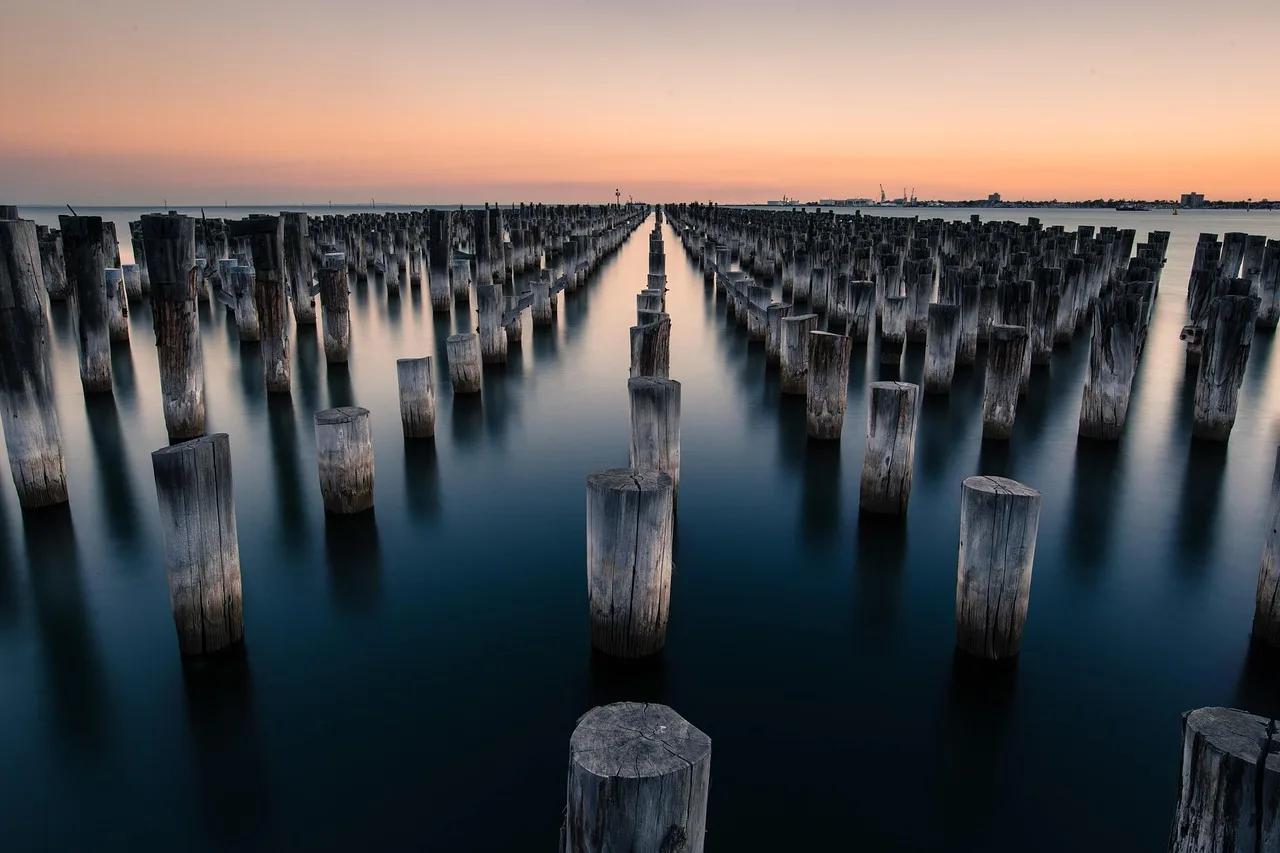
direk
"direk" kelimesinin İngilizcesi: column, pillar, mast, pillar, pole. Anlamı, çevirisi, telaffuzu ve örnek cümleler aşağıdadır.
Çeviri
Genelcolumnnoun
Genelpillarnoun
Genelmast
Genelpillar
Genelpole
Genelstaff
Genelstanchion
Genelstandard
Genelstem
Genelbeam
Genelcolumn
Genelmast
Genelpost
Genelpost
Genelmast
Genelmast
Genelpost
Görsel
Çekim Tablosu
Belirtme (-i)direği
Yönelme (-e)direğe
Bulunma (-de)direkte
Çıkma (-den)direkten
Tamlayan (-in)direğin
Çoğul (-ler)direkler
Tanım
•isim: Ağaçtan veya demirden yapılan uzun ve kalın destek
•mimarlık: sütun
•mecaz: Değerli, saygın, önde gelen kimse
Atasözü & Deyim
“Göğe direk, denize kapak olmaz”
Diğer Dillerde
stake, picket, pale · pale
çekim: çoğul Pfähle · tamlayan Pfahles
eş: Mast, Palisade, Pfeiler, Pflock, Pfosten, Stange
köken: From Old High German pfāl, from Latin pālus.
aile: pfählen
Die Direktoren... — Direktörler var.
Fransızcaafficher, bâton, billet, canne, courrier, doter en personnel /a.fi.ʃe/
to put up (a notice etc) · to display · to show
çekim: geçmiş affiché · ortaç affiché · şimdiki affiche · ulaç affichant
eş: placarder
köken: Inherited from Middle French [Term?], from Old French afichier (“to declare firmly”), equivalent to a- + ficher (“to fasten, fix, settle in”). More at fix.
aile: affichable, affichage, affiche
Est-ce un vol direct ? — O bir direkt uçuş mu?
İspanyolcabáculo, bastón, colgar, correo, empleados, enviar (por correo) (eril) /ˈbakulo/
staff (long, straight stick, especially one used to assist in walking)
çekim: çoğul báculos
eş: bastón, blago
köken: Learned borrowing from Latin baculum, from Proto-Indo-European *bak-.
¿Es un vuelo directo? — O bir direkt uçuş mu?
İtalyancaasta, bastone, organico, palo, pentagramma, pilastro (dişil) /ˈas.ta/
pole, rod, shaft · spear, lance · the wooden handle of a spear or lance
çekim: çoğul aste
eş: antenna, bastone, cannuccia, giavellotto, lancia, palo
köken: Inherited from Latin hasta.
aile: asta inferiore, asta regia, asta superiore, asticciola, asticina, inastare
Simulatori di guida — Direksiyon sistemi
Rusçaопора, столб, стойка; мачта; шест (dişil) /ɐˈporə/
support, prop, rest · buttress, pier (anything that serves to support something) · foothold
çekim: çoğul опо́ры · tamlayan опо́ры
köken: Inherited from Proto-Slavic *o(b)pora.
И здесь есть лидеры. — Direktörler var.
post, mail, an institution to send messages, intelligence · messenger, courier, express, estafette, a person employed in the institution of mail or intelligence · the beast by which messages are sent by the mail institution, a post-horse, post-mule or post-camel
çekim: çoğul بُرُد · tamlayan بَرِيدٍ
köken: Already in the 6th century, from Byzantine Greek βέρηδος (bérēdos), βέρεδος (béredos, “post-horse”), from Latin verēdus.
aile: سَاعِي بَرِيدٍ, بَرِيدِيّ, أَبْرَدَ
"الانظمة التوتاليتارية — Direksiyon sistemi
عَلى كلّ مَقصُوصِ الذُّنَابى مُعاوِدٍ بَرِيدِ السُّرَى باللّيلِ من خيلِ بَرْبرَا
فأمّا الْبَرِيد ففيه خلاف وذهب قوم إلى أنه بالبادية اثنا عشر ميلا وبالشام وخراسان ستة أميال
staff (all those who work somewhere)
çekim: çoğul پرسنلها
köken: Borrowed from French personnel.
pillar, pile, post, beam · support, prop · goalpost, crossbar
çekim: çoğul dirəklər · tamlayan dirəyin
köken: From dirə + -k.
some time ago
çekim: çoğul бағаналар · tamlayan бағананың
köken: From Proto-Turkic *baya (“previously mentioned, recent, former”) + ғана (ğana). Related to баяғы (baäğy).
(dialectal)
mail, post (method of delivering mail)
çekim: çoğul pochtalar · tamlayan pochtaning
köken: Borrowed from Russian по́чта (póčta), from Polish poczta, from Italian posta, from Latin positus.
Felemenkçebalk, doelpaal, medewerkers, notenbalk, op de post doen, paal (eril) /bɑlk/
a beam, solid support · a cuboid · a section, icon et cetera in such rectangular shape
çekim: çoğul balken
köken: From Middle Dutch balke, from Old Dutch *balco, from Proto-West Germanic *balkō, from Proto-Germanic *balkô.
aile: balkenbrij, dakbalk, draagbalk, evenwichtsbalk, staartbalk, stootbalk, notenbalk, schuifbalk, taakbalk, zoekbalk
Neem het stuur over. — Direksiyona geç.
stick (cylindrical form of material) · walking stick · wand
çekim: çoğul bastões
köken: From Old Galician-Portuguese baston, from Late Latin bastum, from Ancient Greek βαστάζω (bastázō, “carry”). Doublet of batom.
Um simulador de rotas — Direksiyon sistemi
Yunancaανάρτηση, αναρτώ, δημοσιεύω, δοκάρι, επανδρώνω, επιτελείο (dişil) /aˈnaɾtisi/
hanging, suspending (of a picture, etc) · suspension (of machinery, motor vehicles, etc) · post (display message)
çekim: çoğul αναρτήσεις · tamlayan ανάρτησης
köken: From the Ancient Greek ἀνάρτησις (anártēsis).
Ο κινητήρας παρέμεινε αναξιόπιστος. — Direksiyon güç desteksizdir.
post (on a BBS, etc.)
çekim: geçmiş カキコした
köken: Shortening of 書き込み (kakikomi).
aile: クソカキコ
裏門 - 木造瓦葺き。 — Mendirek ağacı korusu.
card; invitation · message; post
有酋长。 — Direktörler var.
pillar, column, post
köken: First attested in the Samgang haengsildo (三綱行實圖 / 삼강행실도), 1511. as Middle Korean 기도ᇰ (kitwong), from older suffixless form 긷 (kit) (First attested in the Hunminjeong'eum haerye (訓民正音解例 / 훈민정음해례), 1446.). Compare dialectal forms 기동 (gidong, Hamgyeong/Gangwon/Chungcheong/Jeolla), 지둥 (jidung, Chungnam), 지동 (jidong, Gyeongsang/Chungbuk/Jeju), 기듕 (gidyung, Hambuk), 지뒹 (jidwing, Hambuk), etc.
조성우는 대한민국의 영화 음악 감독이다. — Keith filmin müzikal direktörüydü.
헤라클레스의 기둥은 지중해 입구에 놓여진 것으로 추정된다.
to allocate (funds, to something) · to post (a notice, on a noticeboard or the like) · to strike (especially a key on an instrument)
çekim: geçmiş anslog · ortaç anslagen · ulaç anslående
köken: an + slå
Regi: Åke Falck. — 1968: Direktör: Åke Falck.
Lehçeafiszować, kij, laska, obsadzać pracownikami, obsadzić pracownikami, opublikować /a.fiˈʂɔ.vat͡ɕ/
to flaunt (to ostentatiously show something) · to flaunt oneself (to ostentatiously show oneself) [with instrumental ‘what’]
çekim: geçmiş afiszowano · şimdiki afiszuje
köken: Etymology tree Proto-Indo-European *h₂éd Proto-Italic *ad Proto-Italic *ad- Latin ad- Old French a- Proto-Indo-European *dʰeygʷ-der. Proto-Italic *feigʷō Vulgar Latin fīvō Vulgar Latin fīgō Vulgar Latin -icō Vulgar Latin *fīgicāre Old French fichier Old French afichier Middle French French afficherbor. Proto-Indo-European *h₂euh₁-der.? Proto-Slavic *-ovati Old Polish -ować Polish -ować Polish…
Baz Luhrmann, właśc. — Direktör:Baz Luhrmann.
afiszować się z poglądami
ostentacyjnie afiszować się
zbytnio afiszować się
Соложенцев Є. — Direktörler var.
Hintçeखंभा, चौकी, डाक, नियुक्ति, स्तंभ (eril) /kʰəm.bʱɑː/
pole, post · a full bottle of liquor (750 ml)
çekim: çoğul खंभे
köken: Inherited from Sauraseni Prakrit 𑀔𑀁𑀪 (khaṃbha), from Sanskrit स्कम्भ (skambhá).
बिजली का खंभा तेज़ हवाओं के कारण घर पर गिर पड़ा।
axle (pin or spindle on which a wheel revolves, or which revolves with a wheel; transverse bar or shaft connecting opposite wheels) · shaft, driveshaft (shaft, or long thin object, used to transmit rotary motion) · axis (imaginary line around which an object spins or is symmetrically arranged)
çekim: çoğul akselit · tamlayan akselin
köken: Borrowed from Swedish axel (“axle, axis”).
aile: -akselinen, akselisto, akselikaltevuus, akselikiila, akselikuormitus, akselikäyttö, akselinlaskija, akselinripustus, akselintappi, akselipaino
Franco Zeffirelli (oik. — Direktör:Franco Zeffirelli.
Maa pyörähtää kerran päivässä akselinsa ympäri.
Çekçehůl, najmout zaměstnance, osnova, personál, pošta, sloup (dişil) /ˈɦuːl/
stick, staff (cane or walking stick) · stick, club (implement used to control a ball or puck) · lacrosse stick
çekim: çoğul hole · tamlayan hole
eş: sukovice, čagan, berle
köken: Inherited from Old Czech hól, derived probably from Proto-Slavic *golь, cognate with Proto-Slavic *golъ (“leafless”).
aile: hůlka
Trenér: Lloyd Roubell. — Direktör: Robin Lough.
Rumencepersonal, portativ, poștă, stâlp /per.soˈnal/
personal (relating to the person) · personal (intimate, not to be shared)
çekim: çoğul personale · tamlayan personalului
zıt: impersonal
köken: Borrowed from Latin personalis or German personell or Italian personale or French personnel. By surface analysis, persoană + -al.
aile: pronume personal, tren personal
Franco Zeffirelli, regizor. — Direktör:Franco Zeffirelli.
stick, staff · walking stick, cane
çekim: çoğul botok
köken: From a Slavic, language, from Proto-Slavic *bъtъ.
aile: botoló, botos, botoz, botbüntetés, botcsinálta, botfül, botfülű, bothőmérő, botkormány, botmixer
Mozgásszervük a csillók — Direksiyon sistemi
İbraniceדואר \ דֹּאַר, מטה, מַטֶּה, מַקֵּל, סֶגֶל (eril)
stick, staff, wand · headquarters · tribe
çekim: çoğul מַטּוֹת
מזה בְיָדֶךָ וַיֹּאמֶר מַטֶּה
וְנוֹסַף עַל נַחֲלַת הַמַּטֶּה אֲשֶׁר תִּהְיֶינָה לָהֶם
walking stick, cane, staff · sceptre, rod, verge (staff of office) · stick, cudgel
çekim: çoğul bacula · tamlayan baculī
köken: Uncertain, though probably loaned from a non-Indo-European substrate. The term is possibly cognate with Proto-Slavic *bokъ, Proto-Celtic *bakkos, Ancient Greek βάκτρον (báktron), and Proto-West Germanic *pagil. Based on these forms, the Proto-Indo-European root *bak- has been reconstructed. The term could be construed as a derivative of Proto-Indo-European *bak-tlom, although De Vaan postulates a…
aile: bacillum, bacillus, baculāris, imbēcillus
personnel, staff
çekim: çoğul personaler · tamlayan personales
köken: Via German Personale, from Latin personalis.
aile: butikspersonale, hotelpersonale, kontorpersonale, køkkenpersonale, personalechef, personaledirektør, personalefest, personaleforbrug, personaleforening, personaleforhold
"Director of Works"). — "Teknik Direktörler".
Norveççeansatte, legge ut
Presidenten blir direkte valgt. — Başkan direkt olarak seçilir.
Etimoloji
Misspelling.
Deyimler
Kelime Ailesi
Eş & Zıt Anlamlılar
Örnek Cümleler
Yol direkt.
The path is direct.
O direk eğri.
That pole is off vertical.
Biz direktiz.
We're direct.
Ben direktim.
I'm direct.
Tom direkttir.
Tom is direct.
Sen direktsin.
You're direct.
Çok direktsin.
You're very direct.
Direkt olacağım.
I'll be direct.
Direksiyonu tut.
Grab the wheel.
Direktörler var.
Directors are.
Direksiyon bende.
Let me take the wheel.
Direksiyonu tutsana.
Hey, grab the wheel.
İlgili Sorular
Bir futbol sahasındaki gol direklerinin ölçüleri nelerdir? Ortadaki direğin uzunluğu, ayakta tutan orta direğin yüksekliği ve üstteki iki direğin boyu ne kadar?
Rafael Benítez'in liderlik ve teknik direktörlük yetenekleri neden övgü alıyor?
Müzik dinlerken sürekli parmaklarımı masalara, kanepelere, direksiyonlara vs. dokunduruyorum; bu bir fobi mi?
Rafael Benítez'in iyi bir yönetici ve teknik direktör sayılmasının nedenleri nelerdir?
DC metro bölgesinde çocuk bakım merkezinin direktör ya da asistan direktör olarak yıllık kazancım ne olabilir?
Birleşik Kelimeler
ana direkarka direkmum direkorta direkön direktemel direküst direkyan direkbayrak direğiburun direğican direğiçadır direğielektrik direğikorner direğiköşe direğitelefon direğitelgraf direğitemel direği