Sözlük
/savaş
savaş
/sɑˈvɑʃ/
noun
A1 seviye
TR → EN
"savaş" kelimesinin İngilizcesi: war, war, battle, combat, fight. Anlamı, çevirisi, telaffuzu ve örnek cümleler aşağıdadır.
Çeviri
Genelwarnoun
Genelwar
Genelbattle
Genelcombat
Genelfight
Genelgame
Genelsword
Genelwarfare
Genelbattle
Genelbattle
Genelwar
Genelwar
Genelbattle
Genelwar
Görsel
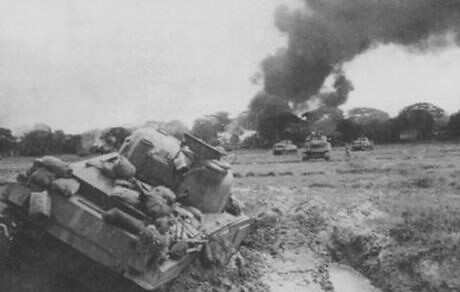
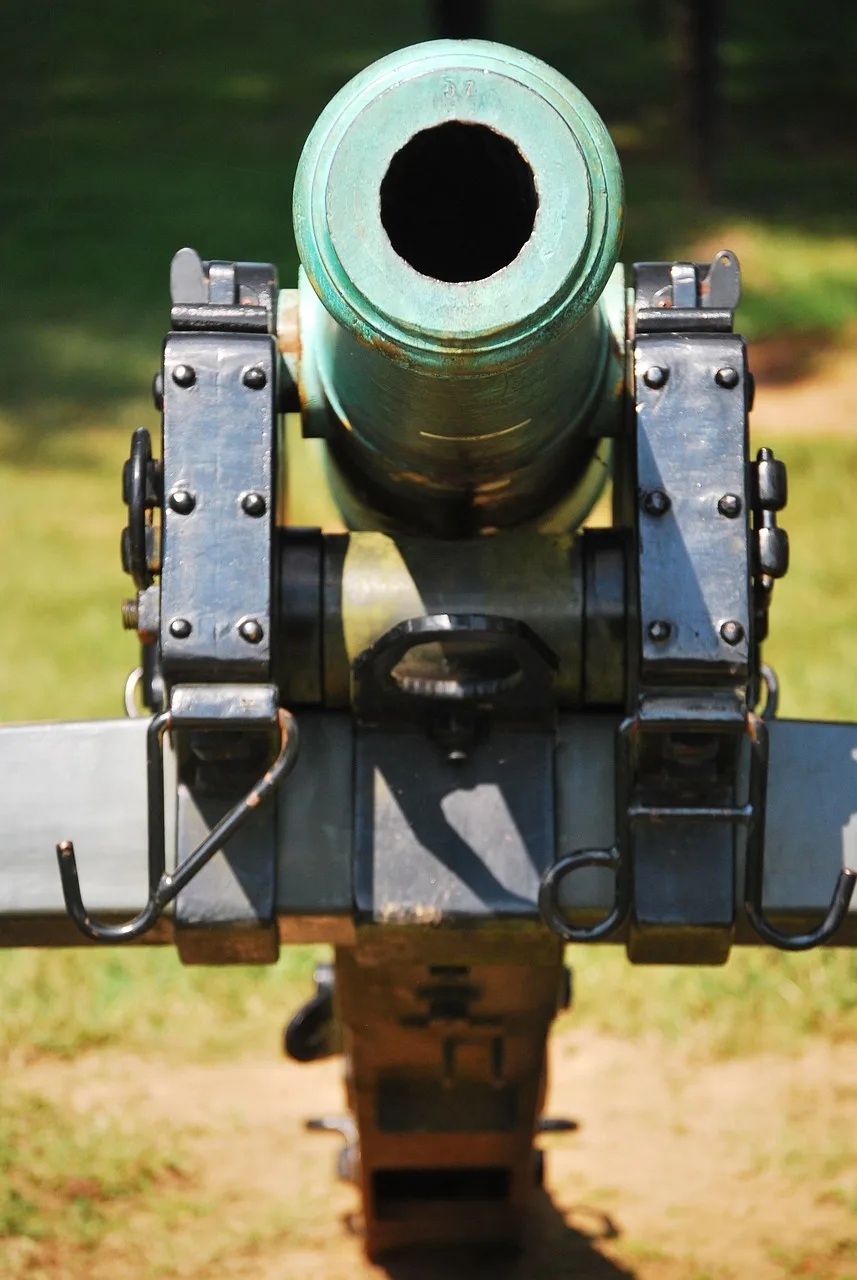
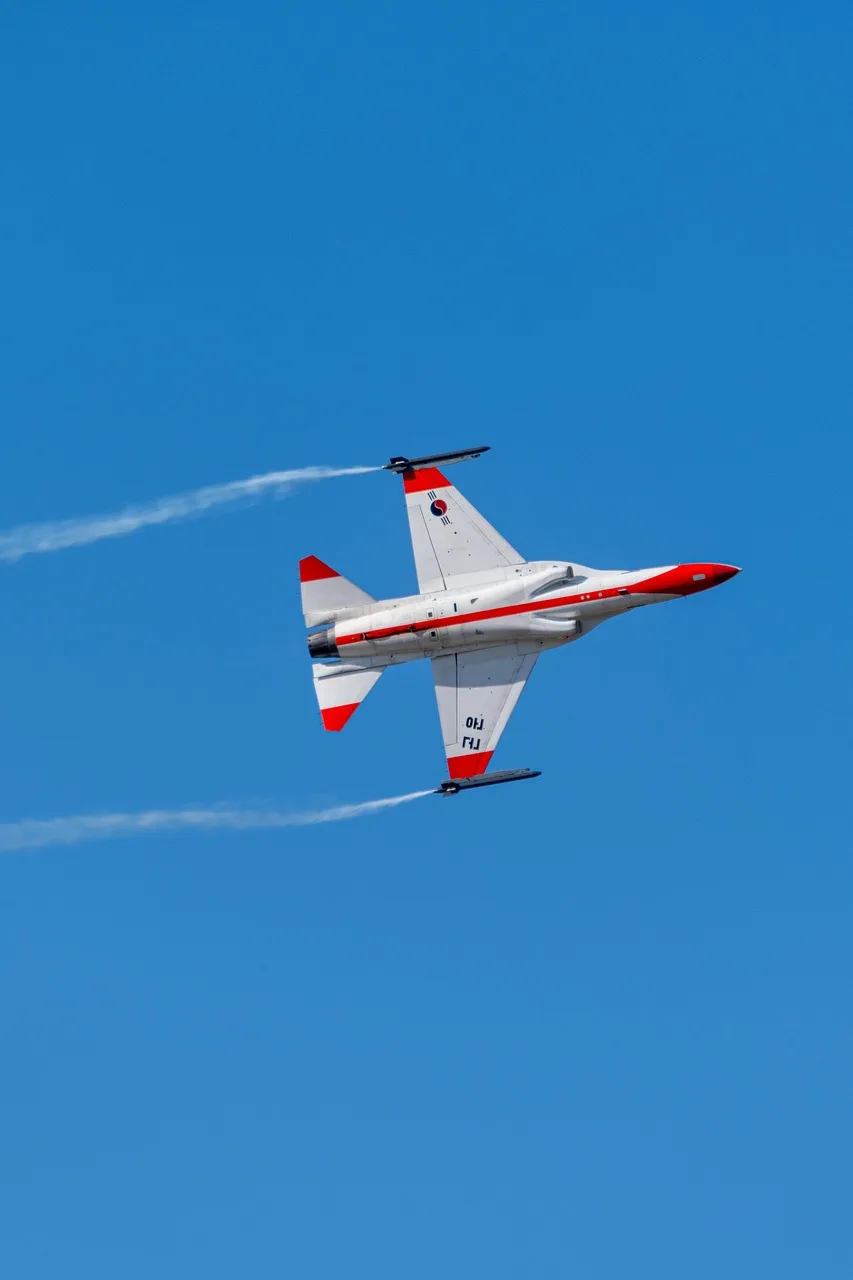
Çekim Tablosu
Belirtme (-i)savaşı
Yönelme (-e)savaşa
Bulunma (-de)savaşta
Çıkma (-den)savaştan
Tamlayan (-in)savaşın
Çoğul (-ler)savaşlar
Tanım
•isim: Devletlerin diplomatik ilişkilerini keserek giriştikleri silahlı mücadele; harp (I), cenk, cidal, kıtal
•mücadele
•Bir şeyi ortadan kaldırmak, yok etmek amacıyla girişilen çaba
Diğer Dillerde
struggle, battle, campaign, fight
çekim: çoğul Kämpfe · tamlayan Kampfes
eş: Blutbad, Fehde, Gefecht, Gemetzel, Hader, Händel
köken: From Middle High German kampf, from Old High German kampf, from Proto-West Germanic *kamp (“field, battlefield”). The word originally referred to the “battlefield”, but early on developed the sense “battle, fight” in High German.
aile: Achtkampf, Dreikampf, Fünfkampf, kämpfen, Kämpfer, kampffähig, Kampfgeist, kampflos, Siebenkampf, Wahlkampf
Moro-Konflikt — Kitos Savaşı
Conflit durable entre deux peuples ou nations qui implique la mobilisation d’armes.
çekim: çoğul guerres
eş: belligérance, conflit, combat, évènements, hostilités, lutte
zıt: non-violence, paix
köken: Inherited from Middle French guerre, from Old French guerre, from Early Medieval Latin werra, borrowed from Frankish *werʀu (“confusion; quarrel”). Compare English war.
aile: aguerrir, guerrier, guerroyer, à la guerre comme à la guerre, art de la guerre, char de guerre, chef de guerre, cri de guerre, crime de guerre, criminel de guerre
Guerre de Corée. — Kore Savaşı
İspanyolcabatirse, burlar, caza, combatir, gancho, hacer armas
infinitive of batir combined with se
eş: combatir, luchar, pelear, abatirse
La guerra ha terminado. — Savaş bitti.
reflexive of azzuffare · to come to blows, to fight · to fight, to scuffle
çekim: geçmiş azzuffàtosi · ortaç azzuffàtosi · şimdiki si azzùffa · ulaç azzuffàntesi
eş: accapigliarsi, litigare, picchiarsi, lottare, combattere, scontrarsi
Questa é la Guerra Mondiale. — Bu savaştır.
struggle, fight, conflict, combat · wrestling
çekim: tamlayan борьбы́
eş: схватка, ристание, противоборство, противостояние, противодействие, борение
köken: Inherited from Proto-Slavic *borьba. By surface analysis, боро́ться (borótʹsja) + -ьба (-ʹba).
aile: кла́ссовая борьба́, РЭБ
Вот война. — Bu savaştır.
борьба́ за справедли́вость
борьба́ с бе́дностью
наро́дная борьба́ в тылу́
Arapçaاِعْتَرَكَ, اِقْتَتَلَ, تَعَارَكَ, تَقَاتَلَ, طَرِيدَة, عَارَكَ
حرب كوريا. — Kore Savaşı
Farsçaبازی, بَازِی, پیکار, تلاش کردن, جنگیدن, دعوا /baː.ˈziː/
game (playing) · Used in compounds to describe recreational activities. · Used in compounds to describe activities, often with a discouraging or trivializing nuance.
çekim: çoğul بازیها
köken: From باز (bâz, present stem of باختن (bâxtan, “to play”)) + ـی (-i).
aile: بازی کردن, بازیچه, بازیکن, بازیگر
علی این بازی رو هک کردش.
چتر (čatr, “umbrella, parachute”) + بازی (bâzi) → چتربازی (čatrbâzi, “skydiving”)
آتش (âtaš, “fire”) + بازی (bâzi) → آتشبازی (âtaš-bâzi, “fireworks”)
Azericeçarpışmaq, dalaşma, dalaşmaq, dava, davakarlıq, döyüş /t͡ʃɑrpɯʃˈmɑx/
to fight, to battle · to struggle
çekim: geçmiş çarpışmış · ortaç çarpışmış · şimdiki çarpışır
köken: From çarp- + -ış.
game
çekim: çoğul ойындар · tamlayan ойынның
köken: From Proto-Turkic *ōyun, from Proto-Turkic *oy- (“to play; to jump”). Cognate with Old Uyghur [script needed] (ojun, “game, amusement”); Tatar уен (uyın), Bashkir уйын (uyın), Kyrgyz оюн (oyun), Southern Altai ойын (oyïn), Uzbek o'yin, Uyghur ئويۇن (oyun), Azerbaijani oyun, Turkish oyun, Turkmen oýun, Khakas ойын (oyın), Shor ойун, Tuvan оюн (oyun, “game”), etc.
aile: метаойын, ойынды, ойындық, ойынсыз, ойыншы, ойыншық
ойындар теориясы
Özbekçekurashmoq, oʻyin, urushmoq /oˈjɪn/
game · dance · entertainment, fun
çekim: çoğul oʻyinlar · tamlayan oʻyinning
aile: oʻyin qilmoq, oʻyin tushmoq
video oʻyin
een gewapende strijd tussen twee of meer bevolkingsgroepen en/of tussen twee of meer landen of “de voortzetting van de politiek met andere middelen” (Clausewitz)
çekim: çoğul oorlogen
eş: krijg
köken: From Middle Dutch orloge, from Old Dutch *urlage. In this word, two Germanic words merged, both having the prefix ur- (modern Dutch oor- and oer-, with the former kept in compounds like oorzaak (“cause, driver”) and oorsprong (“origin”), and the latter borrowed from German). The first word was derived from Proto-Germanic *uzlagą (“fate, destiny”), with *laga- related to modern Dutch leggen (“to…
aile: aanvalsoorlog, atoomoorlog, beoorlogen, bevrijdingsoorlog, bewegingsoorlog, bliksemoorlog, Boerenoorlog, burgeroorlog, cyberoorlog, Dertigjarige Oorlog
Dit is de oorlog. — Bu savaştır.
De twee landen waren verwikkeld in een lange en bloedige oorlog
Portekizcebatalha, briga, caça, combater, combatividade, contra (dişil) /baˈta.ʎɐ/
battle (general action, fight, or encounter; a combat)
çekim: çoğul batalhas
eş: prélio
köken: From Old Galician-Portuguese batalla, from Late Latin battālia, variant of battuālia (“fighting and fencing exercises”), from Latin battuō (“to strike, beat”), from Gaulish.
aile: batalhar
A guerra é assim mesmo. — Savaş bu.
Yunancaκαταπολεμώ, κυνήγι, μαλώνω, μάχη, μάχομαι, παιχνίδι /ka.ta.po.leˈmo/
to fight, combat (against a habit, a situation) to eradicate it
çekim: geçmiş καταπολέμησα
köken: Learned borrowing from Ancient Greek καταπολεμῶ (katapolemô), contracted form of καταπολεμέω (katapoleméō). By surface analysis, κατα- (“against”) + πολεμώ (“fight”).
Πόλεμο έχουμε. — Savaş bu.
Οι κυτταροκίνες σε χαμηλές συγκεντρώσεις βοηθούν τον οργανισμό μας να καταπολεμήσει τις λοιμώξεις.
Japonca戦争 /sẽ̞ɰ̃so̞ː/
war (conflict involving organized use of arms)
çekim: geçmiş 戦争した
eş: 戦役
戦争が始まった。 — Savaş başlar.
Çince比賽 /比赛, 獵物 /猎物, 遊戲 /游戏, 野味 /jɛ²¹⁴⁻²¹ weɪ̯⁵¹/
game (wild animals hunted for food)
這場戰爭必須終止 — Bu savaş bitmeli
Korece전쟁 /ˈt͡ɕɘ(ː)ɲd͡ʑɛŋ/
국가와 국가, 적과 적 사이에서 일어나는 다툼.
köken: Sino-Korean word from 戰爭 (“war”).
서시베리아 평원 — Siber savaş
이 전쟁을 끝내러 왔다.
to fight and thus (try to) get rid of (something); to combat (something), to fight (something)
çekim: geçmiş bekämpade · ortaç bekämpad · ulaç bekämpande
köken: From German bekämpfen, equivalent to be- + kämpa. Cognate with Danish bekæmpe, Norwegian Bokmål bekjempe and Dutch bekampen.
aile: bekämpningsmedel
Det var det sista kriget. — Son savaştı.
bekämpa fienden
bekämpa människohandel
Bekämpningsmedel används för att bekämpa insekter
Lehçebatalia, bić się, bitwa, bój, bójka, bojowość (dişil) /baˈta.lja/
fight, battle (a multistage conflict) · fight, conflict, argument · battle, offensive (a strong effort in an attempt to achieve something)
çekim: çoğul batalie · tamlayan batalii
köken: Etymology tree Latin battuō Late Latin battālia Italian battagliabor. Polish batalia Borrowed from Italian battaglia.
aile: batalista, batalistyka
To była wojna ostateczna. — Son savaştı.
Ukraynacaбата́лія, би́тися, бій, бі́йка, бойови́сько, бойови́ще /bʲii̯/
battle, combat, fight, fighting · striking (of a clock) · breakage
çekim: çoğul бої́ · tamlayan бо́ю
köken: Inherited from Proto-Slavic *bojь, from Proto-Indo-European *bʰoyh₂ós, from *bʰeyh₂- (“to strike, hew”).
aile: бі́йка, боєголо́вка, боєзда́тний, боє́ць, бої́вка, бойови́й
Це війна. — Bu savaştır.
рукопа́шний бій
game, sport; fun · match, sporting event · scheme, plan
çekim: çoğul खेलों
köken: Deverbal form of खेलना (khelnā, “to play”). Cognate with Marathi खेळ (kheḷ).
ये जंग भी है ये खेल भी है
area (measure of the extent of a surface) · area, field, domain (one's field of expertise or activity) · field, discipline (specific branch of knowledge, learning, or practice; e.g. in work or sciences)
çekim: çoğul alat · tamlayan alan
köken: From Proto-Finnic *ala; see ala- for more. Already in Finnic, this stem, originally meaning “lower, under” was repurposed as a noun meaning “underside, lower side”, whence “area”, whence the other senses like “domain”, “field”, “sector”.
aile: -alainen, alati, aloittain, alue, absorptioala, alakohtainen, alanvaihto, alanvalinta, alasuurennos, ammattiala
Sota on ohi. — Savaş bitti.
Çekçeâdil savaş, deniz savaşı, savaş arabası, savaş esiri, savaş nedeni, soğuk savaş
Tohle je válka. — Savaş bu.
beating · fight, scuffle, scrimmage (informal, spontaneous, mutual physical aggression) · range, reach of a device
çekim: çoğul bătăi · tamlayan bătăi
köken: Inherited from Late Latin battālia, variant of battuālia, from Latin battuō. Doublet of bătălie, which entered via another language.
aile: bătaie de cap, bătaie de joc, îi da bătaie, lua bătaie, mânca bătaie, pune la bătaie, rupe în bătaie
Aşa este războiul. — Savaş bu.
a îi da o bătaie
a îi trage o bătaie
a lua la bătaie
Macarcabenne van, csata, harcol, játék, kijátszik, küzdelem /ˈt͡ʃɒtɒ/
battle
çekim: çoğul csaták
köken: Borrowed from Serbo-Croatian četa (“troop, squad”). First attested in 1532.
aile: csatázik, csatabárd, csatadal, csatahajó, csatakiáltás, csataló, csatatér, párnacsata
Háború! — Savaş çıktı!
to fight, to wrestle (to be involved in physical confrontation) · to struggle
çekim: geçmiş נֶאֱבַקְתָּ
köken: Perhaps related to Arabic أَبَقَ (ʔabaqa, “to run away, to flee”).
Bos Wars — Bos Savaşları
וַיִּוָּתֵר יַעֲקֹב לְבַדּוֹ וַיֵּאָבֵק אִישׁ עִמּוֹ עַד עֲלוֹת הַשָּׁחַר׃
to struggle, strive, contend · to wrestle, fight
çekim: ortaç lū̆ctātus · şimdiki lū̆ctātur · ulaç lū̆ctāns
köken: Ultimately from Proto-Indo-European *lewg- (“bend, twist”) (whence also lū̆xus, -a, -um (“dislocated”) and lū̆xus, -ūs (“dislocation; splendor”)). Cognate with Ancient Greek λύγος (lúgos), Lithuanian lugnas, and Old Norse lykna. Compare with English louk; lock. Per De Vaan, formed as a frequentative from Proto-Italic *luktos, the perfect passive participle form of an unattested non-frequentative…
aile: ēlū̆ctor, lū̆cta, lū̆ctātiō, lū̆ctātor, oblū̆ctor, relū̆ctor
Etimoloji
From Ottoman Turkish صاواش (savaş, “dispute, combat, war”), from Old Anatolian Turkish صواش (savaş), ultimately a derivation from Proto-Turkic *saba- (“to beat, hit, fight”). Cognate with Azerbaijani savaş (“war”), Gagauz savaş, Turkmen söweş.
Deyimler
Kelime Ailesi
gerilla savaşı
kimyasal savaş
meydan savaşı
savaş düzeni
sıcak savaş
yaşama savaşı
yıldız savaşı
çete savaşı
iç savaş
psikolojik savaş
savaş alanı
savaş uçağı
siber savaş
yaşam savaşı
savaş gemisi
savaş sebebi
sinir savaşı
soğuk savaş
Eş & Zıt Anlamlılar
Örnek Cümleler
İç savaş
Civil War
Savaş gücü
Combat strength
Siber savaş
Sikarwar
İç savaşlar
Civil wars
Kore Savaşı
Korean War
Irak Savaşı
Iraq War
1812 Savaşı
War of 1812
Savaş bitti.
The war is over.
Savaş çıktı.
War broke out.
Varna Savaşı
Battle of Varja
Savaş çıktı!
Oh, we at war!
Bu savaştır.
This is the war.
İlgili Sorular
İlgili / Bileşik Terimler
Genelchariot
Genelwarship
Genelbattlefield
Genelchariot
Genelwarmonger
Genelbattleship
Genelwarship
Genelstratagem
Genelwarmonger
Genelwarlords
Genelbattlefield
Genelwarmonger
Genelpostbellum
Genelcannon
Genelcasus belli
Genelwar elephant
Genelwar film
Genelwar machine
Genelbattle cry
Genelart of war
Genelwar crime
Genelwar reparations
Genelprisoner of war