Sözlük
/harp
harp
"harp" kelimesinin İngilizcesi: war, warfare, war, battle, battle. Anlamı, çevirisi, telaffuzu ve örnek cümleler aşağıdadır.
Çeviri
Genelwarnoun
Genelwarfare
Genelwar
Genelbattle
Genelbattle
Genelwar
Genelwar
Görsel
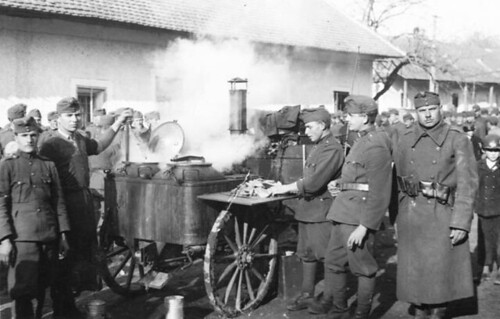
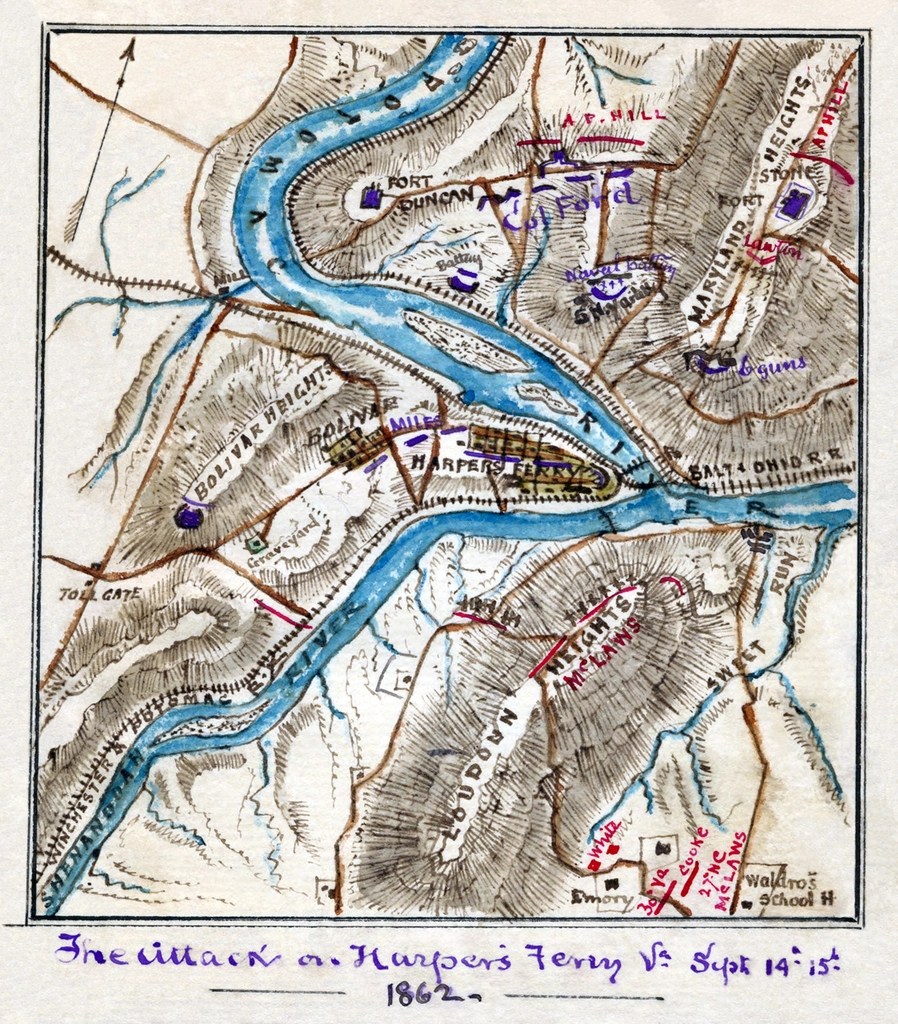
Çekim Tablosu
Belirtme (-i)harbi
Çoğul (-ler)harpler
Tanım
•isim, askerlik: savaş
•isim, müzik: arp
Diğer Dillerde
Almancakrieg (eril) /kʁiːk/
war, warfare
çekim: çoğul Kriege · tamlayan Krieges
eş: Orlog
zıt: Frieden
köken: From Middle High German kriec, from Old High German krig, from Proto-West Germanic *krīg.
aile: bekriegen, kriegen, Krieger, kriegerisch
Hey, Sharp! — Hey, Sharp.
im Krieg
Erwähnt bloß nicht den Krieg!
Ich hab geträumt, der Krieg wär vorbei / Du warst hier und wir war'n frei / Und die Morgensonne schien
Fransızcabataille, entrer en guerre, faire la guerre, guerre, lutte, lutter (dişil) /ba.taj/
battle · war (card game)
çekim: çoğul batailles
eş: accrochage, affrontement, combat, confrontation, coup de main, engagement
köken: Inherited from Middle French bataille, from Old French bataille, from Late Latin battālia, variant of battuālia, from Latin battuō, of Gaulish origin.
aile: batailleur, batailler, cheveux en bataille
Sharp ! — Albay Sharp!
bataille navale
bataille rangée
champ de bataille
İspanyolcabatalla, batallar, bélico, belicoso, guerra, guerrear (dişil) /baˈtaʝa/
battle
çekim: çoğul batallas
köken: Inherited from Old Spanish batalla, borrowed from Old Occitan batalha, or Old French bataille, from Late Latin battālia, variant of battuālia, from Latin battuō. If inherited, the Latin term would have resulted in a Spanish *bataja instead, and even in Old Spanish writing such as the Cantar de Mio Cid, it was treated as a neologism, while the normal term for fight or battle was lid.
aile: batalla campal, batalla cultural, batalla de flores, caballo de batalla, campo de batalla, dar la batalla, frente de batalla, mar de batalla, mesa de batalla, orden de batalla
Oye, Sharp. — Hey, Sharp.
İtalyancabattaglia, battagliare, fare la guerra, lotta, pugna (dişil) /batˈtaʎ.ʎa/
battle · fight
çekim: çoğul battaglie
eş: combattimento, scontro, conflitto, guerra, campagna, attacco
köken: Inherited from Late Latin battālia, variant of battuālia, from Latin battuō.
aile: battagliare, battagliero, battaglione, campo di battaglia
Pipa (disambigua) — Sharpe (dizi)
Rusçaвойна (dişil) /vɐjˈna/
war, warfare
çekim: çoğul во́йны · tamlayan войны́
eş: баталия, битва, побоище, сражение, рать, брань
zıt: мир
köken: Inherited from Old East Slavic воина (voina), from Proto-Slavic *vojьna (“war”).
aile: во́бла, вое́нщина, нетвойни́ст, война́ пра́вок, поджига́тель войны́, холо́дная война́, Phrases, вдруг война́, а я уста́вший, Proverbs, война́ войно́й, а обе́д по расписа́нию
Хей, Шарп! — Hey, Sharp.
Нет войне́!
Доло́й войну́!
И две тысячи лет - война, Война без особых причин. Война - дело молодых, Лекарство против морщин.
Arapçaحَارَبَ, حرب, حَرْب, شَنَّ حَرْبًا, مُحَارَبَة, مَعْرَكَة /ħa.ri.ba/
to be enraged, to be furious, to be angry
çekim: geçmiş حَرِبْتُ
köken: From Proto-Semitic *x̣arb-. Cognate with Biblical Hebrew חֶרֶב (ḥɛ́rɛḇ, “sword”).
aile: حَرْبِيّ
هاى شارب — Hey, Sharp.
تَتْرُكُ ٱلْحُرُوبُ أَثَرًا طَوِيلَ ٱلْأَمَدِ عَلَى ٱلْمُجْتَمَعَاتِ ٱلْمُتَضَرِّرَةِ.
Farsçaپادْرَزْم, جَنْگ, جنگیدن, مُحارِبِه /d͡ʒan.ɡiː.ˈdan/
to fight · to wage war
çekim: geçmiş جنگید · ortaç جنگیده · şimdiki میجنگد · ulaç جنگنده
Azericedöyüş, mübarizə, müharibə, müharibə etmək, savaş, toqquşma /dœˈjyʃ/
battle, fight, combat
çekim: çoğul döyüşlər · tamlayan döyüşün
köken: From döy- (“to beat, to beat up”) + -üş. Cognate with Turkish dövüş.
aile: döyüşmək, döyüşçü
həlledici döyüş
Malazgird döyüşü
Qoca kişi gəncliyində çoxlu döyüşlərdə iştirak etmişdi.
battle, fight, combat
çekim: çoğul айқастар · tamlayan айқастың
çekim: çoğul urushlar · tamlayan urushning
Ulugʻ Vatan urushi
struggle, fight · wrestling, especially kurash
köken: From Proto-Turkic *küreš- (“to fight, struggle”). Cognate with Bashkir көрәш (körəş) Kazakh күрес (küres), Kyrgyz күрөш (küröş), Southern Altai кӱреш (küreš), Tuvan хүреш (xüreş), Shor кӱреш, Uyghur كۈرەش (küresh), Azerbaijani güləş, Turkish güreş (“wrestling”), etc.
Азатлык өчен көрәш.
Җәбергә каршы көрәш.
Felemenkçebestrijden, bevechten, gevecht, krijg, oorlog, oorlog voeren /bəˈstrɛi̯də(n)/
to combat, suppress, fight against
çekim: geçmiş bestreden · ortaç bestreden · şimdiki bestrijdt · ulaç bestrijdend
köken: From Middle Dutch bestriden. Equivalent to be- + strijden.
aile: bestrijder, bestrijding
Orkestharp — Orkestral Harp
Portekizcebatalha, batalhar, luta (dişil) /baˈta.ʎɐ/
battle (general action, fight, or encounter; a combat)
çekim: çoğul batalhas
eş: prélio
köken: From Old Galician-Portuguese batalla, from Late Latin battālia, variant of battuālia (“fighting and fencing exercises”), from Latin battuō (“to strike, beat”), from Gaulish.
aile: batalhar
Sharp. — Hey, Sharp.
fight, efforts, struggle · the Greek War of Independence · race, game, match
çekim: çoğul αγώνες · tamlayan αγώνα
köken: From Ancient Greek ἀγών (agṓn, “assembly, contest”). Doublet of αγών (agón), a borrowing.
aile: προκριματικός αγώνας
Ορχηστρική άρπα — Orkestral Harp
Ο Αγώνας, Ο Αγώνας του 1821
οι ολυμπιακοί αγώνες
Japonca戦争 /sẽ̞ɰ̃so̞ː/
war (conflict involving organized use of arms)
çekim: geçmiş 戦争した
eş: 戦役
オーケストラ・ハープ — Orkestral Harp
to wage war; to engage in battle
很怕恐怖故事。 — Harp korkusunu yakından öğreniyorum.
battle; combat
köken: Sino-Korean word from 交戰.
오케스트라 하프 — Orkestral Harp
çekim: çoğul krigs · tamlayan krigs
zıt: fred
köken: Borrowed from Middle Low German krîch. Unlike Norwegian and Danish krig, the Swedish word has neutrum gender like Faroese kríggj.
aile: kriga, krigare, krigarfolk, krigarkast, krigarliv, krigaryrket, krigförande, krigföring, krigisk, krigiskhet
- Sharp! — Albay Sharp!
Lehçebatalia, batalion, bitwa, bój, prowadzić wojnę, walczyć (dişil) /baˈta.lja/
fight, battle (a multistage conflict) · fight, conflict, argument · battle, offensive (a strong effort in an attempt to achieve something)
çekim: çoğul batalie · tamlayan batalii
köken: Etymology tree Latin battuō Late Latin battālia Italian battagliabor. Polish batalia Borrowed from Italian battaglia.
aile: batalista, batalistyka
Orchestral Harp — Orkestral Harp
Ukraynacaбата́лія, бій, бойови́сько, бойови́ще, вести́ війну́, війна́ /bʲii̯/
battle, combat, fight, fighting · striking (of a clock) · breakage
çekim: çoğul бої́ · tamlayan бо́ю
köken: Inherited from Proto-Slavic *bojь, from Proto-Indo-European *bʰoyh₂ós, from *bʰeyh₂- (“to strike, hew”).
aile: бі́йка, боєголо́вка, боєзда́тний, боє́ць, бої́вка, бойови́й
Це арфа. — Bu bir harp.
рукопа́шний бій
Hintçeजंग, जंग लड़ना, युद्ध, युद्ध करना, रण, लड़ाई (dişil) /d͡ʒəŋɡ/
war, battle
çekim: çoğul जंगें
köken: Borrowed from Classical Persian جنگ (jang), from Middle Persian 𐫋𐫗𐫗𐫃 (yng /ǰang/). Compare Bengali জঙ্গ (joṅgo), Gujarati જંગ (jaṅg), Punjabi ਜੰਗ (jaṅg).
जंग लड़ना
Fincekina, sota, sotia, taistella, taistelu /ˈkinɑ/
squabble, quarrel, spat
çekim: çoğul kinat · tamlayan kinan
köken: Unknown. According to Jalo Kalima, possibly a Baltic loanword, compare Lithuanian ginčas.
aile: kinastaa, kinata
- Sharp! — Albay Sharp!
battle
çekim: çoğul bitvy · tamlayan bitvy
eş: řež, zápas
köken: Inherited from Proto-Slavic *bitva, equivalent to bít + -tva. Cognates include Russian би́тва (bítva), and Slovene bítva.
aile: po bitvě je každý generál
Sharpe! — Hey, Sharp.
Rumencea duce război, bătălie, răzbel, război (dişil)
battle
çekim: çoğul bătălii · tamlayan bătălii
köken: Borrowed from Greek μπατάλια (batália), from Italian battaglia, itself from Late Latin battualia, and thus doublet of bătaie, which was inherited from Latin.
Hei, Sharp. Fără bombe! — Hey, Sharp.
Macarcacsata, háború, háborúzik, hadjárat, ütközet /ˈt͡ʃɒtɒ/
battle
çekim: çoğul csaták
köken: Borrowed from Serbo-Croatian četa (“troop, squad”). First attested in 1532.
aile: csatázik, csatabárd, csatadal, csatahajó, csatakiáltás, csataló, csatatér, párnacsata
Hé, Sharp! — Hey, Sharp.
!הכן את המעבורת לפינוי מיידי — Albay Sharp!
Latincearma, belligero, belligerō, bellō, bellor, bellum /ˈar.ma/
arms, weapons of war, weaponry, instruments (implements of warfare) · defensive arms: armour, shields (etc.) · close-quarter weapons (offensive or defensive)
çekim: çoğul armōrum · tamlayan armōrum
zıt: tēla
köken: From Proto-Indo-European *h₂(e)rmos (“fitting”), from the root *h₂er- (“to join”). armentum is an independent derivation from the same root, as if from Proto-Indo-European *h₂er-mn̥-tom. Cognates include Sanskrit ऋत (ṛtá, “order; right; agreement etc.”) and अरम् (áram, “fitting”), Ancient Greek ἀραρίσκω (ararískō, “to fit together”) and Old Armenian արարի (arari, “I made”). Semantic development…
aile: armāmenta, armāmentum, armārium, armiductor, armifactor, armifer, armiger, armilausa, armiportātor, armipotēns
[…] : mulis strata detrahi iubet binisque tantum centunculis relictis agasones partim captivis, partim aegrorum armis ornatos imponit.
mūnīre urbem, frūmentum convehere, tēla arma parāre
respicit intereā clāvam spoliumque leōnis,
battle, struggle (violent) · endeavour, struggle (non-violent) · game, match (of e.g. ball games)
çekim: çoğul kampe · tamlayan kamps
köken: From Middle Low German kamp, from Latin campus.
Oberst Sharp! — Albay Sharp!
i kampens hede
Vi støtter deres kamp for lige rettigheder.
De har ikke vundet en kamp siden 2003.
Etimoloji
Osmanlı Türkçesi حرب, o da Arapça حَرْب (ḥarb) kelimesinden gelmektedir.
Eş & Zıt Anlamlılar
Örnek Cümleler
Hey, Sharp.
Hey, Sharp.
Harp sahası
Theater of war
Albay Sharp!
Colonel Sharp! All right.
Bu bir harp.
It's a harp.
Orkestral Harp
Orchestral Harp
Tom bir harpçı.
Tom is a harpist.
Özel Harp Okulu
Special Warfare School
Harper Collins.
The Times.
Bu bir harptır.
This is a harp.
Kara Harp Okulu.
Okulu, Kara Harp.
Harper, Robert .
Harper, Robert.
Harper's Bazaar.
PinkNews.
İlgili Sorular
Stephen Harper'ın gerçekten 35 kilo kadar kilo aldığını söylemek doğru mu?
Stephen Harper'ın yaklaşık 35 lbs (yaklaşık 16 kg) kilo alıp almadığı doğru mu?
Stephen Harper'ın ağırlığında 35 pound (yaklaşık 16 kg) artış olduğu iddiası gerçek mi?
Stephen Harper'ın kilo almasıyla ilgili 35 poundluk bir artış doğru mu?
"To Kill a Mockingbird" eserini kaleme alırken Harper Lee hangi referanslardan yararlandı?
İlgili / Bileşik Terimler
Genelstratagem
Genelmilitary academy
Birleşik Kelimeler
harp akademisiharp dairesiharp gemisiharp malulüharp okuluharp zenginiçarıklı erkânıharpdâhilî harpdivanıharperkânıharpiç harpsıcak harpsoğuk harpsinir harbi