göç
/ɟøt͡ʃ/
noun
C1 seviye
TR → EN
"göç" kelimesinin İngilizcesi: immigration, migration, transhumance, flight, hegira. Anlamı, çevirisi, telaffuzu ve örnek cümleler aşağıdadır.
Çeviri
Genelimmigrationnoun
Genelmigrationnoun
Geneltranshumancenoun
Genelflight
Genelhegira
Genelmove
Genelimmigration
Genelimmigration
Görsel


Çekim Tablosu
Belirtme (-i)göçü
Yönelme (-e)göçe
Bulunma (-de)göçte
Çıkma (-den)göçten
Tamlayan (-in)göçün
Çoğul (-ler)göçler
Tanım
•ekonomik, toplumsal, siyasi sebeplerle bireylerin veya toplulukların bir ülkeden başka bir ülkeye, bir yerleşim yerinden başka bir yerine gitme işi
•evden eve taşınma, nakil
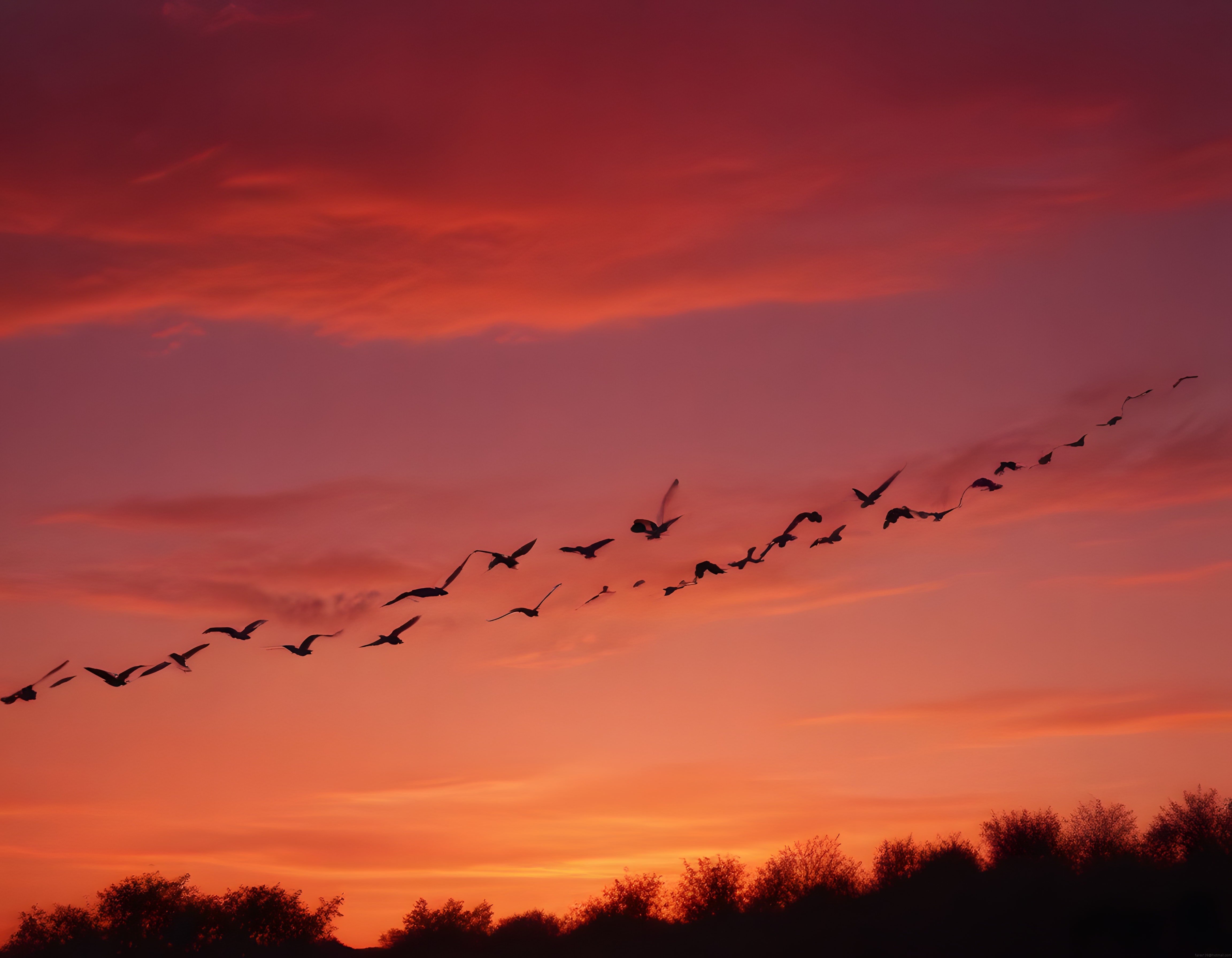
•kuşların, geyiklerin, yarasaların, bazı balık ve böceklerin mevsim, iklim, besin miktarı vb.ne göre çevre değiştirmeleri
•taşınma sırasında götürülen ev eşyaları
•Bir evden başka bir eve bir süre yaşamak, yerleşmek için gitmek
•Ekonomik, toplumsal, siyasi sebeplerle bireylerin veya toplulukların bir ülkeden başka bir ülkeye, bir yerleşim yerinden başka bir yerleşim yerine gitme işi; taşınma
•Kuşların, geyiklerin, yarasaların, bazı balık ve böceklerin mevsim, iklim, besin miktarı ve benzerine göre çevre değiştirmeleri
•Taşınma sırasında götürülen ev eşyaları
Atasözü & Deyim
“Yarası olan gocunur (gocunsun)”
“Eken biçer, konan göçer”
Diğer Dillerde
Almancamigration (dişil)
migration
çekim: çoğul Migrationen · tamlayan Migrationen
eş: Völkerwanderung, Datenmigration
zıt: Sesshaftigkeit
GOCR OCR — GOCR OCR
FransızcaMigration, exode
GOCR OCR — GOCR OCR
İspanyolcaconmover, emocionar, fuga, hacer mudanza, huida, jugada /kommoˈbeɾ/
to affect, move, touch
çekim: geçmiş conmoví · ortaç conmovido · şimdiki conmueve
eş: enternecer, compungir, ablandar, emocionar
köken: From Latin commovēre (“move, affect”).
OCR GOCR — GOCR OCR
İtalyancaagire, cambiamento, cambio, darsi una mossa, emozionare, mossa /aˈd͡ʒi.re/
to act or operate · to work, run or function · to take effect
çekim: geçmiş agìto · ortaç agìto · şimdiki agìsce · ulaç agènte
eş: adoperarsi, compiere, darsi da fare, effettuare, eseguire, fare
köken: Borrowed from French agir, itself borrowed from Latin agere.
GOCR OCR — GOCR OCR
Rusçaпереезд, переселение; миграция
распознавание через GOCR — GOCR OCR
Arapçaاِنْتَقَلَ, تَحَرَّكَ, تَحَلْحَلَ, تَحْلِيق, حَرُكَ, رَحَلَ
تعرّف المحرف الضوئي GOCR — GOCR OCR
Farsçaاسبابکشی, پَرواز, جنبیدن, حرکت کردن, کوچیدن /d͡ʒum.biː.ˈdan/
to shake, quiver, vibrate · to move around, fidget; wiggle around · to move it, get a move on
köken: From Middle Persian [Book Pahlavi needed] (ywmb-ytn' /jumbīdan/), from Proto-Iranian *Hyámbdi (“to move around”), from Proto-Indo-European *h₃yebʰ- (“to enter into”).
aile: جنب, جنبید, جنبنده, جنبیده, جنبم, جنبی, جنبد, جنبیم, جنبند, میجنبم
Azericeəritmək, hərəkət etmək, köçmək, qaçış, tərpənmək, uçuş /æritˈmæk/
to melt (to change from a solid state to a liquid state by a gradual heat) · to smelt, melt · to dissolve (to disintegrate chemically into a solution by immersion into a liquid)
çekim: geçmiş əritmiş · ortaç əritmiş · şimdiki əridir
köken: From əri + -t.
aile: əritmə
piy əritmək
kərə yağı əritmək
filiz əritmək
motion, movement · move
çekim: çoğul жүрістер · tamlayan жүрістің
Özbekçeharakatlanmoq, parvoz, uchish
to move
çekim: geçmiş harakatlanib · ortaç harakatlangan · şimdiki harakatlanadi · ulaç harakatlanayotgan
köken: From harakat + -la + -n + -moq.
Felemenkçetrek, migratie
GOCR tekstherkenning — GOCR OCR
to do something; to act; to function; to perform · to conduct oneself in a specific manner; to behave; to proceed
çekim: geçmiş agi · ortaç agido · şimdiki age
köken: Borrowed from French agir, itself from Latin agere.
aile: reagir
GOCR OCR — GOCR OCR
Yunancaκίνηση, κινώ, μετακομίζω, μετακόμιση, προτρέπω, πτήση (dişil)
movement (physical motion) · movement · traffic
çekim: çoğul κινήσεις · tamlayan κίνησης
GOCR OCR — GOCR OCR
flight (journey made by an aircraft)
köken: From English flight.
GOCR OCR — GOCR OCR
flight; flying
köken: Sino-Korean word from 飛行.
aile: 비행가(飛行家), 비행기(飛行機), 비행단(飛行團), 비행대(飛行隊), 비행등(飛行燈), 비행로(飛行路), 비행사(飛行士), 비행선(飛行船), 비행술(飛行術), 비행장(飛行場)
이동 경로입니다. 굉장한 이동이지요. — Müthiş bir göç.
feature, trait, characteristic · lure, trolling spoon · move
çekim: çoğul drags · tamlayan drags
köken: From Old Swedish dragh, from Old Norse drag, related to the verb draga (“to pull, draw”).
aile: genidrag, karaktärsdrag, korsdrag
Gocr optisk teckentydning — GOCR OCR
Vem vet vad hans nästa drag blir
Lehçeatandrysować, bieg, działać, lot, poruszać, poruszać się /a.tan.drɘˈsɔ.vat͡ɕ/
to move, to touch (emotionally) · to be moved, to be touched (emotionally)
çekim: geçmiş atandrysowano · şimdiki atandrysuje
köken: Etymology tree French attendrissantbor. Proto-Indo-European *h₂euh₁-der.? Proto-Slavic *-ovati Old Polish -ować Polish -ować Polish atandrysować From French attendrissant + Polish -ować.
GOCR OCR — GOCR OCR
Ukraynacaвтеча, ді́яти, згра́я, переїжджа́ти, переїзд, переї́хати (dişil) /ˈʍtɛt͡ʃɐ/
flight, escape, getaway (act of fleeing)
çekim: çoğul вте́чі · tamlayan вте́чі
köken: From втекти́ (vtektý) + -а (-a).
ОРС через GOCR — GOCR OCR
flight
çekim: çoğul उड़ानें
köken: Inherited from Prakrit 𑀉𑀟𑁆𑀟𑀸𑀡 (uḍḍāṇa), from Sanskrit उड्डयन (uḍḍayana). Doublet of उड्डयन (uḍḍayan). Cognate with Nepali उडान (uḍān), Punjabi ਉਡਾਣ (uḍāṇ) / اُڈاݨ (uḍāṇ), Gujarati ઉડ્ડાન (uḍḍān), ઉડ્ડાણ (uḍḍāṇ), Marathi उड्डाण (uḍḍāṇ), Marwari उडांण (uḍā̃ṇ) / 𑅒𑅠𑅧𑅢 (uḍnṇ), Odia ଉଡ଼ାଣ (uṛāṇa). By surface analysis, उड़ना (uṛnā, “to fly”) + -आन (-ān). Doublet of उड्डयन (uḍḍayan).
step, pace (advance or movement made from one foot to the other) · step, pace (distance covered in a step) · step (small space or distance)
çekim: çoğul askelet · tamlayan askelen
köken: From Proto-Finnic *askël (compare Livvi askel), from Proto-Uralic *aśkele ~ *aśka-le (compare Erzya эскелькс (eskeľks), Eastern Mari ошкыл (oškyl), Komi-Zyrian воськов (vośkov), Northern Mansi ӯсыл (ūsyl)).
aile: askeleittain, -askelinen, askelittain, askelma, askelmittain, askeltaa, askelarvo, askelfunktio, askelkivi, askelkuvio
Kähärä, sov. — Göç ve Uyum.
to affect, to move, to touch · to be moved, to be touched
çekim: geçmiş dojímala · ortaç dojímala · şimdiki dojímá
köken: From do- + jímat.
GOCR OCR — GOCR OCR
Rumenceactiona, emoționa, fugă, însufleți, mișca, mișcare
to move emotionally · to be overwhelmed by emotion
çekim: geçmiş emoționat · ortaç emoționat · şimdiki emoționează
köken: Borrowed from French émotionner.
OCR GOCR — GOCR OCR
Macarcaelhurcolkodik, elköltözik, elköltözködik, jár, járat, költözik /ˈjaːr/
to go, to move between places, whether on foot or by transportation · to pass by unexpectedly or by chance, to happen to be somewhere · to visit, to have been to (to go to a place and return)
çekim: geçmiş jártak
köken: From Proto-Finno-Ugric *jorkɜ (“to turn, wind”).
aile: járandóság, járat, járatlan, járatos, járás, járda, járhatatlan, járható, járkál, jártas
GOCR OCR — GOCR OCR
Ez a lény alkalmilag két lábon járt, és talán már köveket is használt eszközként.
Arra járt egy vándor szerzetes, és azt kérdezte tőle, melyik út vezet a Nan-csüan kolostorba.
Alig voltam 20 éves, amikor először jártam Koppenhágában.
gram
çekim: çoğul גְּרָמִים
של ציפור דורסת כלשהי. — Müthiş bir göç.
Latinceagmen, effugium, migratio, migrō, moveo, planities /ˈaɡ.mɛn/
a train of something; multitude, host, crowd, flock · an army, column, troop, band; line or rank of troops · stream, course, current, motion
çekim: çoğul agmina · tamlayan agminis
köken: From Proto-Indo-European *h₂éǵ-mn̥ ~ *h₂ǵ-mén-s (“army, band, troop; marching of an army”), from the root *h₂eǵ- (“to drive”). Cognate with Sanskrit अज्म॑न् (ájman, “army, band, flock; procession of an army”). Surface analysis is agō (“do, act”) + -men (noun-forming suffix).
aile: agminālis, agminātim
… ac ventī, velut agmine factō,
“… Illī agmine certō / Lāocoönta petunt ….” “[The sea serpents] with a steady march make straight for Laocoön ….” – Aeneas
to move (oneself) · to move (something else) · to move (someone), to stir someone's emotions
çekim: geçmiş bevægede · ortaç bevæget · ulaç bevægende
köken: From Middle Low German bewegen, from the verb wegen (“to bear, carry, consider”), from Old Saxon wegan.
aile: bevægelse, bevæget, bevægelig
GOCR OCR — GOCR OCR
Han bevægede sig usikkert. He moved unsurely.
Norveççebane, fjær, flokk, flyging, flyreise, flytte seg
Ikke noe svømming. — Göç etmezler.
Endonezcepindah
to move
köken: From Malay pindah.
aile: berpindah-pindah, kepindahan, memindah, memindah-mindah, memindahi, memindahkan, mindah, pemindah, pemindahan, perpindahan
Di sana mereka menghabiskan musim dingin. — Kışları göç ederler.
Etimoloji
Osmanlı Türkçesi كوچ, o da Eski Türkçe köş, kö (“kalkmak, yük taşımak, yükselmek”).
Deyimler
göç özgeçmişi
Eş & Zıt Anlamlılar
Örnek Cümleler
GOCR OCR
GOCR OCR
Ev göçtü.
The house caved in.
Erken göç
Early immigration
Türk göçü
Indo-Aryan migration hypothesis Turkic migration History of the Jews in Central Asia
Göç tarihi
Migration history
Dışarı göç
Emigration
İlk göçler
First immigrants
Tom göçebe.
Tom is unsettled.
Göçük büyük.
The dent is huge.
Göç ve Uyum.
Göç ve Uyum.
Göç etmezler.
NE Swim.
GOCR programı
GOCR engine
İlgili Sorular
İlgili / Bileşik Terimler
Genelimmigrate