Sözlük
/alik
alık
"alık" kelimesinin İngilizcesi: clueless, oblivious, simple, sottish, dull. Anlamı, çevirisi, telaffuzu ve örnek cümleler aşağıdadır.
Çeviri
Genelcluelessadj
Genelobliviousadj
Genelsimple
Genelsottish
Geneldull
Genelscatterbrained
Genelscatterbrained
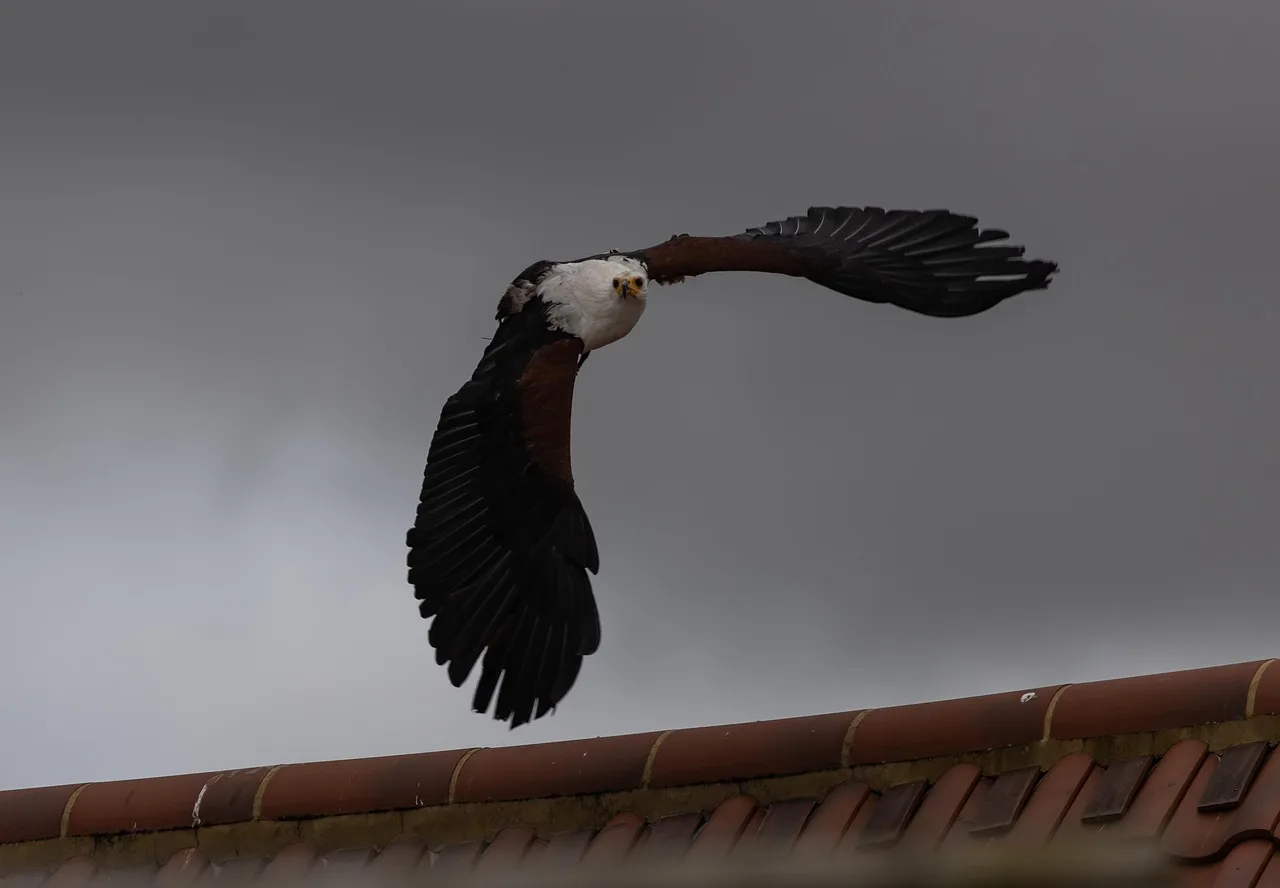
Görsel



Tanım
•Bir soyadı. Alıngan, kırgın
•sersem, budala, ebleh
•Eskimiş giyecek
•Hayvan çulu
•Zekâ düzeyi gelişmemiş kimse, anlayışı kıt olan, kavrayışsız
Atasözü & Deyim
“Balık ağa girdikten sonra aklı başına gelir”
“Balık baştan avlanır”
“Balık baştan kokar”
“Bekârlık maskaralık”
“Büyük balık küçük balığı yutar”
Diğer Dillerde
to blunt, dull, deaden
çekim: geçmiş stumpfte ab · ortaç abgestumpft · şimdiki stumpft ab · ulaç abstumpfend
zıt: aufleben
köken: ab- + stumpf + -en
aile: Abstumpfung, abgestumpft
Dezember 1991. — Aralık 1991.
Hatte er schon sein Gewissen bis zu dem Grade abgestumpft, daß er seine natürliche Tochter[…]
Fransızcaadoucir, amortir, assourdir, barbant, émoussé, émousser /a.du.siʁ/
(of foods, flavors, scents, etc.) to sweeten · (of any unpleasant thing) to make (more) agreeable, pleasant, mild, delicate, etc. · (of something physically rough or coarse) to soften, to smooth
çekim: geçmiş adouci · ortaç adouci · şimdiki adoucit · ulaç adoucissant
eş: doucir
köken: Inherited from Old French adoucir, adolcir, from dolz, douz (“sweet”), from Latin dulcis (“sweet”). By surface analysis, a- + doux + -ir.
aile: adoucissage, adoucissement, adoucisseur, radoucir
Chambre à louer. — Kiralık oda.
La sauce est trop salée ; je vais l'adoucir un peu.
adoucir la douleur
Il existe plusieurs méthodes pour adoucir l'eau.
to dull, lighten (to soften, moderate or blunt) · to kill (someone)
çekim: geçmiş aliviané · ortaç alivianado · şimdiki aliviana
köken: From a- + liviano + -ar.
İtalyancafosco, mero, monotono, noioso, nuvoloso, opaco /ˈfos.ko/
dark, murky, dusky · dull, overcast · gloomy; sad
zıt: chiaro, luminoso
köken: From Latin fuscus (“dark, dim”). Compare Spanish hosco, Portuguese fosco, fusco, Catalan fosc, Old French fusque.
aile: foscamente, foschia
Non fronda verde, ma di color fosco; / non rami schietti, ma nodosi e ’nvolti; / non pomi v’eran, ma stecchi con tòsco.
dipingere a tinte fosche
Rusçaглупый, бестолковый
Farsçaساده /saː.ˈda/
simple · easy · plain, ordinary
çekim: karşılaştırma سادهتَر · üstünlük سادهتَرین
köken: From Middle Persian *sādag, whence also Arabic سَاذَج (sāḏaj). Compare Bactrian σαδγο (sadgo, “plain, even”) and Old Armenian սատակ (satak), a Middle Iranian loanword.
aile: سادگی
حمله بر خود میکنی ای ساده مرد، همچو آن شیری که بر خود حمله کرد.
simple, ordinary, not complex · simple, simplex · primitive
çekim: karşılaştırma daha bəsit · üstünlük ən bəsit
köken: From Arabic بَسِيط (basīṭ).
bəsit maddə
bəsit ədəd
Kazakçaжеңіл, қарапайым /ʒeŋˈɘl/
light, lightweight · easy, simple
eş: оңай
köken: From Proto-Turkic *yeŋgül (“light; easy”). Cognate with Old Uyghur [script needed] (yeŋil, “easy”); Bashkir еңел (yeñel), Tatar җиңел (ciñel), Kyrgyz жеңил (jeŋil), Southern Altai јеҥил (ǰeŋil), Crimean Tatar yengil, Kumyk енгил (yeñil), Azerbaijani yüngül (“light”), Turkish yeğni and yüngül, Uzbek yengil, Khakas ниик (niik), Shor ниик, Western Yugur žig, Chuvash ҫӑмӑл (śămăl, “light; easy”), etc.
aile: ультражеңіл
easy
çekim: karşılaştırma osonroq · üstünlük eng oson
köken: Borrowed from Classical Persian آسَان (āsān).
Bu juda oson
Felemenkçeonnozel /ɔˈnoː.zəl/
innocent · naive, gullible · silly, goofy
çekim: karşılaştırma onnozeler · üstünlük onnozelst
köken: From Middle Dutch onnosel, from on- (“not”) + nosel (“dangerous”). Cognate with Low German unnösel (cf. German Schnösel).
aile: onnozelaar, Onnozele Kinderen, onnozelheid, onnozelweg
Portekizcecegar, cego, chato, desafiar, enfadonho, entediante /seˈɡa(ʁ)/
to blind, to cause blindness
çekim: geçmiş ceguei · ortaç cegado · şimdiki cega
köken: Inherited from Old Galician-Portuguese cegar, from Latin caecāre (“to blind”), from caecus (“blind”). Compare Asturian, Catalan, and Spanish cegar.
to blunt, blunten, dull · to blunt (senses: appetite, hearing, etc)
çekim: geçmiş άμβλυνα
zıt: ακονίζω
köken: From Ancient Greek ἀμβλύνω (amblúnō)
to be dull, blunt · to be slow-witted · to be brusque, impolite
eş: 죽다, 둔하다
zıt: 예리(銳利)하다, 예민(銳敏)하다
köken: First attested in the Worin seokbo (月印釋譜 / 월인석보), 1459, as Middle Korean 무듸〮다〮 (Yale: mwùtúy-tá). Compare Manchu ᠮᠣᡩᠣ (modo, “dull”)
to damp (suppress vibrations) · to dampen, to make less intense
çekim: geçmiş dämpade · ortaç dämpad · ulaç dämpande
köken: From Old Swedish dämpa, from Middle Low German dempen, from Proto-Germanic *dampijaną.
dämpa ljuset
Det dämpar smärtan
easy, simple (requiring little skill or effort) · easy (consenting readily to sex)
çekim: karşılaştırma łatwiejszy · üstünlük najłatwiejszy
eş: nietrudny, essa
zıt: trudny
köken: Etymology tree Proto-Slavic *latvъ Old Polish łatwy Polish łatwy Inherited from Old Polish łatwy, from Proto-Slavic *latvъ. The adjective may have originally meant "capable of being caught without difficulty", whence a semantic shift to "easy, simple".
aile: łatwowierny, łatwizna, łatwość, ułatwiać, ułatwić, załatwiać, załatwić
Ukraynacaле́гкий, про́стий, тупи́й
easy
köken: Borrowed from Classical Persian آسان (āsān), from Middle Persian 𐭠𐭮𐭠𐭭 (āsān). Compare Bengali আসান (aśan), Gujarati આસાન (āsān), Marathi आसान (āsān), Punjabi ਅਸਾਨ (asān).
slow (at a low speed; not fast, not quick) · stupid; mentally retarded
çekim: karşılaştırma hitaampi · üstünlük hitain
zıt: nopea, vauhdikas, äkäinen
köken: From Proto-Finnic *hidas (compare Karelian hijaš), borrowed from Proto-Germanic *sīþaz (compare German seit).
aile: hidastaa, hitaasti, hitailla, hitaus, hidasaaltouni, hidasajatuksinen, hidasjuoksuinen, hidasjärkinen, hidaskasvuinen, hidaskatu
hidas oppimaan
Çekçefádní, jednoduchý, lehký, natvrdlý, prostý, těžkopádný /ˈfaːdɲiː/
dull (boring)
commonplace
köken: Borrowed from French banal.
simple, uncomplicated (taken by itself, with nothing added) · simple · simple, unadorned, plain (without ornamentation)
çekim: karşılaştırma egyszerűbb · üstünlük legegyszerűbb
zıt: bonyolult, komplex, komplikált, összetett
köken: From egy (“one”) + -szerű (“-like, resembling”, adjective-forming suffix). The original meaning was one-part, composed of one part which later developed into not complicated and unadorned.
aile: egyszerűen, egyszerűség, egyszerűsít, egyszerűsödik, pofonegyszerű, egyszerű harmonikus rezgőmozgás, egyszerű mondat, egyszerű, mint a kétszerkettő, egyszerű, mint a pofon
egyszerű múlt
Egyszerű származású ember volt.
foolish, silly, simple, stupid · insipid, tasteless · awkward, clumsy, unwieldy
çekim: çoğul fatuī · tamlayan fatuī
zıt: prūdēns, sapiēns, callidus, sollers
köken: From Proto-Italic *fātus, of uncertain origin. Maybe from dialectal Proto-Indo-European *bʰat-. (See also battuō.) More likely, a derivative of *bʰeh₂- (“to speak”), particularly an abstract noun *bʰh₂-tu- (“speech”); thereby related to for. According to one hypothesis, Fatuus was an alternative name of the god Faunus, who predicted the future.
aile: fatua, fatuitās, fatuor, īnfatuō
Ego me ipsum stultum existimo, fatuum esse non opinor.
Ut sapiant fatuae, fabrorum prandia, betae.
Illa bipennem insulsam et fatuam dextra tenebat.
stupid, dense, dumb, thick, dim · foolish, silly, daft
çekim: karşılaştırma dummere · üstünlük dummest
köken: From Old Danish dumb, dum, from Old Norse dumbr (“dumb”), and in the main sense stupid from German dumm. Both from Proto-Germanic *dumbaz, from Proto-Indo-European *dʰewbʰ-. Compare Norwegian and Swedish dum, Icelandic dumbur, English dumb, Low German dumm, Dutch dom, German dumm.
aile: dumhed
Etimoloji
By surface analysis, al- (“to take”) + -ık.
Eş & Zıt Anlamlılar
Örnek Cümleler
Balık, lütfen.
Fish, please.
Bu oda kiralık.
This room is for rent.
O bir saçmalık.
That's a farce.
Tren kalabalıktı.
The train was crowded.
Bu balık büyüktür.
This fish is big.
Birçok balık öldü.
A lot of fish perished.
Otobüs kalabalıktı.
The bus was crowded.
Balık sever misiniz?
Do you like fish?
Balıklar suda yaşar.
Fish live in the water.
Bir balık yüzebilir.
A fish can swim.
Balık hâlâ canlı mı?
Is the fish still alive?
Hiç balık gördün mü?
Did you ever see the fish?
İlgili Sorular
Ruhun derinliklerinde bizi hayallerimizi gerçekleştirmekten ve görevimizi tam anlamıyla yerine getirmekten alıkoyan şey nedir?
Aşkını hissettiğim bir genç hakkında durmadan düşünmekten kendimi alıkoyamıyorum; belki de artık beni istemiyordur?
En yakın arkadaşım, 50. kez erkek arkadaşından ayrıldı ve hâlâ ona geri dönüyor. Kendisi zihinsel olarak istismar ediyor. Sonunda 1 yaşındaki çocuğu için velayet davası açmaya cesaret etti ve yakında mahkeme var. Onu bu kötü ortamdan ve bebeği için geri dönmesinden nasıl alıkoyabilirim?
Beni fotoğraf çekmekten alıkoymak için arkadaşım ile ne konuşmalıyım?
Bir Hristiyan kız, din açısından bir Müslümanla evlenmekten neden alıkonulur?