Sözlük
boyunca
adv
A1 seviye
TR → FINCE
"boyunca" kelimesinin İngilizcesi: -lla, -sta, -stä, aikana, enemmän kuin. Anlamı, çevirisi, telaffuzu ve örnek cümleler aşağıdadır.
Çeviri
Genel-lla
Genel-sta
Genel-stä
Genelaikana
Genelenemmän kuin
Genelhuolimatta
Görsel
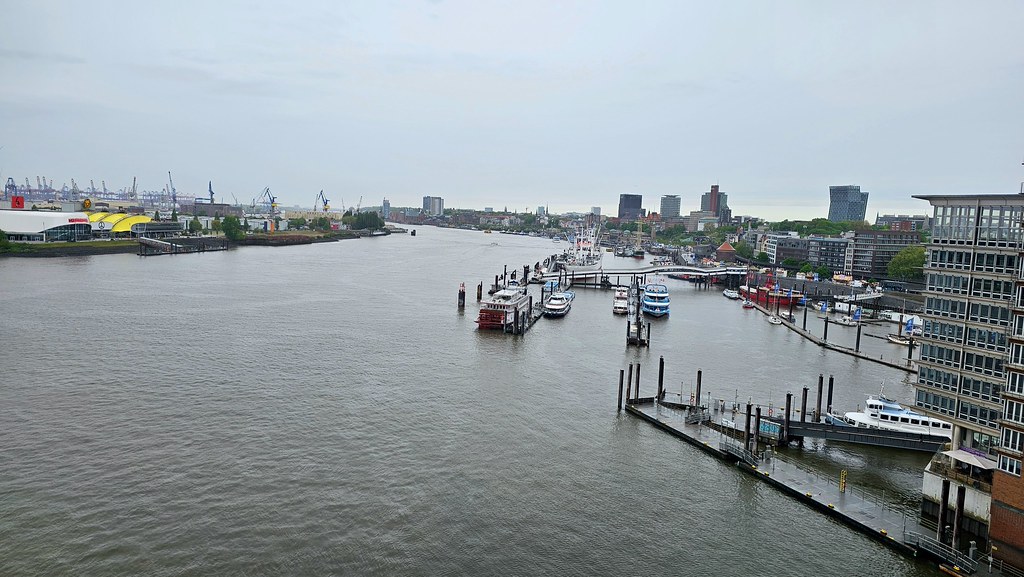


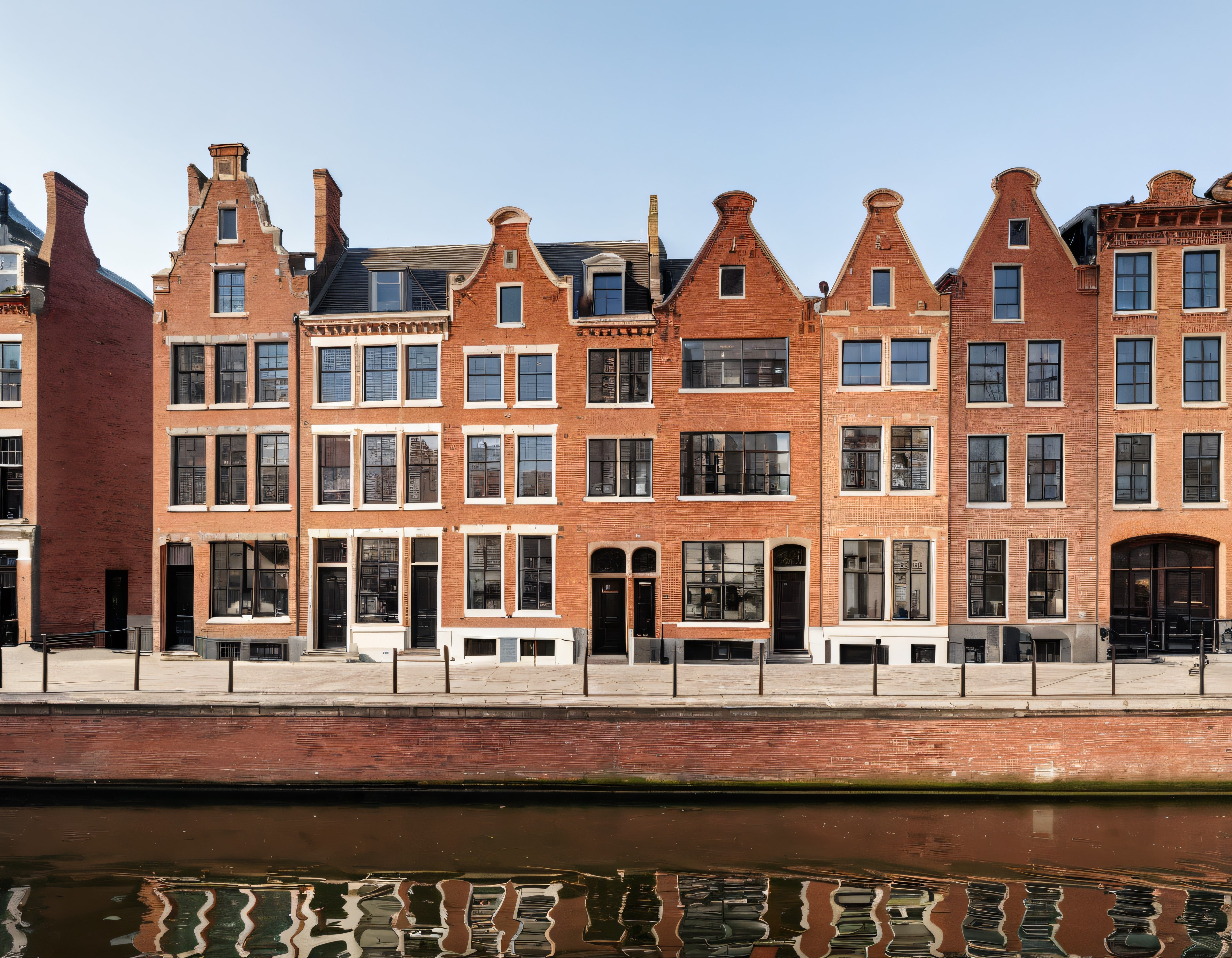
Tanım
•Case suffix of the adessive case.
Diğer Dillerde
Almancaentlang /ɛntˈlaŋ/
along
köken: Borrowed from Middle Low German entlanc, cognate with German in lang (with a gliding sound -t-).
Wir verbringen lange Tage ... — Günler boyunca...
Ich gehe an dem Fluss entlang.
Ich gehe hier entlang.
once more, once again, in a different manner, on a new basis
eş: de nouveau, encore, re-
Au cours de sa vie, — Hayatı boyunca
İspanyolcaa través de, acabado, al través de, cambio, entre, excesivamente /a tɾaˈbes de/
across · through, via
köken: Compound of a (“to; at”) + través (“[the] turn”, from Latin trānsversus) + de (“of”). Compare Portuguese através de, Italian attraverso and French à travers.
Durante su vida, — Hayatı boyunca
İtalyancaal di là, ancora, attraverso, finito, grazie a, nuovamente (eril)
alternative spelling of aldilà (“afterlife”)
eş: oltre
Fa cadere i suoi gioielli lungo la strada. — Yol boyunca.
[with accusative] · during (close to в течение (v tečenije)) · time before an event
eş: позади, на расстоянии, в течение, на протяжении, для, в интересах
köken: Inherited from Proto-Slavic *za.
- Верно. — Yol boyunca.
за вре́мя пребыва́ния в Москве́
за после́дние два́дцать лет
за́ три дня
Azericehesabına, vasitəsilə /he(ː)sɑbɯˈnɑ/
inflection of hesab · inflection of hesab: · third-person plural possessive dative singular
hesabına pul köçürmək
above · upstairs
zıt: beneden, onder
köken: Inherited from Middle Dutch bōven, from Old Dutch *biovan, from Proto-West Germanic *biobanā, from *bi- + *obanā.
(Gelach) We spenderen lange dagen ... — Günler boyunca...
Het vogelnestje zat hoog boven in de boom.
De kinderen speelden boven in hun slaapkamer.
De vergaderzaal bevindt zich boven, op de tweede verdieping.
Portekizceatravés, através de, câmbio, concluído, de novo, mais que /a.tɾaˈvɛ(j)s/
through, across (from one side to the other) · through, by means of
köken: From a (“at, to”) + Latin trānsversus (“from side to side”). Compare Spanish a través de, Italian attraverso and French à travers.
aile: através de
Durante a sua vida, — Hayatı boyunca
Vi-a através da vidraça.
A folhagem dos joazeiros appareceu longe, atravez dos galhos pelados da catinga rala.
Conseguimos através da força.
Yunancaμέσω /ˈme.so/
via (by way of) · via, through (by means of)
köken: From Ancient Greek μέσῳ (mésōi), dative singular of μέσος (mésos, “middle”), a semantic loan from German mittels.
Περνάμε πολλές μέρες — Günler boyunca...
Η πτήση είναι μέσω Λονδίνου.
Θα πάμε μέσω Αθήνας.
Ο αγώνας θα μεταδοθεί ζωντανά μέσω δορυφόρου.
Japonca...を通って, ...を通り抜けて, どうぞ, 上に, 割る /do̞ːzo̞/
used to express one's strong desire for something; no matter how; by all means; seriously · used when offering something or permissions; please (go ahead); help yourself; certainly you may; here you are; by all means
köken: From どう (dō, “how, anyhow”) + ぞ (zo, emphatic particle).
とても恵まれていました — Hayatı boyunca
どうぞ大学に入れますように
どうぞして産みの母にめぐりあいたい
どうぞご堪能ください
division · divided by (in arithmetic formulae)
eş: 나눗셈
köken: From 나누- (nanu-) + -기 (-gi).
다윈은 큰 특권을 — Hayatı boyunca
6 나누기 3은 2야.
again · back
köken: From Old Swedish āter, from Old Norse aptr, from Proto-Germanic *aftrą.
aile: återanpassa, återanvända, återberätta, återbesök, återbetala, återbud, återbära, återbörda, återerövra, återfalla
Och under smekmånaden också. — Ve balayı boyunca da.
Talibanerna har åter tagit makten i Afghanistan.
När kommer du åter?
gå fram och åter
Lehçeodbiór, poprzez, przez, przez noc, skończony, ukończony (eril) /ˈɔd.bjur/
receipt (act of receiving) · reception
çekim: çoğul odbiory · tamlayan odbioru
eş: odbieranie
köken: Etymology tree Polish odbieraćdeverb. Polish odbiór Deverbal from odbierać.
W swoim życiu — Hayatı boyunca
Ukraynacaзакі́нчений, зно́ву, крізь, пе́рез /krʲizʲ/
through
köken: From Proto-Slavic *krozě. Cognate with Bulgarian кръз (krǎz), Serbo-Croatian кро̏з, Czech krůz, Slovak kroz.
45 років чого? — 45 yıl boyunca ne?
Case suffix of the adessive case.
köken: From Proto-Finnic *-lla, from earlier *-l-na, composed of an element *-l(l)- (external locative infix; see -lle) and the essive/locative suffix *-na. Compare Moksha -ла (-la) in фтала (ftala, “behind”).
aile: -llinen, -lloin
-jonka läpi e ipäässyt ainuttakaan auringonsädettä tuhanteen vuoteen. — 1000 yıl boyunca.
Çekçenad, přepínám, přes, skrz /ˈnat/
over, above
eş: přes, o
zıt: pod
köken: Inherited from Old Czech nad, from Proto-Slavic *nadъ.
45 let čeho? — 45 yıl boyunca ne?
above, over, on top of
köken: From de- + asupra. Compare Aromanian disuprã, Italian di sopra.
De-a lungul vieții sale, — Hayatı boyunca
Inside a definable space. Question word: hol? (“where?”). · In a defined period of time. Question word: mikor? (“when?”) · In some situation or condition. Question word: hogyan? (“how?”)
Az élete folyamán — Hayatı boyunca
ágy (“bed”) + -ban → ágyban (“in bed”)
A gyerekek már ágyban voltak.
január (“January”) + -ban → januárban (“in January”)
before · in front
köken: From Proto-Italic *prai, from Proto-Indo-European *préh₂i. Cognate with Old Latin *pri (“before”), as in prior, prīdiē, etc. Other Italic cognates include Oscan 𐌐𐌓𐌀𐌉 (prai) and Umbrian 𐌐𐌓𐌄 (pre). The prepositional ablative is from the PIE locative.
aile: prae-, praeter, praeeo
prae ea urbe
Finished.
köken: Cognates include German vorbei
Enheder langs X- akse — X ekseni boyunca birimler
Mødet er forbi.
I 2001 og 2002. — 2001 yılı boyunca, ¡Si!
Endonezcebalik halaman, ganti, lewat, melalui /ˈɡanti/
deputy, vice · replacement, substitute · compensation, indemnification
çekim: çoğul ganti-ganti
köken: Inherited from Malay ganti.
aile: berganti, berganti-ganti, bergantian, diganti, diganti-ganti, digantikan, mengganti, mengganti-ganti, menggantikan, pengganti
Selama hidupnya, — Hayatı boyunca
Vietnamcabên kia, qua, trên, xuyên qua /kwaː˧˧/
through, across (from one side to the other) · by way of · by means of, by, over, using
köken: Sino-Vietnamese word from 過 (“pass”). Doublet of quá.
Trong suốt cuộc đời mình, — Hayatı boyunca
ô-tô chạy qua cầu
xe vượt qua đèo
nhìn qua cửa sổ
Bulgarcabut see пре-, делено на, завършен, из, край, пак /is/
in, through, around (a location) · from, out of · along, by (a location)
köken: Inherited from Proto-Slavic *jьz.
В течение на живота си — Hayatı boyunca
разхо́ждам се из гора́та
шля́я се из Евро́па
разпръ́сквам се из поле́то
Etimoloji
boy + -unca
Eş & Zıt Anlamlılar
Örnek Cümleler
Hayatı boyunca
Over the course of his life,
5 sene boyunca.
For 5 years.
Günler boyunca...
(Laughter) We spend long days ...
45 yıl boyunca ne?
45 years of what?
Bütün kitap boyunca
And so throughout the whole book,
Kıyı boyunca yürüdü.
He walked along the shore.
Film boyunca uyudum.
I slept through the entire movie.
Hayatım boyunca babam
I have had
Ve balayı boyunca da.
And during the honeymoon, too.
Yani bu ders boyunca.
In the course of this class.
Sahil boyunca yürüdük.
We walked along the beach.
Nehir boyunca yürüdük.
We walked along the river.