Sözlük
/uğur
uğur
/uˈuɾ/
noun
C2 seviye
TR → EN
"uğur" kelimesinin İngilizcesi: fortune, luck, fortune, maize, gizmo. Anlamı, çevirisi, telaffuzu ve örnek cümleler aşağıdadır.
Çeviri
Genelfortunenoun
Genellucknoun
Genelfortune
Genelmaize
Genelgizmo
Genelluck
Genelgizmo
Genelluck
Genelmaize
Genelmaize
Genelgizmo
Genelluck
Görsel
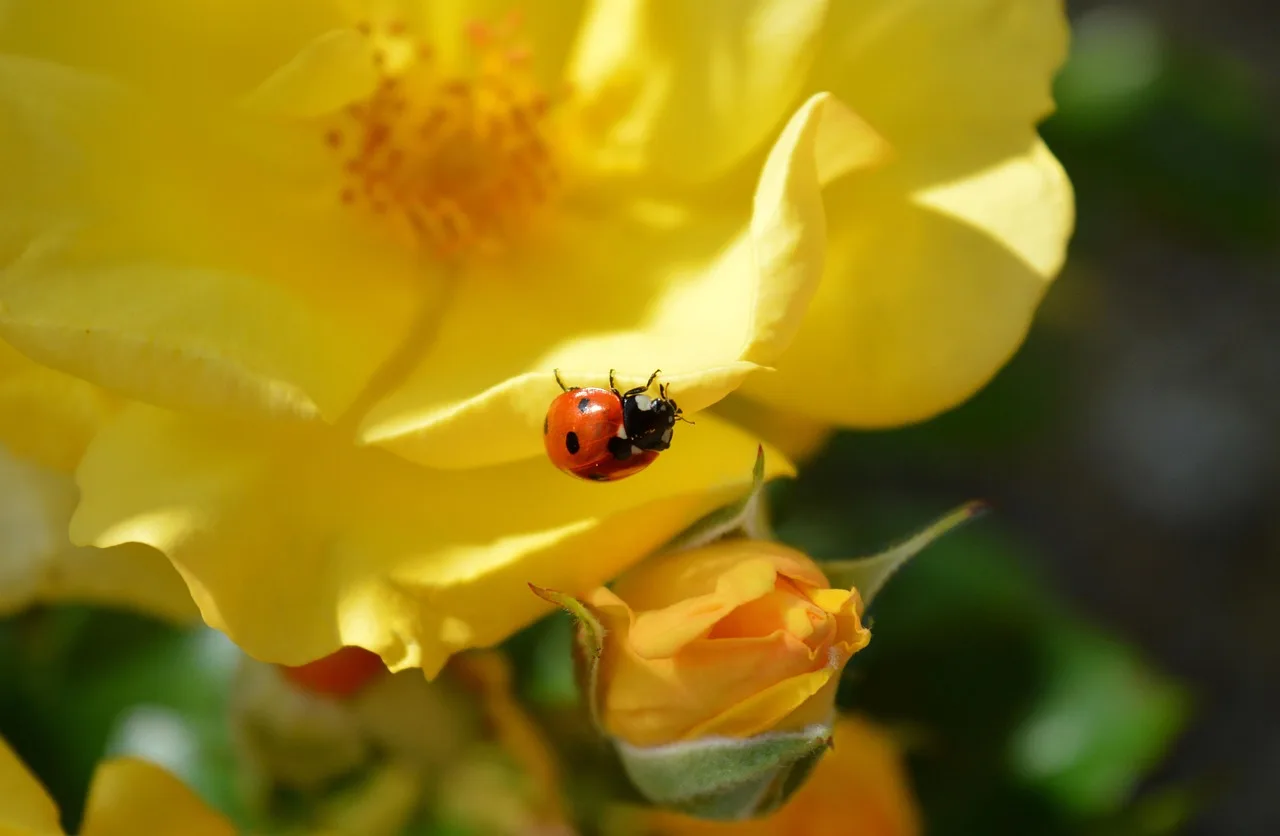
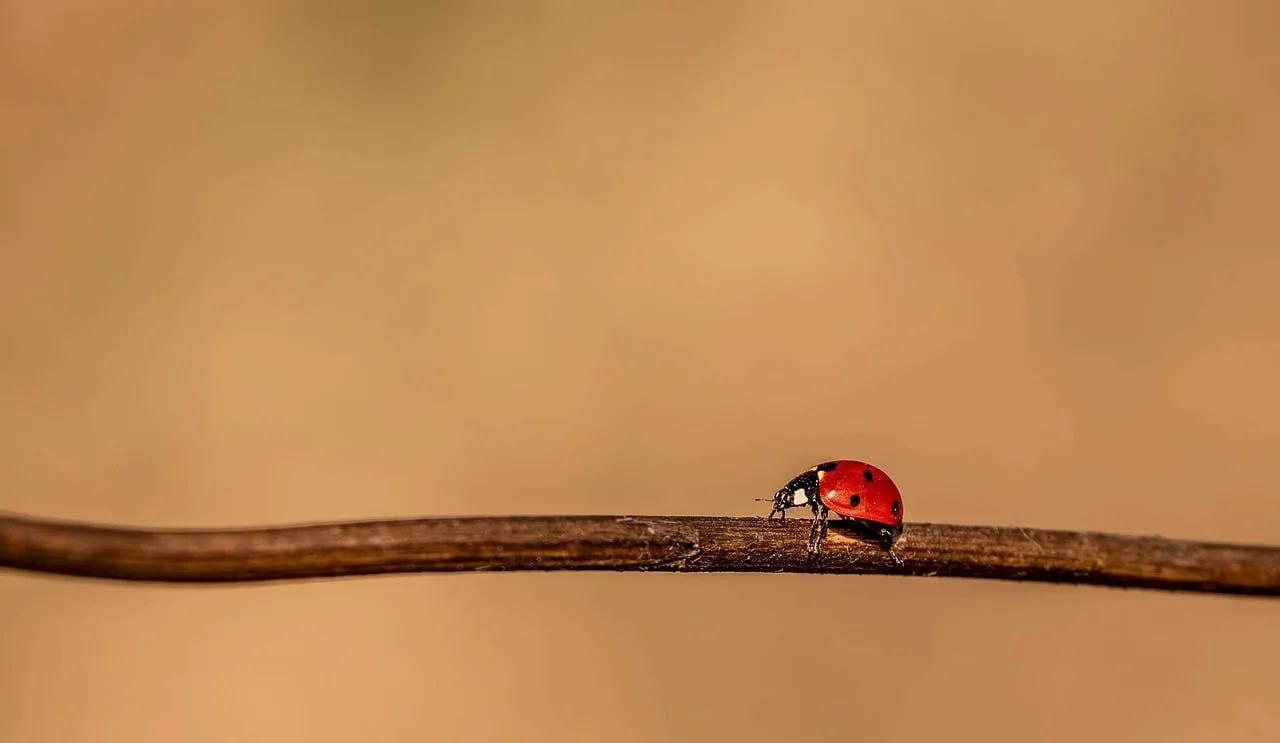
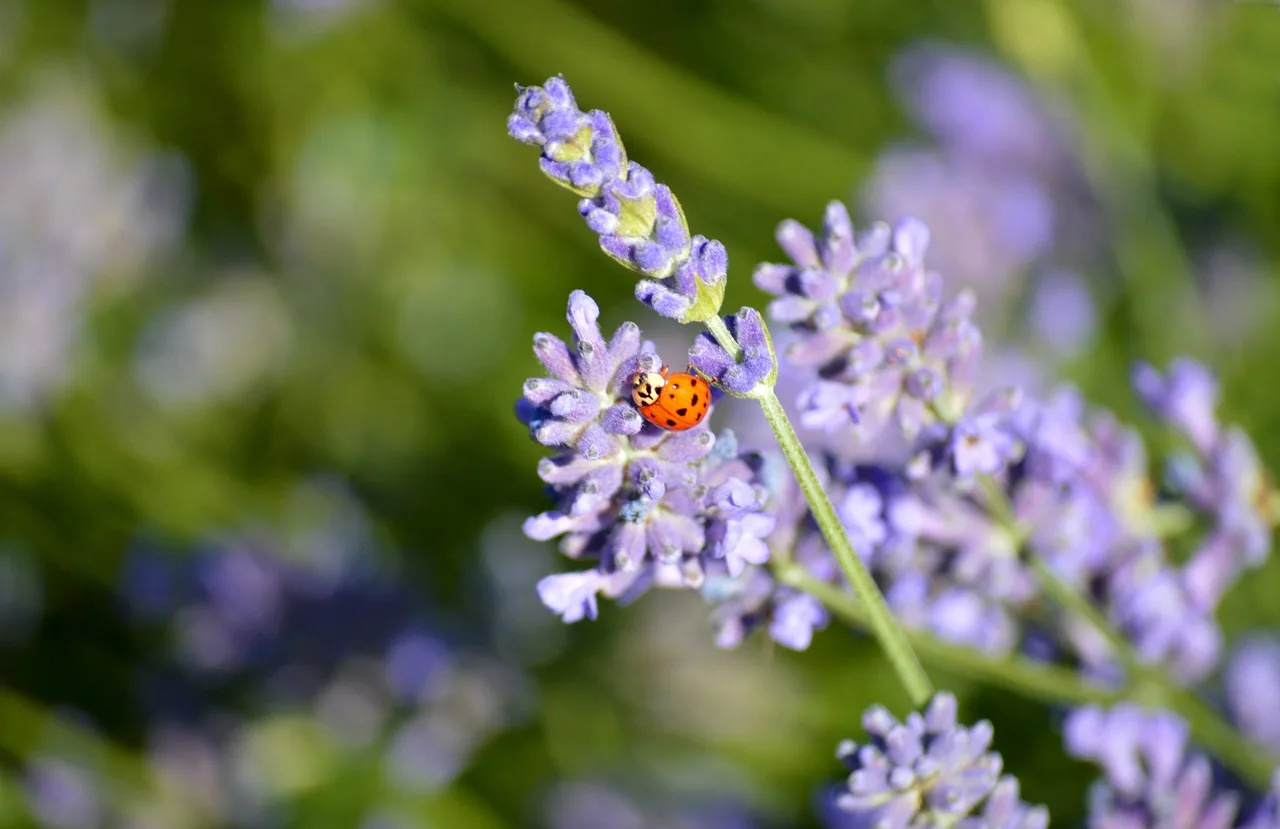
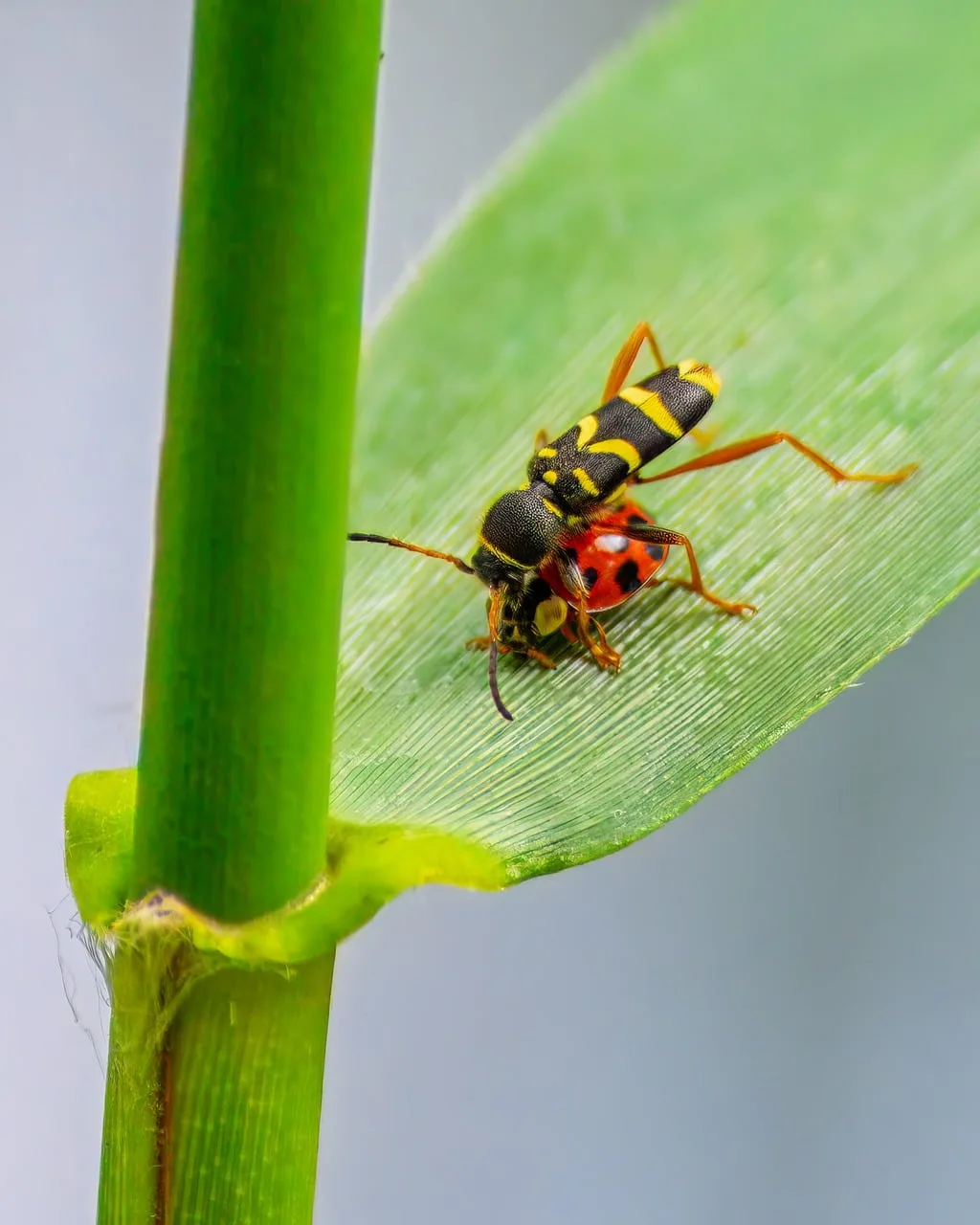
Çekim Tablosu
Belirtme (-i)uğru
Yönelme (-e)uğra
Bulunma (-de)uğurda
Çıkma (-den)uğurdan
Tamlayan (-in)uğrun
Çoğul (-ler)Uğurlar
Tanım
•(Adana ağzı) Kıyı.
•(Adana ağzı) Yakın.
•(Balıkesir ağzı) Ceviz ağacı.
•(Balıkesir, Ordu ağzı) Zaman.
•(Bursa ağzı) Yelden, yağmurdan korunulacak yer.
•(Kırklareli ağzı) Bölge.
•(Kırklareli ağzı) Çizgi, hiza
•Bazı olaylarda görülen ve insana iyilik getirdiğine inanılan belirti veya bazı nesnelerde var olduğuna inanılan iyilik kaynağı; sur, meymenet.
Diğer Dillerde
AlmancaGlück, Schicksal, Vermögen (nötr) /ɡlʏk/
happiness, joy, bliss (state or emotion) · luck, success (mostly when seen as dependant on unearned, accidental factors) · good luck, chance (positive coincidence)
çekim: tamlayan Glückes
eş: Zufallsglück, Schwein, Massel, Dusel, Fortuna, Wohl
zıt: Unglück, Leid, Elend, Pech, Misserfolg, Scheitern
köken: From Middle High German gelücke (12th century), at first along the Lower and Middle Rhine. Probably borrowed from Old Dutch *gilukki as part of the Flemish knight culture; compare Middle Dutch gelucke (1240), whence modern Dutch geluk. (The fact that the word is attested in High German before Dutch must be disregarded in view of the minimal attestation of Old Dutch as a whole.) Further origin…
aile: Anfängerglück, Angst-Glücks-Psychose, beglücken, Bruttonationalglück, Eheglück, Familienglück, Glück im Unglück, glückbringend, glücken, glücklich
Angesichts Seiner. — Onun uğuruyla.
Das größte Glück im Leben ist es, geliebt zu werden.
das Streben nach Glück
Er hatte immer schon viel Glück bei den Frauen.
FransızcaChance (dişil) /ʃɑ̃s/
chance · luck · Immigrant of non-European heritage, short for "chance pour la France".
çekim: çoğul chances
eş: bol, chatte, choune, concours heureux de circonstances, cul, fortune
zıt: adversité, guigne, malchance, malheur
köken: From Old French cheance (“accident, chance, luck”), inherited from Vulgar Latin *cadentia (“falling”). Doublet of cadence, a borrowing from Italian.
aile: au petit bonheur la chance, avoir de la chance, bonne chance, chance de cocu, chanceux, coup de chance, égalité des chances, la faute à pas de chance, malchanceux, mettre toutes les chances de son côté
Sainte maman. — Uğur Mah.
Il y a des fortes chances que vos neurones fonctionnent bien
fortune · fortune, prophecy, reading · wealth
çekim: çoğul fortunas
eş: suerte, acaso, azar, hado, sino, destino
köken: Borrowed from Latin fortūna, from fors (“chance, luck”).
aile: afortunado, bienes de fortuna, caballero de fortuna, cazafortunas, galleta de la fortuna, golpe de fortuna, lance de fortuna, por fortuna, rueda de la fortuna, tiempo de fortuna
MariquitaName — Uğur BöceğiName
destiny, fate · destination
çekim: çoğul destini
eş: caso, destinazione, fatalità, fato, fortuna, futuro
köken: Deverbal from destinare + -o.
Ave Maria! — Uğur Mah.
Rusça(мужское имя), предзнаменование, примета (хорошая), удача, везение, счастливый случай
предзнаменование, примета (хорошая)
Аве Мария. — Uğur Mah.
Arapçaبَخْت, ثَرْوَة, حَظّ
أبو الخير. — Uğur Mah.
fortune, prosperity, felicity, happiness · luck (good or bad) · horoscope, nativity, planet, constellation
köken: From Middle Persian [script needed] (b(ʾ)ht' /baxt/, “fortune, luck”) which is the past stem of Middle Persian [script needed] (b(ʾ)htn', bhš- /baxtan, baxš/, “to apportion, to distribute, to allocate”), from Proto-Iranian *bagta- (“assigned, allotted; fate”), a lexicalized past participle ultimately from Proto-Indo-European *bʰeh₂g- (“to distribute”); see there for further information.
aile: بَختاوَر, بَختیار, بَدبَخت, خْوَشبَخت, کمبخت
fate · luck
köken: From Persian بخت (baxt).
aile: bəxti gətirmək, bəxtli
Vay mənim bəxtimə!
Kazakçaбақ
garden
çekim: çoğul бақтар · tamlayan бақтың
köken: From Persian باغ (“garden”). Doublet of бау (bau).
Felemenkçegeluk (nötr) /ɣəˈlʏk/
luck, good luck · happiness
çekim: çoğul gelukken
eş: meevaller, mazzel
köken: From Middle Dutch geluc, further origin unknown. Found only in West Germanic (as a word of native origin). More at German Glück (“joy, bliss, luck”).
aile: beginnersgeluk, gelukkig, geluksbrenger, geluksdag, gelukskoekje, geluksvogel, gelukwens, gelukzalig, gelukzoeker, ongeluk
Zie Goedendag (bier) — Uğur İçbak (d.
Portekizcechance, fortúnio, sina, sorte (dişil) /ˈʃɐ̃.si/
probability · chance, opportunity
çekim: çoğul chances
eş: probabilidade
köken: Borrowed from French chance. Doublet of cadência.
Ave Maria. — Uğur Mah.
Yunancaτύχη (dişil) /ˈti.çi/
fate, chance, luck
çekim: çoğul τύχες · tamlayan τύχης
köken: From Ancient Greek τύχη (túkhē), from Proto-Hellenic *túkʰā, from Proto-Indo-European *dʰewgʰ-.
Δόξα Προσ. — Uğur Mah.
chance (an opportunity or possibility)
köken: Borrowed from English chance. First attested in 1893.
Name — Uğur BöceğiName
今がチャンスだ!
笑っていた‥‥ソウビは‥‥死にむかって落ちていくそのあいだもずっと‥‥助かる方法はあった‥‥だけどソウビは——ぼくを殺す——最後の機会にかけた‥‥‼自分の命を棄ててまでぼくを‥‥そうまでして‥‥
opportunity
eş: 때, 시기
köken: Sino-Korean word from 機會, from 機 (“turning point/hinge”) + 會 (“moment/event”)
aile: 기회주의
해녕의 아들. — Uğur Mah.
지금이 기회이다.
wealth, fortune (a state of wealth) · a fortune (a big sum of money, a person's savings) · a capability
çekim: çoğul förmögenheter · tamlayan förmögenhets
köken: förmögen + -het
Jesu födelse. — Uğur Mah.
Lehçebogactwo, sukces, szczęście, zamożność (nötr) /bɔˈɡa.t͡stfɔ/
wealth (great amount of valuable assets or material possessions) · riches (material or otherwise things of great value) · wealth, richness
çekim: çoğul bogactwa · tamlayan bogactwa
zıt: bieda, niedostatek, ubóstwo
köken: Inherited from Old Polish bogactwo, from Proto-Slavic *bogatьstvo. By surface analysis, bogaty + -ctwo.
Żałoń (t. — Ömer Uğur (d.
wielkie bogactwo
ogromne bogactwo
bogactwo materialne
Ukraynacaбага́тство, замо́жність, у́спіх, ща́стя
Лютий 1968. — Ugursuz, 1968.
fortune · luck · chance
çekim: çoğul भाग्यों
eş: क़िस्मत
köken: Borrowed from Sanskrit भाग्य (bhāgyá).
success among the opposite sex · luck, especially an unexpected good event
çekim: çoğul flaksit · tamlayan flaksin
köken: From Swedish flax.
Piru elää. — Uğur Mah.
wealth
çekim: çoğul bohatstvím
zıt: chudoba
köken: Inherited from Proto-Slavic *bogatьstvo.
BeruškaName — Uğur BöceğiName
assets · wealth
çekim: çoğul averi · tamlayan averi
köken: From the verb avea (“to have”) + -re.
Cu acest prilej dl. — Onun uğuruyla.
Macarcaborsos ár, sors, szerencse, vagyon, végzet, véletlen /ˈborʃoʃ ˌaːr/
an arm and a leg, fortune, king's ransom, pretty penny (a very high price for an item or service)
çekim: çoğul borsos árak
köken: borsos (“exorbitant”) + ár (“price”)
KaticaName — Uğur BöceğiName
İbraniceגָּד, גּוֹרָל, הוֹן, מַזָּל
ברוך וא. — Uğur Mah.
Latincefors, fortūna /ˈfɔrs/
luck, chance
çekim: çoğul fortēs · tamlayan fortis
köken: From Proto-Italic *fortis, from Proto-Indo-European *bʰértis (“the act of carrying”) (compare Old Irish brith, German Geburt, English bear, burden, Russian бремя (bremja, “burden”), брать (bratʹ, “to take”), Sanskrit भृति (bhṛti, “carrying”)), derivative of *bʰer-, whence also Latin ferō (“bring, carry”). For the semantic development, compare Proto-Germanic *buriz (“favorable wind”), from the…
fors suā cuique locō est
Dancaheld /ˈhɛlˀ/
luck, fortune
çekim: tamlayan helds
zıt: uheld
köken: From Old Norse heill (“omen, happiness”), from Proto-Germanic *hailzą, from the adjective *hailaz (“whole, sound”) (Danish hel). Compare Norwegian hell.
LadybugginName — Uğur BöceğiName
Norveççeflaks
Gud nåde dere for denne dommen.» — "Uğur Hüküm İçin..."
Endonezcekeberuntungan /kəbərunˈtuŋan/
luckiness
çekim: çoğul keberuntungan-keberuntungan
köken: Affixed beruntung + ke- -an.
Isinya sebagai berikut (artinya saja): Semoga selamat. — Uğur Hüküm (d.
Etimoloji
Eski Türkçe oğur
Deyimler
Kelime Ailesi
Eş & Zıt Anlamlılar
Örnek Cümleler
Uğur Mah.
Thank goodness.
"Uğur Hüküm".
"Good judgment".
Uğur Hüküm (d.
Be Righteous.
Onun uğuruyla.
Hans Udet.
Bu, uğursuzdur.
This is inauspicious.
Uğur BöceğiName
Ladybuggin
Ayakta uğurlanır.
Cado In Piedi.
Bu uğursuz geldi.
That sounded ominous.
Gülay Uğurata, (d.
S.D. – Salutem dicit.
O uğursuz görünüyor.
That sounds ominous.
Ben, Uğur Mumcu'yum.
The Bent Musket.
Çeviri : Uğur Batmaz
We'll call my homeboy in Israel! / See who got the last laugh! /
İlgili Sorular
Uğur böceklerini tanımlarken hangi sıfatları söyleyebiliriz?
Uğur böceklerini betimlemek amacıyla hangi sıfatlar uygundur?
Uğur böceklerini tarif ederken kullanılabilecek sıfatlar nelerdir?
Uğur böceklerini tanımlamak için hangi sıfatları kullanabilirim?
Uğur böceklerini nitelendirmek için ne tür sıfatlar tercih edilebilir?
İlgili / Bileşik Terimler
Genelladybird
Genelladybug
Genelcoccinellidae
Genelladybird