takım
/taˈkɯm/
noun
A1 seviye
TR → EN
"takım" kelimesinin İngilizcesi: crew, assemblage, band, batch, bevy. Anlamı, çevirisi, telaffuzu ve örnek cümleler aşağıdadır.
Çeviri
Bilimcrewnoun
Genelassemblage
Genelband
Genelbatch
Genelbevy
Genelbunch
Genelclass
Genelcrew
Genelensemble
Genelfitting
Genelgamut
Genelgang
Genellayout
Genelpack
Genelparcel
Genelposse
Genelset
Genelsquad
Genelsuite
Geneltackle
Geneltrain
Genelapparatus
Genelorder
Genelorder
Genelplatoon
Genelplatoon
Görsel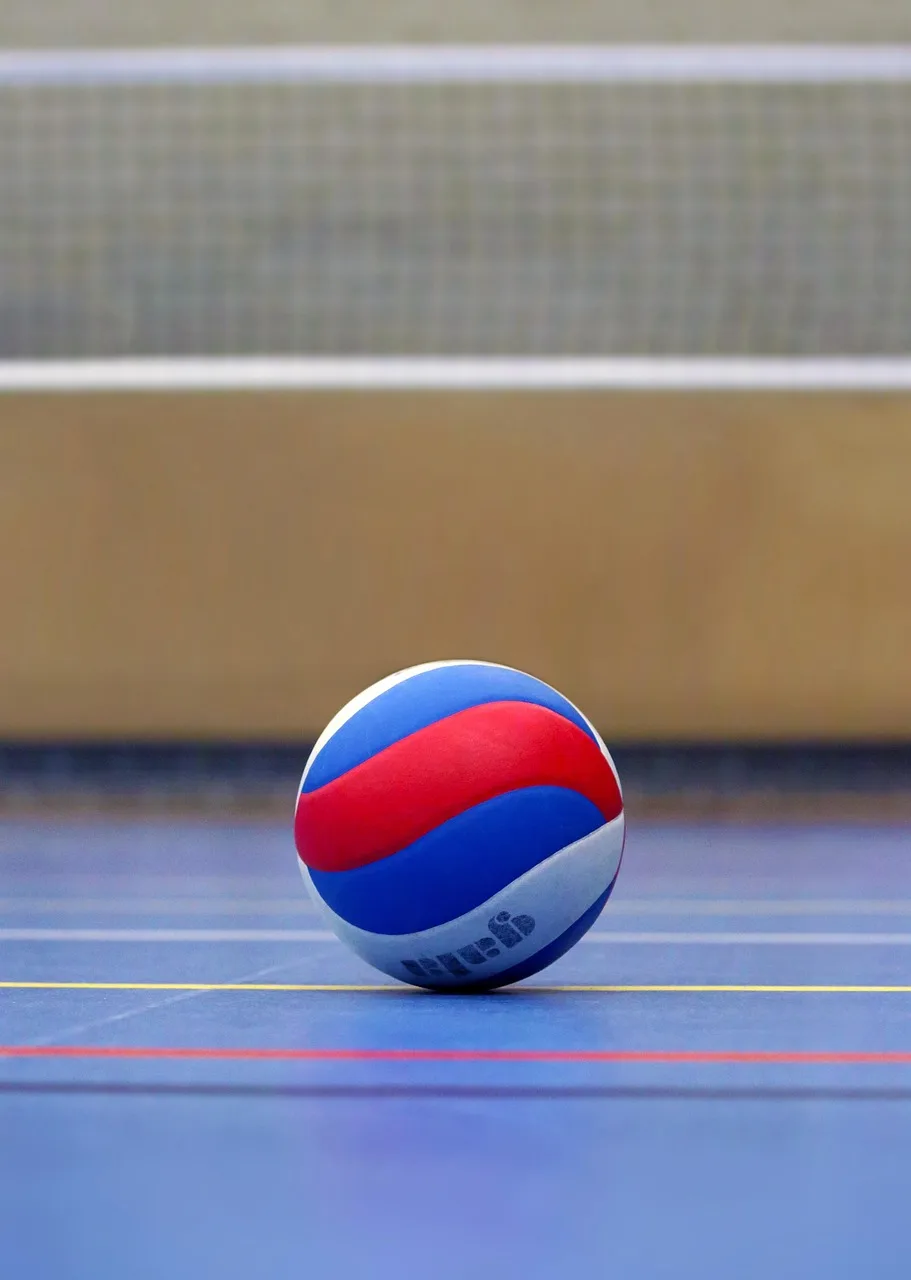



Çekim Tablosu
Belirtme (-i)takımı
Yönelme (-e)takıma
Bulunma (-de)takımda
Çıkma (-den)takımdan
Tamlayan (-in)takımın
Çoğul (-ler)takımlar
Tanım
•isim: Bir işte veya bir yerde kullanılan eşya ve aletlerin tamamı; ekipman
•Meslek, davranış, durum vb. yönlerden birbirine uyan kimselerin oluşturduğu topluluk
•ekip
•Birbirini tamamlayan şeylerin tümü
•sigara ağızlığı
•takım elbise
Diğer Dillerde
a group of friends, a gang, clique · a clique, cabal, camarilla · clique
çekim: çoğul Cliquen · tamlayan Cliquen
eş: Bande, Gang, Freundeskreis, Klüngel
köken: From French clique.
2 Teams — 2 Takım
Fransızcaappareil, assigner, commande, commander, degré, déterminé (eril) /a.pa.ʁɛj/
apparatus, device · ellipsis of appareil photo: camera (for photographs) · telephone
çekim: çoğul appareils
köken: From appareiller (in Old French apareil). Less likely from a Vulgar Latin *apparic(u)lum; cf. apparātus (whence apparat).
aile: dans le plus simple appareil, dans son plus simple appareil
L'équipe & kde; — KDE Takımı
appareil photo
appareil dentaire
Pourrais-je parler avec monsieur Tremblay, s'il vous plaît ? / À l'appareil.
to line up, align
çekim: geçmiş alineé · ortaç alineado · şimdiki alinea
zıt: desalinear
köken: From a- + línea (“line”) + -ar.
aile: alineación, alineador, alineamiento, desalinear
2 equipos — 2 Takım
to heddle, thread · to set (a saw), to adjust (bend) the teeth of (of a saw) · to make off
çekim: geçmiş allicciàto · ortaç allicciàto · şimdiki allìccia · ulaç allicciànte
köken: From a- + liccio + -are.
aile: allicciatura, allicciatore
2 squadre — 2 Takım
Arapçaأَمَرَ, أَمْر, تَرْتِيب, جَمَاعَة, حَجَزَ, حُكْم
مجموعتان — İki Takım
To order (to request some product or service)
çekim: geçmiş سفارش ده · ortaç سفارش دهنده · şimdiki سفارش میده · ulaç سفارش دهنده
köken: From سفارش (sefâreš, “order”) + دادن (dâdan, “give”).
Azericebuyruq, buyurmaq, çoxluq, düzgü, əl gəzdirmək, əmr /bujˈrux/
command, order
çekim: çoğul buyruqlar · tamlayan buyruğun
köken: From buyur- + -uq.
unchangeable, unalterable · unchanged, unaltered
eş: αναλλοίωτος
2 ομάδες — 2 Takım
set (collection of items) · set (division of a match in certain sports) · setting; adjusting settings
çekim: geçmiş セットした
köken: Borrowed from English set.
KDE 開発チーム — KDE Takımı
人の髪をセットする
order, command · an order or commandment of a spiritual master or guru to a disciple
çekim: çoğul आज्ञाएँ
köken: Borrowed from Sanskrit आज्ञा (ājñā, “order, command, authority”).
उसकी आज्ञा नहीं टल सकती।
अपके पिता की आज्ञा का पालन करो।
attitude (disposition or state of mind)
çekim: çoğul asenteet · tamlayan asenteen
köken: asentaa (“to set, place”) (archaic, dialectal) + -e
aile: asennoitua, asenteellinen, -asenteinen, asenneilmasto, asennekasvatus, asennemittaus, asennemuutos, asennevamma, asenteenmuutos, elämänasenne
KDE- työryhmä — KDE Takımı
Çekçemnožina, nastavit, objednat, objednávat, objednávka, pořádek (dişil) /ˈmnoʒɪna/
soubor vzájemně odlišitelných objektů chápaný jako celek
çekim: çoğul množiny · tamlayan množiny
köken: From mnohý + -ina.
aile: fuzzy množina, nadmnožina, nespočetná množina, podmnožina, potenční množina, prázdná množina, spočetná množina, teorie množin, uspořádaná množina
Tým KDE — KDE Takımı
Macarcaállít, beállít, elrendel, elrendez, elrendezés, érdemrend /ˈaːlːiːt/
to place, put, set, stand, erect (to place in an upright or standing position) · to set, adjust (into a certain position) · to assert, claim, state, allege
çekim: geçmiş állítottak
köken: From áll (“to stand”) + -ít (causative verb-forming suffix). First attested in 1636. The figurative sense is a blend of the obsolete verb alít (“to think, claim, assert”), from al (of unknown origin) + -ít (causative verb-forming suffix) and the verb állat (“to put someone/something somewhere”), from áll (“to stand”) + -at (causative verb-forming suffix). Due to the similarity in phonetics and…
aile: állítás, állítható, állítmány, állítólag, állítólagos, állíttat, állíttatik, átállít, beállít, beleállít
A KDE csapat — KDE Takımı
Az állólámpát a sarokba állítottuk.
Állítsd az órát hat húszra.
a collection
çekim: çoğul אוספים
שתי חבילות — İki Takım
a larger facility, plant or construction · an installation (made up of several units) · the planning and construction of something
çekim: çoğul anlæggene · tamlayan anlægs
köken: From anlægge, probably from Middle Low German anleggen or calque of German Anlage. Cf. Swedish anlägg. Ultimately from Proto-Germanic *analagjaną.
aile: anlægsinvesteringer, anlægsomkostning, anlægsopgaver, anlægsprojekt, anlægsvirksomhed, blomsteranlæg, bygningsanlæg, fabriksanlæg, forbrændingsanlæg, fosteranlæg
kde; - holdet — KDE Takımı
Endonezceaba-aba, aturan, himpunan, memerintah, memesan, memperkenalkan /ˌaba ˈaba/
command
köken: Borrowed from Javanese ꦲꦧꦲꦧ (aba-aba, “verbal command”).
Toolkit — Araç takımı
apparatus, mechanism (entirety of means) · apparatus, appliance, instrument, machine, device (complex machine) · apparatus, organs, system (a group of anatomical or cytological parts functioning together)
çekim: çoğul апара́ти
KDE Team — KDE Takımı
апарат на Голджи
order, command
çekim: çoğul käsud · tamlayan käsu
köken: From Proto-Finnic *käskü.
aile: käskjalg, käskkiri
Ei mingit asu. — Takım yok.
Katalancaaparell, arranjar, arreglar, assignar, conjunt, demanar (eril) /ə.pəˈɾəʎ/
appliance, machine · show, showing, display · apparatus, contraption
çekim: çoğul aparells
mandate, order, command · errand, task
çekim: çoğul mandados
köken: From Old Galician-Portuguese mandado (13th century, Cantigas de Santa Maria), from mandar + -ado.
aile: ben mandado, mal mandado
order (request for some product or service)
çekim: çoğul archebion
köken: From arch (“request, command”) + -eb.
genus · class (social grouping, based on job, wealth, etc.) · family, tribe
çekim: çoğul aicmí · tamlayan aicmí
köken: From Old Irish aicme.
aile: aicme speictreach, aicmeach, aicmigh, aicmíocht, aicmiúil, anaicme, fo-aicme, meánaicme, urlabhra aicme
order
çekim: çoğul ættbálkar · tamlayan ættbálks
köken: From ætt (“family”) + bálkur (“block”).
Ermeniceկարգ, հրամայել, հրաման, մայր մտնել, միաբանություն, շքանշան /kɑɾkʰ/
system, order, rank, class; category · order (the state of being well arranged) · custom
çekim: çoğul կարգեր
köken: Inherited from Old Armenian կարգ (karg).
aile: աշխարհակարգ, արտակարգ, ընթացակարգ, կարգաբան, կարգախոս, կարգավիճակ, կարգին, վարչակարգ, վարվելակարգ, օրակարգ
կարգի հրավիրել
order; command · permission
köken: Borrowed from Sanskrit आज्ञा (ājñā).
aile: যে আজ্ঞা
আজ্ঞা হ্যাঁ!
আজ্ঞা না!
আজ্ঞা, করা হবে!
to adjust (improve, rectify) · to set (a clock, etc.)
çekim: geçmiş alĝustigis · ortaç alĝustiginta · ulaç alĝustiganta
köken: Etymology tree Esperanto al Esperanto al- Esperanto ĝustigi Esperanto alĝustigi From al- + ĝustigi.
Jurij Finkel (translator), La Horo de Bovo (Час Быка / The Bull’s Hour) by Ivan Yefremov, Chapter 4,
to lie (to be in a horizontal position) · to lay (to put into a horizontal position)
çekim: geçmiş gelê · ortaç gelê · ulaç liggende
köken: From a merger of Dutch leggen (“to lay”) and liggen (“to lie”). Formally, the forms with -ê- are from leggen, while the alternative present participle is from liggen (as is the lexicalised past participle geleë).
Hy lê op die bed.
Hy lê sy tas op die bed.
Etimoloji
From Ottoman Turkish طاقم (takım), equivalent to tak- + -ım.
Deyimler
takım yapmak
Kelime Ailesi
ayaktakımı
banyo takımı
birtakım
çamaşır takımı
caz takımı
eyer takımı
hamam takımı
kahve takımı
kapak takımı
kaymak takımı
koşum takımı
lamekân takımı
makyaj takımı
mehter takımı
millî takım
olta takımı
pergel takımı
servis takımı
Eş & Zıt Anlamlılar
Örnek Cümlelertakım ile daha fazla örnek cümle →
2 Takım
2 Teams
4 Takım
4 Teams
A takım
Senior team
Ön takım!
Front set!
Takım Yok
No Teams
KDE Takımı
The & kde; Team
Mavi Takım
Blue Team
Sarı Takım
Yellow Team
kde; Takımı
The & kde; Team
Yeşil Takım
Green Team
Milli takım
International
Millî Takım
National team
İlgili Sorular
İlgili / Bileşik Terimler
Genelsuit
Genelteammate
Geneltoolbox
Genelsuit