Sözlük
/durak
durak
"durak" kelimesinin İngilizcesi: stop, stand, station, stending, rest. Anlamı, çevirisi, telaffuzu ve örnek cümleler aşağıdadır.
Çeviri
Genelstopnoun
Genelstand
Genelstation
Genelstending
Genelrest
Genelstation
Genelstation
Genelstation
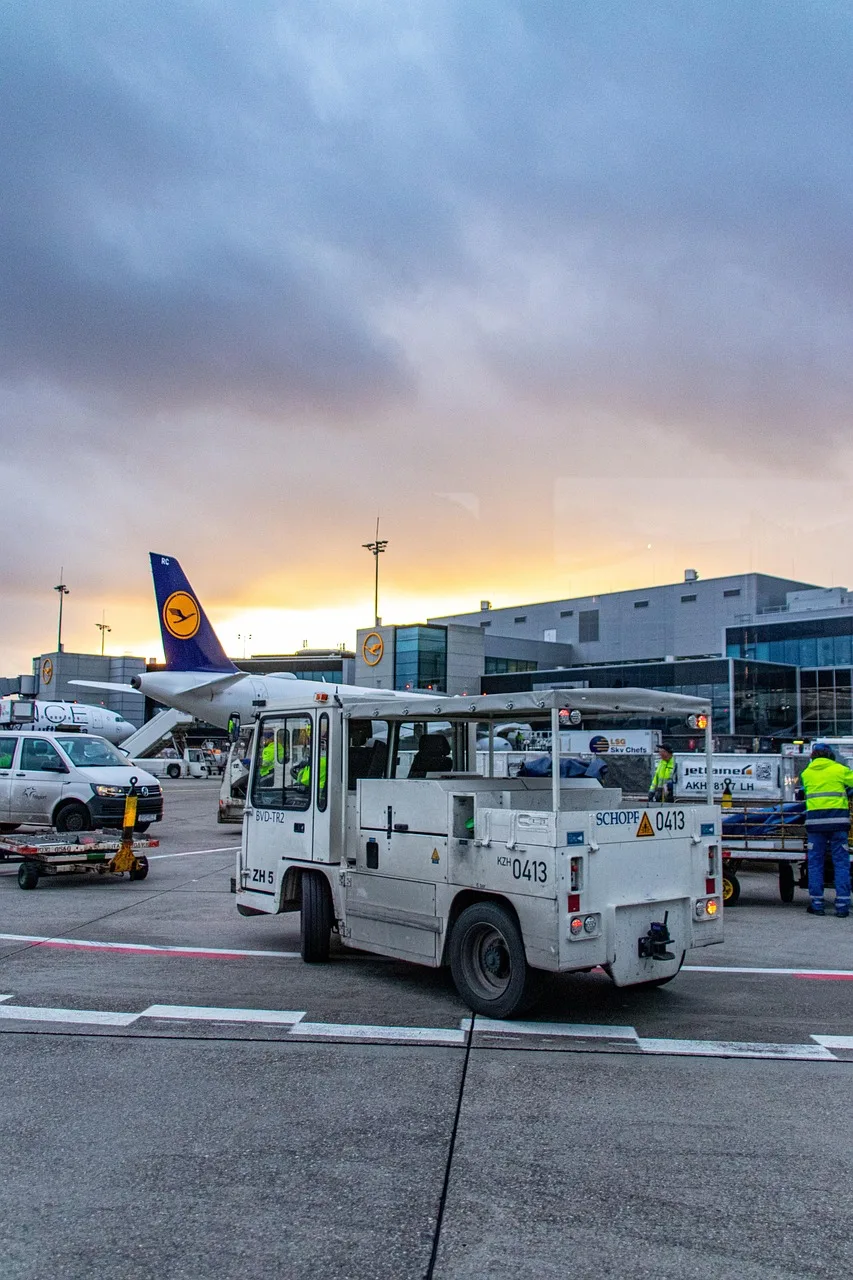
Genelbus stop
Genelbus stop
Genelbus stop
Görsel
Çekim Tablosu
Belirtme (-i)durağı
Yönelme (-e)durağa
Bulunma (-de)durakta
Çıkma (-den)duraktan
Tamlayan (-in)durağın
Çoğul (-ler)duraklar
Tanım
•isim: Tren, tramvay, otobüs, minibüs vb. genel taşıtların durmak zorunda olduğu veya durabileceği yer
•Çok sayıda taksinin bir arada çalıştığı ve bağlı olduğu işletme
•Kısa bir süre konaklanacak, durulacak yer
•dil bilgisi: Konuşmada, anlamın gerektirdiği biçimde kelimeler arasındaki ses kesintisi
•edebiyat: Hece ölçüsüyle yazılmış şiirlerde ölçü kalıpları içindeki durma yerleri
•müzik: Bir ölçü uzunluğunda susma
Diğer Dillerde
Almancaanhalten, aufhalten, aufhören, beenden, Busstopp, Erholung /ˈʔanhaltn̩/
to stop (cease moving) · to continue, to last · to stop, to hold, to keep from moving
çekim: geçmiş hielt an · ortaç angehalten · şimdiki hält an · ulaç anhaltend
eş: ermahnen, bremsen, stoppen, anlegen, stehenbleiben, verharren
köken: an- + halten (“to stop”)
aile: Anhalter, anhaltend, angehalten
& Pause — & Duraklat
Wir müssen an der roten Ampel anhalten.
Das schlechte Wetter hält an.
Ich halte den Wagen an.
FransızcaCésure (dişil) /se.zyʁ/
caesura (a pause or interruption)
çekim: çoğul césures
eş: coupure de mot
köken: Learned borrowing from Latin caesūra.
aile: césurer
Pause — & Duraklat
césure trihémimère
césure penthémimère
İspanyolcabrazo, dejar de, demás, descansar, descanso, desistir (eril) /ˈbɾaθo/
branch, limb (of a tree)
çekim: çoğul brazos
eş: sección, braza
köken: Etymology tree Proto-Indo-European *mreǵʰ- Proto-Indo-European *-us Proto-Indo-European *mréǵʰus Proto-Hellenic *brəkʰús Ancient Greek βρᾰχῠ́ς (brăkhŭ́s) Proto-Indo-European *-yōsder. Proto-Indo-European *-isō Proto-Hellenic *-ihō Ancient Greek -ῑ́ων (-ī́ōn) Ancient Greek βρᾰχῑ́ων (brăkhī́ōn)bor. Latin bracchium Old Spanish braço Spanish brazo Inherited from Old Spanish braço, from Latin…
aile: a brazo partido, abiertos los brazos, ama de brazos, antebrazo, apoyabrazos, brazo a brazo, brazo armado, brazo de Dios, brazo de gitano, brazo de lectura
& Pausa — & Duraklat
reflexive of appoggiare · to lean, prop oneself · to rely on, lean on, place one's trust in
çekim: geçmiş appoggiàtosi · ortaç appoggiàtosi · şimdiki si appòggia · ulaç appoggiàntesi
eş: contare, contare su, ricorrere a, sostenersi, a, fondarsi
& Pausa — & Duraklat
& Приостановить — & Duraklat
& توقف مؤقتا — & Duraklat
quietness; calmness; tranquility; peace, peace and quiet
köken: From آرام (ârâm) + ـش (-eš).
آرامشبخش
نخست آفرین کرد بر کردگار خداوند آرامش و کارزار
مریض شوق بیدل هرگز آسودن نمیخواهد که همچون نبض موج آخر کفن میگردد آرامش
Azericedayamaq, dayanacaq, dayandırmaq, dayanmaq, dincəlmək, dirəmək /daˈjɑmɑχ/
to rest (against), to set (against), to lean (against)
çekim: geçmiş dayamış · ortaç dayamış · şimdiki dayayır
köken: From Proto-Turkic *taya- (“to prop, to lean”).
aile: dayanmaq
Felemenkçeaanhouden, afbreken, beëindigen, blijven, daarbij laten, deppen /ˈaːnɦɑu̯də(n)/
to arrest · to hail (a cab); to stop (someone in order to ask a question) · to keep up, keep on, maintain
çekim: geçmiş hielden aan · ortaç aangehouden · şimdiki houdt aan · ulaç aanhoudend
eş: tegenhouden
köken: From Middle Dutch aenhouden. Equivalent to aan + houden.
Pauze — & Duraklat
Voor een normale gloeilamp wordt als beste compromis een temperatuur van ca. 2500 graden Celsius aangehouden.
Houd u aan.
Portekizceapoio, calço, deitar, deixar de, descanso eterno, descontinuar (eril) /aˈpoj.u/
support, backing · rest, stand
çekim: çoğul apoios
köken: Deverbal from apoiar.
Pausa — & Duraklat
Yunancaακινησία, ακουμπώ, αναπαύομαι, ανάπαυση, βάση, ηρεμία (dişil)
motionlessness, immobility · rest
çekim: tamlayan ακινησίας
eş: αδράνεια, αποτελμάτωση, απραξία, ξεροστάλιασμα
Παύση — & Duraklat
bus stop
köken: An abbreviation for バス停留所, from バス (basu, “bus”) + 停留 (teiryū, “holding”) + 所 (jo, “position”).
一時停止(P) — & Duraklat
to stop something · to come to a stop
çekim: geçmiş 그쳤다
eş: 멈추다, 끝내다, 중단하다, 중지하다, 정지하다, 머무르다
köken: First attested in the Yongbi eocheon'ga (龍飛御天歌 / 용비어천가), 1447, as Middle Korean 그치〮다〮 (Yale: kùchí-tá), originally the causative with -이- (-i-) of the intransitive verb 긏다〮 (Yale: kùch-tá, “to come to a stop”). The causative later replaced the original verb.
대기( P) — & Duraklat
abort, cancel (to terminate a process prior to completion) · interrupt so that something is canceled or aborted
çekim: geçmiş avbröt · ortaç avbruten · ulaç avbrytande
köken: av + bryta
& Paus — & Duraklat
Lehçeodpoczynek, odpoczywać, przestać, przystanek, reszta, wypoczynek (eril) /ɔt.pɔˈt͡ʂɘ.nɛk/
rest (relief from exertion)
çekim: çoğul odpoczynki · tamlayan odpoczynku
eş: przerwa, sjesta, czas wolny, rekreacja, relaks, rozrywka
köken: Etymology tree Proto-Slavic *otъpočinъkъ Polish odpoczynek Inherited from Proto-Slavic *otъpočinъkъ.
Pauza — & Duraklat
to be stopped, to stop · to be stuck, jammed, entangled · to falter
çekim: geçmiş अटकता · şimdiki अटकता है
köken: Hindi verb set अटकना (aṭaknā) अटकाना (aṭkānā) अटकवाना (aṭakvānā) Etymology tree Proto-New Indo-Aryan *𑀅𑀟𑀇 (*aḍaï) Hindi अटकना Inherited from Proto-New Indo-Aryan *अट्टक्कइ (aṭṭakkaï), from *𑀅𑀝𑁆𑀝- (*aṭṭa-) + -𑀓𑁆𑀓- (-kka-), related to Hindi अड़ना (aṛnā, “to be stubborn”). Ultimately probably derived from Dravidian. Cognate with Punjabi ਅਟਕਣਾ (aṭakṇā), Gujarati અટકવું (aṭakvũ), Marathi अडकणे…
गाड़ी रास्ते में अटक गई।
पेड़ पर मेरी पतंग अटक गई।
बोलते-बोलते अटकना
to live, reside, dwell · to live, reside, dwell in
çekim: geçmiş asunut · şimdiki asuu · ulaç asuva
köken: From Proto-Finnic *asudak, from Proto-Uralic *ëśew-. Equivalent to asea + -ua.
aile: asuilla, asuin-, asuja, asujain, asukas, asukki, asuma, asumaton, asuminen, asumus
& Tauko — & Duraklat
Asun Rantatie 2a:ssa.
Hän asuu vierashuonetta.
Çekçeklid, oddech, odpočinek, odpočívat, pauza, pobývat (eril) /ˈklɪt/
rest (absence of motion) · rest · calm
çekim: çoğul klidy · tamlayan klidu
eş: ticho, stání, mír, pokoj
zıt: neklid, pohyb
köken: Inherited from Old Czech kľud.
Pauza — & Duraklat
klid na lůžku
rest, repose · peace, calm, restfulness · leisure
çekim: çoğul odihne · tamlayan odihne
eş: somn, stare, rest, repaus
köken: From odihni.
Pauză — & Duraklat
Macarcaabbahagy, abbamarad, állvány, dől, dönt, hosszabbító /ˈɒbːɒhɒɟ/
to stop, to cease, to quit, to discontinue something
çekim: geçmiş abbahagytak
köken: From abba- + hagy.
& Szünet — & Duraklat
Ő az, aki mindig mindent abbahagy.
to finish, complete · to cum, ejaculate, have an orgasm · to be through or done
çekim: geçmiş גָּמַרְתָּ
köken: Cognate with Akkadian 𒂵𒈠𒀸 (gamārum, “to bring to an end, to finish”) and Aramaic גמר / ܓܡܪ (“to complete, to perfect”). Compare Arabic جمر (“to collect, to cense”).
מושהה — & Duraklat
גִּמְרִי אֵת הָאֹכֶל בְּצַּלַּחְתֵּךְ!
to withdraw, depart, go away from · to desist, stop or cease from
çekim: şimdiki absistit · ulaç absistēns
köken: Etymology tree Proto-Indo-European *h₂ep Proto-Indo-European *-o Proto-Indo-European *h₂epó Proto-Italic *ap Latin abder. Latin ab- Proto-Indo-European *steh₂- Proto-Indo-European *stísteh₂ti Proto-Italic *sistō Latin sistō Latin absistō From ab- (“from, away from”) + sistō (“stand, set, place”).
stop (doing something)
çekim: geçmiş holdt op
Pause — & Duraklat
Hold nu op med det der!
Barnet holdt ikke op med at græde.
Jeg er holdt op med at ryge.
Norveççeholdeplass
Først ut var Sverige. — İlk durak Malta'ydı.
Endonezceberhenti, beristirahat, istirahat /bərhənˈti/
to stop, to halt · to not continue · to cease; to no longer continue (doing something)
zıt: bergerak
köken: From Malay berhenti, from Classical Malay berhenti. Equivalent to ber- + henti.
Tahan — çalmayı duraklat
peace (a state of tranquility, quiet, and harmony) · peacefulness, tranquillity, repose · universe; world
köken: Inherited from Proto-Slavic *mirъ (“peace; world”).
aile: Миролю́б, Миролю́ба, Миросла́в, Миросла́ва, мирогле́д, миротво́рец, миро-, ми́рен, ми́ров, мирови́
& Пауза — & Duraklat
мир и поко́й
Оставе́те ме на ми́ра!
Slovakçaodpočinok, odpočívať, pokoj, prerušiť, prestať, zastaviť /ɔtpɔt͡ʃiːvac/
to rest (not to be in a state of strenuous activity and thus support the recovery of the organism as a whole or some of its parts) · to be resting on · to be dormant, to rest (to be at rest, in inactivity)
çekim: geçmiş bol by som odpočíval · şimdiki odpočíva · ulaç odpočívajúci
köken: Inherited from Old Slovak odpočívať, from Proto-Slavic *otъpočivati. Cognate with Czech odpočívat.
aile: odpočívať na vavrínoch
& Pauza — & Duraklat
Etimoloji
Inherited from Ottoman Turkish طوراق (durak). By surface analysis, dur- (“to stop”) + -ak.
Kelime Ailesi
Örnek Cümleler
& Duraklat
Pause
Çal/ Durakla
Play/ Pause
Sonraki Durak
I'll wait for the next one
Çal/ Duraklat
Play/ Pause
Oyunu Duraklat
Pauses or resumes the current game.
Tom durakladı.
Tom paused.
Birinci durak:
Concourse One:
D Oyun Duraksat
Game New
Görevi duraklat
Pause job
Oynat/ Duraklat
Play/ Pause
Bu hangi durak?
What stop is this?
2. İkinci durak:
Concourse Two:
İlgili Sorular
Otobüsün şoförüsünüz. İlk durakta iki yolcu, ikinci durakta altı yolcu biner, üçüncü durakta dört yolcu iner ve bir sonraki durakta bir yolcu daha otobüse biner. Şoförün adı ne olur?
Bir otobüsü kullandığınızı düşünün. Başlangıçta otobüste Johnson adlı bir teyze ve uzun saçlı bir çocuk bulunuyor. İlk durakta teyze iniyor, yerine bir iş insanı biniyor. Sonraki durakta Frankie adlı genç bir çocuk ve küçük kız kardeşi otobüse alınıyor. Daha sonra alışverişten çıkan üç yaşlı kadın otobüse katılıyor. Kısa bir yolculuktan sonra uzun saçlı çocuk ayrılıyor, bir erkek ve bir kadın otobüse biniyor. Paul ve köpeği Blue otobüse giriyor, Frankie ve kız kardeşi iniyor ve otobüs sonunda varış noktasına ulaşır. Sürücünün adı nedir?
Ekran koruyucuyu duraklatıp disk birleştirme (defrag) işlemini nasıl sürdürebilirim?
Otobüsü kullandığınızı düşünün. Başlangıçta otobüste Johnson adlı bir yaşlı kadın ve uzun saçlı bir çocuk var. İlk durakta kadın otobüsten çıkıyor ve bir iş adamı otobüse biniyor. Sonraki durakta Frankie adında genç bir çocuk ve küçük kız kardeşi otobüse giriyor. Alışveriş merkezinden çıkan üç yaşlı kadın otobüse katılıyor. Kısa bir süre sonra uzun saçlı çocuk otobüsten ayrılıyor, bir erkek ve bir kadın otobüse biniyor. Paul ve köpeği Blue otobüse alınıyor, Frankie ve kız kardeşi otobüsten iniyor ve otobüs nihai durağa ulaşıyor. Otobüs şoförünün adı ne?
Otobüs şoförü olduğunuzu varsayın. Yolculuğa başladığınızda otobüste Johnson adında bir yaşlı kadın ve uzun saçlı bir çocuk var. İlk durakta kadın otobüsten iniyor ve bir iş adamı otobüse biniyor. Sonraki durakta Frankie adlı genç bir çocuk ve küçük kız kardeşi otobüse giriyor. Alışveriş merkezinden çıkan üç yaşlı kadın daha otobüse katılıyor. Kısa bir süre sonra uzun saçlı çocuk çıkar, bir adam ve bir kadın otobüse biniyor. Paul ve köpeği Blue otobüse girerken, Frankie ve kız kardeşi otobüsten ayrılıyor ve otobüs son durağa ulaşıyor. Otobüsün sürücüsünün adı nedir?
Birleşik Kelimeler
dolmuş durağıemniyet durağı