Sözlük
uzun
/uˈzun/
adj
A1 seviye
TR → HINTÇE
"uzun" kelimesinin İngilizcesi: बड़ा, लंबा, लम्बा. Anlamı, çevirisi, telaffuzu ve örnek cümleler aşağıdadır.
Çeviri
Genelबड़ा
Genelलंबा
Genelलम्बा
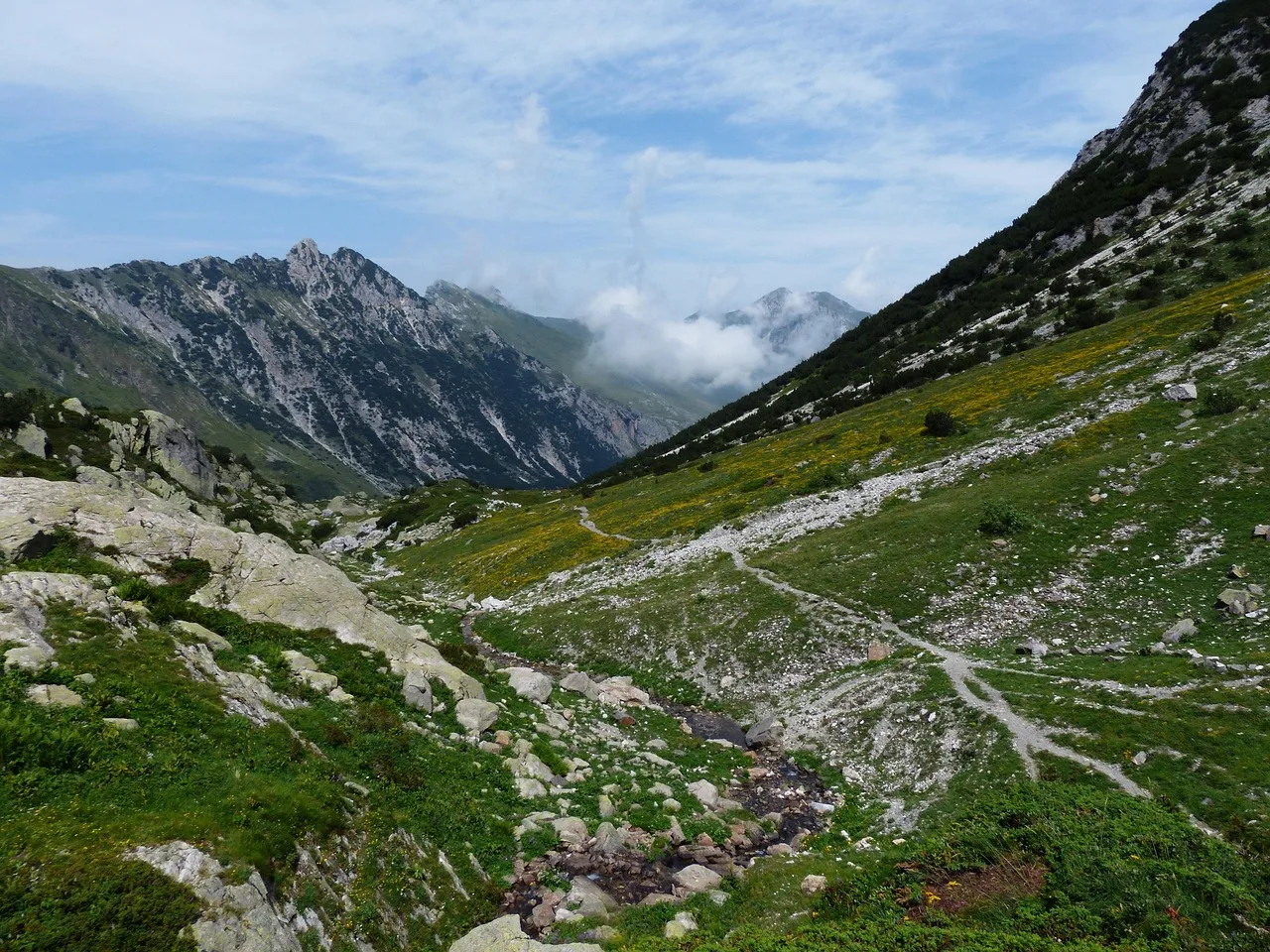
Görsel


Çekim Tablosu
Çoğul (-ler)uzunuz
Tanım
•big, large, huge · massive, heavy · grown up, adult
Atasözü & Deyim
“Balı parmağı uzun yemez, kısmetlisi yer”
“Eşeğin kuyruğunu kalabalıkta kesme; kimi uzun der, kimi kısa”
“Misafir on kısmetle gelir; birini yer, dokuzunu (evde) bırakır”
Diğer Dillerde
Almanca(sich) sehnen, der Große, fein, groß, großartig, Größe /faɪ̯n/
fine (not rough, coarse, or thick) · fine; very good; as it should be · refined; posh; fancy
çekim: karşılaştırma feiner · üstünlük am feinsten
zıt: grob
köken: From Middle High German fīn, from Old French fin, ultimately from Latin finis. See English fine for more.
aile: Feinschnitt, feinsinnig, Feinstaub, verfeinern
Noch lange nicht. — Uzun olmaz.
sehr feines Mehl
ein feiner Sinn
ein feiner Kerl
tall · grown up, big · great
çekim: çoğul grands
eş: abondant, ample, considérable, copieux, étendu, gros
köken: Inherited from Middle French grand, from Old French grant, from Latin grandem.
La ficelle est trop grosse. — İp çok uzun.
Quand je serai grande, je veux être astronaute.
Il l'a fait tout seul comme un grand garçon.
un grand homme
İspanyolcaanhelar, bien, bienísimo, bonísimo, buenísimo, chachi /aneˈlaɾ/
to long for, to yearn, to yearn for, to long, to desire, to hanker · to crave · to gasp
çekim: geçmiş anhelé · ortaç anhelado · şimdiki anhela
eş: ansiar
köken: Borrowed from Latin anhēlāre (“pant, gasp; long for”). Cf. also alentar and Italian anelare.
aile: anhelo
¿Es alto? — O uzun mu?
İtalyancabene, bramare, distante, eccellente, formidabile, grande /ˈbɛ.ne/
upper-class, posh, high
çekim: çoğul beni
eş: accuratamente, adeguatamente, agiatamente, completamente, compostamente, convenientemente
köken: Inherited from Latin bene.
Parioli è il quartiere bene di Roma per eccellenza.
large, big · great · major
çekim: karşılaştırma بزرگتَر · üstünlük بزرگتَرین
eş: کلان, گُنده, عظیم, گپ, گت
zıt: کوچک
köken: From Middle Persian 𐭥𐭰𐭥𐭫𐭢 (wuzurg, wazurg, “big, great”), from Old Persian 𐎺𐏀𐎼𐎣 (v-z-r-k /vazr̥kaʰ/).
aile: بزرگ شدن, بزرگی
نزدیک شهر کوه بزرگی است.
نزدیک شهر کوهی بزرگ است.
نزدیک شهر یه کوه بزرگه.
Azericeuzun /uˈzun/
long · long, lengthy (having long duration) · tall
çekim: karşılaştırma daha uzun · üstünlük ən uzun
zıt: qısa, alçaq
köken: From Proto-Turkic *uŕïn, whence also uzaq (“far, distant”).
aile: uzunluq, uzunsov
Bu köynəyin uzun qolları vardır
uzun ömür
Uzun illər boyu mən inanmışdım ki, istədiyimə nail olan kimi xoşbəxt olacağam.
long · tall
köken: From Common Turkic *uzun (“long”), from Proto-Turkic *uŕun (“long”). Compare Old Uyghur [script needed] (uzun, “long”); Kyrgyz узун (uzun, “long”), Kumyk узун (uzun, “long”), Uzbek uzun (“long”), Turkish uzun (“long”), Yakut уһун (uhun, “long”), Chuvash вӑрӑм (vărăm, “long”).
high
çekim: karşılaştırma hoger · üstünlük hoogst
eş: schel, aanzienlijk, voornaam, verheven
zıt: laag
köken: From Middle Dutch hooch, the original inflected stem hō- reanalysed by analogy with the uninflected form because of word-final devoicing. From Old Dutch hōh, from Proto-West Germanic *hauh, from Proto-Germanic *hauhaz. Doublet of high. Cognate with German hoch, West Frisian heech, Saterland Frisian hag, English high, Danish høj.
aile: driehoog, eenhoog, geen hoge pet op hebben van, hoge fijnstraal, hogedrukgebied, hogedrukreiniger, hogedrukspuit, hogerbedoeld, hogergemeld, hogergenoemd
De 887 meter hoge Mount Scenery is het hoogste punt in het Koninkrijk der Nederlanden.
Het zou te hoog gegrepen zijn om drie talen tegelijkertijd te leren.
Portekizceansiar, bem, comprido, demorar, distinto, enorme /ɐ̃.siˈa(ʁ)/
to long, to desire
çekim: geçmiş ansiei · ortaç ansiado · şimdiki anseia
eş: arelar
köken: Borrowed from Late Latin anxiāre. By surface analysis, ânsia + -ar.
Ansiamos pela paz.
Yunancaεξαιρετικός, έξω, θαυμάσια, λαχταρώ, μακριά, μακρύς /ekseɾetiˈkos/
excellent, fine, first-class; exceptional, unusual, great · important, extreme
çekim: karşılaştırma εξαιρετικότερος · üstünlük εξαιρετικότερος
eş: εξαίρετος
zıt: ασήμαντος
köken: From Byzantine Greek ἐξαιρετικός (exairetikós); by surface analysis, εξαίρετος (exaíretos) + -ικός (-ikós). In the modern sense of "excellent, exceptional", with semantic loan from French exceptionnel.
horrible, dreadful, ghastly · terrific, terrible, awful · amazing, splendid, fantastic, great
eş: 凄まじい
aile: 物凄い, 日本スゴイ
すごく寒いです。
今日はすごく暑い。
すごい!どうやったの?
huge; massive
köken: 거대(巨大) (geodae) + -하다 (-hada, “to do”, light verb deriving adjectives).
very good, fantastic, excellent
köken: From jätte- (“very”) + bra (“good”).
long (having much distance from one terminating point on an object or an area to another terminating point) · long (having great duration) · long (of a vowel, taking more time in contrast to another)
çekim: karşılaştırma dłuższy · üstünlük najdłuższy
eş: gw. (Górny Śląsk) dugi, gw. (Górny Śląsk) dugi
zıt: krótki, niski
köken: Etymology tree Proto-Indo-European *delh₁gʰ- Proto-Indo-European *dl̥h₁gʰós Proto-Balto-Slavic *dílˀgas Proto-Slavic *dь̀lgъ Old Polish długi Polish długi Inherited from Old Polish długi.
aile: długotrwały, długowąsy, jak długi, jak długi i szeroki, jak miesiąc długi, jak noc długa, jak Polska długa i szeroka, jak rok długi, jak tydzień długi, jak wieczór długi
Ligurio, Długi/ Obsoletum.
Praelongus, Názbyt długi/Wielki
Plurimus, Superlativus a multus, Bárzo wiele/ długi
big, large, huge · massive, heavy · grown up, adult
zıt: छोटा
köken: Etymology tree Proto-Indo-European *werdʰ- Proto-Indo-European *-tós Proto-Indo-Iranian *wr̥dᶻdʰás Sanskrit वृद्ध (vṛddha) Ashokan Prakrit 𑀯𑀼𑀠 (vuḍha) Prakrit 𑀯𑀼𑀟𑁆𑀠 (vuḍḍha)? Prakrit 𑀯𑀟𑁆𑀟 (vaḍḍa) Hindi बड़ा Inherited from Prakrit 𑀯𑀟𑁆𑀟 (vaḍḍa), possibly from 𑀯𑀼𑀟𑁆𑀠 (vuḍḍha), from Ashokan Prakrit 𑀯𑀼𑀠 (vuḍha), from Sanskrit वृद्ध (vṛddha), from Proto-Indo-Iranian *wr̥dᶻdʰás, from Proto-Indo-European…
aile: बड़ा दिन
बड़ा देश
बड़ा शहर
बड़ा बच्चा
Finceerinomainen, erittäin hyvä, ikävöidä, iso-, jätti-, jättimäinen /ˈerinˌomɑi̯nen/
excellent, outstanding, first-rate, exquisite · strange, odd, peculiar
çekim: karşılaştırma erinomaisempi · üstünlük erinomaisin
köken: erin (genitive) + omainen
aile: erinomaisesti, erinomaisuus
Anja Pohjola on erinomainen suomalainen näyttelijä.
far, afar (long distance, physical or temporal) · much, by far
eş: mnohem, podstatně, výrazně
zıt: blízko
köken: Inherited from Old Czech daleko. By surface analysis, daleký + -o.
to want, to wish (to feel a need for) · to wish (to bestow a thought or gesture) · to desire (to feel sexual attraction)
çekim: geçmiş dorit · ortaç dorit · şimdiki dorește
köken: Etymology tree Proto-Indo-European *delh₁- Proto-Indo-European *-yeti Proto-Indo-European *-éyeti Proto-Indo-European *dolh₁éyeti Proto-Italic *doleō Latin doleō Proto-Indo-European *-os Proto-Indo-European *-s Proto-Indo-European *-ōs Proto-Italic *-ōs Latin -or Latin dolor Late Latin dolus Romanian dor Proto-Indo-European *-yétider. Latin -iō Romanian -i Romanian dori From dor + -i.
aile: dorință, dorit, doritor
Angajații doresc să formeze o uniune.
Exact asta îmi doresc.
Părinții mei doresc nepoți.
Macarcahosszú, nagy, nagyszerű, szuper, vágyik /ˈhosːuː/
long
çekim: karşılaştırma hosszabb · üstünlük leghosszabb
zıt: rövid
köken: From Old Hungarian hoszjú or hozu (*hosszú), from Proto-Uralic *koćɜ; cognates include Komi-Zyrian кузь (kuź, “long”) and Northern Mansi хоса (hosa /χosa/, “long”). Erzya кувака (kuvaka, “long”) and Moksha кувака (kuvaka, “long”) probably derive from Proto-Finno-Ugric *kawka (“long”), which has no known reflex in Hungarian. The ssz can be explained by assimilation from an original szj, which…
aile: hossz, hosszadalmas, hosszan, hosszában, hosszúság, hosszúlépés, hosszú lélegzetű
İbraniceארוך \ אָרֹךְ, גדול, גָּדוֹל, טוב מאוד, מעולה, נהדר /ɡaˈdol/
big, large · great, important
köken: Related to Arabic جَدِل (jadil, “hard, strong, firm”).
aile: בְּגָדוֹל
אָסֻרָה־נָּא וְאֶרְאֶה אֶת־הַמַּרְאֶה הַגָּדֹל הַזֶּה
גְּדֹל הָעֵצָה וְרַב הָעֲלִילִיָּה
long, a long while, a while, for long, for a long time · continually, all day · long enough
zıt: paulisper, noctū, nocte, nox
köken: From Proto-Italic *djowe, from Proto-Indo-European *dyéw(i) (“during the day”), locative case of *dyḗws, with d possibly imported from diēs. Cognate with Old Armenian տիւ (tiw), Sanskrit दिवा॑ (dívā, “by day”), ज्योक् (jyok, “for a long while”).
aile: aliquamdiū, diurnus, diū̆tinus, diutule, diuturnus, dūdum, interdiū, perdiū, quamdiū, subdiū
Noctuque et diu ut viro subdola sis,
[…] commune alacres […] continuum diu noctuque iter properabant.
great, good
köken: Compare Norwegian Bokmål alle tiders, Norwegian Nynorsk alle tiders and Swedish alla tiders.
Du er alle tiders
I Ældre Sagen vil vi gerne inspirere til, at danske boliger bliver omdannet til alle tiders boliger.
big, large · big, great · big, grown up
çekim: karşılaştırma lebih besar · üstünlük paling besar
köken: Inherited from Malay besar, from Proto-Malayic *bəsar.
Rumah mereka di kelurahan ini besar.
Pencapaian terbesar kami selama beberapa tahun ini.
Keponakanmu sudah besar ya.
Etimoloji
(Bu girdinin köken kısmı şimdilik eksiktir. Lütfen eklenmesine yardımcı olun ve sonrasında {{kökenisteniyor}} şablonunu kaldırın.)
Deyimler
Eş & Zıt Anlamlılar
Örnek Cümleler
Bu çok uzun.
This is too long.
Ne kadar uzun!
How long it is!
Çok uzun kalma.
Don't be long.
Sen en uzunsun.
You are tallest.
Çok uzun sürmez.
It doesn't take very long.
Mary uzun boylu.
Mary is tall.
Ne kadar uzunsun?
How tall are you?
Saçınız çok uzun.
Your hair is too long.
Ne kadar uzunsun!
How tall you are!
Uzun etekler moda.
Long skirts are in fashion.
Uzun zaman önceydi.
It was ages ago.
Bu onun kadar uzun.
This is as long as that.
İlgili Sorular
En uzun ad taşıyan gölün adı ve bulunduğu yer hakkında bilgi verir misiniz?
İsa'nın yeryüzünde bulunduğu dönemde insan ömrü ne kadar uzunluktaydı?
Hayatınızda hiç konuşmadan en uzun ne kadar süre kaldınız?
Henüz 13 ve uzun boyluyum, güzelim. Basketbol mu yoksa model olarak çalışmak mı daha iyi olur? Lütfen önerin.
Uyuşturucu yasallaştırmanın çeşitli sınıflar (uyarıcılar, baskılayıcılar, narkotikler, halüsinojenler) ve marihuana (hem baskılayıcı hem uyarıcı olduğu için ayrı sınıf) üzerindeki artı ve eksilerini bütüncül bir şekilde ele alan bir açıklama istiyorum. Sağlık (kısa ve uzun vadeli, birincil ve ikincil etkiler), ekonomi, politika, toplum ve bireysel boyutları değerlendirin.