Sözlük
/uzun boylu
uzun boylu
/uˈzun.boj.ɫu/
adj
TR → EN
"uzun boylu" kelimesinin İngilizcesi: tall. Anlamı, çevirisi, telaffuzu ve örnek cümleler aşağıdadır.
Çeviri
Geneltalladj
Görsel

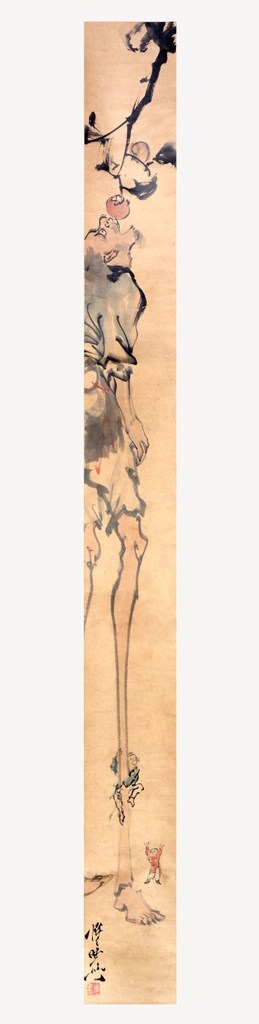
Çekim Tablosu
Çoğul (-ler)uzun boylular
Tanım
•sıfat: Boyu uzun olan
•zarf, mecaz: Uzun süre
•zarf, mecaz: derinlemesine
Diğer Dillerde
big, large, large-scale · great, grand · tall
çekim: karşılaştırma größer · üstünlük am größten
zıt: klein
köken: From Middle High German grōȥ, from Old High German grōȥ, akin to Old Saxon grōt, compare Dutch groot. More at English great.
aile: Großer, Große, Großes, Größe, Größte, Vergrößerung, vergrößern, großteils, größtenteils, eine Nummer zu groß für jemanden
Sie ist größer als er. — O ondan daha uzun boyludur.
Das ist ein großes Problem.
Ich lebe in einem großen Haus.
Ich muss groß.
tall · grown up, big · great
çekim: çoğul grands
eş: abondant, ample, considérable, copieux, étendu, gros
köken: Inherited from Middle French grand, from Old French grant, from Latin grandem.
Il est très grand de taille. — Uzun boylu olduğu söylenir.
Quand je serai grande, je veux être astronaute.
Il l'a fait tout seul comme un grand garçon.
un grand homme
İspanyolcaalto /ˈalto/
tall · high · loud
çekim: üstünlük altísimo
zıt: bajo
köken: Learned borrowing from Latin altus, ultimately of Proto-Indo-European origin. The form alto represents a pronunciation influenced by the most learned layers of the language, and is not the normal phonetic result expected in a naturally inherited word. Cf. the now archaic form oto, which was used more often in Old Spanish and is the form of the word that was completely popularly inherited,…
aile: Alta Austria, Alta California, alta costura, alta danza, Alta Edad Media, alta fidelidad, alta gama, alta mar, alta montaña, alta tecnología
Ella no es alta. — O uzun boylu değil.
Esas chicas son altas.
Es un número alto.
En voz alta.
Rusçaвысо́кий, ро́слый
Ты слишком высокий. — Çok uzun boylu oldun.
Arapçaطَوِيل
أنا أكثر طولاً. — Ben daha uzun boyluyum.
Farsçaالدنگ, بلند /bu.ˈland/
tall · high · loud
çekim: karşılaştırma بلندتَر · üstünlük بلندتَرین
zıt: کوتاه
köken: From Middle Persian 𐭡𐭥𐭫𐭭𐭣 (buland), from Old Persian *br̥daⁿs, from Proto-Iranian *br̥jáns (“high, tall”).
high, tall
çekim: karşılaştırma daha hündür · üstünlük ən hündür
zıt: alçaq, qısaboylu, alçaqboylu, balacaboylu
köken: Of Mongolic origin. From Middle Mongol [script needed] (öndür), whence also Modern Mongolian өндөр (öndör, “high, tall”).
aile: hündürəçıxdı, hündürlük, hündürlükölçən
Əvvəllər Bakıda hündür binalar o qədər də yox idi, amma son vaxtlar çox tikilib.
Onlarla hündür ağac məhv edildi.
Qapının ağzında hündür bir oğlan dayanmışdı.
high · tall
köken: From Proto-Turkic *bedük (“big”), derived from *bedü- (“to grow big”).
aile: биіктік
Özbekçebaland
Felemenkçerijzig /ˈrɛi̯.zəx/
tall, risen high; mainly used in positive descriptions of living beings and architecture
çekim: karşılaştırma rijziger · üstünlük rijzigst
köken: From rijzen (“to rise”) + -ig (“-y, -ish”).
Lengte ca. — Uzun boyludur.
Portekizceexagerado /e.za.ʒeˈɾa.du/
exaggerated
köken: Past participle of exagerar.
É alto. É muito giro. — Uzun boylu ve çok yakışıklı.
Yunancaψηλός /psiˈlos/
tall · high
çekim: karşılaştırma ψηλότερος · üstünlük ψηλότερος
eş: αψηλός
zıt: κοντός, χαμηλός, βραχύς
köken: Inherited from Byzantine Greek ψηλός (psēlós), inherited as an aphetic form of Ancient Greek ὑψηλός (hupsēlós). Doublet of υψηλός (ypsilós).
Είναι ψηλός. Είναι πολύ όμορφος. — Uzun boylu ve çok yakışıklı.
Japonca高い /ta̠ka̠i/
high, tall · superior · 高い, 高価い: expensive
zıt: 低い, 安い, 安価
köken: From Early Middle Japanese adjective 高(たか)し (takashi), with the 終(しゅう)止(し)形(けい) (shūshikei, “predicative form”) ending in し (shi) first replaced with the 連(れん)体(たい)形(けい) (rentaikei, “attributive form”) ending in き (ki), and then with the medial /-k-/ falling out to result in an ending of い (i). From Old Japanese, from Proto-Japonic *taka.
aile: 悪名高い, 価値高い, 勘定高い, 甲高い, 計算高い, 気高い, 小高い, 空高い, 算盤高い, 頭が高い
作業台の向こうで微笑んていたのを覚えています — Mahmut daha uzun boylu görünüyordu.
to be high, to be tall, to be lofty (of an object, a place, a quantified statistic, etc.) · to be high up, to be high in social rank (of a person) · to be tall in height (of a person)
zıt: 낮다
köken: First attested in the Yongbi eocheon'ga (龍飛御天歌 / 용비어천가), 1447, as Middle Korean 높다〮 (Yale: nwòph-tá). The twelfth-century Chinese wordlist Jilin leishi records the Late Old Korean word for "tall" as 那奔 (nɑ puənᴴ), which seems to be the realis gerund form of this word with the Old Korean 隱 (*-on) suffix.
aile: 높낮이, 높다랗다, 높디높다, 높아지다, 높이, 드높다
마흐모우드씨가 더 크게 보였습니다. — Mahmut daha uzun boylu görünüyordu.
높은 건물
높은 수압
높은 목소리
high; tall; reaching a great distance from the ground or being found high above it · of a quantity or value: high, great or large · high-pitched
çekim: karşılaştırma högre · üstünlük högst
köken: From Old Swedish hø̄gher, from Old Norse haugr, from Proto-Germanic *haugaz, variant of *hauhaz, from Proto-Indo-European *kewk-.
aile: högmässa
Han är väldigt stilig. — Uzun boylu ve çok yakışıklı.
Jag betalar alldeles för hög ränta.
Hög som ett hus.
Lehçewysoki /vɘˈsɔ.ki/
tall; high (having a considerable distance from the bottom to the top) · tall (of a person, building, etc., having a considerable height) · high (physically elevated)
çekim: karşılaştırma wyższy · üstünlük najwyższy
eş: duży, wielki, wielki, ważny, wspaniały
zıt: niski, gruby
köken: Etymology tree Proto-Indo-European *upó Proto-Indo-European *h₃ewps-der.? Proto-Slavic *vysь Proto-Indo-European *-kosder. Proto-Slavic *-okъ Proto-Slavic *vysòkъ Old Polish wysoki Polish wysoki Inherited from Old Polish wysoki.
aile: na wysokich obcasach, wysokich lotów, wysokiej próby, na wysokiej stopie, wysoce, wysokie progi, wysokość, za wysokie progi, jeśli spadać, to z wysokiego konia, za wysokie progi na nogi
A może dlatego, że jestem wysoka? — Uzun boylu olduğu söylenir.
Ukraynacaвисо́кий
Вiн високий. — O uzun boylu.
high, tall, lofty · high-minded, aloof
zıt: नीचा
köken: Inherited from Sauraseni Prakrit 𑀉𑀘𑁆𑀘 (ucca), from Sanskrit उच्च (ucca). Doublet of उच्च (ucc), a tatsama. Cognate with Punjabi ਉੱਚ (ucca) / اُچّ (ucc), Gujarati ઉંચું (uñcũ), Marathi उंच (uñca), Bengali উঁচু (ũcu), Dhivehi އުސް (us).
aile: ऊँचाई
तस्वीर को थोड़ा और ऊँचा करो।
ऊँचा पहाड़
ऊँची बात
bulky, sizable
çekim: karşılaştırma kookkaampi · üstünlük kookkain
köken: From koo- (“size”) + -kas.
aile: kookkuus, kookaskasvuinen, kookkaanpuoleinen
Häntä pitkä. — Uzun boyludur.
Çekçevysoký /ˈvɪsokiː/
high · tall
çekim: karşılaştırma vyšší · üstünlük nejvyšší
eş: vysokánský, vzrostlý, horní, vrcholný
zıt: nízký
köken: Inherited from Old Czech vysoký, from Proto-Slavic *vysokъ.
aile: bedla vysoká, navýšit, povýšit, vysoce, vysočina, vysoká, vysokánský, vysoko, výška, zvysoka
Je velmi vysoký. — Uzun boylu olduğu söylenir.
Rumenceînalt /ɨˈnalt/
tall · high
köken: Inherited from Vulgar Latin *inaltum, from Latin in + altus (or perhaps from the phrase in altō). The preposition may have been added by influence of înălța (“raise”).
Nu era înalt. — Uzun boylu olduğu söylenir.
Macarcamagas /ˈmɒɡɒʃ/
high, tall
çekim: karşılaştırma magasabb · üstünlük legmagasabb
zıt: alacsony
köken: Uncertain. Perhaps from mag + -as.
aile: magaslat, magaslik, magasodik, magasság, magasröptű, magasugrás, magas sarkú
Jaj, be magas. — Uzun boyludur.
İbraniceגָּבוֹהַּ \ גָּבֹהַּ
שטעיתי שוב. — Mahmut daha uzun boylu görünüyordu.
Latincealtus, prōcērus /ˈaɫ.tʊs/
high, tall · deep · profound
çekim: karşılaştırma altior · üstünlük altissimus
zıt: brevis, demissus, sordidus
köken: Etymology tree Proto-Indo-European *h₂el- Proto-Indo-European *h₂eltós Proto-Italic *altos Latin altus From altum, supine of alō (“grow”). Corresponds to Proto-Italic *altos, from Proto-Indo-European *h₂eltós, a suffixed form of the root *h₂el- (“grow, nourish”) (compare Proto-Germanic *aldaz, whence English old.
aile: altē, altipendulus, altipeta, altisonus, altispex, altitonāns, altitūdō, altiusculus, altivolus
Dancahøj /hɔjˀ/
high (e.g. building, price, heel, grass) · tall (e.g. person, building, tree) · loud (e.g. voice, noise)
çekim: karşılaştırma højere · üstünlük højest
köken: From Old Danish høgh, from Old Norse (east) *haugʀ, (west) hár, hór, from Proto-Germanic *hauhaz, *haugaz (“high”), cognate with Norwegian Nynorsk høg, Norwegian Bokmål høy, Swedish hög, English high, German hoch, Dutch hoog.
aile: allerhøjest, forhøje, garderhøj, højadelig, højbenet, højeffektiv, højeksplosiv, højereliggende, højestepris, højhus
Han forekommer høj. — Uzun boylu olduğu söylenir.
Norveççehøy
Han er høy, sterk og intelligent så vel som omsorgsfull, ansvarsfull og snill. — Uzun boylu, güçlü ve akıllı olması yanı sıra bakıcı ve sorumludur.
Endonezcetinggi /ˈtiŋɡi/
high, tall · high (elevated in status, esteem, or prestige, or in importance or development) · lofty, arrogant, proud
çekim: çoğul tinggi-tinggi
köken: From Malay tinggi, possibly from Sanskrit तुङ्ग (tuṅga, “high”).
Apa yang kamu makan sehingga jadi tinggi begini? — Bu kadar uzun boylu olmak için ne yedin?
adikku tinggi
demam tinggi
vokal tinggi
Etimoloji
Inherited from Ottoman Turkish اوزون بویلو or اوزون بویلی (uzun boylu), from اوزون (uzun) and بوی (boy), equivalent to uzun (“tall, long”) + boy (“length, size”) + -lu, literally “tall of stature, long in length”.
Eş & Zıt Anlamlılar
Örnek Cümleler
O uzun boylu.
He's tall.
Tom uzun boylu.
Tom is tall.
Mary uzun boylu.
Mary is tall.
Baban uzun boylu.
Your father is tall.
Babam uzun boylu.
My father is tall.
O çok uzun boylu!
He's so tall!
Uzun boylu musun?
Are you tall?
O çok uzun boylu.
She's very tall.
Ben uzun boyluyum.
I'm tall.
Ben, uzun boyluyum.
I am tall.
O uzun boylu değil.
She is not tall.
Adam uzun boyludur.
The man is tall.