Sözlük
/sür
sur
/ˈsuɾ/
name
B1 seviye
TR → EN
"sur" kelimesinin İngilizcesi: horn, wall, vallation, rampart, rampart. Anlamı, çevirisi, telaffuzu ve örnek cümleler aşağıdadır.
Çeviri
Genelhornnoun
Genelwall
Genelvallation
Genelrampart
Genelrampart
Geneltyre
Genelwall
Genelrampart
Geneltyre
Genelwall
Genelrampart
Geneltyre
Genelwall
Genelwall
Genelrampart
Geneltyre
Genelcity wallnoun
Görsel
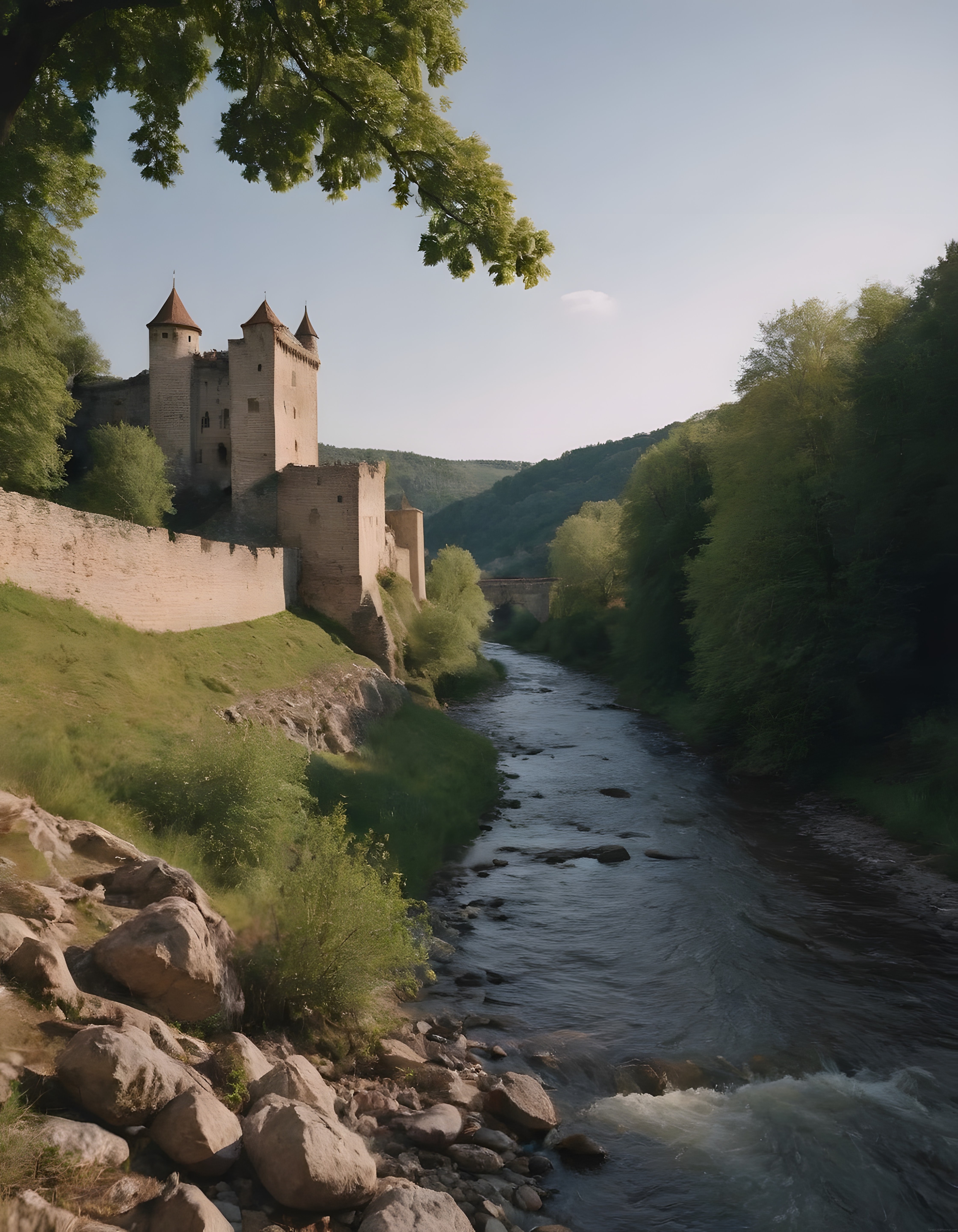
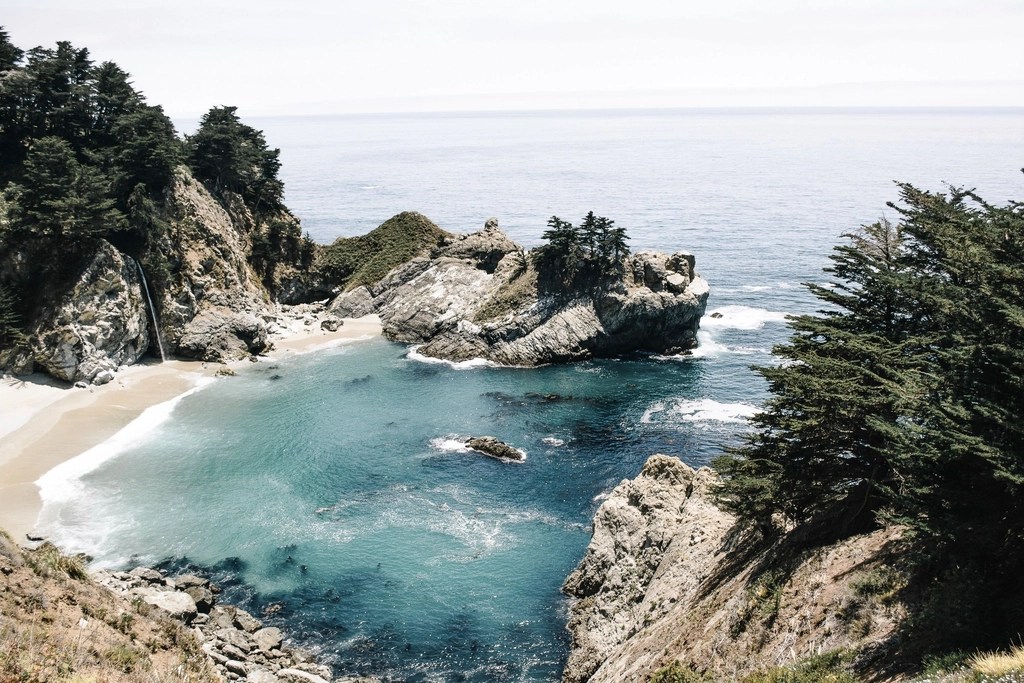
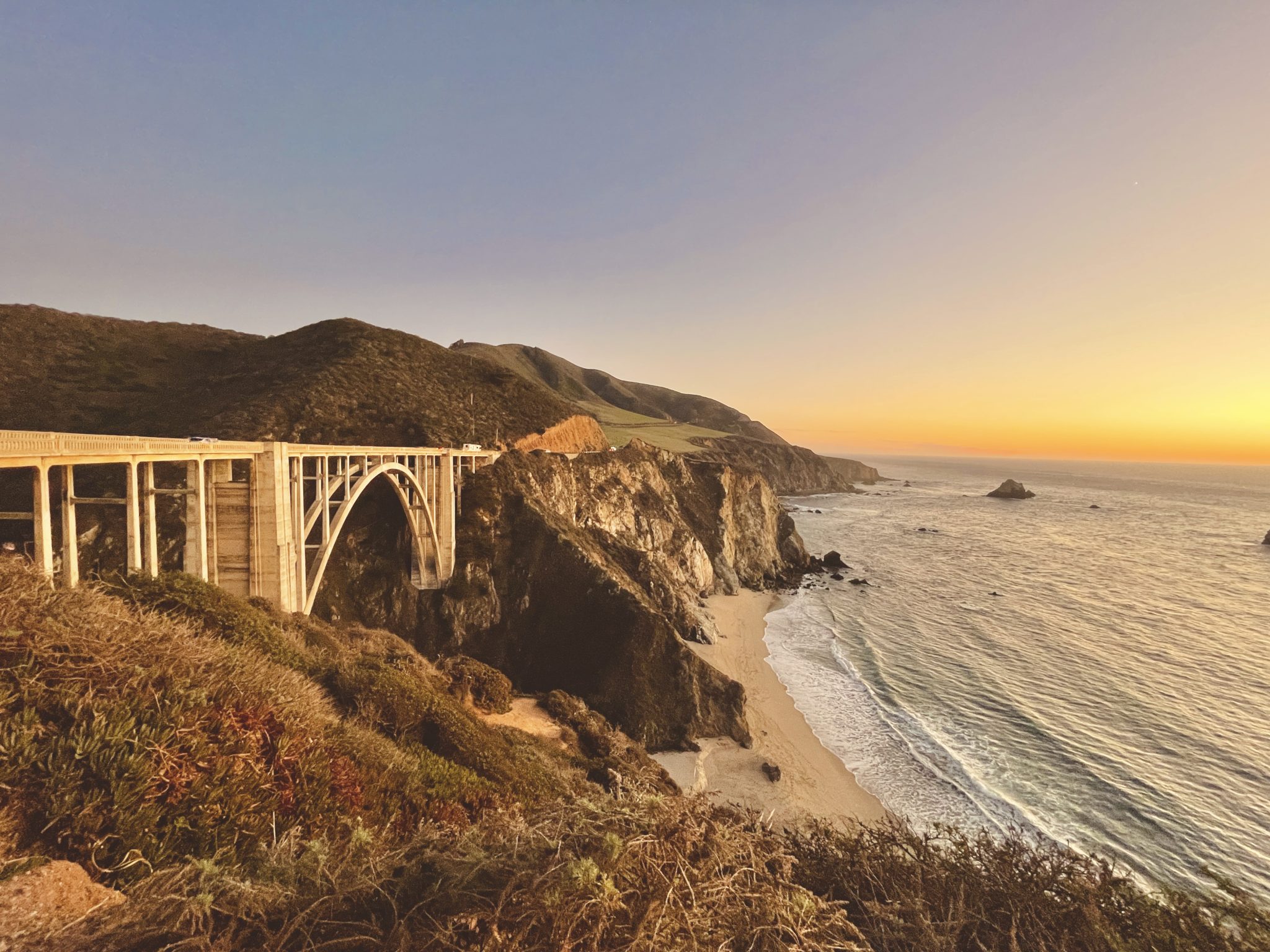

Çekim Tablosu
Belirtme (-i)Sur'u
Yönelme (-e)Sur'a
Bulunma (-de)Sur'da
Çıkma (-den)Sur'dan
Tamlayan (-in)Sur'un
Çoğul (-ler)Surlar
Tanım
•isim: Kale duvarı
•isim, halk ağzında: Uğur, alın yazısı, talih
•isim: Diyarbakır iline bağlı ilçelerden biri
•isim: Boynuzdan yapılan, içi boş borazan
•din bilimi: İslam inancına göre kıyamet gününde dört büyük melekten İsrafil’in üfleyeceği boru
•isim, ağızlardan: uğur (I)
Atasözü & Deyim
“Zemheride sür de çalı sür”
“Geçti Bor’un pazarı (sür eşeğini Niğde’ye)”
“Sabah sürçen, geceye dek sürçer”
“Bir sürçen atın başı kesilmez”
“Kel ilaç bilse kendi başına sürer”
Diğer Dillerde
AlmancaBarriere, Blech, einmauern, Hemnis, Horn, Hupe (dişil) /baˈʁɪ̯eːʁə/
barrier
çekim: çoğul Barrieren · tamlayan Barrieren
eş: Absperrvorrichtung, Barrikade, Barre, Behinderung, Drahthindernis, Durchgangshindernis
köken: Borrowed from French barrière.
aile: Barriereriff
& Dauer — & Süre
Fransızcamur (eril) /myʁ/
wall
çekim: çoğul murs
eş: cloison, clôture, clos, paroi, enceinte, rempart
köken: Inherited from Middle French mur, from Old French mur, from Latin mūrus, from Old Latin *moerus, *moiros, from Proto-Italic *moiros, from Proto-Indo-European *mey- (“to strengthen”).
aile: aller droit dans le mur, au pied du mur, avoir été bercé trop près du mur, emmurer, être dos au mur, faire le mur, les murs ont des oreilles, mur de Berlin, mur de soutènement, mur des Lamentations
& Durée — & Süre
to wall
çekim: geçmiş amurallé · ortaç amurallado · şimdiki amuralla
köken: From a- + muralla (“wall”) + -ar. Compare Portuguese amuralhar.
aile: amurallamiento
& Duración — & Süre
İtalyancabarriera, clacson, corno, fortificazione, mura, muraglia (dişil) /barˈrjɛ.ra/
barrier, turnpike · reef · wall
çekim: çoğul barriere
eş: cancello, chiusura, sbarramento, steccato, impedimento, limite
& Durata — & Süre
Rusçaсудьба, участь, рок
Установка длительности — & Süre
Arapçaبوري, بُوق, جُدار, جِدَار, حَائِط, حيط (eril) /buː.riː/
mullet (several fish species, and especially Mugil cephalus) · puri; a type of thin bread made with excessive amount of oil; Indian fried bread · pipe
köken: * In Egypt, the name of the fish is said to come from Coptic ⲫⲟⲣⲓ (phori, “Mugil cephalus”) – in Bohairic, also ϥⲟⲣⲓ (fori), while in Sahidic it is ⲃⲱⲣⲉ (bōre); however, the name is also used in Morocco and Lebanon, and the relation with Japanese 鰡 / 鯔 (bora) denoting the same species of fish remains enigmatic. * The meaning of a fatty bread is from Hindustani (Hindi पूरी (pūrī) / Urdu پُورِی…
النسخة 1 — Sürüm 1
rampart, bulwark
از اندرون شهر در بسیار جای نردبانهای سنگین بسته است که بر سر بارو توان شدن.
fence
çekim: çoğul barılar · tamlayan barının
köken: From Proto-Turkic *b(i)ar-k (“house; home, household”). Cognate with Old Turkic 𐰉𐰺𐰴 (b¹r¹q /barq, barïq/), Karakhanid [script needed] (barq), Turkish bark, Uzbek barq, Kumyk бару (baru, “fence”), Southern Altai баркы (barkï, “present for children”).
Neçə kərə mən sənə dedim ki, rus həkiminin yanına gedib barı qızdırma davasını ondan öyrən.
fence
çekim: çoğul дуалдар · tamlayan дуалдың
köken: From Persian دیوار (divâr).
wall, fence
çekim: çoğul devorlar · tamlayan devorning
köken: Borrowed from Classical Persian دیوَار (dēwār).
aile: devoriy
a horn (sound device) or a bugle · a horn (growth projecting from the head of some animals) · a receiver, an earphone
çekim: çoğul hoornen
eş: gewei, antenne, slakkenhuis, microtelefoon
köken: From Middle Dutch horn, from Old Dutch *horn, from Proto-West Germanic *horn, from Proto-Germanic *hurną, from Proto-Indo-European *ḱer-. Compare also horen, from the same origin.
aile: alpenhoorn, bokshoorn, de koe bij de hoorns vatten, dikhoornschaap, drinkhoorn, eenhoorn, hertshoorn, hoornaar, hoornbeest, hoornblad
& Duur — & Süre
Portekizceamuralhar, amurar, baluarte, barreira, buzina, chifre /a.mu.ɾaˈʎa(ʁ)/
to wall (enclose by surrounding with walls)
çekim: geçmiş amuralhei · ortaç amuralhado · şimdiki amuralha
eş: amurar
köken: From a- + muralha + -ar. Compare Spanish amurallar.
& Duração — & Süre
Yunancaγαλλικό κόρνο, καραμούζα, καύλα, κέρας, κερατίνη, κέρατο (nötr)
French horn (type of brass instrument)
çekim: çoğul γαλλικά κόρνα
eş: κόρνο
& Διάρκεια — & Süre
klaxon (loud electric horn or alarm)
köken: Borrowed from English klaxon. First cited to a work from 1933.
バージョン 0 — Sürüm 0
Çinceгә, җүә, чён, 喇叭, 牆 /墙, 牆壁 /墙壁 /lä²¹⁴ b̥ä⁴/
horn; trumpet · suona · Alternative name for 揚聲器/扬声器 (yángshēngqì, “loudspeaker; speaker; amplifier”).
eş: 咹咹, 嗩吶, 鼻兒, 嗩吶, 嗩吶, 嗩吶
köken: Borrowed from Mongolian ᠯᠠᠪᠠᠢ (labai, “sea shell; conch; conch trumpet”), in turn borrowed from Early Mandarin 螺貝 (MC lwa pajH, “shell; conch; conch trumpet”).
aile: 吹喇叭, 喇叭口兒, 喇叭口儿, 喇叭手, 喇叭筒, 喇叭花, 喇叭蟲, 喇叭虫, 喇叭裙, 喇叭褲
佢就係呢度 — Tam şurada.
car horn, hooter, klaxon
köken: Sino-Korean word from 警笛.
버전( V) — & Sürüm
horn (growth on animals' heads) · horn (object shaped from or like an animal's horn, used for drinking, storage or making sounds) · horn (object that makes a sound, e.g. on a car)
çekim: çoğul horns · tamlayan horns
köken: From Old Norse horn, from Proto-Norse ᚺᛟᚱᚾᚨ (horna), from Proto-Germanic *hurną, from Proto-Indo-European *ḱerh₂-.
Notvärde — & Süre
Lehçeosadnik megera, przegroda, róg, ściana, słup, tablica (dişil) /pʂɛˈɡrɔ.da/
partition, separator, divider · compartment, stall · septum
çekim: çoğul przegrody · tamlayan przegrody
eş: bariera, gródź, mur, ściana, wręga, zapora
köken: Etymology tree Proto-Indo-European *per- Proto-Balto-Slavic *per Proto-Slavic *per- Proto-Indo-European *per-der.? Proto-Indo-European *per-der.? Proto-Indo-European *pér Proto-Indo-European *-o Proto-Indo-European *pró Proto-Indo-European *pro- Proto-Slavic *pro- Old Polish prze- Polish prze- Polish grodzić Polish przegrodzićdeverb. Polish przegroda Deverbal from przegrodzić.
aile: przegrodowy, przegrodowo
Wersja 0 — Sürüm 0
wall
çekim: çoğul му́ри · tamlayan му́ра
köken: Borrowed from Polish mur.
& Тривалість — & Süre
cell
çekim: çoğul कोशिकाएँ
köken: Learned borrowing from Sanskrit कोशिका (kośikā); diminutive of कोश (koś, “sac, cell, receptacle, container”).
horn (in a phonograph or gramophone, the horn that amplifies the voice) · soapbox (media platform which gives prominence to the person using it) · horn (on a motor vehicle)
çekim: çoğul äänitorvet · tamlayan äänitorven
köken: ääni (“voice”) + torvi (“horn”)
& Versio — & Sürüm
Çekçebariéra, hradba, klakson, múr, roh, rohovina (dişil) /ˈbarɪjɛːra/
barrier
çekim: çoğul bariéry · tamlayan bariéry
köken: Borrowed from French barrière, from Old French barriere, from barre, from Vulgar Latin *barra, possibly from Frankish *bara, from Proto-Germanic *barō. First attested in the 19th century.
aile: bariéry
& Verze — & Sürüm
horn
çekim: çoğul coarne · tamlayan cornului
köken: Inherited from Latin cornū.
aile: cornări, cornos, încorna
Versiunea 0 — Sürüm 0
horn (sound-making apparatus) · bagpipe · hooter (a woman's breast)
çekim: çoğul dudák
köken: Controversial origin. * From a Slavic language; compare Czech dudy (“bagpipe”). * From dúdol (“to hum”).
aile: dudál
- Persze. — - Sure.
Latincecornū, mūrus, pariēs, vallum /ˈwal.lũː/
wall, rampart, entrenchment
çekim: çoğul valla · tamlayan vallī
köken: Probably from Proto-Italic *walso, from Proto-Indo-European *uh₂lso-, itself perhaps from Proto-Indo-European *welH- (“to turn, wind, roll”). Compare Ancient Greek ἧλος (hêlos, “nail”).
aile: circumvāllō, intervallum, vallaris, vallō, vallus
[…] ; quamquam de gloria vix dicere ausim, si nos et hostes haud secus quam feminas abditos intra vallum omnibus contumeliis eludunt, et […]
bone (component of a skeleton)
çekim: çoğul knogler · tamlayan knogles
köken: From Middle Low German knōkel. Cognate with English knuckle.
aile: fodrodsknogle, knoglebygning, knogleled, knoglemarv, knogleskørhed, knoglet, knoglevæv, rørknogle
& Version — & Sürüm
Etimoloji
Arapça
Eş & Zıt Anlamlılar
Örnek Cümleler
Sür !
Is there anything else?
& Süre
& Duration
- Sure.
The car is ready.
& Sürüm
& Version
& Süre:
& Duration:
Sürüm 0
Version 0
Sürüm 1
Version 1
Sen sür.
You drive.
Süre:% 1
Duration: %1
Sürüm% 1
Version %1
& Sürücü
& Driver
& Sürüm:
& Version:
İlgili Sorular
Disk birleştiriciyi kullandıktan sonra C sürücüsünde %34 boş alan gösteriliyordu, ancak bugün sadece %9 kaldı. Şu an %42 boş alan elde ettim fakat CD-ROM (E) sürücüsünün de birleştirilmesini istiyorum; 'Bilgisayarım'da E sürücüsü özelliklerinde hiç boş alan yok, DVD-ROM da aynı. C sürücüsünü değiştirerek E ve D sürücülerinin de birleştirilmesini nasıl yapabilirim? Kullanmadığım programları sildim ve çöp kutusunu boşalttım, ama bir etkisi olmadı. Ayrıca 'yerel disk' nedir?
Disk birleştiriciyi çalıştırdıktan sonra C sürücüsünde %34 boş alan vardı, bugün ise sadece %9 kaldı. Şu anda %42 boş alan elde ettim fakat CD-ROM (E) sürücüsünün de birleştirilmesini istiyorum; 'Bilgisayarım'da E sürücüsü özelliklerinde boş alan yok, DVD-ROM da aynı. C sürücüsünü değiştirerek E ve D sürücülerinin de birleştirilmesini nasıl sağlayabilirim? Kullanmadığım programları sildim ve çöp kutusunu boşalttım, ama bir fayda görmedim. 'Yerel disk' tam olarak ne demektir?
Dün disk birleştirme işlemi sonrası C sürücüsü %34 boş alan gösterdi, bugün ise sadece %9 kaldı. Şu an %42 boş alan var, fakat CD-ROM (E) sürücüsünün de birleştirilmesini istiyorum; 'Bilgisayarım'da E sürücüsünün özelliklerinde boş alan bulunmuyor, DVD-ROM da aynı. C sürücüsünü nasıl ayarlayıp E ve D sürücülerinin de birleştirilmesini sağlayabilirim? Kullanmadığım programları kaldırdım, çöp kutusunu temizledim, sonuç alamadım. 'Yerel disk' ifadesi ne anlama geliyor?
1) Araç kullanırken sık sık yol öfkesi yaşıyor musunuz? Yaşıyorsanız, en çok sizi ne sinirlendiriyor?
2) Kar yağışının çok olduğu bölgelerde, kaygan yollarda sürücülerin çılgınca sürüşleri sizi rahatsız ediyor mu?
3) Sizin yol öfkeniz hangi davranışları kapsıyor?
Benim bakış açım: Başka bir sürücünün tehlikeli bir hareket yapması, özellikle kışın kaygan yollarda çılgınca sürüş yapması beni sinirlendiriyor. Eğer insanlar yol koşulları kötü olduğunda biraz erken yola çıksalar, bu tür öfke patlamalarından kaçınılabilir.
Bilgisayarımda e, f ve d sürücülerinde üç sabit disk bulunuyor. AVG antivirüsünü e sürücüsüne kurduğumda d ve f sürücüler de korunur mu, yoksa ana sürücüye mi kurmalıyım?