Sözlük
/manzara
manzara
/manˈza.ɾa/
noun
B2 seviye
TR → EN
"manzara" kelimesinin İngilizcesi: view, landscape, scenery, scene, outlook. Anlamı, çevirisi, telaffuzu ve örnek cümleler aşağıdadır.
Çeviri
Genelviewnoun
Genellandscapenoun
Genelscenerynoun
Genelscene
Geneloutlook
Genelprospect
Genelsight
Genelview
Genelvista
Genelscenery
Genellandscape
Genellandscape
Görsel
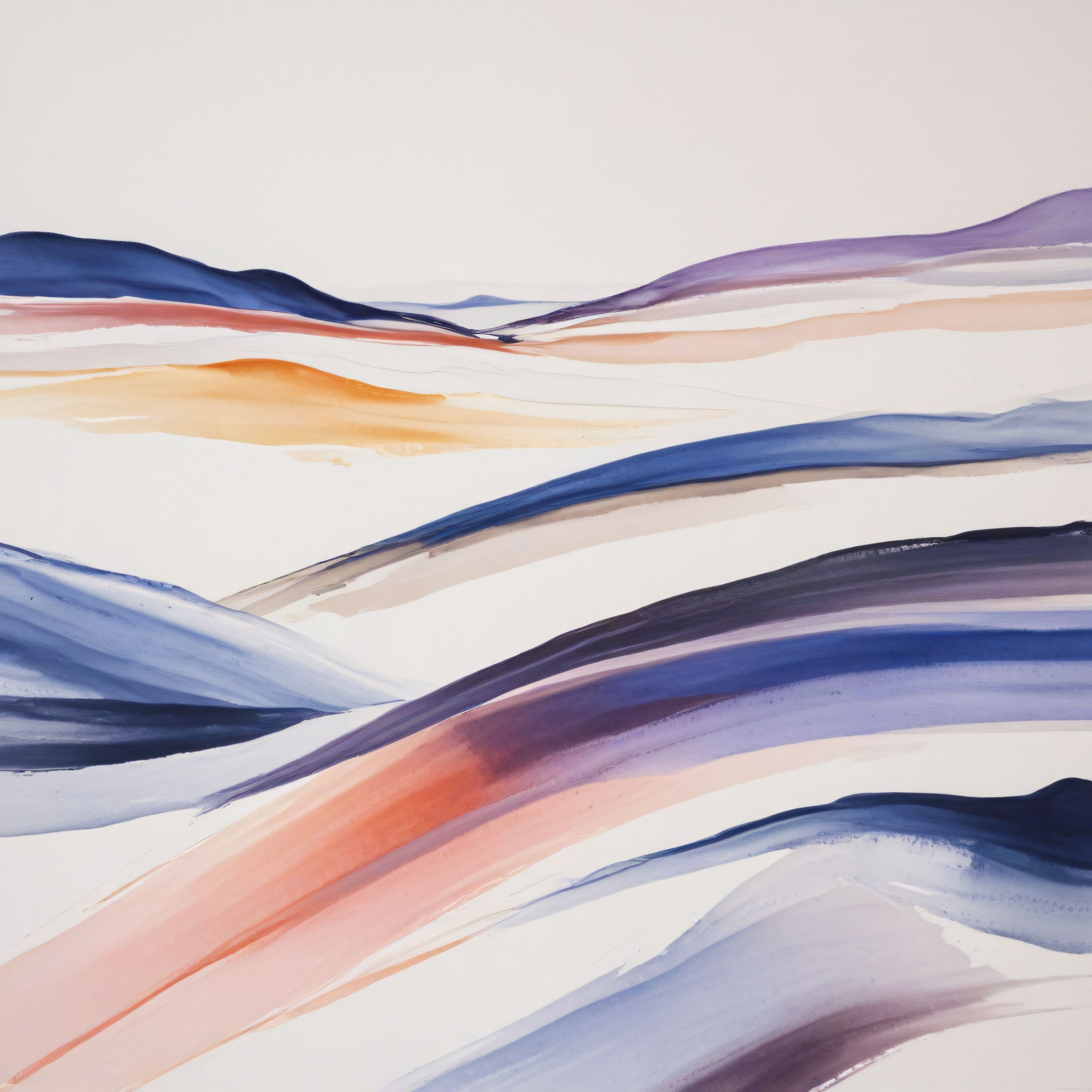

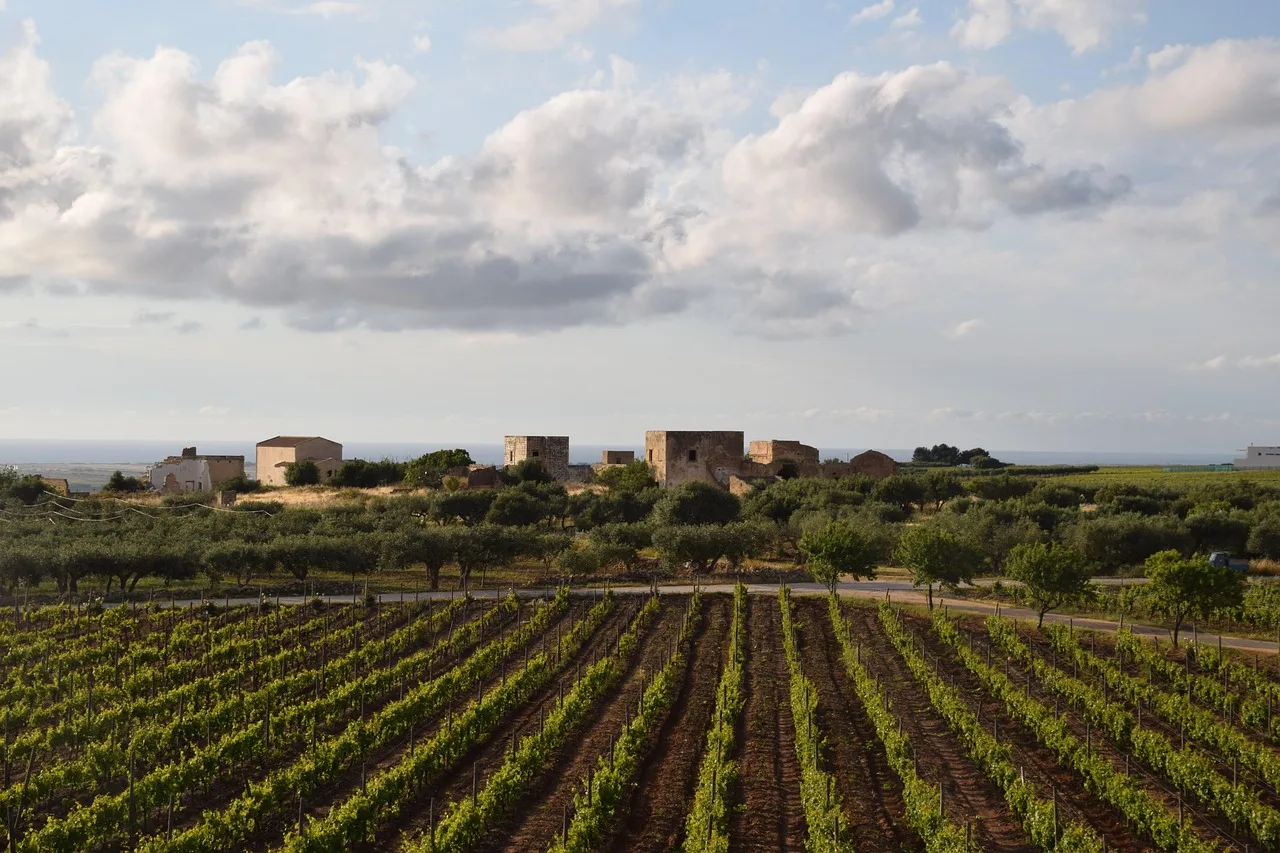
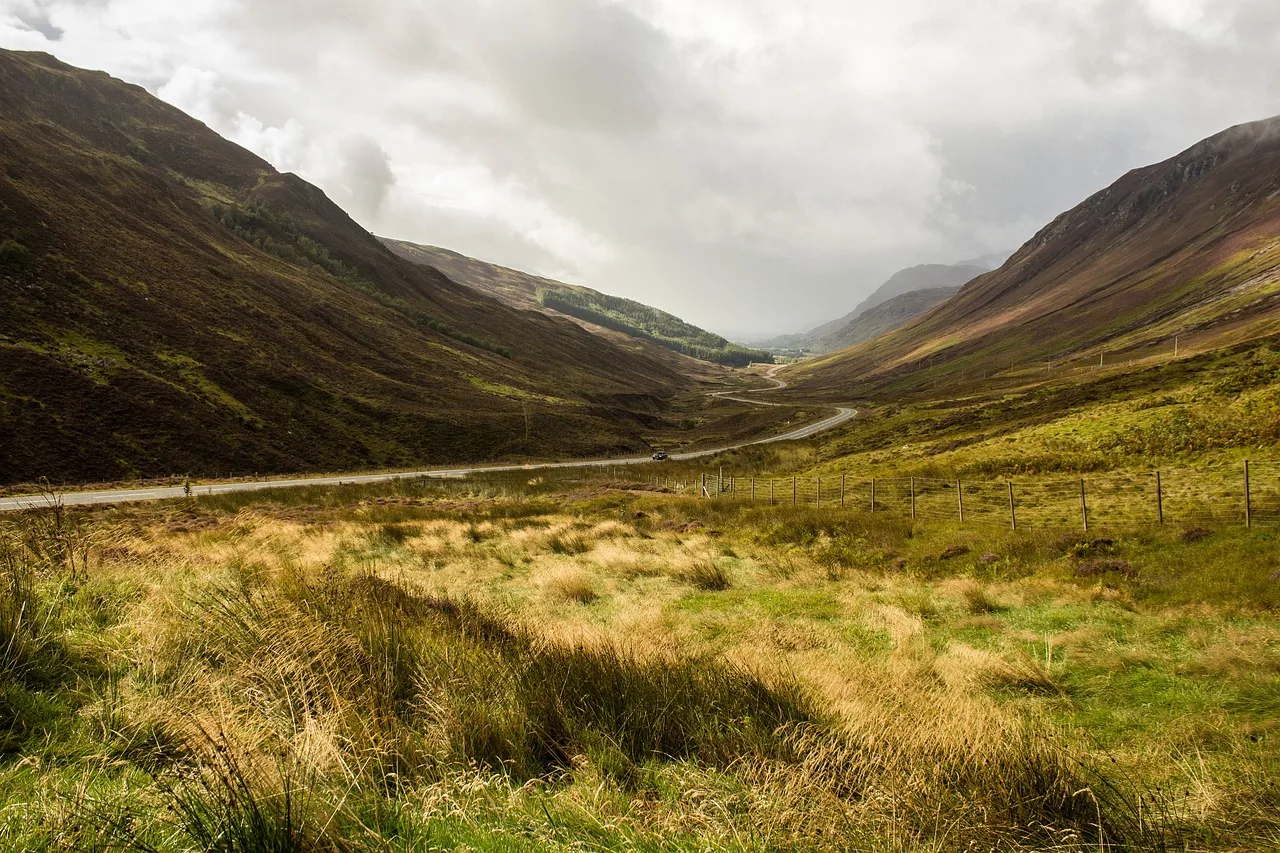
Çekim Tablosu
Belirtme (-i)manzarayı
Yönelme (-e)manzaraya
Bulunma (-de)manzarada
Çıkma (-den)manzaradan
Tamlayan (-in)manzaranın
Çoğul (-ler)manzaralar
Tanım
•isim: Bakış, görüş alanına giren, dikkati çeken her yer; görüntü, dekor
•görünüş
•Konusu bir doğa veya şehir parçası olan resim, gravür veya desen, tablo
•tablo
•mecaz: durum
Diğer Dillerde
Almancalandschaft, sicht (dişil) /ˈlantʃaft/
landscape · scenery, land as viewed from a given vantage point · a picture, especially a painting, of such a view
çekim: çoğul Landschaften · tamlayan Landschaften
köken: From Middle High German lantschaft, from Old High German lantskaf. By surface analysis, Land + -schaft.
aile: Landschaftsgärtner, Landschaftsgenetik, Landschaftsmaler, Landschaftsschutzgebiet, Landschaftsverband
Panorama-Ebene — Manzara Katmanı
Die Landschaft der Tundra ist von Moos, Gras und flachen Sträuchern geprägt.
Vom Gipfel hat man einen wunderbaren Blick über die Landschaft.
Sein Spätwerk besteht hauptsächlich aus Landschaften.
Fransızcapaysage (eril) /pɛ.i.zaʒ/
countryside · landscape · landscape (format)
çekim: çoğul paysages
eş: site, panorama, tableau, vue, tableau, situation
zıt: portrait
köken: From pays + -age. Cf. also Italian paesaggio, Catalan paisatge, Spanish paisaje, Portuguese paisagem, Romanian peisaj.
aile: paysager, paysagiste
Calque de panorama — Manzara Katmanı
Near-synonym: campagne
scope, field · ambitus
çekim: çoğul ámbitos
köken: Borrowed from Latin ambitus (“circuit”).
Capa panorámica — Manzara Katmanı
to sight, to spot, to catch sight of
çekim: geçmiş avvistàto · ortaç avvistàto · şimdiki avvìsta · ulaç avvistànte
eş: distinguere, vedere, intravedere, scorgere, ravvisare
köken: From a- + vista + -are.
aile: avvistamento, riavvistare
Livello panoramico — Manzara Katmanı
Rusçaвид, пейзаж, панорама, картина (dişil) /kɐrˈtʲinə/
picture (representation of visible reality produced by drawing, etc.) · painting, canvas · movie, film
çekim: çoğul карти́ны · tamlayan карти́ны
eş: полотно, фильм, кинофильм, кинокартина, лента, кинолента
köken: Borrowed from Italian cartina (“fine paper”).
& Слой — Manzara Katmanı
Arapçaمَشْهَد, مَنْظَر
طبقة استعراضية — Manzara Katmanı
Farsçaصحنه /säɦ.ná/
scene · stage
köken: Borrowed from Ottoman Turkish صحنه (sahne, “scene”), from Arabic صَحْن (ṣaḥn, “yard, field”).
Azericesəhnə /sæhˈnæ/
scene · stage
çekim: çoğul səhnələr · tamlayan səhnənin
köken: From Ottoman Turkish صحنه (sahne, “scene, stage”), an Ottoman coinage using صحن (sahn) + ـه (-e), the first part being derived from Arabic صَحْن (ṣaḥn). By surface analysis, səhn + -ə.
Onun böyük auditoriya qarşısında səhnəyə çıxmaqdan çox xoşu gəlirdi.
Felemenkçeaanblik, bezienswaardigheid, vizier (eril) /ˈaːn.blɪk/
appearance, aspect
çekim: çoğul aanblikken
köken: From Middle Dutch aenblic. Equivalent to aan + blik.
Panoramalaag — Manzara Katmanı
Portekizcecena, escândalo, espetáculo, mirar (dişil) /ˈsẽ.nɐ/
scene (location of an event that attracts attention) · scene (part of a dramatic work) · stage
çekim: çoğul cenas
köken: Learned borrowing from Latin sc(a)ena.
Camada Panorâmica — Manzara Katmanı
em cena
accusative masculine singular of αξιοθέατος (axiothéatos) · nominative/accusative/vocative neuter singular of αξιοθέατος (axiothéatos)
Στρώμα πανοραμικής άποψης — Manzara Katmanı
site · website
köken: Borrowed from English site.
パノラマレイヤー — Manzara Katmanı
公式サイト
to take aim at (target); to aim at · to take measure of (dimension)
çekim: geçmiş 겨누었다
köken: First attested in the Sinjeung yuhap (新增類合 / 신증유합), 1576, as Middle Korean 견후다 (Yale: kyenhwuta).
aile: 겨누기, 겨눔, 눈겨눔, 막대겨눔
근사한 호텔에 방을 잡아주더니 — Deniz manzaralı.
İsveççeanblick, åsyn, få syn på, scen, sceneri, se
sight (visual impressions when looking at something) · sight (what something or someone looks like – could also be interpreted as the first sense)
çekim: çoğul anblickar · tamlayan anblicks
köken: an- + blick
aile: vid första anblicken
Panoramalager — Manzara Katmanı
Lehçeatrakcja turystyczna, celować, celownik, dojrzeć, widok, zobaczyć /t͡sɛˈlɔ.vat͡ɕ/
to aim (to direct or point something at a particular object; to direct, as a missile, an act, or a proceeding, at, to, or against an object) · to aim (to point or direct a missile, or a weapon which propels as missile, towards an object or spot with the intent of hitting it) · to aim, to endeavor (to direct the intention or purpose; to attempt the accomplishment of a purpose; to try to gain)
çekim: geçmiş celowano · şimdiki celuje
eş: mierzyć
köken: Etymology tree Proto-Indo-European *deh₂-der. Proto-Indo-European *deh₂y-der.? Proto-Germanic *tiląder. Proto-West Germanic *tilder. Old High German zilder. Middle High German zilbor. Old Czech cílbor. Old Polish cel Polish cel Proto-Indo-European *h₂euh₁-der.? Proto-Slavic *-ovati Old Polish -ować Polish -ować Polish celować From cel + -ować.
aile: celujący
Warstwa panoramy — Manzara Katmanı
Ukraynacaдиви́тися, незвича́йність, па́м'ятка, поба́чити, приці́л
Шар панорами — Manzara Katmanı
sight, vision, observation, view, semblance · philosophy (a view or theory prescribed in a system or book) · viewing, meeting
çekim: çoğul दर्शनों
köken: Etymology tree Proto-Indo-European *derḱ- Sanskrit दृश् (dṛś) Proto-Indo-European *-nós Sanskrit -अन (-ana) Sanskrit दर्शन (darśana)bor. Hindi दर्शन Borrowed from Sanskrit दर्शन (darśana). Cognate with Bengali দর্শন (dorśon)
aile: दर्शन करना, दूरदर्शन
मैं आपके दर्शनों के लिए आया।
भारतीय दर्शन बहुत जटिल और रोचक है।
Fincekohtaus, kulissi, nähdä, nähtävyys, näköala, näkökenttä /ˈkohtɑus/
fit; attack; seizure; paroxysm · fit, spell (sudden outburst of emotion) · fit, frenzy (sudden outburst of activity)
çekim: çoğul kohtaukset · tamlayan kohtauksen
köken: kohdata (“to meet, encounter; to undergo”) + -us
aile: iso kohtaus, kohtauksittain, pieni kohtaus, affektikohtaus, alastonkohtaus, alkukohtaus, astmakohtaus, epilepsiakohtaus, halvauskohtaus, heikotuskohtaus
Panoraamataso — Manzara Katmanı
astmakohtaus
epilepsiakohtaus
kipukohtaus
pozoruhodnost
Panoramatická vrstva — Manzara Katmanı
Rumencepriveliște, scenă, spectacol, vedea (dişil)
view, sight, outlook
çekim: çoğul priveliști · tamlayan priveliști
köken: From priveală + -iște.
Plan — Manzara Katmanı
Macarcalátnivaló, látvány, szín, színhely /ˈlaːtnivɒloː/
an unusual sight, spectacle, tourist attraction
çekim: çoğul látnivalók
köken: látni + való
& Réteg — Manzara Katmanı
Oszoljanak, kérem, nincs itt semmi látnivaló.
Az óvárosban sok a szép templom, műemlék és más látnivaló.
İbraniceאֲתָר, כוונת, מַרְאֶה, סְצֵנָה (dişil)
sight, scope
çekim: çoğul כוונות
& שכבה — Manzara Katmanı
Latincelocus, visitatio, visus /ˈɫɔ.kʊs/
place (referring to a specific location) · a passage of literature · opportunity; cause; occasion; grounds
çekim: çoğul locī · tamlayan locī
köken: Etymology tree Proto-Indo-European *stel-der. Proto-Italic *stlokos? Old Latin stlocus Latin locus Inherited from Old Latin stlocus, possibly from Proto-Italic *stlokos, from Proto-Indo-European *stel- (“to put, place, locate”). However, De Vaan is skeptical of this derivation due to the suffix *-okos not being attested in any other word, and leaves the origin open.
aile: exemplī locō, īlicō, locālis, locārium, locō, loculus
aliquem in alicuius locum substituere
Est in sēcessū longō locus: īnsula portum
Dancascene, seværdighed, sigte (nötr) /seːnə/
stage (platform for performing in a theatre) · scene (section of a film or a play) · scene (a setting or a behaviour)
çekim: çoğul scener · tamlayan scenes
köken: From Latin sc(a)ena, from Ancient Greek σκηνή (skēnḗ).
aile: iscenesætte, sceneri, sceneshow
Panoramalag — Manzara Katmanı
Norveççeseverdighet, turistattraksjon
Nesoddtangen – Oslo – kveldsruter. — Vigo - gece manzarası.
Endonezceadegan, belantika, bidikan, nampak, panggung, pisir /adəˈɡan/
the appearance of a new character or a change in arrangement (screen) at a wayang show · scene (part of a dramatic work that is set in the same place or time)
çekim: çoğul adegan-adegan
köken: Affixed adeg + -an, borrowed from Javanese ꦲꦢꦼꦒꦤ꧀ (adegan). Semantic loan from English scene for “a part of a dramatic work” sense.
aile: beradegan, pengadeganan, seadegan, adegan dugong, adegan kecil, adegan keributan, adegan panas, adegan pastoral, adegan pengikat, adegan penyambung
Tapi apa menurutmu ini baik ? — Ama manzara güzel.
Vietnamcacảnh, giới, nhìn thấy, tầm nhìn /kajŋ̟˧˩/
scenery; view; landscape · scene (so much of a play as passes without change of locality or time) · state; situation; plight
köken: Sino-Vietnamese word from 景.
aile: bối cảnh, cảnh huống, cảnh may, cảnh ngộ, cảnh phông, cảnh quan, cảnh sắc, cảnh tình, cảnh tỉnh, cảnh trí
Lớp Toàn cảnh — Manzara Katmanı
uốn cây thế làm cảnh
Bulgarcaгле́дка, деко́р, и́зглед, карти́на, ме́рник, пейза́ж
Изрязване на слой — Manzara Katmanı
Etimoloji
Osmanlı Türkçesi منظره, Arapça مَنْظَر.
Deyimler
Eş & Zıt Anlamlılar
Örnek Cümleler
Manzaraya bak.
Look at the view.
Manzara Katmanı
Panorama Layer
Defter manzarası
Ledger Landscape
Manzara muhteşem.
The landscape is magnificent.
Manzara şaşırtıcı.
The view is amazing.
Ama manzara güzel.
But you think this is looking good, or what?
Manzara muhteşemdi.
The view was spectacular.
Bu manzara muhteşem.
This scenery is magnificent.
Manzara hep aynıdır.
The scene is always the same.
Manzarayı seviyorum.
I like the view.
- Güzel bir manzara.
- It's a great view.
Tam bir manzara idi.
Quite a sight it was.
İlgili Sorular
Kasırga bulutunun üstünden bir uçak geçerse, manzara nasıl olur?
New York’un kuzey bölgelerinde kamp için güzel yerler arıyorum. Özellikle güzel manzara, bir göl, dağ bisikleti rotaları ve kaliteli beyaz su raftingine sahip alanlar varsa bildirir misiniz? Linkler de yardımcı olur.
SLLAMEVI harflerini kullanarak 5 harften az bir kelime bulun (anagram). İpuçları: 1) Görülmesi hoş bir manzara; 2) Buradayım ama uzaktayım, beni tamamen görmek günler sürebilir. Beni oluşturan çok sayıda unsur var, bir anda hepsini göremezsiniz. Diğerleri beni ilginç bulur, sık sık izler ve bazıları ziyaret eder; çoğu ise hayatları boyunca göremez. Kardeşlerim dünya genelinde mevcuttur…
Bir anagram oyunu: Aşağıdaki harfleri (SLLAMEVI) kullanarak, en fazla 5 harfli bir kelime bulun. İpuçları: 1) Görülmesi hoş bir manzara; 2) Ben buradayım ama uzakta, beni bütün olarak görmek günler alabilir. Beni oluşturan birçok şey var ve tek seferde hepsini göremezsiniz. Diğerleri beni ilginç bulur, sık sık izler ve bazıları beni ziyaret eder; çoğu ise hayatları boyunca göremez. Kardeşlerim dünya çapında yaygındır…
İlk Körfez Savaşı'nda, Amerika'nın kaybettiğini söyleyip arkasında yanıp sönen Bağdat manzarasıyla bir basın toplantısı yapan kişi kimdi?
İlgili / Bileşik Terimler
Genellandscape