Sözlük
/koşum
koşum
TR → EN
"koşum" kelimesinin İngilizcesi: harness, team. Anlamı, çevirisi, telaffuzu ve örnek cümleler aşağıdadır.
Çeviri
Genelharness
Genelteam
Görsel
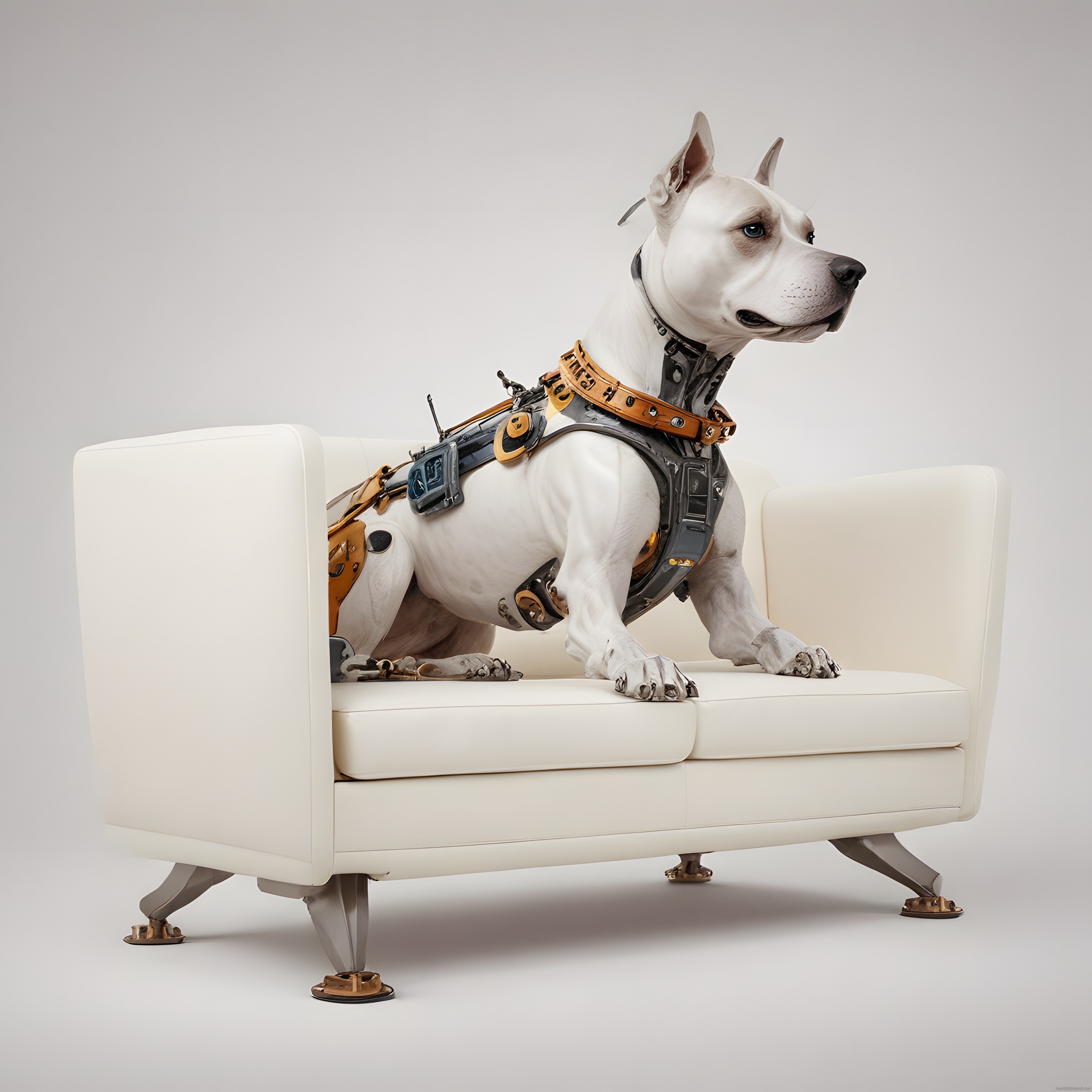

Tanım
•Araba hayvanının kayış takımı; koşum takımı.
•Hayvanın arabaya koşulması.
•Araba hayvanının hayvanı bağlamak, tutmak veya yönlendirmek amacıyla kullanılan takımı
•Hayvanın arabaya koşulması
Diğer Dillerde
AlmancaAnschnallgurt, aufzäumen, Geschirr, Gespann, Gurt, Harnisch (eril) /ˈanʃnalˌɡʊʁt/
seat belt
çekim: çoğul Anschnallgurte · tamlayan Anschnallgurts
eş: Haltegurt, Sicherheitsgurt
köken: From anschnallen (“to buckle up, fasten one's seat belt”) + Gurt (“belt”).
Drückt man B beim laufen, rennt man. — Koşum kuşanmış atlar ^ a b "koşum."
Fransızcaéquipe, harnacher, harnais (dişil) /e.kip/
team
çekim: çoğul équipes
köken: Inherited from Middle French equippe, from Middle French equipper, esquiper. More at French équiper.
aile: coéquipier, esprit d'équipe, poursuite par équipes
Une partie de leur formation consiste à entraîner un chien. — Köpeğe bağlanmak üzere bir tür koşum takımı tasarlandı.
İspanyolcaaparejar, aprovechar, arnés, arrear, consorcio, cuadrilla /apaɾeˈxaɾ/
to harness · to pair up
çekim: geçmiş aparejé · ortaç aparejado · şimdiki apareja
köken: From a- + parejo + -ar, or alternatively from Old Spanish, from Vulgar Latin *appariclāre, contraction of *appariculāre, itself probably from Latin apparāre. Compare Portuguese aparelhar, Italian apparecchiare, French appareiller.
aile: aparejador, aparejo
Tema: Cocinar a ritmo del chef. — Dizgin: Koşumun araç sürücüsünün kontrolündeki kısmıdır.
İtalyancabraca, frenare, imbracare, imbracatura, imbragare, imbragatura (dişil) /ˈbra.ka/
trouser leg · trousers, pants, breeches · harness
çekim: çoğul brache
köken: From Latin brāca.
Parlons Corse. — Parker: Koşumcu.
Rusçaупряжка, упряжь, сбруя
Körting, «B-s Leben u. — Koşum kuşanmış atlar ^ a b "koşum."
Arapçaعِنان, فَرِيق
"أرى حصاناً مسرج ، يجر الثلج بعيدا" — Bu atı görüyorum, koşum takımıyla, karı öteye sürüklüyor.
Farsçaکنترل کردن
Azericekomanda /kɑˈmɑndɑ/
team
çekim: çoğul komandalar · tamlayan komandanın
köken: Borrowed from Russian кома́нда (kománda), from German Kommando.
harness · utensil
çekim: çoğul әбзелдер · tamlayan әбзелдің
eş: тұрман
köken: Borrowed from Persian افسار (“curb”).
aile: әбзелдеу, әбзелхана, әбзелші
Özbekçejamoa
society, community
çekim: çoğul jamoalar · tamlayan jamoaning
köken: Borrowed from Arabic جَمَاعَة (jamāʕa).
Tatarcaҗигем, такым
Felemenkçeaanwenden, gebruiken, inspannen, optuigen, ploeg, team /ˈaːnˌʋɛndə(n)/
to apply, employ
çekim: geçmiş wendden aan · ortaç aangewend · şimdiki wendt aan · ulaç aanwendend
köken: From aan + wenden.
Een rijstrook is onderdeel van de rijbaan. — Dizgin: Koşumun araç sürücüsünün kontrolündeki kısmıdır.
to take, appropriate · to avail, to seize; utilize, to use · to be useful
çekim: geçmiş aproveitei · ortaç aproveitado · şimdiki aproveita
köken: From a- + proveito + -ar.
aile: aproveitamento
Arroio Pelotas Pelota — Dizgin Koşum Gem Binicilik
Você deveria aproveitar essa oportunidade.
Yunancaζευγάρι, ιπποσκευή, ομάδα, χάμουρα (nötr) /zeˈvɣa.ri/
couple, pair · married or in romantic liaison, or acting together (of people) · yoke (ie a pair of animals tied together for ploughing)
çekim: çoğul ζευγάρια · tamlayan ζευγαριού
eş: ζεύγος
köken: From Byzantine Greek ζευγάρι (zeugári), ζευγάριν (zeugárin), from ζευγάριον (zeugárion), diminutive of Ancient Greek ζεῦγος (zeûgos). Ultimately from Proto-Indo-European *yewg- (“to join, tie together”).
aile: ζευγαράκι, ζευγαρίζω, ζευγάρισμα, ζευγαροπλεχτός, ζευγάρωμα, ζευγαρωμένος, ζευγαρώνω, ζευγαρωτός
Βλέπω ένα άλογο, με ιπποσκευή, να απομακρύνει το χιόνι. — Bu atı görüyorum, koşum takımıyla, karı öteye sürüklüyor.
ένα ζευγάρι: παπούτσια, κάλτσες, γυαλιά
Να σας συστήσω το ζεύγος Παπαδοπούλου. Παντρεύτηκαν πέρσι, αλλά είναι ζευγάρι εδώ και δέκα χρόνια.
καλλιτεχνικό ζευγάρι
team
köken: From English team.
完走は14台。 — Koşumlanmaları için 14 kişi yeterlidir.
Korece마구 /ma̠ɡu/
carelessly, recklessly, indiscriminately, at random · violently, severely, badly, wildly
köken: First attested in the Worin seokbo (月印釋譜 / 월인석보), 1459, as Middle Korean 마고〮 (Yale: màkwó), derived from 막다〮 (Yale: màk-tá, “to block”). Original meaning: "blocking; stopping up; intending to block or stop up". The etymology is no longer transparent.
aile: 마구마구, 마구잡이
약수의 합은 14이다. — Koşumlanmaları için 14 kişi yeterlidir.
İsveççebinda, exploatera, harnesk, lag, sela (på), seldon
to tie (fasten with ropes or strings) · to bind (similar senses to English) · to retain (liquid)
çekim: geçmiş band · ortaç bunden · ulaç bindande
köken: Inherited from Old Swedish binda, from Old Norse binda, from Proto-Germanic *bindaną, from Proto-Indo-European *bʰendʰ-.
aile: band, binda samman, bindel, bindemedel, bindeord, bindestreck, bindgalen, bindhinna, bindning, bindruna
14 runstenar är funna. — Koşumlanmaları için 14 kişi yeterlidir.
Hon band honom med repet.
en bindande ed
Salt binder vatten.
Lehçedrużyna, ekipa, ujarzmiać, ujarzmić, uprząż, zaprząc (dişil) /druˈʐɘ.na/
team (group of professional players) · team, troop (organized group of people carrying out a task together) · troop (group of at least 16 scouts acting together)
çekim: çoğul drużyny · tamlayan drużyny
eş: kompania, gromada, grupa, zespół
köken: Etymology tree Proto-Indo-European *dʰrewgʰ-der. Proto-Balto-Slavic *draugás Proto-Slavic *drugъ Proto-Indo-European *-iHneh Proto-Balto-Slavic *-īˀnāˀder. Proto-Slavic *-ina Proto-Slavic *družina Old Polish drużyna Polish drużyna Inherited from Old Polish drużyna. By surface analysis, drug + -yna.
aile: wewnątrzdrużynowy, drużynka, drużynówka
Sklasyfikowanych zostało 14. — Koşumlanmaları için 14 kişi yeterlidir.
Ukraynacaви́користати, використо́вувати, впряга́ти, впрягти́, гру́па, за́пряг
Кермо́ — пристрій для керування рухом автомобіля. — Dizgin: Koşumun araç sürücüsünün kontrolündeki kısmıdır.
team
çekim: çoğul टीमें
köken: Borrowed from English team.
भारत की क्रिकेट टीम पिछले साल वर्ल्ड कप नहीं जीती।
Fincejoukkue, miehistö, ottaa käyttöön, talli, tiimi, työhye /ˈjou̯kːueˣ/
team · platoon
çekim: çoğul joukkueet · tamlayan joukkueen
köken: joukko (“group, crowd”) + -ue
aile: -joukkueinen, joukkueittain, amatöörijoukkue, ammattilaisjoukkue, edustusjoukkue, farmijoukkue, finaalijoukkue, hiihtojoukkue, hopeajoukkue, huutojoukkue
Kolmisenkymmentä ässää pääsi 40 pudotukseen. — Koşumlanmaları için 14 kişi yeterlidir.
harness (for an animal)
çekim: çoğul postroje · tamlayan postroje
Vidím zapřaženého koně odhrnujícího sníh. — Bu atı görüyorum, koşum takımıyla, karı öteye sürüklüyor.
Rumenceechipă, ham, harnașament, înhăma (dişil)
team
çekim: çoğul echipe · tamlayan echipe
köken: Borrowed from French équipe.
Călărași Raionul Cărpineni — s. — Koşum kuşanmış atlar ^ a b "koşum."
Macarcabefog, csapat, csoport, felhasznál, felkantároz, felszerszámoz /ˈbɛfoɡ/
to cover · to harness (to attach a draught animal to a carriage) · to make someone work
çekim: geçmiş befogtak
köken: be- + fog
aile: befogás, befogó, befogja a száját
A cél egy fáradhatatlan kutyafajta kitenyésztése volt. — Köpeğe bağlanmak üzere bir tür koşum takımı tasarlandı.
İbraniceנִבְחֶרֶת, צוות, צֶוֶת, קְבוּצָה, רָתַם, רִתְמָה (eril)
crew, squad, team; staff
çekim: çoğul צוותים
אני רואה סוס, עם רתמה, גורר את השלג הלאה. — Bu atı görüyorum, koşum takımıyla, karı öteye sürüklüyor.
עבודת צוות
צוות האונייה
צוות השתלטות
Latincecapistrum, iugum, manipulus, turma /kaˈpɪs.trũː/
halter, headstall, harness
çekim: çoğul capistra · tamlayan capistrī
köken: Etymology tree Proto-Indo-European *kap- Proto-Indo-European *-yéti Proto-Indo-European *kapyéti Proto-Italic *kapjō Old Latin kapiō Latin capi(ō) Proto-Indo-European *-tḗr Proto-Indo-European *-trom Proto-Italic *-trom Latin -trum Latin capistrum From capi(ō) (“seize”) + -trum.
team (group of persons working or playing together) · class (group of students taught together) · distance, side (only with the prepositions på or fra and an adjective)
çekim: çoğul holde · tamlayan holds
köken: From Old Norse hald (“grip, power, hold”). Also see holde (“to hold”), to which it is ultimately related.
Jeg ser den her hest med seletøj, der trækker sneen væk. — Bu atı görüyorum, koşum takımıyla, karı öteye sürüklüyor.
Norveççespann, utnytte
Dal Kløft Gjel — Dizgin Koşum Gem Binicilik
Eş & Zıt Anlamlılar
Eş anlamlılar
koşum kayışı
koşum takımı
Örnek Cümleler
At koşum bağlama yarışmasına katıldı.
He participated in the horse dressage competition.
Kosova Başbakanı Bayram Kosumi. [Getty Images]
Kosovo Prime Minister Bajram Kosumi. [Getty Images]
Haradinaj’dan boşalan koltuğu Bayram Kosumi devraldı.
Bajram Kosumi replaces him in the post.
Başbakan Bayram Kosumi de birliğin önemini vurguladı.
Prime Minister Bajram Kosumi also emphasised the importance of unity.
Kosumi, "Teknik diyaloğa nasıl baktığını merak ediyorum.
"I would like to know how he sees the issue of technical dialogue.
Bu atı görüyorum, koşum takımıyla, karı öteye sürüklüyor.
I see this horse with a harness, dragging the snow away.
Kostunica-Kosumi Görüşmesi Üzerindeki Belirsizlik Sürüyor
Talks Between Kostunica and Kosumi Still Uncertain
Eğer gitmek niyetinde olduğunu bana söylemedin koşum içine. "
You did not tell me that you intended to go into harness."
Kosova Başbakanı Kosumi Kostunica ile Teknik Konularda Görüşmeye İstekli
Kosovo's Kosumi Willing to Discuss Technical Issues With Kostunica
Başbakan Bayram Kosumi de Kosova tarafında gecikme olmayacağını söyledi.
Prime Minister Bajram Kosumi said there will no delays from the Kosovo side.
Kosumi de, statü sürecinin bu yıl tamamlanacağından emin olduğu söyledi.
Kosumi said he is confident that the status process will be completed this year.
Bu tür koşum genellikle daha geniş bir bağlantı noktası çeşitliliği sunar.
This kind of harness normally offers a wide range of attachment points.