Sözlük
/çimen
çimen
/tʃimæn/
noun
C2 seviye
TR → EN
"çimen" kelimesinin İngilizcesi: grass, lawn, sward, grass, turf. Anlamı, çevirisi, telaffuzu ve örnek cümleler aşağıdadır.
Çeviri
Genelgrassnoun
Genellawn
Genelsward
Genelgrass
Genelturf
Genelgreen
Genellawn
Genelgrass
Genellawn
Genelgrass
Görsel
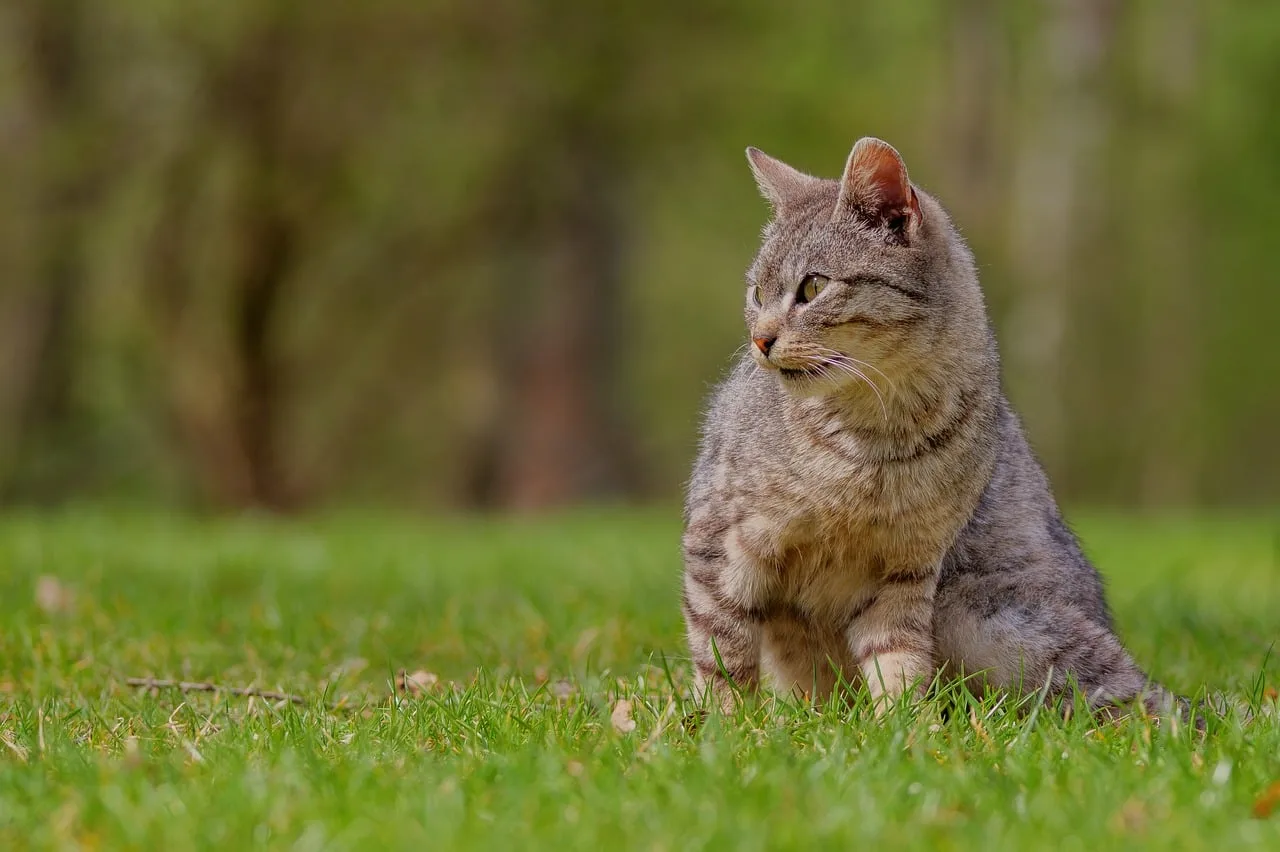
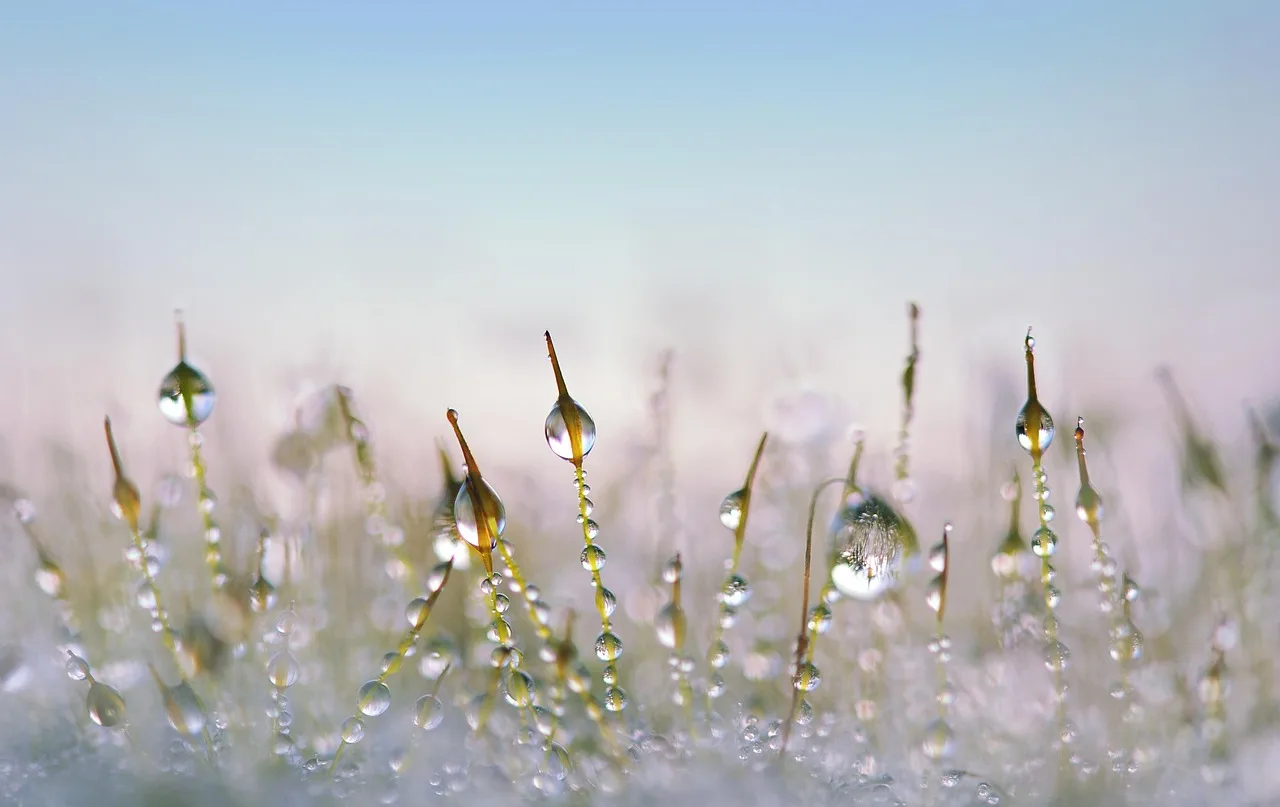
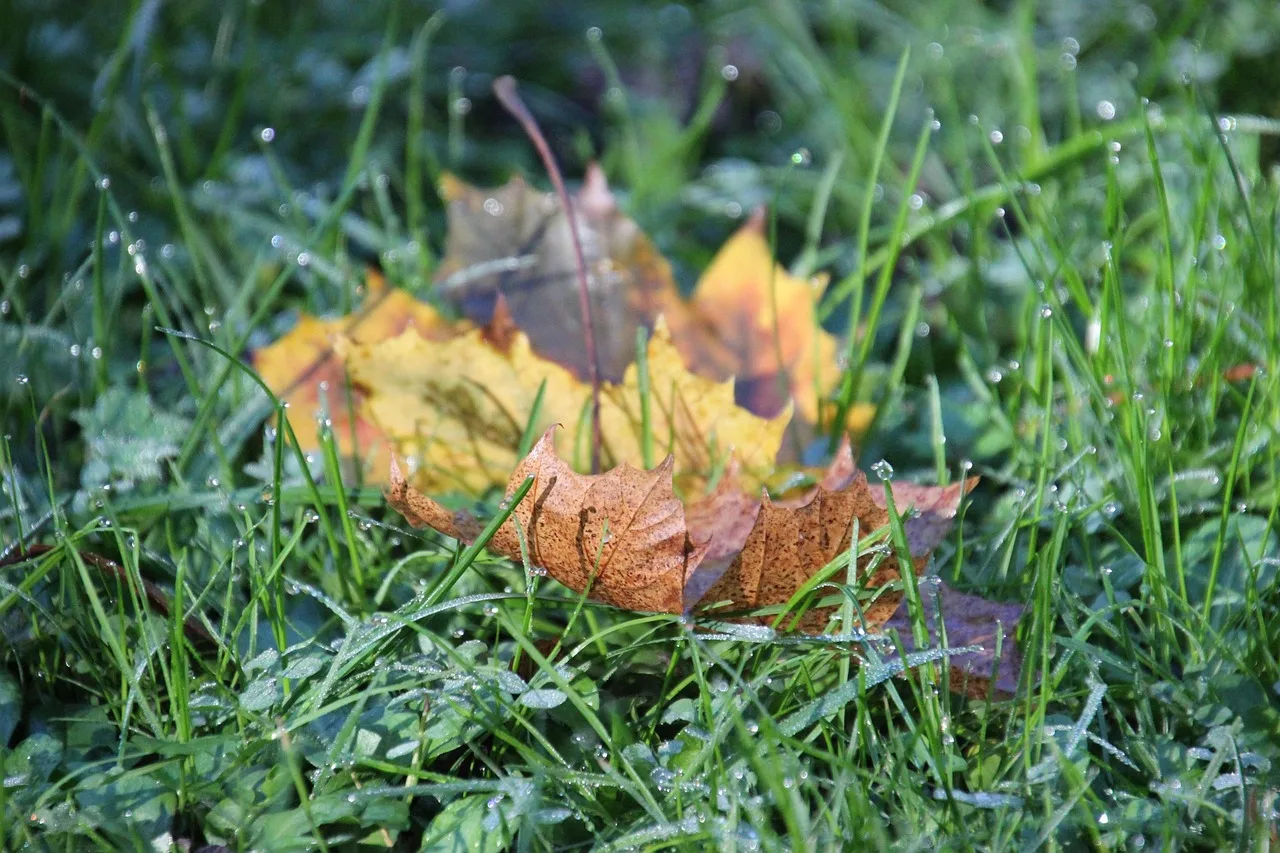
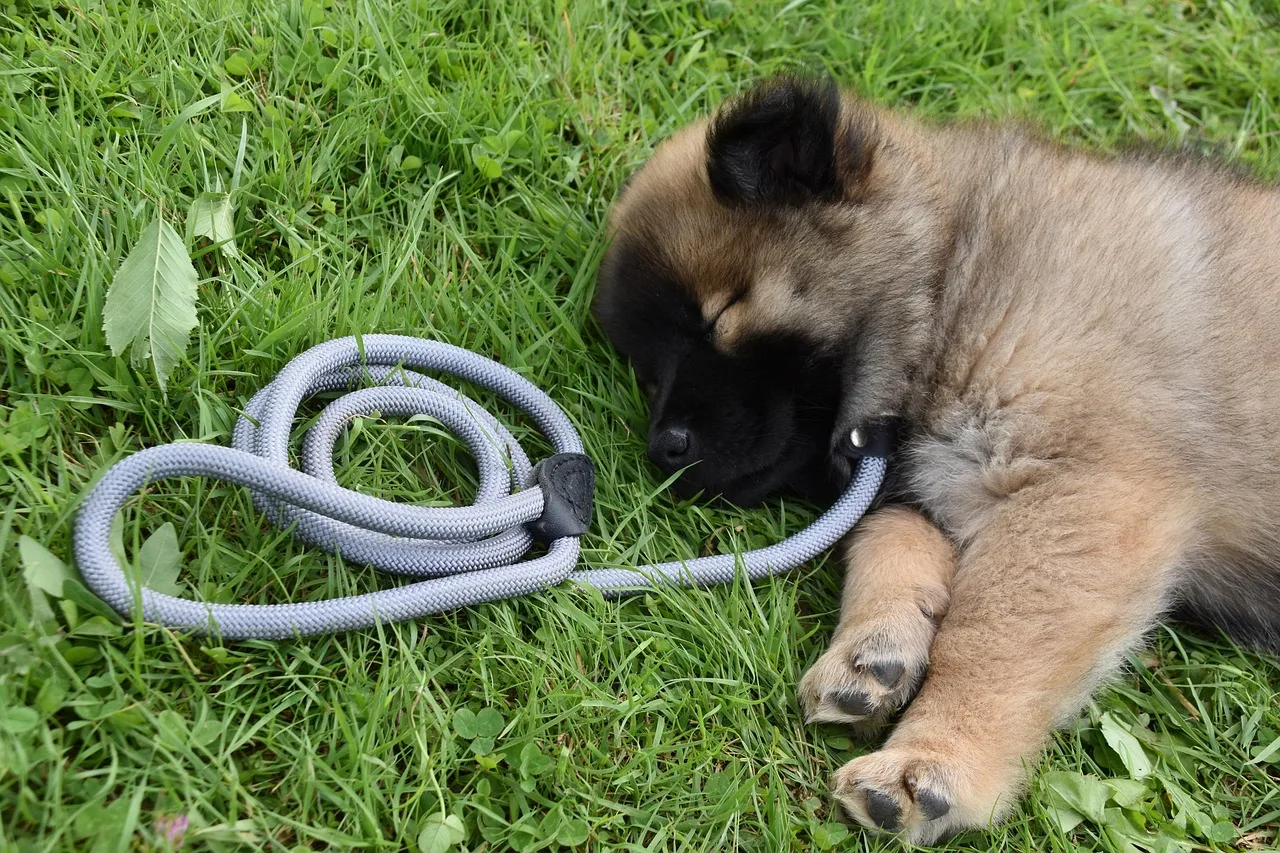
Çekim Tablosu
Belirtme (-i)çimeni
Yönelme (-e)çimene
Bulunma (-de)çimende
Çıkma (-den)çimenden
Tamlayan (-in)çimenin
Çoğul (-ler)çimenler
Tanım
•Bir kız ismi.
•Kendiliğinden yetişmiş çim
•Konya ili Cihanbeyli ilçesine bağlı köy
•Malatya ili Arapkir ilçesine bağlı köy
•Van ili Erciş ilçesine bağlı köy
•Bu tohumu un durumuna getirip sarımsak, kırmızıbiberle karıştırarak yapılan, genellikle pastırma üzerine sürülen macun
Diğer Dillerde
Almancarasen (eril) /ˈraːzən/
lawn · turf
çekim: tamlayan Rasens
köken: From north-eastern Middle High German rase, probably from Middle Low German wrāse (“sod, turf”), though the two could also be cognate forms. Further origin presumably a variant of Middle Low German wāse, from Old Saxon waso, from Proto-West Germanic *wasō (“moisture, slime, muck”) which has been inherited as German Wasen. The intermitting r might be due to influence from dialectal forms of Brodem…
aile: Fußballrasen, Kunstrasen, Parkrasen, Rasenfläche, Rasenfußball, Rasenlänge, Rasenmäher, Rasenpflege, Rasensport, Rasenstück
Grasgrüncolor — Çimen Yeşilicolor
Fransızcaherbe (dişil) /ɛʁb/
grass (the plant) · weed; marijuana; ganja; cannabis
çekim: çoğul herbes
köken: Inherited from Old French erbe, herbe, from Latin herba, ultimately from Proto-Indo-European *gʰreH₁- (“to grow, become green”).
aile: beuh, couper l'herbe sous le pied, désherber, en herbe, enherber, faire de l'herbe, fines herbes, herbe à cent goûts, herbe à chique, herbe à cloque
vert prairiecolor — Çimen Yeşilicolor
lawn · grass · turf
çekim: çoğul céspedes
eş: pasto
köken: Inherited from Old Spanish céspede, from Latin cēspitem, cēspes, monophthongized variant of caespes.
aile: campo de césped, cortacésped, cortador de césped, cortadora de césped, cortar el césped, hockey sobre césped
Verde céspedcolor — Çimen Yeşilicolor
informer, spy · sycophant
çekim: çoğul delatori
eş: accusatore, denunziatore, informatore, sicofante, spia, spione
köken: Borrowed from Latin dēlātōrem, form of dēlātor (“accuser, informer”).
Verde pratocolor — Çimen Yeşilicolor
Rusçaгазон (eril) /ɡɐˈzon/
lawn
çekim: çoğul газо́ны · tamlayan газо́на
köken: Borrowed from French gazon (“lawn”).
aile: газонокоси́лка
471 млн тенге. — 414 ^ Ali Çimen.
grass, hay · hemp, cannabis · hashish
çekim: çoğul حَشَائِش · tamlayan حَشِيشٍ
aile: حَشَّاش, حَشَّاشِين
أخضر عشبيcolor — Çimen Yeşilicolor
Farsçaچَمَن, سَبْزَه, سَبْزِه, عَلَف, فَرَزْد, گِراس
snitch, grass, informer
çekim: çoğul çuğullar · tamlayan çuğulun
thunder, lightning
çekim: çoğul жасылдар · tamlayan жасылдың
köken: From Proto-Turkic *yāĺïl (“green”). Cognate with Azerbaijani yaşıl, Bashkir йәшел (yəşel), Tatar яшел (yäşel), Kyrgyz жашыл (jaşıl), Uzbek yashil, Uyghur йешил (yëshil), Southern Altai јажыл (ǰažïl), Turkish yeşil, Turkmen ýaşyl, Gagauz eşil, Chuvash ешӗл (eš̬ĕl), etc.
aile: жап-жасыл
fire
çekim: çoğul oʻtlar
köken: Inherited from Chagatai اوت (ōt, “fire”), from Proto-Turkic *ōt (“fire”). Cognate with Turkish and Azerbaijani od, Turkmen ōt, and Kazakh от (ot).
Tatarcaүлән, чирәм, яшел
green (color)
köken: From Proto-Turkic *yāĺïl (“green”). Cognate with Old Uyghur [script needed] (jašɨl, “green”); Bashkir йәшел (yəşel), Kazakh жасыл (jasyl), Kyrgyz жашыл (jaşıl), Uzbek yashil, Uyghur йешил (yëshil), Southern Altai јажыл (ǰažïl), Turkish yeşil, Turkmen ýaşyl, Gagauz eşil, Azerbaijani yaşıl, Northern Altai чажыл (čažïl), Shor чажыл (čažïl), Chuvash ешӗл (eš̬ĕl, “green”).
aile: яшелләндерергә, яшелләнергә, яшеллек, яшелчә
Felemenkçeeen groentje, gras, groen, groene, groene jongen, onervaren (nötr) /ɣrɑs/
grass
çekim: çoğul grassen
köken: From Middle Dutch gras, from Old Dutch *gras, from Proto-West Germanic *gras, from Proto-Germanic *grasą, from Proto-Indo-European *gʰreh₁- (“to grow”). Doublet of gors.
aile: addertje onder het gras, baardgras, biestarwegras, blote billetjes in het gras, buntgras, citroengras, doddegras, Engels gras, fakkelgras, grasduin
Grasgroencolor — Çimen Yeşilicolor
Het gras is groen na de regen.
Ik hou ervan om op het gras te liggen en naar de wolken te kijken.
Ze speelden voetbal op het gras.
Portekizcealcaguetar, alcaguete, dedo-duro, dedurar, delatar, erva /aw.ka.ɡeˈta(ʁ)/
to grass; to snitch
çekim: geçmiş alcaguetei · ortaç alcaguetado · şimdiki alcagueta
köken: From alcaguete + -ar. Cognate with Spanish alcahuetear.
Verde- Relvacolor — Çimen Yeşilicolor
Yunancaγκαζόν, πρασινίζω, πράσινο, πράσινος, χορτάρι (nötr) /ɡaˈzon/
lawn
eş: χλοοτάπητας
köken: Borrowed from French gazon (“lawn”).
Πράσινο γρασίδιcolor — Çimen Yeşilicolor
green · putting green · being green, environmentally friendly
ローングリーンcolor — Çimen Yeşilicolor
grass (plant characterized by leaves that arise from nodes in the stem and leaf bases that wrap around the stem)
城峰中心为世界上第二高的混凝土大楼。 — Holcim, Dünya çapında ikinci büyük çimento üreticisidir.
green (color)
eş: 초록색, 연두
köken: Sino-Korean word from 綠色, from 綠 (“green”) + 色 (“color”)
color — Çimen Yeşilicolor
İsveççegräs, grön, grön av avund, grönt, oerfaren (nötr)
grass; any plant of the family Poaceae · weed, grass (marijuana)
çekim: çoğul gräsen · tamlayan gräsets
eş: Gramineae, Poaceae
köken: Inherited from Old Swedish gräs (“grass”), from Old Norse gras (“grass”), from Proto-Germanic *grasą, from Proto-Indo-European *gʰreH₁- (“grow, become green”). According to SO attested since the 1290s via Västgötalagen.
aile: citrongräs, darrgräs, fjädergräs, gräsbrand, gräsmatta, gräsplan, grässtrå, gröngräs, hänggräs, kasgräs
Gräsgröncolor — Çimen Yeşilicolor
Han lade sig ner i gräset
spela på gräs
klippa gräset
stool pigeon, snitch
çekim: çoğul kapusie · tamlayan kapusia
eş: kapusta
köken: Etymology tree Proto-Indo-European *kap- Proto-Indo-European *-yéti Proto-Indo-European *kapyéti Proto-Italic *kapjō Old Latin kapiō Latin caperebor. ▲ Italian capireinflu. German kapierenbor. Proto-Indo-European *h₂euh₁-der.? Proto-Slavic *-ovati Old Polish -ować Polish -ować Polish kapować Polish -uś Polish kapuś From kapować + -uś.
LawnGreencolor — Çimen Yeşilicolor
Ukraynacaзеле́ний, зелени́ти, морі́г, сири́й
Трава зелена. — Çimen yeşildir.
grass · fodder
çekim: çoğul घासें
köken: Etymology tree Proto-Indo-Iranian *gʰas- Sanskrit घस् (ghas) Sanskrit घास (ghāsa) Prakrit 𑀖𑀸𑀲 (ghāsa) Hindi घास Inherited from Prakrit 𑀖𑀸𑀲 (ghāsa), from Sanskrit घास (ghāsa), from the root घस् (ghas, “to eat, devour”).
घोड़े खेत में घास चर रहे हैं।
तीक्ष्ण धूप ने घास जला दी।
Fincehapan, hapokas, heinä, kalpea, kokematon, lisätä viheralueita /ˈhɑpɑn/
sour, acid in taste · sour, peevish, irritable, grumpy, fretful, ill-tempered · acidic, acid
çekim: karşılaştırma happamampi · üstünlük happamin
köken: From Proto-Finnic *hap'oin (compare Estonian hapu), from Proto-Finno-Permic *šappa (compare Erzya чапамо (čapamo), Moksha шапама (šapama), Eastern Mari шопо (šopo)). The declension has been levelled to a plain m-stem with two variants happama- and happame- (see usage notes below for original dialectal distribution).
aile: hapahko, hapoinen, happamahko, happamaton, happamasti, happamesti, happamuus, happo, hapantua, hapata
Nuermenvihreäcolor — Çimen Yeşilicolor
hapan mehu
grass (plant of the family Poaceae) · weed (marijuana)
çekim: çoğul trávy · tamlayan trávy
eş: travina, trávník, ganja
köken: Inherited from Old Czech tráva, from Proto-Slavic *trava.
aile: travnatý, trávníkový, sekačka na trávu, travěnka, travička, travina, travka, trávník, zatravnit
TrávníkováZeleňcolor — Çimen Yeşilicolor
Rumenceiarbă (dişil) /ˈjar.bə/
grass · herb · weed
çekim: çoğul ierburi · tamlayan ierbi
köken: Inherited from Latin herba, ultimately from Proto-Indo-European *gʰreh₁- (“to grow, become green”). Compare Aromanian earbã.
Verde gazoncolor — Çimen Yeşilicolor
Macarcaéretlen, fű, környezetkímélő, sápadt, tapasztalatlan, természetbarát /ˈfyː/
grass · pot, grass, marijuana
çekim: çoğul füvek
köken: From Proto-Ugric *pimɜ (“grass”). Cognates include Northern Mansi пум (pum, “grass”).
aile: füves, fű alatt, citromfű, fű-fa, fűnek-fának, fűnyírás, fűnyíró, fűszer, fűzöld, gyermekláncfű
fűzöldcolor — Çimen Yeşilicolor
İbraniceדֶּשֶׁא, ירוק, ירוק \ יָרֹק, ירוק מקנאה, עֵשֶׂב /jaˈʁok/
green
köken: From Proto-Semitic *waruḳ-. Compare with יֶרֶק (“vegetation”) and Arabic وَرَق (waraq, “leaf”)
aile: יְרַקְרַק
ירוק־ דשאcolor — Çimen Yeşilicolor
grass, herbage · herb · weeds
çekim: çoğul herbae · tamlayan herbae
köken: Etymology tree Proto-Indo-European *gʰreh₁-der. Proto-Indo-European *gʰer-dʰ? Latin herba Traditionally derived from Proto-Indo-European *gʰer-dʰ, from Proto-Indo-European *gʰreh₁- (“to grow, become green”), and compared to grāmen (“grass, turf”) and English grass. However, De Vaan is skeptical of this derivation, preferring the variant *ǵʰreh₁-, noting that *gʰer-dʰ cannot be derived from this…
aile: herbāceus, herbāns, herbāria, herbārium, herbārius, herbāticus, herbeus, herbidus, herbifer, herbilis
Dancagræs, græsplæne, grøn, plæne (qoloquial), stikker /ˈɡʁas/
grass
çekim: çoğul græsser · tamlayan græs'
köken: From Old Danish græs, from Old Norse gras (“grass”), from Proto-Germanic *grasą.
aile: aksgræs, citrongræs, duskgræs, elefantgræs, fodergræs, græsareal, græsart, græseng, græsfrø, græsgang
Græsgrøncolor — Çimen Yeşilicolor
Etimoloji
Eski Türkçe
Eş & Zıt Anlamlılar
Eş anlamlılar
Örnek Cümleler
Çimen yeşildir.
The grass is green.
414 ^ Ali Çimen.
448 Hyginus.
Çimen Yeşilicolor
LawnGreen
Git çimenliği sula.
Go water the lawn.
Atlar çimenleri yer.
Horses eat grass.
Çimenleri suluyorum.
I'm watering the lawn.
Çimento hâlâ ıslaktı.
The cement was still wet.
Mesela bu çimen rengi.
For example, this is the sound of grass.
Benim çimenimde yürüme!
Don't walk on my lawn!
Kesik cimen gibi kokar.
It smells of cut grass.
Dev çimenlerin üzerinde.
On giant grass.
Bazen çimenlere uzanırım.
I sometimes lie on the grass.