Sözlük
/yağmur
yağmur
/jɑːˈmur/
noun
A2 seviye
TR → EN
"yağmur" kelimesinin İngilizcesi: rain, rain, wet, rain, rain. Anlamı, çevirisi, telaffuzu ve örnek cümleler aşağıdadır.
Çeviri
Genelrainnoun
Genelrain
Genelwet
Genelrain
Genelrain
Genelrain
Görsel
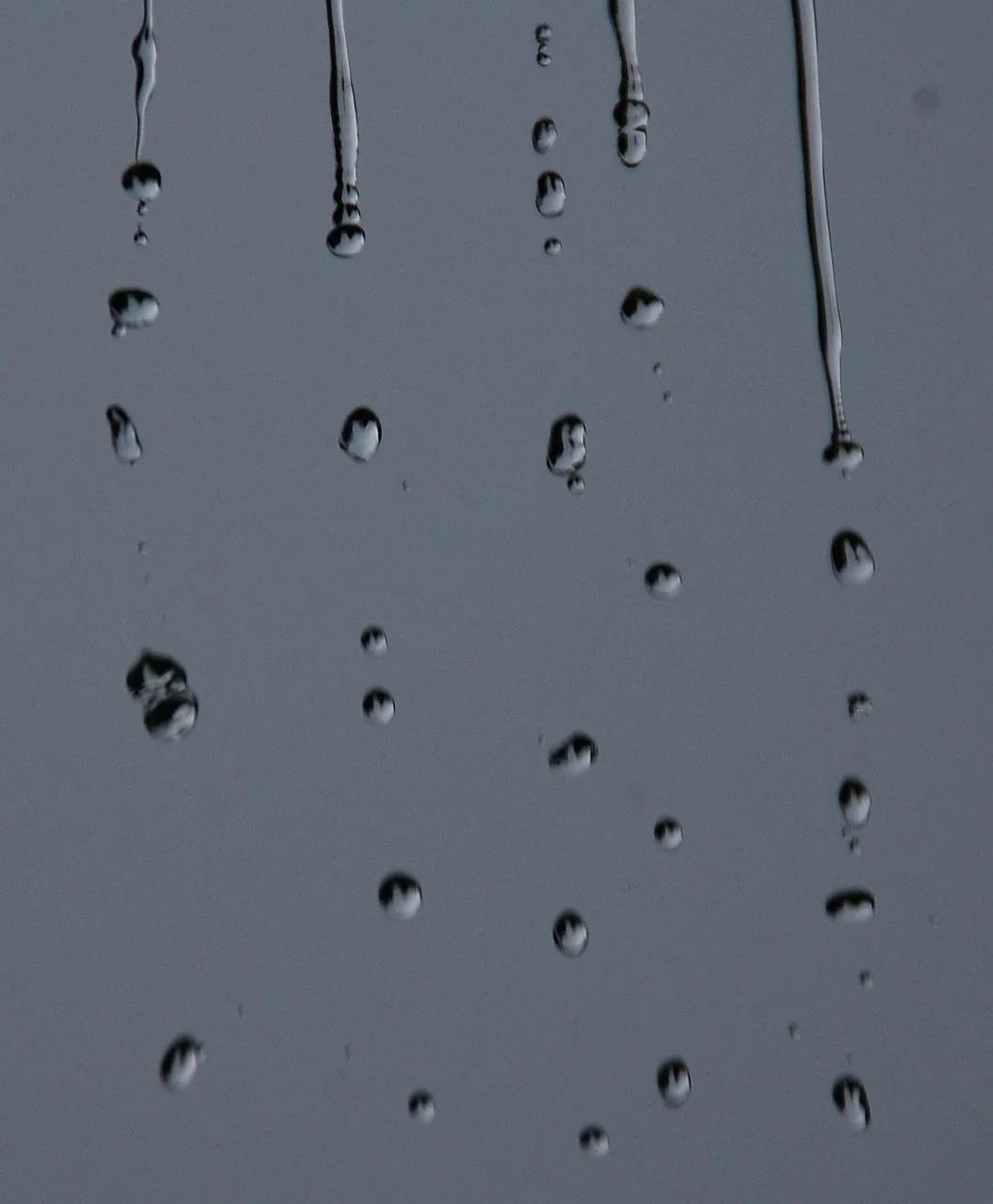
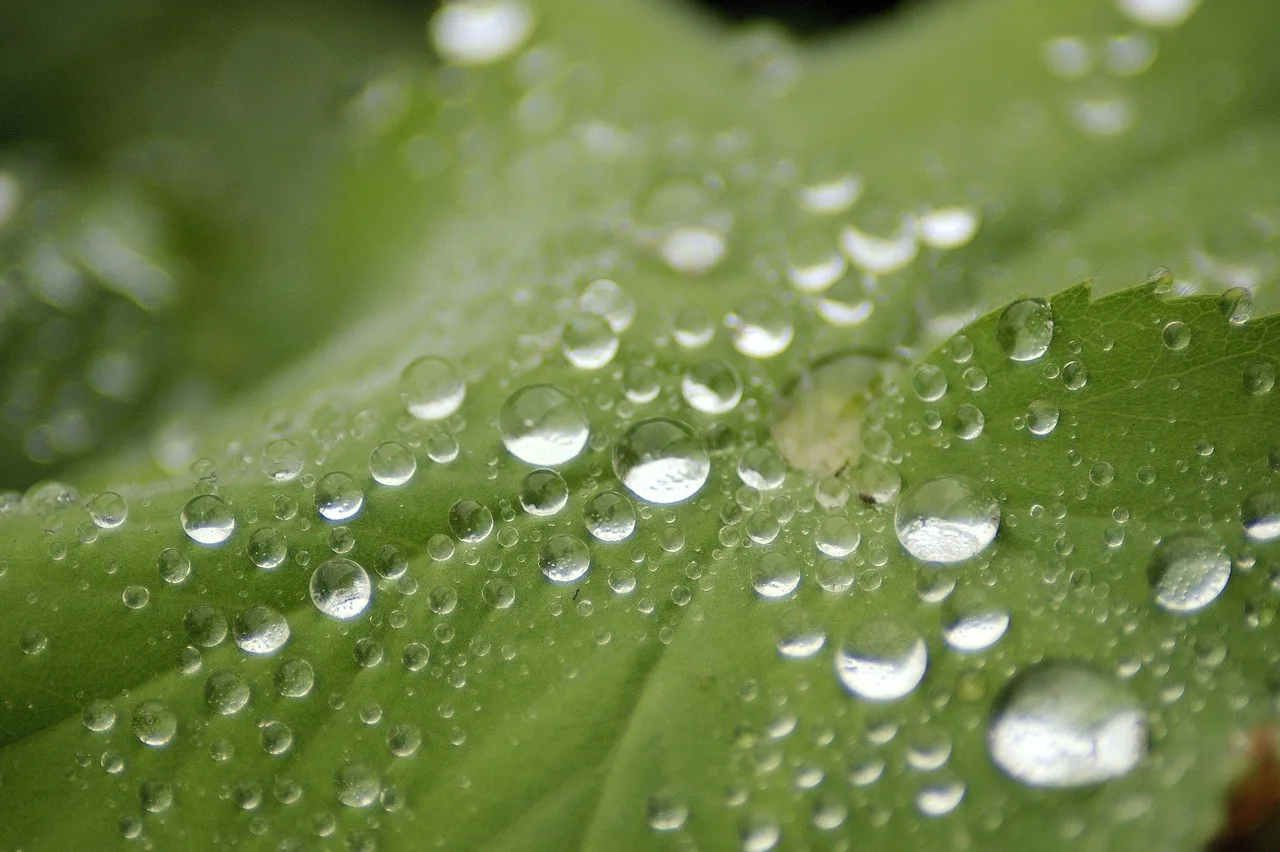

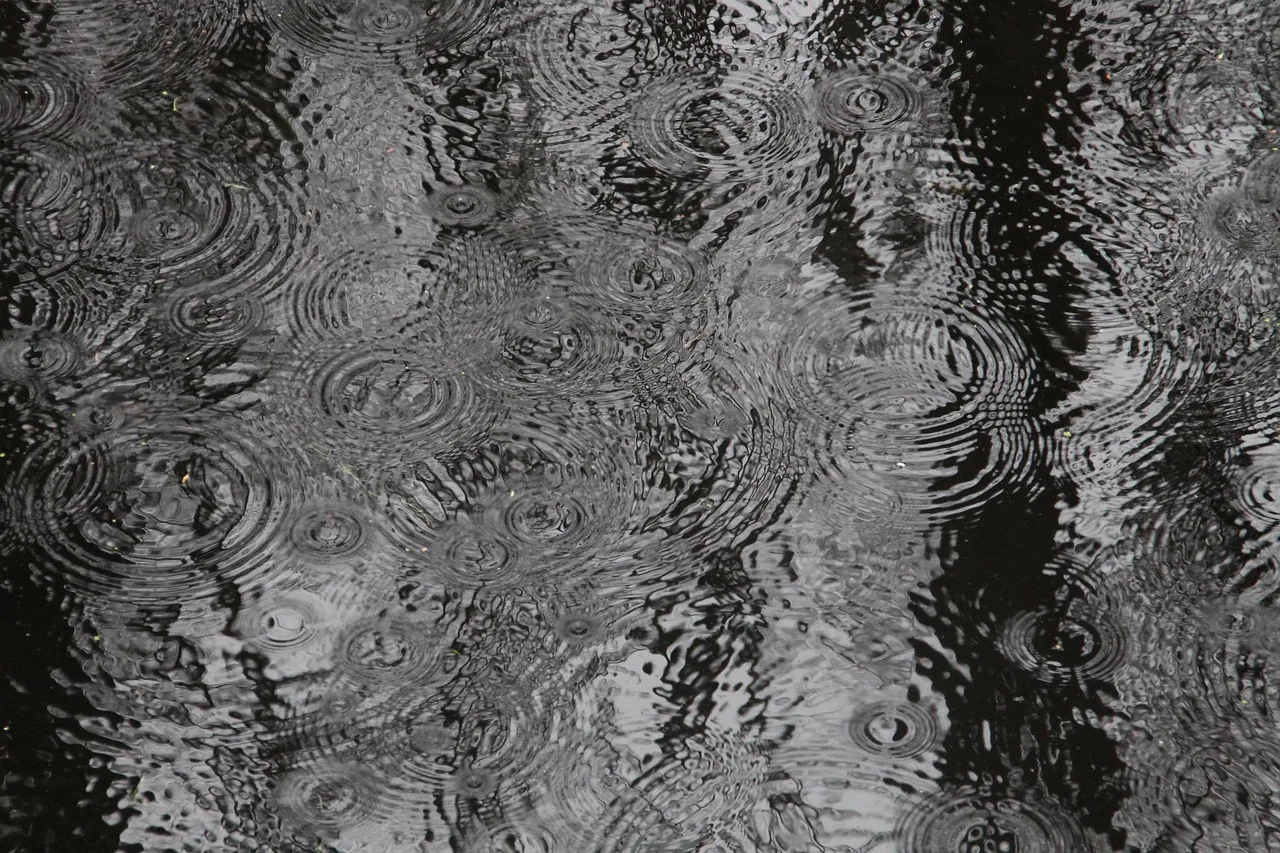
Çekim Tablosu
Belirtme (-i)yağmuru
Yönelme (-e)yağmura
Bulunma (-de)yağmurda
Çıkma (-den)yağmurdan
Tamlayan (-in)yağmurun
Çoğul (-ler)yağmurlar
Tanım
•isim: Atmosferdeki su buharının yoğunlaşmasıyla oluşan ve yeryüzüne düşen yağışın sıvı durumda olanı; yağar, yağış, baran, bereket, kay (I), rahmet
•Çok miktarda ve sık düşen, gelen şey
•Çokluk, bolluk
Atasözü & Deyim
“Arsızın yüzüne tükürmüşler ‘yağmur yağıyor’ demiş”
“Yağmur yağsın da varsın kerpiççi ağlasın”
“Bahtsızın bağına yağmur, ya taş yağar ya dolu”
“Çiftçiye yağmur, yolcuya kurak; cümlenin muradını verecek Hak”
“Abanın kadri yağmurda bilinir”
Diğer Dillerde
Almancaregen
to move (a small amount or unconsciously) · to move (intransitive), to stir · to be active doing something, occupying oneself
çekim: geçmiş regte · ortaç geregt · şimdiki regt · ulaç regend
köken: From Middle High German regen (“to make protrude, to erect, to excite, to move”), from Proto-West Germanic *hraggjan (“to make stand, wake up, incite”). By synchronic analysis, the causative of ragen.
aile: abregen, anregen, aufregen, beregen, erregen, rege, reglos, regsam, Regung
[Der Regen...] — [Yağmur ...]
Er regte seinen Finger so weit wie möglich.
rain · loads of things
çekim: çoğul pluies
köken: From Middle French pluye, from Old French pluie, from Vulgar Latin *plo(v)ia.
aile: après la pluie, le beau temps, chiant comme la pluie, ennuyeux comme la pluie, faire la pluie et le beau temps, ne pas être né de la dernière pluie, parapluie, parler de la pluie et du beau temps, petite pluie abat grand vent, pluie acide, pluie verglaçante
[La pluie...] — [Yağmur ...]
Des pluies torrentielles se sont abattues la semaine dernière.
Il a reçu une pluie de messages de recruteurs cherchant à le débaucher.
feminine singular of húmedo
FX 1 - Lluvia — FX 1 - Yağmur
İtalyancapioggia (dişil) /ˈpjɔd.d͡ʒa/
rain · shower (large quantity)
çekim: çoğul piogge
eş: acquazzone, diluvio, nubifragio, piovasco, precipitazione, rovescio
köken: Inherited from Vulgar Latin *plo(v)ia. Doublet of ploia; piecewise doublet of piova.
aile: pioggerella, pioggia acida, piovano, piovasco, piovischio
[La pioggia...] — [Yağmur ...]
una pioggia battente
Rusça(женское имя), метеорол. дождь
[Дождь ...] — [Yağmur ...]
Arapçaأَمْطَرَ, شتا, شْتا, مُبْتَلّ, مُبَلَّل, مَبْلُول
إذا ضربنا بـ 10 — Yağmur Ünal
Farsçaباران, بَارَان, باران آمدن, بارون, باریدن, خیس /baː.ˈraːn/
rain
köken: From Middle Persian [script needed] (wʾlʾn' /wārān/) (Manichaean Middle Persian [script needed] (wʾrʾn /wārān/)), compound of [script needed] (wʾl /wār-/) and [script needed] (-ʾn' /-ān/), from Proto-Indo-Iranian *wáHr̥ (“water; rain”), from Proto-Indo-European *weh₁r- (“water”). Indo-Iranian cognates include Northern Kurdish baran, Northern Luri بارۆ (barø), Avestan 𐬬𐬁𐬭𐬀 (vāra, “rain”),…
aile: باران آمدن, باران دیده, بارانی, بارانزا, بارانستج, بارانگیر, بمباران, شغال باران, پرباران, کمباران
باران کلاهش را تر کرده.
منت باران به کشت آرزویش میدهد غمزهات گر خستهای را تیرباران کرده است
آسمون ابریه اما دیگه بارون نمیاد
moisture (that which moistens or makes damp) · humidity · tear (mostly in göz nəmi)
çekim: çoğul nəmlər · tamlayan nəmin
köken: From Persian نم.
nəm dəsmal
nəm saç
rain
köken: From Common Kypchak jamğïr ("rain"), from Proto-Turkic *yag-mur (“rain”). Cognate with Bashkir ямғыр (yamğır), Tatar яңгыр (yañğır), Nogai ямгыр (yamgır), Karakalpak жамғыр, Karachay-Balkar джангур (cañur), Kyrgyz жамгыр (jamgır), Shor нағбыр / нағбур, etc.
aile: жаңбырлы
Özbekçehoʻl, shilta, yomgʻir, ёмғир /jɒm.ʁir/
rain
çekim: çoğul yomgʻirlar · tamlayan yomgʻirning
köken: Inherited from Chagatai یَامْغُورْ (yāmğūr), which was metathesised from Proto-Turkic *yag-mur.
Felemenkçeregen (eril) /ˈreː.ɣə(n)/
rain
çekim: çoğul regens
köken: From Middle Dutch rēgen, from Old Dutch regan, from Proto-West Germanic *regn, from Proto-Germanic *regną.
aile: meteorenregen, miezerregen, moessonregen, regenboog, regenbui, regendans, regendrop, regendruppel, regenen, regenjas
[De regen ...] — [Yağmur ...]
Portekizcechuva (dişil) /ˈʃu.vɐ/
rain
çekim: çoğul chuvas
köken: Inherited from Old Galician-Portuguese chuvia, from Latin pluvia. Compare Galician choiva, Spanish lluvia.
aile: ao preço da chuva, chapéu de chuva, chuva ácida, chuva de estrelas, chuva de manga, chuva de meteoritos, chuva de meteoros, chuva dourada, chuva miudinha, chuva molha-tolos
[A chuva ...] — [Yağmur ...]
Yunancaβρέχω, βροχερός, βροχή, υγρός /ˈvre.xo/
to wet, dampen · to offer treat (usually a drink) for good luck for newly acquired goods · to send rain
çekim: geçmiş έβρεξα · ortaç έχοντας βρέξει · şimdiki βρέχει · ulaç βρέχοντας
köken: From Ancient Greek βρέχω (brékhō, “to wet, drench. Sense "rain" since Hellenistic times”). The impersonal 3rd singulars, by ellipsis of noun God, or Zeus, or the cloud, etc. Unrelated to βρέγμα (vrégma, “(anatomy) bregma”), assumed as related by Hippocrates and Aristotle.
aile: βρεγμένος, βρεμένος, βρεγμένη σανίδα, έχω μη στάξει και μη βρέξει, σαν τη βρεγμένη γάτα, τις βρέχω
Η Βροχή... — [Yağmur ...]
Θα βρέξω τα ρούχα πριν τα σιδερώσω.
Αγόρασα παπούτσια. Πάμε να τα βρέξουμε.
For quotations using this term, see Citations:βρέχω.
damp; humid · gloomy; sad
小数点が1つ動きます. — Yağmur Ünal
杉の梢が日光を遮つてゐるので、その道にはいつも冷たい濕つぽさがあつた。
to rain
eş: 雨, 天雨, 降雨, 落雨, 掉開點兒, 落雨
aile: 下雨了, 下雨天, 天要下雨,娘要嫁人
方光圻(1898年-? — Yağmur (1890).
要下雨了嗎?
要下雨了吗?
今天非下雨不可。
to be humid; to have considerable humidity
köken: 습윤(濕潤) (seubyun) + -하다 (-hada, “to do”, light verb deriving adjectives).
[비...] — [Yağmur ...]
현재는 사막이 되었지만 옛날 이 지역은 습윤해서 사람이 생활했었지요.
wet (covered with or impregnated with liquid) · including large amounts of alcohol · soft
çekim: karşılaştırma blötare · üstünlük blötast
köken: From Old Swedish blø̄ter, from Old Norse blautr (“wet”), bleyta, from Proto-Germanic *blautaz, from Proto-Indo-European *bʰlaw-.
aile: blötdjur, lägga näsan i blöt
regn och snöfall — yağmur ve kar
Jag blev blöt när det regnade
kallt och blött väder
en blöt fest
Lehçedeszcz, deszcz pada, dżdżyć, mokry, wilgotny, zmoczyć (eril) /ˈdɛʂt͡ʂ/
rain (condensed water falling from a cloud) · downpour (other precipitation as a punishment from God) · downpour, shower (very large amount of something)
çekim: çoğul deszcze · tamlayan deszczu
eş: dżdża, wacha, ulewa, burza, grad
köken: Etymology tree Proto-Slavic *dъždžь Old Polish deżdż Polish deszcz Inherited from Old Polish deżdż.
aile: deszczomierz, kwaśny deszcz, złoty deszcz, potrzebować czegoś jak kania dżdżu, powstać jak grzyby po deszczu, powstawać jak grzyby po deszczu, wpaść z deszczu pod rynnę, wpadać z deszczu pod rynnę, z dużej chmury mały deszcz
[Deszcz ...] — [Yağmur ...]
Deszcz pada.
rain
çekim: çoğul дощі́ · tamlayan дощу́
köken: From Proto-Slavic *dъždžь.
Якщо ми помножимо це на 10, ми перемістимо кому на один знак, — Yağmur Ünal
moist, damp
köken: Inherited from Prakrit गिल्ल (gilla), ultimately of uncertain origin. See there for more.
aile: गीला करना, गीलापन
मेरे कपड़े गीले हो गये।
यह गीला बारूद बेकार है।
to wet (to cover or impregnate with liquid) · to water (pour water for plants or flowers) · to irrigate (to supply farmland with water, by building ditches, pipes, etc.)
çekim: geçmiş kastellut · şimdiki kastelee · ulaç kasteleva
köken: kastaa (“to dip, douse, wet”) + -ella (frequentative verb)
aile: kasteleminen, kastelija, kastelu
FX 1 - Sade — FX 1 - Yağmur
Çekçedéšť (eril) /ˈdɛːʃc/
rain
çekim: çoğul deště · tamlayan deště
eş: liják, lijavec, deštík, deštíček
köken: Inherited from Old Czech déšč, from Proto-Slavic *dъždžь of uncertain origin, probably from Proto-Indo-European *dus-diu- (“bad day”), from *dus + *dyew-.
[Déšť...] — [Yağmur ...]
prudký déšť
silný déšť
kapky deště
to excite; to arouse
çekim: geçmiş excitat · ortaç excitat · şimdiki excită
köken: Borrowed from French exciter, from Latin excitare.
aile: excitator
Dacă înmulțim asta cu 10, — Yağmur Ünal
present participle of esik
çekim: çoğul esők
köken: esik (“to fall”) + -ő (present-participle suffix)
[Az eső...] — [Yağmur ...]
a földre eső magvak
egy főre eső GDP
to wet, dampen: to cause to become wet
çekim: geçmiş הִרְטַבְתָּ
zıt: ייבש, יִבֵּשׁ
הגשם... — [Yağmur ...]
Latinceimber, imbuō, lavo, madefacio, madidus, pluit /ˈɪm.bɛr/
rain · a storm · a stormcloud
çekim: çoğul imbrēs · tamlayan imbris
eş: pluvia
köken: Etymology tree Proto-Indo-European *nebʰ- Proto-Indo-European *-rós Proto-Indo-European *n̥bʰrís Proto-Italic *n̥βris Latin imber Inherited from Proto-Italic *n̥βris, from Proto-Indo-European *n̥bʰrís. Cognates include Sanskrit अभ्र (abhrá), meaning "cloud", Old Armenian ամբ (amb), Northern Kurdish ewr and possibly Ancient Greek ἀφρός (aphrós) and ὄμβρος (ómbros).
aile: imbrex, imbricus, imbridus, imbrifer
Frigore et assiduis imbribus tardarentur
Etimoloji
Osmanlı Türkçesi یغمور sözcüğünden devralındı
Deyimler
para yağmuru
övgü yağmuru
yağmur yağışı
Kelime Ailesi
Eş & Zıt Anlamlılar
Örnek Cümleler
[Yağmur ...]
[The rain ...]
Yağmur durdu.
The rain stopped.
FX 1 - Yağmur
FX 1 - Rain
yağmur ve kar
rain and snow
Altın Yağmuru
Shower of Gold
Hava yağmurlu.
It's raining.
Yağmur nerede?
Where is the rain?
Yağmur harika.
The rain is wonderful.
Yağmuru dinle.
Listen to the rain.
Yağmuru sevmem
I don't like rain.
Yağmur (1890).
X (1890).
hafif yağmurlu
light showers
İlgili Sorular
Yağmur ile yağmur damlası arasındaki temel fark nedir?
Yağmur ve yağmur damlası arasındaki ana farkı nasıl açıklarsınız?
Talladega’da yağmur yağarsa ne olur? Pazar günü yağmur ihtimali %60!
Talladega’da yağmur yağması durumunda neler olur? Pazar günü yağmur ihtimali %60.
Yağmur yağdığında kelebekler nereye gider?
İlgili / Bileşik Terimler
Genelrainspout
Tarihrain-prayer
Genelrainforest
Genelrainwater
Tarihrain-stone
Genelraindrop
Genelrainstorm
Genelcharadriiformes
Genelrainforest
Genelrain cloud
Genelrainy season
Genelrain man
Genelis it going to rain
Genelit's raining