Sözlük
/vites
vites
"vites" kelimesinin İngilizcesi: gear, shift, gear, gear lever, gear lever. Anlamı, çevirisi, telaffuzu ve örnek cümleler aşağıdadır.
Çeviri
Genelgearnoun
Genelshiftnoun
Genelgear
Genelgear lever
Genelgear lever
Görsel
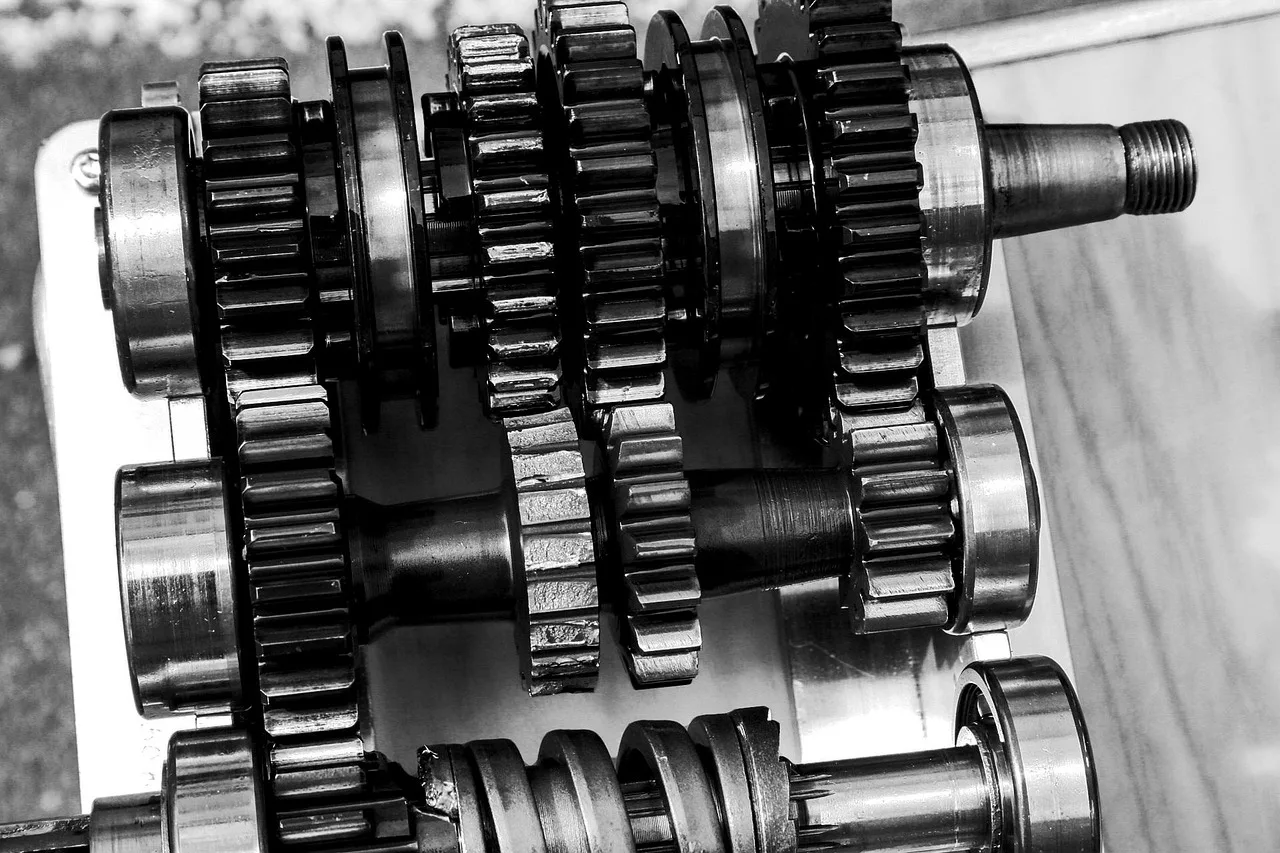
Çekim Tablosu
Belirtme (-i)vitesi
Çoğul (-ler)vitesler
Tanım
•isim: Motorlu taşıtların çekiş ve hızını ayarlamaya yarayan dişliler düzeni
Diğer Dillerde
AlmancaAusrüstung, Gang, Gangschaltung, Hochstelltaste, Schaltung, Schicht (dişil) /ˈaʊ̯sˌʁʏstʊŋ/
equipment, gear
çekim: çoğul Ausrüstungen · tamlayan Ausrüstungen
köken: From ausrüsten + -ung.
Ich schieb' ihn rein! — Birinci vitesteyiz.
Fransızcadécalage, décaler, échanger, engrenage, engrener, équipe (eril) /de.ka.laʒ/
gap, discrepancy · shift, offset · time shifting (practice of recording a broadcast for later watching or listening)
çekim: çoğul décalages
köken: From décaler + -age.
aile: décalage horaire, décalage vers le rouge
Elle est automatique. — Otomatik viteslidir.
İspanyolcaaparejo, aparejos, apero, aperos, avíos, bártulos (eril) /apaˈɾexo/
fishing tackle · gear, equipment · elevation hoist
çekim: çoğul aparejos
köken: Deverbal from aparejar.
aile: albarda sobre aparejo
Empújalo a través, en primera. — Birinci vitesteyiz.
İtalyancaattrezzo, barattare, cambiare, equipaggiamento, ingranare, maiusc (eril) /atˈtret.t͡so/
tool, implement
çekim: çoğul attrezzi
eş: utensile, arnese, strumento
köken: Deverbal from attrezzare + -o.
Mentre ora, al secondo ciclo — Oysa ikinci viteste --
Rusçaскорость (dişil) /ˈskorəsʲtʲ/
speed · rate · velocity
çekim: çoğul ско́рости · tamlayan ско́рости
eş: быстрота, темп, передача, поспешность, торопливость
köken: ско́рый (skóryj) + -ость (-ostʹ)
aile: скоростно́й
Переключи передачу. — Vitesi değiştir.
ско́рость зву́ка
ско́рость све́та
Arapçaنَوْبَة
ولكن اليوم .. وعلى السرعة الثانية — Oysa ikinci viteste --
Farsçaانداختن, جابهجا شدن, جابهجا کردن, شیفت /ʔan.daːx.ˈtan/
to throw, to eject, to cast · to drop · to shoot, to fire
çekim: geçmiş انداخت · ortaç انداخته · şimdiki میاندازد · ulaç اندازنده
köken: From Middle Persian [Book Pahlavi needed] (hndʾhtn' /handāxtan/, “to plan, allot, reckon, judge”), from *ham- (“together, syn-”) + *tač- (“to reach for, attain”), the latter from Proto-Indo-European *tek- (“to stretch the hand, receive, reach”) and cognate with شاه (šâh, “king, shah”), as well as Old English þiċġan (“to receive, accept”) and Lithuanian tèkti (“to be granted”). See also اندازه…
aile: خاکانداز
آن را از پنجره بیرون انداختم.
از پنجره بیرون انداختمش.
کمترک انداز سگ را استخوان، ز آن که سگ چون سیر شد, سرکش شود
Azericeiş növbəsi, smen
Özbekçesmena
Felemenkçekoppeling, versnelling
Een eigentijdse expressie. — Otomatik viteslidir.
Portekizcecâmbio, desvio, engrenar, equipamento, marcha, mudança (eril) /ˈkɐ̃.bi.u/
exchange: · currency exchange · transformation (act of transforming or being transformed)
çekim: çoğul câmbios
köken: From Old Galician-Portuguese cambio, either directly from Late Latin cambium (“change”) or deverbal of cambiar (cf. Portuguese escambo), from Latin cambiāre (“to change”), from a Celtic language, from Proto-Celtic *kamb- (“crooked; bent”), from Proto-Indo-European *(s)ḱamb-, *(s)kamb- (“bent”).
aile: alavanca de câmbio, caixa de câmbio, cambiário, câmbio automático, câmbio flutuante, câmbio livre, câmbio manual, câmbio marítimo, câmbio paralelo, cambismo
Começa em primeira. — Birinci vitesteyiz.
exchange rate
Yunancaβάρδια, εξοπλισμός, σύνεργα, σχέση, ταχύτητα (dişil)
watch (duty period or the team working it) · shift (work period or the team working it)
çekim: çoğul βάρδιες · tamlayan βάρδιας
köken: From Venetan vardia, from Old High German warta, from Proto-Germanic *warþō, an extension of a stem-verb *warōną (“be on guard”), from Proto-Indo-European *wer-.
Αυτοματοποιητική. — Otomatik viteslidir.
gear
köken: From English gear.
アフリカはローギアから — Oysa ikinci viteste --
rotation; relief; shift
köken: Sino-Korean word from 交代.
그런데 지금은 2단 기어와 같습니다. — Oysa ikinci viteste --
to change, to alter · to change one's mind
çekim: geçmiş ändrade · ortaç ändrad · ulaç ändrande
köken: From German ändern. Cognate with Danish ændre.
Motor, växellåda - fyra val. — Motor, vites -- dört seçenek.
Kan leoparden ändra sina fläckar?
Jag har ändrat mig.
Lehçebieg, przesunięcie, przesuwać, zmiana (eril) /ˈbjɛk/
run, jog (fast movement propelled by one's legs) · aspiration, intention · race, run, sprint (competition in which the competitors run)
çekim: çoğul biegi · tamlayan biegu
köken: Etymology tree Proto-Indo-European *bʰegʷ- Proto-Slavic *bě̑gъ Old Polish bieg Polish bieg Inherited from Old Polish bieg.
aile: biegiem, w biegu, z biegiem czasu, biega, bieg patrolowy, bieg po zdrowie, bieg rozstawny, skrzynia biegów, nadać bieg, nadawać bieg
Automatyka Praktyczna. — Otomatik viteslidir.
Ukraynacaзмі́на
Заклинання автоматичне. — Otomatik viteslidir.
Hintçeपाली, बारी, स्थानांतरण (dişil) /pɑː.liː/
turn, shift, round · batch, group
çekim: çoğul पालियाँ
köken: From Sanskrit पाली (pālī).
change (process of making or becoming different) · modification (result of modifying) · amendment (alteration made to a bill or motion)
çekim: çoğul muutokset · tamlayan muutoksen
köken: muuttaa (“to change”) + -os or muuttua (“to change”) + -os
aile: asennemuutos, asenteenmuutos, askelmuutos, elinmuutos, elämänmuutos, faasimuutos, geenimuutos, hinnanmuutos, ilmastonmuutos, kaavamuutos
Kun taas kakkosvaihteella -- — Oysa ikinci viteste --
Oletko tehnyt tulevaan kolumniisi muutoksia?
shift (act of shifting) · shunting
çekim: çoğul posuny · tamlayan posunu
köken: Deverbal from posunout.
aile: bitový posun, posun paradigmatu
Nabíjení bylo automatické. — Otomatik viteslidir.
gearbox
çekim: çoğul cutii de viteze
Străpungeţi-o. Viteza întâi. — Birinci vitesteyiz.
Macarcacucc, felszerelés, holmi, készlet, műszak, sebesség /ˈt͡sut͡sː/
baggage, luggage, belongings · thing, thingie · drug
çekim: çoğul cuccok
köken: Uncertain, perhaps an onomatopoeia.
aile: összecuccol, cuccos
Belevágom, elsőben! — Birinci vitesteyiz.
İbraniceמִשְׁמֶרֶת
.איבדנו את גרובר — Birinci vitesteyiz.
to change · to exchange, swap · to distribute, divide, partition
çekim: geçmiş skiftede · ortaç skiftet · ulaç skiftende
köken: From Old Danish skiftæ, from Old Norse skipta, from Proto-Germanic *skiftijaną.
aile: skift, skiftehold, skiften, skifteramme, skiftesko, skiftetøj, skiftning, uskiftet
Motorer, gearskift -- fire valgmuligheder. — Motor, vites -- dört seçenek.
Endonezceberubah, ganti gigi, ganti persneling, geser, gigi, giliran /bərˈʊbah/
to change, to shift
köken: Affixed ber- + ubah, from Malay berubah, from Classical Malay berubah.
Namun sistemnya otomatis. — Otomatik viteslidir.
branch of administration in the feudal court (of which there are two types: the civil administrators and the martial office holders) · group (of people doing the same work); band; board; squad; committee · shift; work period
köken: Sino-Vietnamese word from 班.
Cứ cho xuống. — Birinci vitesteyiz.
ban trưa
to move, to shift, to transfer to a new place · to relocate, to change place
çekim: geçmiş none · ortaç ме́стен · şimdiki ме́сти · ulaç ме́стещ
köken: Causative-iterative of място (mjasto, “place”), ultimately from Proto-Slavic *městiti.
aile: вместя, вмествам, вмещам, заместя, замествам, замещам, изместя, измествам, измещам, наместя
Напъни, на 1-а предавка! — Birinci vitesteyiz.
местя колата на друго място
местя шахматна фигура
местя се в нова квартира
Etimoloji
Fransızca vitesse (“hız, vites”) sözcüğünden nakledildi.
Kelime Ailesi
Örnek Cümleler
Vites değiştirdim.
I shifted gears.
Üçüncü vitese geç.
Shift into third gear.
İki vitesli Avrupa
A two-speed Europe?
Birinci vitesteyiz.
Punch it through.
Otomatik viteslidir.
Automatic optional.
Tom vites değiştirdi.
Tom shifted gears.
Tom geri vites yaptı.
Tom backpedaled.
Tom arabayı vitese taktı.
Tom put the car into gear.
Tom arabayı viteste koydu.
Tom put the car in gear.
Geri vitese ihtiyacınız yok.
You don't need reverse.
Motor, vites -- dört seçenek.
Engines, gearshift -- four choices.
Düz vites araba sürebilir misin?
Can you drive a stick shift?
İlgili Sorular
Toyota Corolla’da manuel vites mi otomatik vites mi yakıt açısından daha avantajlıdır?
Çok vitesli bisikletteki vites kollarını nasıl kullanırım?
Formula bir arabalarında geri vites kullanabilir miyiz?
Formula 1'de geri vites bulunuyor mu?
Günlük araba kullanımı ve hafta sonu kaçamakları için otomatik vites mi, manuel vites mi tercih edilmeli? Artı ve eksileri nasıl karşılaştırılır?
İlgili / Bileşik Terimler
Genelgear lever
Birleşik Kelimeler
vites dişlisivites koluvites kutusugeri vitesileri vites