Sözlük
/karakol
karakol
"karakol" kelimesinin İngilizcesi: post, outpost, outpost, police station, police station. Anlamı, çevirisi, telaffuzu ve örnek cümleler aşağıdadır.
Çeviri
Genelpost
Geneloutpost
Geneloutpost
Genelpolice stationnoun
Genelpolice station
Genelpolice station
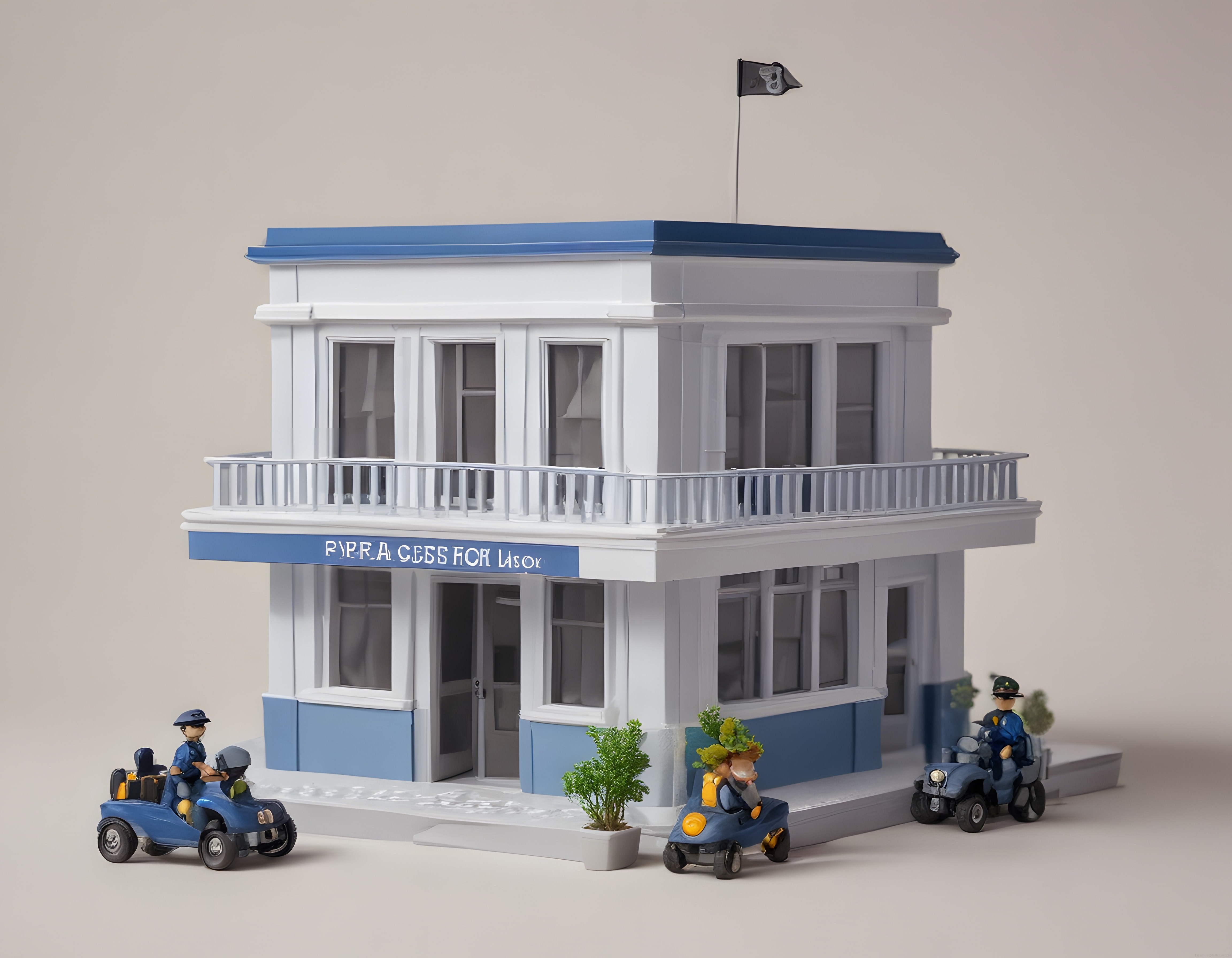
Görsel
Çekim Tablosu
Belirtme (-i)karakolu
Yönelme (-e)karakola
Bulunma (-de)karakolda
Çıkma (-den)karakoldan
Tamlayan (-in)karakolun
Çoğul (-ler)karakollar
Tanım
•isim: Güvenliği sağlamakla görevli kimselerin bulunduğu yapı
•tarih: kolluk (II)
Diğer Dillerde
Almancaanbringen, anprangern, auf postalischem Wege, Außenposten, Beitrag, Beitrog /ˈʔanˌbʁɪŋən/
to add · to fix, to affix, to attach · to bring (something unwelcome, idea)
çekim: geçmiş brachte an · ortaç angebracht · şimdiki bringt an · ulaç anbringend
eş: anschleppen, heranbringen, heranschleppen, vorbringen, anmerken, anfügen
köken: an- + bringen
aile: Anbringung
Ja, ist da die Polizei? — Polis karakolu mu?
FransızcaCommissariat (eril) /kɔ.mi.sa.ʁja/
commissionership · police station
çekim: çoğul commissariats
köken: From commissaire + -at. Compare Medieval Latin commissāriātus [1352].
Il's m'ont emmené au poste de police, dans la cave du poste de police. — Beni karakola götüdüler,
İspanyolcaavanzada, avanzadilla, colgar, colonia, comunidad, correo (dişil) /abanˈθada/
outpost · avanzada
çekim: çoğul avanzadas
aile: avanzadilla
Con la policía. — Polis karakolu mu?
İtalyancaavamposto, palo, pilastro, postare, pubblicare (eril) /a.vamˈpos.to/
outpost
çekim: çoğul avamposti
eş: fortificazione avanzata, posizione avanzata, posto avanzato, reparto avanzato, trincea avanzata
köken: Borrowed from French avant-poste.
Polizia? — Polis karakolu mu?
Не нуждаются в базе. — Karakola gerek yok.
Arapçaبريد, بَرِيد, بوسطة, عَارِضَة, عَارْضَة, عَمُود (eril) /ba.riːd/
post, mail, an institution to send messages, intelligence · messenger, courier, express, estafette, a person employed in the institution of mail or intelligence · the beast by which messages are sent by the mail institution, a post-horse, post-mule or post-camel
çekim: çoğul بُرُد · tamlayan بَرِيدٍ
köken: Already in the 6th century, from Byzantine Greek βέρηδος (bérēdos), βέρεδος (béredos, “post-horse”), from Latin verēdus.
aile: سَاعِي بَرِيدٍ, بَرِيدِيّ, أَبْرَدَ
موقع قسم الشرطة — Karakolun konumu
عَلى كلّ مَقصُوصِ الذُّنَابى مُعاوِدٍ بَرِيدِ السُّرَى باللّيلِ من خيلِ بَرْبرَا
فأمّا الْبَرِيد ففيه خلاف وذهب قوم إلى أنه بالبادية اثنا عشر ميلا وبالشام وخراسان ستة أميال
pillar, pile, post, beam · support, prop · goalpost, crossbar
çekim: çoğul dirəklər · tamlayan dirəyin
köken: From dirə + -k.
some time ago
çekim: çoğul бағаналар · tamlayan бағананың
köken: From Proto-Turkic *baya (“previously mentioned, recent, former”) + ғана (ğana). Related to баяғы (baäğy).
(dialectal)
mail, post (method of delivering mail)
çekim: çoğul pochtalar · tamlayan pochtaning
köken: Borrowed from Russian по́чта (póčta), from Polish poczta, from Italian posta, from Latin positus.
Felemenkçebuitenpost, doelpaal, op de post doen, paal, pool, post (nötr) /ˈbœy̯.tə(n)ˌpɔst/
a village and former municipality of Achtkarspelen, Friesland, Netherlands
köken: Potentially attested as post in 1388, attested with certainty as uetpost in 1418. Calque of West Frisian Bûtenpost, a compound of Old Frisian buta (“outer, seaward”) and post (“simple bridge, gangboard across a ditch”). The element buiten was added to distinguish the settlement from Lutkepost.
Het ligt aan het Laukkujärvi. — Şekerli karakoluna bağlıdır.
post, occupation, profession · office; responsibility
çekim: çoğul cargos
Levaram-me para a esquadra, para a cave da esquadra. — Beni karakola götüdüler,
hanging, suspending (of a picture, etc) · suspension (of machinery, motor vehicles, etc) · post (display message)
çekim: çoğul αναρτήσεις · tamlayan ανάρτησης
köken: From the Ancient Greek ἀνάρτησις (anártēsis).
Δώστε μου το 247. Αστυνομία, παρακαλώ; — Polis karakolu mu?
post (on a BBS, etc.)
çekim: geçmiş カキコした
köken: Shortening of 書き込み (kakikomi).
aile: クソカキコ
地下に連れて行かれ 独房に入れられました — Beni karakola götüdüler,
card; invitation · message; post
所有物件都要全部毁滅。 — 'Karakolların hepsi yıkılmalıdır.
pillar, column, post
köken: First attested in the Samgang haengsildo (三綱行實圖 / 삼강행실도), 1511. as Middle Korean 기도ᇰ (kitwong), from older suffixless form 긷 (kit) (First attested in the Hunminjeong'eum haerye (訓民正音解例 / 훈민정음해례), 1446.). Compare dialectal forms 기동 (gidong, Hamgyeong/Gangwon/Chungcheong/Jeolla), 지둥 (jidung, Chungnam), 지동 (jidong, Gyeongsang/Chungbuk/Jeju), 기듕 (gidyung, Hambuk), 지뒹 (jidwing, Hambuk), etc.
세부 포지션은 없다. — Karakola gerek yok.
헤라클레스의 기둥은 지중해 입구에 놓여진 것으로 추정된다.
to allocate (funds, to something) · to post (a notice, on a noticeboard or the like) · to strike (especially a key on an instrument)
çekim: geçmiş anslog · ortaç anslagen · ulaç anslående
köken: an + slå
Får jag 247. Hallå, ja? Är det länsman? — Polis karakolu mu?
Lehçeafiszować, czata, forpoczta, oddalona osiedla, opublikować, poczta /a.fiˈʂɔ.vat͡ɕ/
to flaunt (to ostentatiously show something) · to flaunt oneself (to ostentatiously show oneself) [with instrumental ‘what’]
çekim: geçmiş afiszowano · şimdiki afiszuje
köken: Etymology tree Proto-Indo-European *h₂éd Proto-Italic *ad Proto-Italic *ad- Latin ad- Old French a- Proto-Indo-European *dʰeygʷ-der. Proto-Italic *feigʷō Vulgar Latin fīvō Vulgar Latin fīgō Vulgar Latin -icō Vulgar Latin *fīgicāre Old French fichier Old French afichier Middle French French afficherbor. Proto-Indo-European *h₂euh₁-der.? Proto-Slavic *-ovati Old Polish -ować Polish -ować Polish…
Nie posiada posterunku policji . — Karakola gerek yok.
afiszować się z poglądami
ostentacyjnie afiszować się
zbytnio afiszować się
Військової кафедри немає. — Karakola gerek yok.
Hintçeखंभा, चौकी, डाक, नियुक्ति, स्तंभ (eril) /kʰəm.bʱɑː/
pole, post · a full bottle of liquor (750 ml)
çekim: çoğul खंभे
köken: Inherited from Sauraseni Prakrit 𑀔𑀁𑀪 (khaṃbha), from Sanskrit स्कम्भ (skambhá).
बिजली का खंभा तेज़ हवाओं के कारण घर पर गिर पड़ा।
advance guard, vanguard · outpost, vanguard
çekim: çoğul etuvartiot · tamlayan etuvartion
köken: etu- + vartio
aile: etuvartioasema, etuvartiokahakka, etuvartiopalvelus
He veivät minut poliisilaitokselle, poliisilaitoksen kellariin. — Beni karakola götüdüler,
post office · mail (parcels and letters)
çekim: çoğul pošty · tamlayan pošty
eş: spěšnovedství, spěšnovedství
aile: poštovní, poštovní úřad, pošťák
Vzali mě na policejní stanici, do jejího sklepení. — Beni karakola götüdüler,
outpost
çekim: çoğul avanposturi · tamlayan avanpostului
köken: Borrowed from French avant-poste.
M-au dus la un sediu al poliţiei, — Beni karakola götüdüler,
to send, to forward (to make something go somewhere) · to dismiss, to discharge
çekim: geçmiş elküldtek
köken: el- + küld
aile: elküldet, elküldés, elküldhető
Bevittek a rendőrségre, az alagsorba. — Beni karakola götüdüler,
Már elküldtem az üzenetet.
İbraniceדואר \ דֹּאַר, מאחז, מוצב חוץ
למרתף תחנת המשטרה — Karakolun bodrum katına.
stake, post · gravestone, tombstone · landmark, boundary marker
çekim: çoğul cippī · tamlayan cippī
köken: Seemingly from a Proto-Italic *keipos (where Latin cīpus would be the older form), likely related to scīpiō, of unclear further origin. De Vaan derives the word from Proto-Indo-European *(s)ḱéypos (“pole, stick”), connecting it to Sanskrit शेप (śepa, “penis, tail”). However, the irregular alternation between the form with short ĭ and geminate pp versus that with long ī with singular p is…
De tog mig til politistationen, politistationens kælder. — Beni karakola götüdüler,
Etimoloji
From Ottoman Turkish قراول (karavul), قرهغول (karağol), reinterpreted as the compound of kara (“black”) + kol (“arm”). Ultimately from Middle Mongol ᠬᠠᠷᠠᠭᠤᠯ (qaraɣul).
Eş & Zıt Anlamlılar
Örnek Cümleler
Bowie Karakolu
Fort Bowie
Sami karakoldaydı.
Sami was at the police station.
Tom karakola gitti.
Tom went to the police station.
Karakola gidiyorum.
I'm going to the police station.
Karakola gerek yok.
There is no police station.
Polis karakolundayım.
I'm at the police station.
Polis karakolu nerede?
Where is the police station?
En yakın karakol nerede?
Where is the nearest police station?
Karakol istasyona yakın.
The police station is close to the station.
Beni karakola götüdüler,
They took me to the basement of the police station.
Sami karakola getirildi.
Sami was brought into the police station.
Sami polis karakolundaydı.
Sami was at the police station.
İlgili Sorular
556 S Fulton Avenue, Mount Vernon, NY 10550 adresindeki polis karakolunun konumunu ve telefon numarasını öğrenebilir miyim?
556 S Fulton Avenue, Mt. Vernon, NY 10550 için polis karakolunun konum ve telefon bilgilerini paylaşır mısınız?
NY 10550, 556 S Fulton Avenue'daki polis karakolunun tam adresi ve iletişim numarası nedir?
Mount Vernon, NY 10550, 556 S Fulton Avenue adresindeki polis karakolunun adresi ve telefonunu nasıl bulabilirim?
Birleşik Kelimeler
karakol gemisikarakol hattıileri karakoljandarma karakolunizamiye karakolupolis karakolusınır karakolu