Sözlük
evde
noun
A1 seviye
TR → YUNANCA
"evde" kelimesinin İngilizcesi: άσυλο, γενέτειρα, εντός, ενώ, κατοικία. Anlamı, çevirisi, telaffuzu ve örnek cümleler aşağıdadır.
Çeviri
Genelάσυλοnötr
Genelγενέτειραnötr
Genelεντόςnötr
Genelενώnötr
Genelκατοικίαnötr
Genelπατρίδαnötr
Görsel

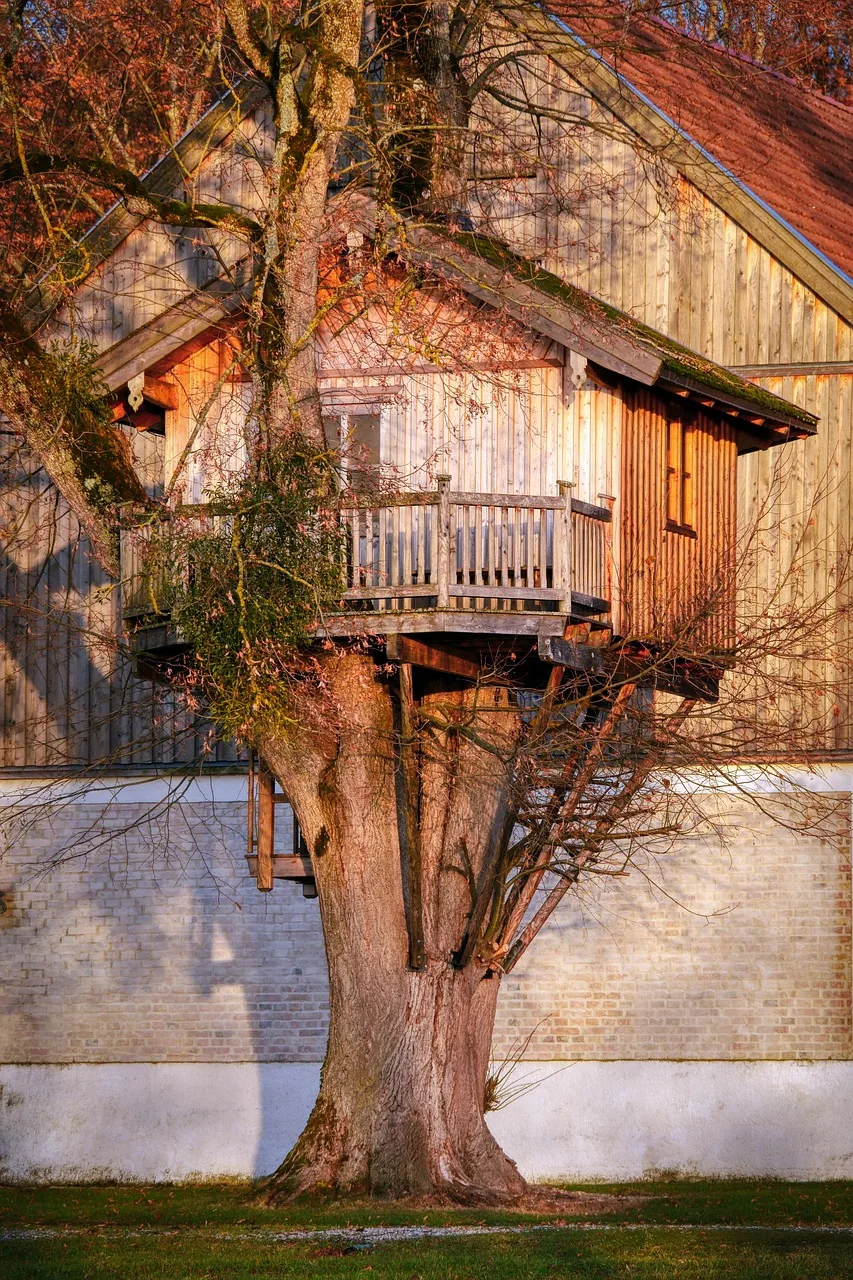


Tanım
•asylum, shelter, sanctuary, haven, refuge · asylum, hospice, home, hostel (for those in need, or in need of care or protection)
Atasözü & Deyim
“Sarımsak da acı ama evde lazım bir dişi”
“Babayla oğlanın pabucu bir olunca evde kavga eksik olmaz”
“Misafir on kısmetle gelir; birini yer, dokuzunu (evde) bırakır”
“Evdeki pazar (hesap) çarşıya uymaz”
Diğer Dillerde
mittels Funk, Kompass oder Ähnliches Lage und Entfernung von etwas ermitteln
eş: anstreben, anvisieren, ausrichten, erstreben, lokalisieren, orten
Der Hund ist im Haus. — Köpek evde.
Au lieu d’habitation d’une personne.
Soins à domicile — Evde Bakım
İspanyolcaa casa, adentro de, casero, de moda, dentro de, domiciliario /a ˈkasa/
home, homewards, back home, to home, to the house
Quédate en casa. — Evde kal.
İtalyancacasa, centrare, dentro, dimora, focolare, habitat (dişil) /ˈka.sa/
house · home · family, dynasty, descent, stock, lineage, birth, origin
çekim: çoğul case
eş: costruzione, stabile, edificio, (per es. palazzo d'abitazione, scuola, biblioteca
köken: From Latin casa (“house”).
aile: casa barca, Casa Bianca, casa colonica, casa costruttrice, casa d'appuntamenti, casa da gioco, casa dello studente, casa di bambole, casa di correzione, casa di cura
Ce ne sono molte a casa. — Evde çok var.
è di casa nobile
A casa mia queste cose non si fanno.
casa rifugio
during, within
Уход на дому — Evde Bakım
в тече́ние го́да
house, building · tent (dwelling) · room, apartment, flat
çekim: çoğul بُيُوت · tamlayan بَيْتٍ
köken: From Proto-Semitic *bayt-. Cognate with Amharic ቤት (bēt).
الرعاية المنزلية — Evde Bakım
of, from · since · than
köken: From Middle Persian 𐭬𐭭 (az), from Old Persian 𐏃𐎨𐎠 (hacā), from Proto-Iranian *háčā, from Proto-Indo-European *sekʷ- (“to follow”).
از او پرسیدم اگر میخواهد به ایران برود.
ازش پرسیدم اگه میخواد به ایران بره.
از کی تا حالا؟
house · home · royal house, royal dynasty
çekim: çoğul evlər · tamlayan evin
köken: From Proto-Turkic *eb (“dwelling place, house”). Cognate with Old Turkic 𐰋 (eb), Turkish ev.
aile: Ağ Ev, ev tapşırığı, evdəkilər, evlənmək, evli, evsiz, evsiz-eşiksiz
yaşayış evi
Evin yiyəsi kimdir?
Öz evində nə istəyir eləyir.
Form of -де (-de) in hard words and after voiced consonants. · Form of -ле (-le) in hard words and after voiced consonants.
home · house
çekim: çoğul uylar · tamlayan uyning
köken: Inherited from Chagatai اوى (öy), from Proto-Turkic *eb. Cognate with Kazakh үй (üi), Turkish ev.
Felemenkçebinnen, heem, huis, mikken, moederland, naar huis /ˈbɪ.nə(n)/
inside, indoors · (to) inside, into
köken: From Middle Dutch binnen, from Old Dutch *binnan, equivalent to be- + in + -en.
Ik ben thuis. — Ben evdeyim.
Als het regent kun je beter binnen blijven.
Het schip voer de haven binnen.
in; inside; within (contained by) · on; on top of (located just above the surface of) · in; at (located in a location)
eş: de
köken: From Old Galician-Portuguese en, from Latin in (“in”), from Proto-Italic *en, from Proto-Indo-European *h₁én (“in”). Doublet of in.
David está em casa. — David evde.
Estou em minha casa.
Encontraram umas moedas no baú.
O livro está na mesa.
Yunancaάσυλο, γενέτειρα, εντός, ενώ, κατοικία, πατρίδα (nötr)
asylum, shelter, sanctuary, haven, refuge · asylum, hospice, home, hostel (for those in need, or in need of care or protection)
çekim: çoğul άσυλα · tamlayan ασύλου
köken: Inherited from Ancient Greek ἄσυλον (ásulon).
Έχω πολλά από αυτά στο απίτι. — Evde çok var.
your home · geek
köken: Compound of 御 (o-, honorific prefix, kun'yomi) + 宅 (taku, “home”, on'yomi).
それとも在宅? — Evde misin?
to be at home · to be at one's workplace, not on a business trip · to lead a secular life
zıt: 出家
aile: 在家千日好,出門一時難 / 在家千日好,出门一时难, 在家工作, 在家靠父母,出外靠朋友
家庭护理 — Evde Bakım
你在家呀,難得啊。
你在家呀,难得啊。
他果然沒在家。
one's hometown or birthplace · the ancestral home of one's family
eş: 고리, 고산
köken: Sino-Korean word from 故鄕, from 故 (“old, of the past”) + 鄕 (“village, hometown”).
aile: 고향집
집에서 백업 — Evde destek
present participle of ankomma
Hemvård — Evde Bakım
Lehçedo domu, dom, dom rodzinny, macierz, na czasie, nadchodzący (eril) /ˈdɔm/
house (building for living) · home (place where one resides) · house, household; family (people within a home)
çekim: çoğul domy · tamlayan domu
eş: gw. (Śląsk Cieszyński) dóm, mieszkanie, dach nad głową, własny kąt, ognisko domowe, gniazdo rodzinne
köken: Etymology tree Proto-Indo-European *dem- Proto-Indo-European *-s Proto-Indo-European *dṓm Proto-Balto-Slavic *damús Proto-Slavic *dȍmъ Old Polish dom Polish dom Inherited from Old Polish dom.
aile: bezdomny, bogaty z domu, domorosły, domowy, z dobrego domu, z domu, bezdomna, bezdomność, Biały Dom, dom akademicki
Dużo mam tego w domu — Evde çok var.
dom aukcyjny
Idę do domu.
Ukraynacaбатьківщи́на, ба́тьківщина, вві, вдо́ма, ві, во /ʋʲːi/
alternative form of в (v)
Пес у хаті. — Köpek evde.
inside, within, in
zıt: बाहर
köken: Borrowed from Classical Persian اندر (andar), from Middle Persian 𐭡𐭩𐭭 (andar). Doublet of अंतर (antar).
aile: अंदर करना, के अंदर
इस अटैची को अंदर रखिए।
Forms the impersonal indicative present forms of verbs, appended to the first infinitive.
köken: From earlier -han, -hVn (now dialectal), from Proto-Finnic *-hën, *-sën (passive or reflexive suffix), the same as the third-person singular possessive suffix (see the possessive suffix entry on -Vn). Initial -ta- is from the passive marker *-tta-.
Kotihoito — Evde Bakım
laiva + -an → laivaan
into, in (to the inside of) · to, in (in the direction of, and arriving at; indicating destination) · until (up to the time of)
eş: c, ut
köken: Inherited from Old Czech do, from Proto-Slavic *do.
Nejsem doma. — Evde misin?
Vešel do místnosti.
Dostala se jí voda do bot.
Jdeme do obchodu.
at home (as a location) · to home (as a destination)
köken: Univerbation of a + casă. Alternatively, from Latin ad casam.
Este acasa? — Evde mi?
plecat de acasă
Vrei să vii cu mine sau vrei să stai acasă?
into · eye dialect spelling of -ban
Tom otthon van. — Tom evde.
ház (“house”) → a házba (“into the house”)
Home, homeward, to one's home.
köken: הַבַּיִת (habáyit, “the house, the home”) + ־ָה (-a, “to”)
מישהו בבית? — Evde misin?
אני בדרך הביתה.
באיזו שעה הגעת הביתה?
Latinceab, aedes, aedificium, domi, domicilium, domum /ˈab/
from, away from, out of · down from · (source of action or event) by, by means of
köken: Etymology tree Proto-Indo-European *h₂ep Proto-Indo-European *-o Proto-Indo-European *h₂epó Proto-Italic *ap Latin ab From Proto-Italic *ap, from Proto-Indo-European *h₂epó (“off, away”). The reconstruction of the Proto-Italic form is somewhat uncertain, as it's not clear when or how the final vowel of the PIE form was lost. The voicing of the final consonant to -b can be interpreted as an…
Gallos ab Aquitanis Garumna flumen, a Belgis Matrona et Sequana dividit.
Rex ab suis appellatur.
... Sī Deus ā nōbīs est, quis contrā nōs?
home
çekim: çoğul hjemmene · tamlayan hjems
köken: From Old Danish hēm, hiem, from Old Norse heimr, from Proto-Germanic *haimaz, cognate with Swedish hem, English home, German Heim, Ancient Greek κώμη (kṓmē).
aile: hjemkalde, arbejderhjem, barndomshjem, blindehjem, dukkehjem, ens andet hjem, fritidshjem, gå fra hus og hjem, hjemby, hjemegn
Jeg er hjemme. — Ben evdeyim.
Örnek Cümleler
O evde.
It's at home.
Evde mi?
Is he at home?
Kim evde?
Who is in the house?
Tom evde.
Tom's home.
Evde kal.
Stay in the house.
O evdeydi.
He was at home.
O evde mi?
Is he at home?
O evdedir.
She's at home.
Kedi evde.
The cat is in the house.
Evde misin?
Are you at home?
Evde kalın.
Stay at home.
David evde.
David is at home.