toplantı
/top.ɫanˈtɯ/
noun
B1 seviye
TR → EN
"toplantı" kelimesinin İngilizcesi: gathering, meeting, concourse, congregation, congress. Anlamı, çevirisi, telaffuzu ve örnek cümleler aşağıdadır.
Çeviri
Genelgatheringnoun
Genelmeetingnoun
Genelconcourse
Genelcongregation
Genelcongress
Genelconvention
Genelconvocation
Genelentertainment
Genelgathering
Genelhighlight
Genelmeeting
Genelparley
Genelparty
Genelseance
Genelsession
Genelassemblage
Genelassembly
Genelconvention
Genelconvention
Görsel

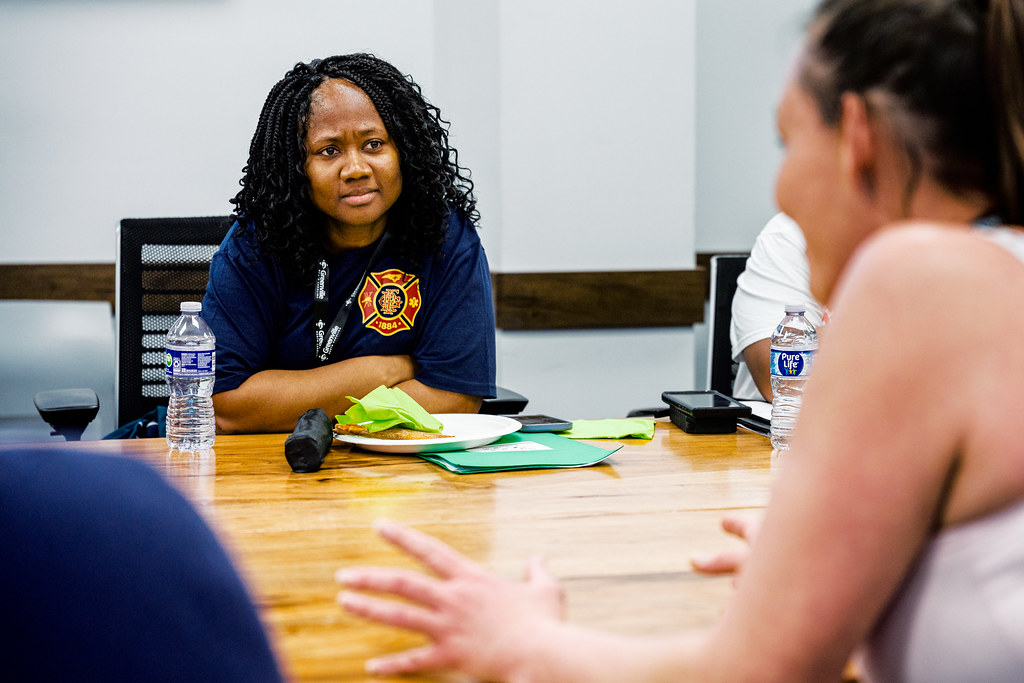
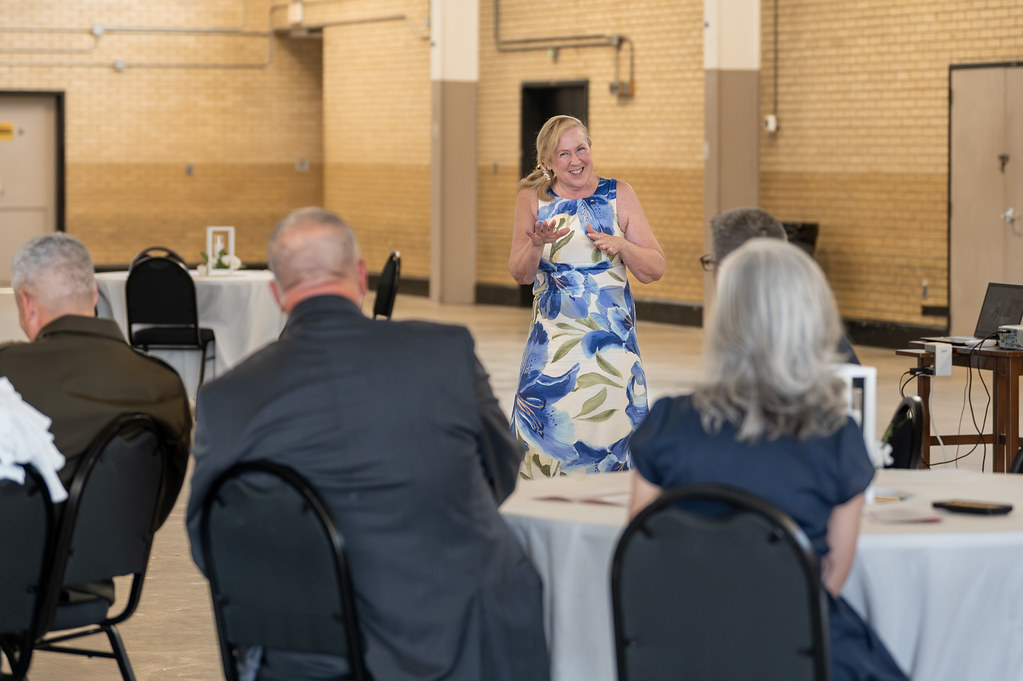
Çekim Tablosu
Belirtme (-i)toplantıyı
Yönelme (-e)toplantıya
Bulunma (-de)toplantıda
Çıkma (-den)toplantıdan
Tamlayan (-in)toplantının
Çoğul (-ler)toplantılar
Tanım
•isim: Birden çok kimsenin belirli amaçlarla bir araya gelmesi; derinti, içtima
•Bir meclisin bir yıl içindeki birleşimlerinin her biri
•Toplanma, bir araya gelme, kabarıklık oluşturma
Diğer Dillerde
AlmancaBegegnung, Beratung, Besprechung, Feier, Fest, Fete (dişil) /bəˈɡeːɡnʊŋ/
encounter, meeting · match
çekim: çoğul Begegnungen · tamlayan Begegnungen
eş: Treffen
köken: begegnen + -ung
aile: Begegnungsstätte
Treffen@item — Toplantı@ item
Fransızcaréunion (dişil) /ʁe.y.njɔ̃/
Île de l’océan Indien, à l’est de Madagascar et à l’ouest de Maurice.
çekim: çoğul réunions
eş: île Mascarègne, île Bourbon, La Réunion
aile: réunion Tupperware, réunionite, réunionnite, salle de réunion, viol en réunion
Il va y avoir une réunion. — Toplantı var.
İspanyolcaayuntamiento, carrete, chonguenga, conciliábulo, divertirse, encuentro (eril) /aʝuntaˈmjento/
city council, town council, council (a corporation or body of magistrates in cities and towns, corresponding to mayor and aldermen) · city hall, town hall · sexual intercourse
çekim: çoğul ayuntamientos
eş: alcaldía, cabildo, consistorio, municipalidad, casa consistorial, municipalidad
köken: From obsolete ayuntar ("join, gather") + -miento, ultimately from Latin adiūnctus, a contraction of ad- + iūnctus. Note how ayuntamiento preserves the Latin palatal – as does yunta ("yoke [of oxen], team [of horses]"), but not junto ("together"). Both terms equally derive from iūnctus, but only the latter underwent velarisation.
Hay reunión. — Toplantı var.
İtalyancafesta, festeggiare, incontro, incrocio, parte, partecipante (dişil) /ˈfɛs.ta/
feast · holiday (civil) · holidays (British), vacation (US)
çekim: çoğul feste
eş: celebrazione, compleanno, festeggiamento, onomastico, anniversario, ricorrenza
köken: From Late Latin fēsta, from the plural of Latin fēstus (“festive”).
Riunione — Toplantı@ item
Rusçaсобрание (заседание)
Надо посовещаться. — Toplantı var.
Arapçaاِجْتِمَاع, اِحْتِفَال, حِزْب, حَفْلَة, طَرَف, لِقَاء
إجتماع — Toplantı@ item
Farsçaپارْتی, جَشْن, مِهْمانی
gathering, meeting
çekim: çoğul cələsələr · tamlayan cələsənin
köken: From Arabic جَلْسَة (jalsa).
meeting · convocation · assembly
çekim: çoğul жиналыстар · tamlayan жиналыстың
eş: кеңес, мәжіліс, мәслихат, отырыс
köken: By surface analysis, жиналу (jinalu) + -ыс (-ys). Possibly a calque of Russian собрание (sobranije)
night · evening · yesterday
çekim: çoğul kechalar · tamlayan kechaning
köken: From Proto-Turkic *kēče (“night, evening”).
aile: kechalik
Felemenkçevergadering (dişil) /vərˈɣaː.də.rɪŋ/
meeting, gathering
çekim: çoğul vergaderingen
eş: meeting
köken: From vergaderen + -ing.
aile: landsvergadering, standenvergadering, werkvergadering
Vergadering@item — Toplantı@ item
Portekizcebalada, destacamento, encontro, festar, festejar, grupo (dişil) /baˈla.dɐ/
ballad (narrative poetry of legends and traditions, originating from the peoples of Northern Europe) · ballade (poem composed of three stanzas of 8 or 10 verses, which end with the same refrain and a dedication) · ballad (old song with simple structure and narrative content, in popular style)
çekim: çoğul baladas
köken: Borrowed from French ballade, from Old Occitan ballada, from Late Latin ballāre. Doublet of balata.
Reunião@ item — Toplantı@ item
Yunancaγιορτή, πάρτι, συνάντηση, συνεδρίαση, σύσκεψη (dişil) /ʝorˈti/
celebration · feast day, holy day · holiday
çekim: çoğul γιορτές · tamlayan γιορτής
köken: From Byzantine Greek, from Ancient Greek ἑορτή (heortḗ).
aile: γιορτάζω, γιορτινός, εθνική γιορτή, καλές γιορτές
Συνάντηση — Toplantı@ item
meeting
köken: From English meeting.
会議@item — Toplantı@ item
celebration
çekim: çoğul firanden · tamlayan firandes
aile: födelsedagsfirande, julfirande, midsommarfirande, målfirande, nyårsfirande, påskfirande, studentfirande
Sammanträde@ item — Toplantı@ item
Firande är när man firar nåt
Lehçebalangować, balet, balować, biba, impreza, imprezować /ba.laŋˈɡɔ.vat͡ɕ/
to party (to attend a party, particularly one with alcohol)
çekim: geçmiş balangowano · şimdiki balanguje
eş: imprezować, bawić się
köken: Etymology tree Polish balanga Proto-Indo-European *h₂euh₁-der.? Proto-Slavic *-ovati Old Polish -ować Polish -ować Polish balangować From balanga + -ować.
Spotkanie — Toplantı@ item
Ukraynacaвечі́рка, засі́дання, збо́ри, зу́стріч, прийо́м
Зустріч@ item — Toplantı@ item
session, meeting
çekim: çoğul अधिवेशनों
köken: Borrowed from Sanskrit अधिवेशन (adhiveśana).
Finceasianosainen, bailut, bileet, bilettää, joukko, juhla /ˈɑsiɑnˌosɑi̯nen/
A party (natural or legal person constituting a particular side in a legal action).
çekim: çoğul asianosaiset · tamlayan asianosaisen
köken: asian (genitive) + -osainen
Kokous — Toplantı@ item
carousal, drinking party
çekim: çoğul kalby · tamlayan kalby
eş: pařba, mejdan
köken: From kalit + -ba.
Schůzka@ item — Toplantı@ item
Rumencea petrece, participantă, petrecere, ședință (dişil)
female equivalent of participant
çekim: çoğul participante · tamlayan participante
întrevedere — Toplantı@ item
Macarcabrigád, buli, bulizik, csapat, csatlakozás, csoport /ˈbriɡaːd/
brigade (a smaller work team in a factory, organized for specific work tasks during the party-state years) · brigade (military unit composed of usually two regiments and including soldiers from the same arms of service)
çekim: çoğul brigádok
eş: dandár
köken: From German Brigade, from French brigade, from Italian brigata (“troop, brigade”), from brigare (“to fight”), from briga (“strife”), from Celtic - see Welsh bri (“power”), Old Irish bríg (“force, power, value”).
aile: brigádos, brigádértekezlet, brigádfelelős, brigádmozgalom, brigádmunka, brigádnapló, brigádrendszer, brigádváltás, brigádverseny
Találkozó — Toplantı@ item
İbraniceהִתְכַּנְּסוּת, יְשִׁיבָה, מסיבה \ מְסִבָּה, פְּגִישָׁה
פגישה — Toplantı@ item
Latincecōmīssātiō, concilium, congregātiō, contiō, convīvium, occursus /kɔŋˈkɪ.li.ũː/
a council · a meeting
çekim: çoğul concilia · tamlayan conciliī
köken: Etymology tree Proto-Indo-European *ḱe? Proto-Indo-European *ḱóm Proto-Italic *kom Proto-Italic *kom- Latin con- Proto-Indo-European *kelh₁- Proto-Italic *kelō Latin calō Proto-Indo-European *-yós Proto-Italic *-ios Old Latin -ios Latin -ius Latin -ium Latin concilium con- (“with”) + calō (“to call, announce solemnly, call out”) + -ium.
aile: conciliō
party · celebration · festival
çekim: çoğul fester · tamlayan fests
köken: Borrowed from German Fest, from Latin fēstum (“holiday, festival, banquet, feast”).
aile: branchefolksfest
Møde@ item — Toplantı@ item
Norveççefeire, feste, lag, møte
«Et bevæget møte i Natmissjonen. — "NATO'da Musul toplantısı".
Etimoloji
Coined from toplanmak during the language reform to replace the Arabic-derived içtima and tecemmu. Morphologically topla- + -n + -tı.
Eş & Zıt Anlamlılar
Örnek Cümlelertoplantı ile daha fazla örnek cümle →
Toplantı var.
There is a conference.
Toplantı@ item
Meeting
Toplantı uzadı.
The meeting dragged on.
Toplantı bitti.
The meeting is all over.
Toplantıya gel.
Come to the meeting.
Toplantı nerede?
Where's the meeting?
Küresel Toplantı
Global meeting
Toplantıya katıl.
Attend the meeting.
Toplantı nasıldı?
How was the meeting?
Toplantıya gelme!
Don't come to the meeting!
Toplantı bitmedi.
The meeting isn't over.
İş toplantısı mı?
A business meeting?
İlgili Sorular
İlgili / Bileşik Terimler
Genelfreedom of assembly