Sözlük
/leke
leke
"leke" kelimesinin İngilizcesi: spot, patch, soil, splash, splotch. Anlamı, çevirisi, telaffuzu ve örnek cümleler aşağıdadır.
Çeviri
Genelspotnoun
Genelpatch
Genelsoil
Genelsplash
Genelsplotch
Genelspot
Genelstain
Geneltaint
Geneltarnish
Genelvice
Genelblemish
Genelblot
Genelblur
Geneldirt
Genelfleck
Genelflick
Genelfreckle
Genelmackle
Genelmacula
Genelmacule
Genelmark
Genelreproach
Genelsmear
Genelsmirch
Geneldaub
Genelspot
Genelstain
Genelbirthmark
Genelbirthmark
Geneldaub
Genelspot
Genelstain
Görsel


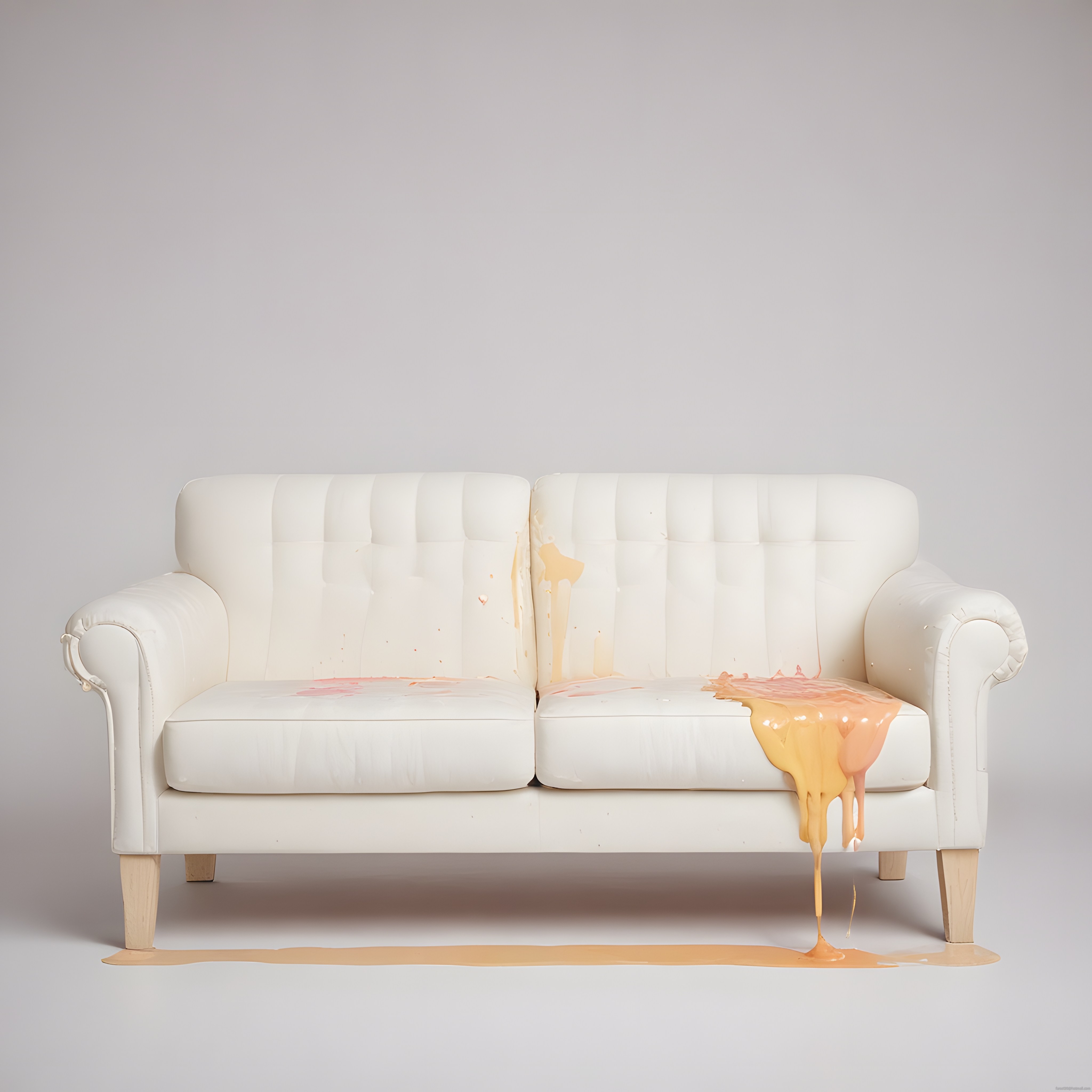

Çekim Tablosu
Belirtme (-i)lekeyi
Çoğul (-ler)lekeler
Tanım
•isim: Kirliliği gösteren iz
•Bir yüzeyde türlü sebepler dolayısıyla oluşan farklı renk; çil (II)
•biyoloji: Vücudun herhangi bir yerinde oluşan değişik renk
•mecaz: Yüz kızartacak durum; kara (II), şaibe
•gök bilimi: Güneş, ay, yıldız veya herhangi bir gezegenin parlak yüzeyinde görülen karanlık bölüm; karartı
Atasözü & Deyim
“Hekimsiz, hâkimsiz memlekette oturma”
“Körler memleketinde tek gözlü kraldır”
“Körler memleketinde şaşılar padişah olur”
Diğer Dillerde
Almancafleck (eril) /flɛk/
stain, spot, blot, fleck, smear · corner, spot (part or region) · shred, flap, flake, fleck
çekim: çoğul Flecke · tamlayan Flecks
eş: Flecken, Kutteln, Kuttelflecken, Kaldaunen, Löser, Pansen
köken: From Middle High German vlëc, from Old High German flec, flek, from Proto-West Germanic *flekkō, from Proto-Germanic *flekka- (“spot, mark”). Cognate with Dutch vlek, English fleck.
aile: beflecken, Befleckung, fleckend, fleckenfrei, fleckenlos, Fleckfieber, fleckig, gefleckt, Knutschfleck, unbefleckt
%1: Verschmieren — % 1: Leke
Fransızcatache de vin, Tache de vin, tache de naissance (dişil) /taʃ də vɛ̃/
birthmark, especially a strawberry mark
çekim: çoğul taches de vin
eş: angiome plan, tache de naissance
köken: Literally, “wine spot”
%1 & #160;: maculer — % 1: Leke
İspanyolcaactual, aguaitar, al contado, alufrar, anotar, apuntar /aɡˈtwal/
present, current · factual · actual, real
çekim: çoğul actuales
köken: Borrowed from Latin actuālis. Cognate with English actual although a false friend.
aile: actualizar, actualmente
%1: emborronar — % 1: Leke
San Pablo nació en Tarso de Cilicia en la actual Turquía.
İtalyancaarea, brufolo, contrassegnare, foruncolo, individuare, macchia (dişil) /ˈa.re.a/
area, surface · land, ground · field, sector
çekim: çoğul aree
eş: parte, località, regione, sezione, spazio, superficie
köken: Learned borrowing from Latin ārea. Doublet of aia (“threshing floor”).
%1: Spalma — % 1: Leke
Rusçaбесчестие, позор, пятно (nötr) /pʲɪtˈno/
spot, mark · blot, blemish, stain · blemish, stain (a defamatory fact)
çekim: çoğul пя́тна · tamlayan пятна́
köken: Inherited from Old East Slavic пятьно (pjatĭno, “brand, sign”), from Proto-Slavic *pętьno (“trace, sign”), from *pęta (“heel”). Compare typologically Proto-Slavic *stopa (“foot; footstep, footprint, trace”); Ancient Greek πτέρνη (ptérnē, “heel; hoof; heel of a shoe; footstep; …”); Latin vestīgium (“footprint, track; trace, vestige, mark, sign; sole of the foot; horseshoe; …”).
% 1: Пятно — % 1: Leke
Kazakçaбаға /bɑˈʁɑ/
price · mark, grade (at school) · assessment
çekim: çoğul бағалар · tamlayan бағаның
köken: From Classical Persian بَها (bahā).
aile: бағалау, бағалы, бағалылық, бағалық, бағасыз, бағасыздау, бағасыздық
Özbekçebaho
Felemenkçevlek, vlek, smet, vlek, smet, blaam (dişil) /vlɛk/
spot, stain, speck
çekim: çoğul vlekken
eş: pel, gehucht
köken: From Middle Dutch vleck, vlecke (also vlacke), from Old Dutch flec (attested as a byname) and *flekko, from Proto-West Germanic *flekkō, from Proto-Germanic *flekka- (“spot, mark, blemish”), of uncertain origin. Perhaps from Proto-Indo-European *pleh₂g-, *pleh₂k- (“to beat, strike”).
aile: bevlekken, archipelvlek, blinde vlek, moedervlek, olievlek, verfvlek, zonnevlek
%1: vlekken — % 1: Leke
Portekizcecorrigir, detetar, emprestar, identificar, indicar, lâmpada /ko.ʁiˈʒi(ʁ)/
to correct
çekim: geçmiş corrigi · ortaç corrigido · şimdiki corrige
köken: From Latin corrigēre.
% 1: Borrar — % 1: Leke
Yunancaβούλα, κατά Μάρκον, μάρκο, Μάρκος (dişil) /ˈvu.la/
a diminutive of the female given name Βασιλική (Vasilikí) · a diminutive of the female given name Παρασκευή (Paraskeví) · a diminutive of the female given name Σταυρούλα (Stavroúla)
çekim: çoğul βούλες · tamlayan βούλας
% 1: Επάλειψη — % 1: Leke
Αγόρασα ένα κόκκινο φόρεμα με μωβ βούλες.
slightly, a little, a bit, somewhat (of a span of time, or an amount or degree) · used to preface and soften a negative expression · an indirect expression of refusal: well, umm
köken: From ちっと (chitto), itself a geminated emphatic form of ちと (chito), originally composed of ち (chi, “small”, not used in isolation; cognate with the chi in 小さい chīsai) + と (to, adverbial particle). First attested in 1477.
aile: ちょいと, ちょい
%1: こすってにじませる — % 1: Leke
ちょっと待ってね。
ちょっといい?
ちょっと無理ですが……
Mark
köken: Borrowed from Italian Marco.
% 1: 흐리기 — % 1: Leke
İsveççebetyg, D-mark, fläck, fläcka ner, hitta, lägga märke till (nötr) /bɛˈtyːɡ/
a grade (a measurement of achievement in a school subject) · a diploma (a document showing school grades or other achievements)
çekim: çoğul betygs · tamlayan betygs
% 1: Utsmeta — % 1: Leke
spot, speckle, dot, mottle
çekim: çoğul cętki · tamlayan cętki
köken: Inherited from Proto-Slavic *cęta + -ka, from Gothic 𐌺𐌹𐌽𐍄𐌿𐍃 (kintus), from Latin centum.
aile: cętkować, pocętkować, cętkowany, cętkowaty, cętkowanie
% 1: Rozsmaruj — % 1: Leke
Ukraynacaбал, відмі́тка, Марко́, маркува́ти, місце, мі́тити /baɫ/
point (on a numerical grading system) · point · point (on an intensity scale, e.g. the Beaufort scale or Richter scale)
çekim: çoğul ба́ли · tamlayan ба́ла
köken: Borrowed from German Ball (“ball”) or French balle (“ball”).
aile: бал-маскара́д
% 1: розмастити — % 1: Leke
number, numeral; figure · mark, spot, line; stamp; brand · numerical position: place, or mark (as in a class)
çekim: çoğul अंकों
köken: Learned borrowing from Sanskrit अङ्क (aṅka).
aile: अंक देना, अंक भरना, अंक लगाना, अंक-पट्टी, अंक-पत्र, अंक-माल, अंककार, अंकगणित, अंकदार, अंकधारी
Fincearvosana, arvostella, huomata, jälki, kohdevalo, korjata /ˈɑrʋoˌsɑnɑ/
grade, score, rating, mark
çekim: çoğul arvosanat · tamlayan arvosanan
köken: Compound of arvo (“value”) + sana (“word”).
aile: approbatur-arvosana, arvosana-asteikko, cum laude -arvosana, kouluarvosana, laudatur-arvosana, yleisarvosana
% 1: Voidemainen — % 1: Leke
a male given name from Latin, equivalent to English Mark
eş: Maro, Marco, Mark, Mari, Mareček, Mára
% 1: Rozmáznout — % 1: Leke
bollard
çekim: çoğul borne · tamlayan borne
köken: Borrowed from French borne.
E țara în care m-am născut. — Burası benim memleketim.
Macarcabemocskol, bepiszkít, beszennyez, csepp, egy kis …, észrevesz /ˈt͡ʃɛpː/
tiny
çekim: karşılaştırma cseppebb · üstünlük legcseppebb
aile: cseppecske, cseppfolyós, esőcsepp, fülcsepp, harmatcsepp, könnycsepp, szemcsepp, vércsepp, vízcsepp, egy csepp a tengerben
% 1: elkenés — % 1: Leke
egy csepp a tengerben
egy cseppet sem
% 1: משטח — % 1: Leke
Latinceadsigno, conspicio, conspicor, locus, macula, specto /asˈsɪŋ.noː/
alternative form of assignō
çekim: ortaç adsignātus · şimdiki adsignat · ulaç adsignāns
Dancakarakter, Marcus, Markus, Markusevangeliet, plet /karakteːr/
character (distinguishing feature) · mark (a score for finding the correct answer, or other academic achievement) · grade (rating)
çekim: çoğul karakterer · tamlayan karakters
köken: From French caractère, from Latin character, from Ancient Greek χαρακτήρ (kharaktḗr).
% 1: Spred ud — % 1: Leke
Mitt land, mitt fødeland. — Burası benim memleketim.
Etimoloji
Farsça
Deyimler
Eş & Zıt Anlamlılar
Örnek Cümleler
Yer lekesiz.
The floor is spotless.
Bu leke çıkmaz.
This stain won't come out.
Gömleğin lekeli.
Your shirt is stained.
Bu mor leke nedir?
What's this purple stain?
Ee, memleket nere?
Where are you from anyway?
O ne tür bir leke?
What kind of stain is that?
Onun adı lekelendi.
His name is mud.
Doğum leken var mı?
Do you have a birthmark?
Bir yağ lekesi var.
There's a grease spot.
Yakanda bir leke var.
Your collar has a stain on it.
Bu leke kolay çıkmaz.
This stain won't come out easily.
Burası onun memleketi.
This is his hometown.
İlgili Sorular
Ontario, Toronto’da sigortasız olarak ucuz diş teli bulabileceğim yerler nereler ve küçük lekeleri silmek ne kadar tutar?
Göz altı bölgesinde morumsu lekeler var, şişlik yok; bu durum neyi gösterir?
Yağmur sonrası yola damlayan benzin lekelerinde görülen gökkuşağı renklerinin nedeni nedir?
Bir cerrah, omentumda yükselmemiş, belirgin kenarlı, blok ya da dairesel kahverengi lekeler buldu. Lekeler "örümcek ağı" gibi bir sınır göstermiyordu ve iki‑üç bölge içinde, her birinde dört‑yedi leke vardı. Cerrah bu durumun normal olmadığını söyledi fakat tanısını koyamadı ve örnekleri analiz için gönderdi. Bu tip lekelere ne denir?
Adet bitiminden sonra 5 gün boyunca hafif kahverengi lekelenme var, bu durum hakkında bilgi isteyen biri var mı?
Birleşik Kelimeler
Güneş lekelerigüneş lekesisandık lekesi