kimi
/ˈcimi/
adj
A2 seviye
TR → EN
"kimi" kelimesinin İngilizcesi: some. Anlamı, çevirisi, telaffuzu ve örnek cümleler aşağıdadır.
Çeviri
Genelsomeadj
Görsel
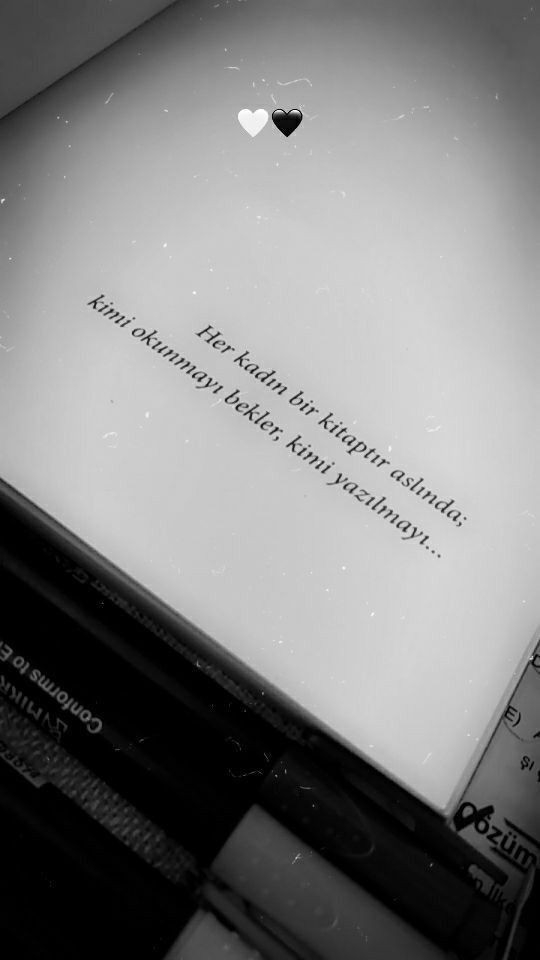
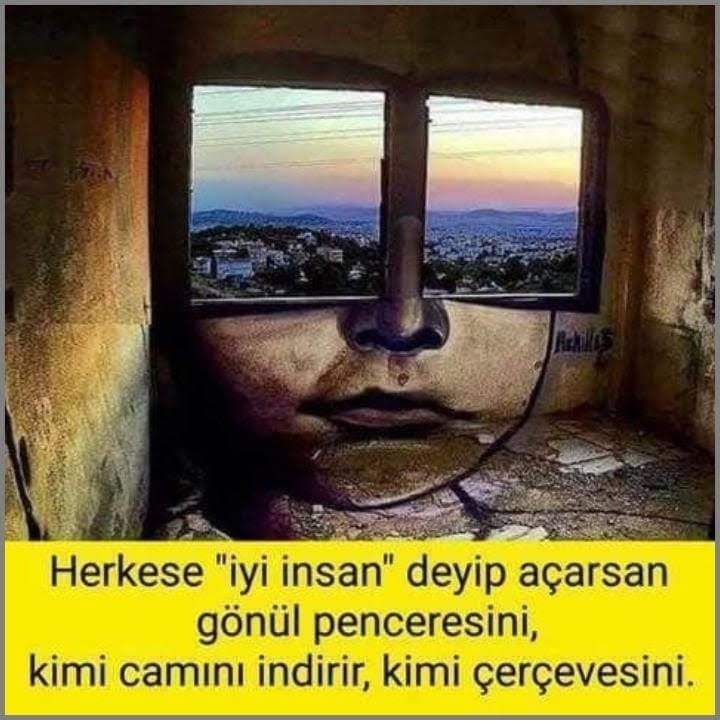
Tanım
•zamir: Bir kısım (insan)
Atasözü & Deyim
“Eşeğin kuyruğunu kalabalıkta kesme; kimi uzun der, kimi kısa”
“Gönül kimi severse güzel odur”
“Felek, kimine kavun yedirir kimine kelek”
“Her kimin bağı var, yüreğinde dağı var”
“Kimin arabasına binerse onun türküsünü çağırır”
Diğer Dillerde
some; a few; a couple of
eş: einige, wenige
zıt: viele, eine Unmenge
köken: From ein + paar. First attested in the 16th century.
aile: jemandem ein paar scheuern
- Wen? — - Kimi?
FransızcaQuelque (eril/dişil) /kɛlk/
some (singular)
köken: From quel + que.
aile: et quelque, quelque chose, quelque part, quelque peu, quelquefois, quelqu’un
Qui suis-je ? — Kimim ben?
something, anything
zıt: nada, todo
köken: Inherited from Old Spanish algo, from Latin aliquod.
aile: algo así, algo así como, algo es algo, algo por ahí, dar algo, por algo
¿Quién soy yo? — Ben kimim?
Algo imprevisto ocurrió.
Me parece algo de interés.
Eso es algo natural.
some, a few
eş: certo, nessuno, qualcheduno, qualcuno
köken: From Vulgar Latin *alicūnus, from Classical Latin aliquem (“someone, something”) + ūnum (“one”). Cognate with French aucun, Spanish alguno, Galician algún, Portuguese algum.
Di chi? — Kimi mi?
Rusçaкако́й-нибудь, како́й-то, небольшая часть, не́кий, не́который, немно́го
Кого? — - Kimi?
Arapçaبَعْض, بَعْضٌ
من نحن؟ — Biz Kimiz?
Farsçaکمی /ka.ˈmiː/
fewness · insufficiency · deficiency
köken: From Classical Persian کم (kam) + Classical Persian ی (-ī).
Azericebəzi, bəzilər, bir neçə, bir qədər, biraz, hansısa /ˈbæˈzi/
some, certain
köken: From Persian بعضی (ba'zi).
Bəzi insanlar tənqidə dözmür.
only one · only thing
- Wie ? — - Kimi?
Jij bent de enige die er bezwaar tegen heeft.
Het enige dat ik zie is bomen.
Portekizcealgum, alguns, mais ou menos, que, um pouco, um pouco de /awˈɡũ/
some, any
eş: determinado
köken: From Old Galician-Portuguese algũu, from Vulgar Latin *alicūnus, from Latin aliquis + ūnus. Compare Spanish alguno, French aucun, Italian alcuno.
- Quem? — - Kimi?
enough · quite
köken: From αρκετός (arketós) + -α (-a).
- Ποιον ; — - Kimi?
to exist, to be, to have · 在る: (inanimate) to be at a location; to be located · 有る: (animate) to exist, with the existence considered objective and abstract
çekim: geçmiş あった
köken: From Old Japanese, from Proto-Japonic *aru. Compare the classical form 有(あ)り (ari).
aile: 気がある
それが大きな質問です — Biz Kimiz?
日本には多くの神社がある。
テーブルの上に植木鉢があります。
汝に幸あれ。
Korece어떤 /ʌ̹t͈ʌ̹n/
what kind of · some, any · certain, of a certain kind
eş: 어떠한
köken: First attested in the Seokbo sangjeol (釋譜詳節 / 석보상절), 1447, as Middle Korean 엇던 (Yale: esten). From 어떻다 (eotteota, “to be how/what”).
누구랑? — Kimi mi?
어떤 것이든 투자에는 위험 요소가 수반된다.
누구도 어떤 말로 막지 못 해
어떤 사물이나 일의 실제 모습이나 상태.
circa, roughly, about, approximately
köken: From Latin circa.
Rör er! — Kımılda !
Lehçejakiś, kilka, niektóre, niektóry, niektórzy, trochę /ˈja.kiɕ/
some; unspecified member of the category described by the following word
eş: pewien, nieokreślony, reg. śl. kierysikej, reg. śl. kierysi, gw. (Śląsk Cieszyński) jakisikej
köken: Etymology tree Proto-Indo-European *ís Proto-Balto-Slavic *is Proto-Slavic *jь Proto-Indo-European *-kos Proto-Balto-Slavic *-kas Proto-Slavic *-kъ Proto-Slavic *jakъ Old Polish jaki Polish jaki Proto-Indo-European *ḱe Proto-Indo-European *ís Proto-Indo-European *ḱís Proto-Balto-Slavic *śís Proto-Slavic *sьder. Old Polish -ś Polish -ś Polish jakiś From jaki + -ś. First attested in 1534. Compare…
- Kogo? — - Kimi?
W ogrodzie widziałem jakieś zwierzę.
Jeśli będziesz w sklepie, to kup jakąś herbatę.
Ukraynacaде́який, кі́лька, котри́йсь, тро́хи, яки́й-небудь, яки́йсь
Чий? — Kimi mi?
something (inanimate singular) · a little, a bit · somethings, some people (animate/inanimate plural (some))
köken: From Old Hindi कछु (kachu) undergoing metathesis, from Sauraseni Prakrit 𑀓𑀺𑀁𑀘𑀺 (kiṃci); see there for more. Cognate with Bengali কিছু (kichu) and Punjabi ਕੁਝ (kujh). Originally the neuter nominative singular form of a paradigm whose masculine form became कोई (koī) and genitive form became किसी (kisī). See 𑀓𑁄𑀇 (koi) and 𑀓𑀲𑁆𑀲𑀇 (kassaï) for more.
aile: कुछ नहीं, सब कुछ, कुछ भी
वह कल रात उससे कुछ कह रही थी।
Finceaikamoinen, eräät, eräs, joitakin, jokin, joku /ˈɑi̯kɑˌmoi̯nen/
quite a, quite some
köken: aika + -moinen
Kenen mukaan? — Kimi mi?
some (unspecified or unknown)
eş: jakýsi, jistý, určitý
köken: From ně- + jaký.
Před kým? — Kimi mi?
Právě jsem potkal nějakého muže, jenž říkal, že tě zná.
some
köken: Inherited from Latin nesciō (“to don't know”) quid (“what”). Compare Aromanian nishti.
- Fără cine ? — - Kimi?
ei sunt niște bărbați
ai niște mere?
Macarcaám, aztán, bizonyos, egy bizonyos, egy kevés, egy kicsi /ˈaːm/
truly, so
aile: ámbátor
Ki-kicsoda? — Kimi mi?
İbraniceאֲחָדִים, כַּמָה, כַּמָּה, מְעַט, קְצָת
.גרייסי — - Kimi?
Latincealii, aliqui, nonnullus, quidam, quīdam /ˈa.li.iː/
inflection of alius: · genitive masculine/neuter singular · dative masculine/feminine/neuter singular
a, an
köken: From Old Norse einn, from Proto-Germanic *ainaz (“one, some”), from Proto-Indo-European *h₁óynos (“one”).
Til hvem? — Kimi mi?
Norveççelitt, noen, omtrent, som, visse
Personer fra den tiden — KİMİLERİ BİR İLERİ
Endonezcebeberapa /bəbəˈrapa/
any, some, several, certain, few, various, divers
köken: Inherited from Malay beberapa, from partial reduplication of berapa.
Jalan lagi! — Kımılda !
some, an indefinite quantity greater than one
köken: From Proto-Vietic *ɓǝlʔ.
Di chuyển đi! — Kımılda !
Mấy anh ơi, cứu tụi em !
Etimoloji
kim + -i
Kelime Ailesi
Eş & Zıt Anlamlılar
Örnek Cümleler
- Kimi?
- Who?
Kimi mi?
But whom?
Bu kimin?
Whose is this?
Kımılda !
Move it!
Ben kimim?
Who am I?
Biz kimiz?
Who are we?
Biz Kimiz?
Who are we?
Kimim ben?
Who am I?
Ben kimim?
Who am I?
Kimin suçu?
Who's to blame?
Kimi gördü?
Who did he see?
Kimi öptün?
Who did you kiss?
İlgili Sorular
Birleşik Kelimeler
kimi vakitkimi zaman