Sözlük
/gök
gök
/ˈɟøc/
adj
B2 seviye
TR → EN
"gök" kelimesinin İngilizcesi: blue, sky, zion, sphere, vault. Anlamı, çevirisi, telaffuzu ve örnek cümleler aşağıdadır.
Çeviri
Genelblueadj
Genelskynoun
Genelzion
Genelsphere
Genelvault
Genelsky
Genelheaven
Genelblue
Genelheaven
Genelsky
Genelblue
Genelsky
Genelheaven
Genelblue
Genelheaven
Genelsky
Genelblue
Genelheaven
Genelsky
Görsel
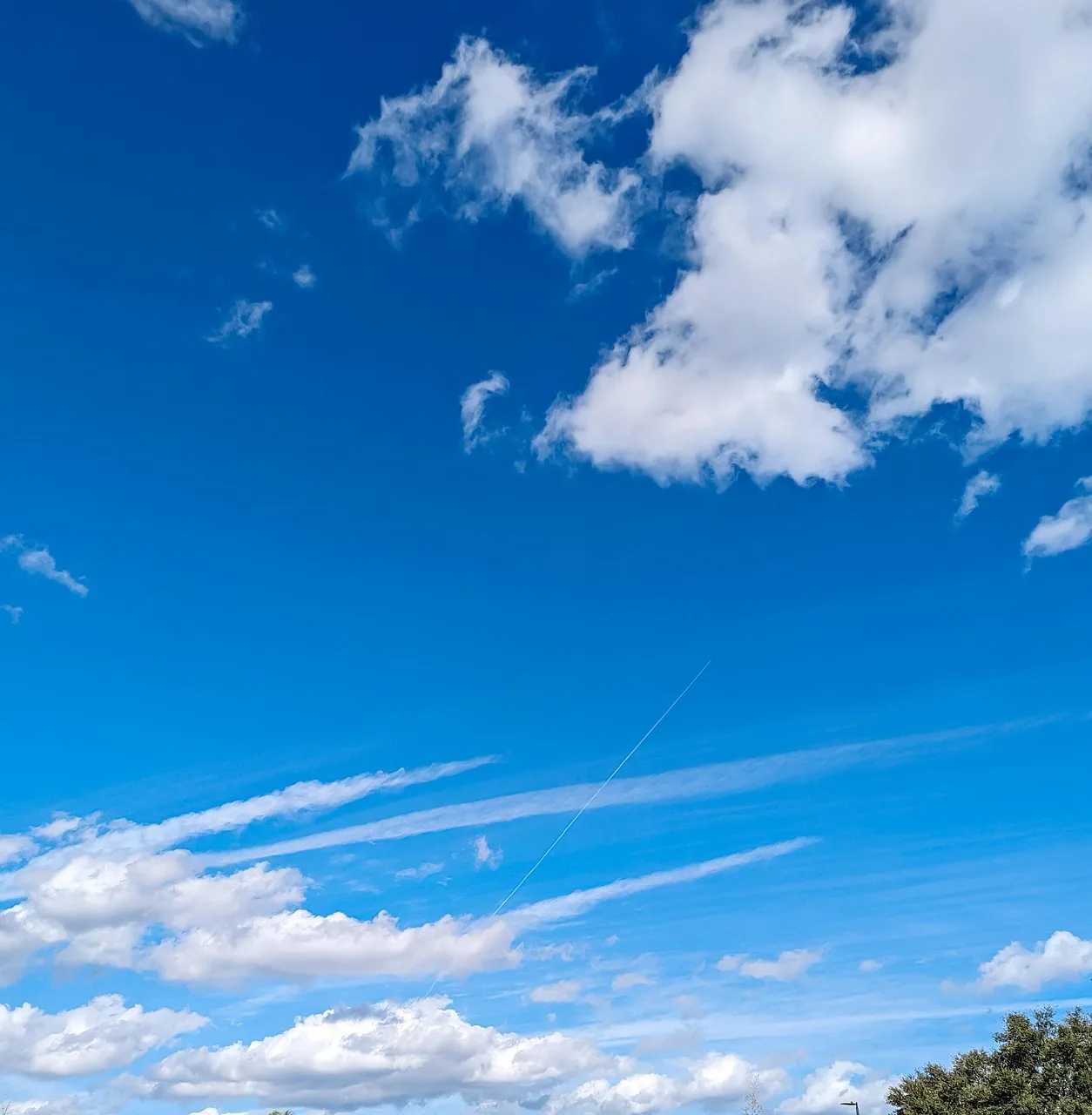
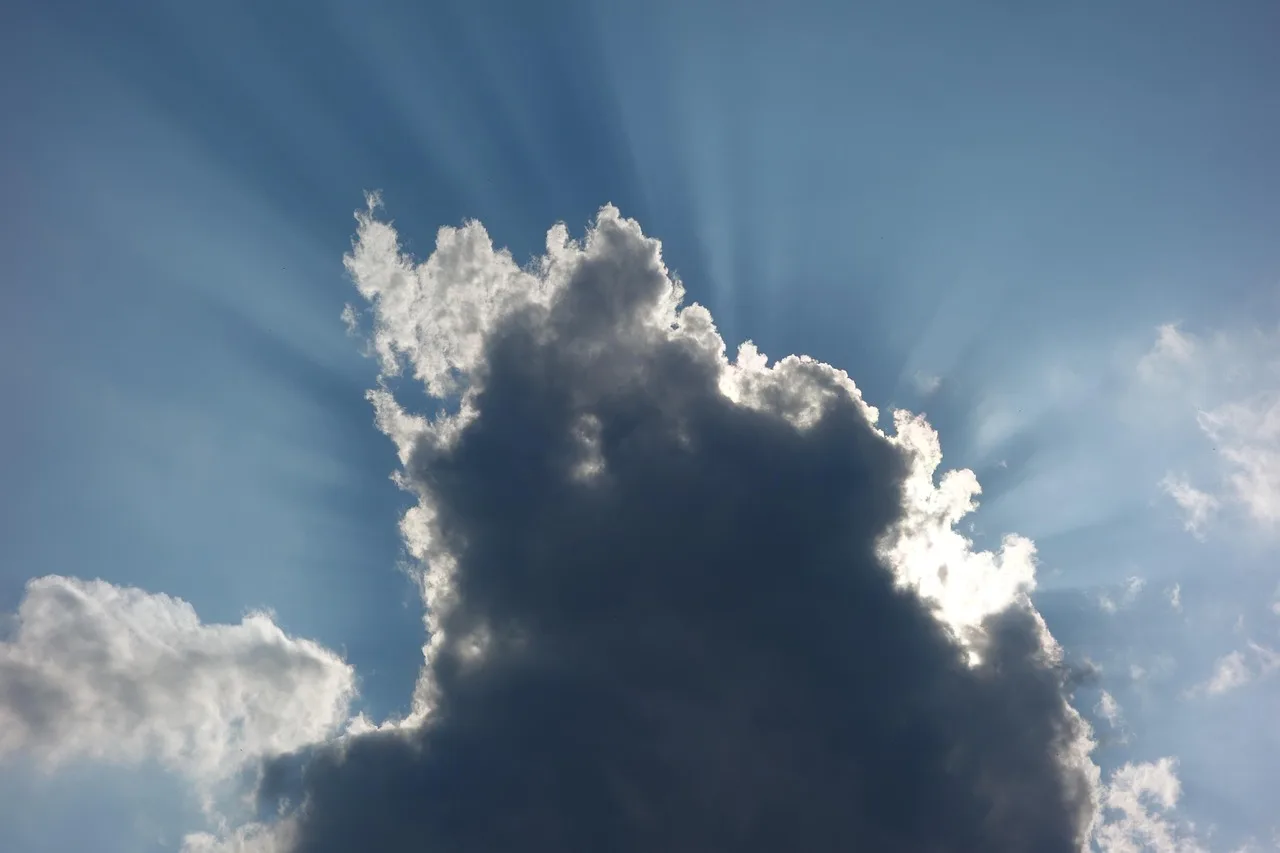


Çekim Tablosu
Belirtme (-i)göğü
Yönelme (-e)göğe
Bulunma (-de)gökte
Çıkma (-den)gökten
Tamlayan (-in)göğün
Çoğul (-ler)gökler
Tanım
•Bir erkek ismi.
•Gök renginde olan.
•Mavi ile açık yeşil arası olan renk.
•olgunlaşmamış
•uzay.
•Yeryüzü üzerine mavi bir kubbe gibi kapanan boşluk; gök kubbe, asuman, felek, sema.
•Yeryüzü üzerine mavi bir kubbe gibi kapanan boşluk
•Gökyüzünün, denizin rengi, mavi veya yeşile çalan mavi
Atasözü & Deyim
“şimşek çakmadan gök gürlemez: 1”
“Gökten ne yağdı da yer kabul etmedi”
“Gökyüzünde düğün var deseler kadınlar merdiven kurmaya kalkar”
“Kısmet gökten zembille inmez”
“İtin (köpeğin) duası kabul (makbul) olsa(-ydı) gökten kemik yağar(-dı)”
Diğer Dillerde
inflection of himmeln: · singular imperative
çekim: çoğul Himmeln · tamlayan Himmels
eş: Troposphäre, Atmosphäre, Himmelsmeer, Abrahams Schoß, bessere Welt, das ewige Leben
köken: From Middle High German himel, from Old High German himil, from Proto-West Germanic *himil.
aile: Erdenhimmel, Gotteshimmel, Himmelbett, Himmelfahrt, himmelhoch, himmelisch, Himmelisch, himmeln, Himmelsachse, Himmelsäquator
des ganzen Himmels — tüm gökyüzü
Auf der breiten Waldstraße, im kühlen Herbstschatten der Tannen, durch die ein mattblauer Himmel schimmerte, begegneten sich die Freunde.
heaven
çekim: çoğul cieux
eş: atmosphère, azur, cosmos, firmament, voûte, zénith
köken: Inherited from Middle French ciel, from Old French ciel, from Latin caelum, from Proto-Italic *kailom, from Proto-Indo-European *keh₂i-lom (“whole”), from *keh₂i-.
aile: à ciel ouvert, aide-toi, le ciel t'aidera, aiguilleur du ciel, au nom du ciel, bleu ciel, dieux du ciel, don du ciel, Fils du Ciel, goûter le ciel, juste ciel
partout dans le ciel — tüm gökyüzü
On croyait au ciel.
plural of altura
por todo el cielo — tüm gökyüzü
İtalyancaa luci rosse, azzurro, blu, depresso, malinconico, paradiso /adˈd͡zur.ro/
light blue, azure, sky blue (especially the light blue colour/color of the sky) · in or of an Italian national team (athlete, player, etc.)
çekim: çoğul azzurri
eş: blu, celeste, glauco, turchese, turchino, pervinca
köken: From Medieval Latin lazulum (through a variant lazurum and with rebracketing of the initial l- as the article l'), from Arabic لَازَوَرْد (lāzaward, “lapis lazuli”), from Persian لاجورد (lâjvard, “lapis lazuli”). Cognate with English azure, French azur, and Portuguese and Spanish azul.
in tutto il cielo — tüm gökyüzü
light blue, sky blue, azure (contrasts with си́ний (sínij, “dark blue, indigo”)) · ideal · gay, homosexual (mostly related to male homosexuals, i.e. not lesbian)
çekim: karşılaştırma (по)голубе́е · üstünlük (наи)голубе́йший
eş: небесный, небесно-голубой, небесноголубой, светло-синий, светлосиний, бледно-синий
köken: Inherited from Old East Slavic голѫбъ (golǫbŭ), from Proto-Slavic *golǫbъ. By surface analysis, го́лубь (gólubʹ, “pigeon, dove”) + -о́й (-ój); the sense refers to the bluish tint of the bird's neck plumage. The usage for "homosexual" was derived from a slang word used by gay men during the 1960's, referring to the pigeons in Sverdlov Square in Moscow where gay men used to meet secretly. The usage…
aile: голубогла́зый, сѐро-голубо́й, на голубо́м глазу́, лук голубо́й
[звук грома] — [gök gürler]
голубо́й экра́н
голубо́й у́голь
голубо́й песе́ц
flickering, glinting · blue, blue-coloured
köken: Color or defect adjective from the root ز ر ق (z r q). Compare Ancient Greek γλαυκός (glaukós) for the semantic development.
ازرق سماوي — Gök mavisi.
وَنَحْشُرُ الْمُجْرِمِينَ يَوْمَئِذٍ زُرْقًا
blue · aquatic · aqueous
köken: From آب (“water”) + ـی (-i, suffix forming adjectives).
heaven, paradise
çekim: çoğul cənnətlər · tamlayan cənnətin
köken: Etymology tree Arabic جَنَّة (janna)bor. Classical Persian جَنَّت (jannat)bor. Old Anatolian Turkish جنت Azerbaijani cənnət Inherited from Old Anatolian Turkish جنت, borrowed from Classical Persian جَنَّت (jannat), borrowed from Arabic جَنَّة (janna).
sky, heaven, firmament
çekim: çoğul аспандар · tamlayan аспанның
köken: Derived from Classical Persian آسْمَان (āsmān).
aile: аспандау, аспандық, аспанкез
Özbekçefirdavs, gʻamgin, koʻk, moviy /kok/
greens
çekim: çoğul koʻklar · tamlayan koʻkning
köken: Inherited from Chagatai کوک (kök), from Proto-Turkic *kȫk (“blue, sky”).
Tatarcaжәннәт, зәңгәр
blue (colour)
köken: From Persian زنگار (zangâr).
Зәңгәр күлмәгеңне киясең дә, / Зәңгәр күлгә көн дә киләсең.
Felemenkçelucht, hemel
Over de gehele hemel — tüm gökyüzü
blue
çekim: çoğul azuis
köken: Inherited from Old Galician-Portuguese azul /azur (“blue”), from Medieval Latin lazulum, from Arabic لَازُوَرْد (lāzuward, “lapis lazuli”), from Persian لاجورد (lâjvard, “lapis lazuli”). Doublet of azur, from French. Compare with Galician azul (“blue”), Spanish azul (“blue”), French azur (“azure”), Italian azzurro (“blue”) and English azure.
aile: antiazul, azul e branco, azul prussiano, azul-bebê, azul-celeste, azul-cobalto, azul-marinho, azul-petróleo, azul-real, azulão
em todo o céu — tüm gökyüzü
Yunancaμπλε, ουράνια, ουρανός, παράδεισος /ble/
blue
köken: Borrowed from French bleu.
όλου του ουρανού — tüm gökyüzü
pink, the colour · pink, the flower · eroticism, something erotic
eş: 桃色, 桜色, 石竹色
köken: Borrowed from English pink.
天空の全領域で — tüm gökyüzü
Çince下流的, 藍 /蓝, 藍色 /蓝色
難若登天。 — Göksu Sefası.
Korece하늘 /ha̠nɯɭ/
heaven · heavenly god · palate
eş: 창공
köken: From Middle Korean 하ᄂᆞᆶ〮 (hànólh), probably from Old Korean 天乙 (*HANOr). Perhaps related to Middle Korean 하다〮 (Yale: hà-tá, “to be large; to be great”). The Middle Korean /-h/ may be the remnant of an ancient place-related suffix; see Appendix:Middle Korean h-final nouns. In the hangul script, first attested in the Yongbi eocheon'ga (龍飛御天歌 / 용비어천가), 1447, as Middle Korean 하ᄂᆞᆶ〮 (Yale: hànólh).
aile: 밤하늘, 별하늘, 하나님, 하느님, 하늘길, 하늘나라, 하늘빛, 하늘색, 하늘소
천구 전체 — tüm gökyüzü
하늘과 땅 차이
하늘이 무섭지 않은가?
İsveççeblå, blåvinge, deprimerad, himmel, himmelrike, sky /bloː/
blue · of or pertaining to conservatives or liberals in European politics
çekim: karşılaştırma blåare · üstünlük blåast
köken: From Old Norse blár (“blue”), from Proto-Germanic *blēwaz (“blue”).
aile: azurblå, babyblå, berlinerblå, blixtblå, blyblå, blåblodig, blåbär, blågrå, blågrön, blågul
över hela himlen — tüm gökyüzü
blå(a) blåbär [see the declension table]
Lehçebłękit, błękitnieć, błękitny, modraszek, niebieścić, niebieski (eril) /ˈbwɛŋ.kit/
sky blue (color, pigment, or clothes) · blue sky, clear sky
çekim: çoğul błękity · tamlayan błękitu
eş: lazur, niebo
köken: Back-formation from błękitny. First attested in 1778.
aile: błękitnawy, błękitniutki, błękitny, błękitnawo, błękitnie, błękitno, błękit królewski, błękit pruski, błękitek, błękitność
na całym niebie — tüm gökyüzü
Ukraynacaблаки́тний, голуби́й, лазу́рний, порнографі́чний, си́ній, сумни́й
по всьому небу — tüm gökyüzü
alternative spelling of अंबर (ambar)
çekim: çoğul अम्बरों
Fincealakuloinen, alavireinen, avomeri, demokraattinen, melankolinen, paratiisi /ˈɑlɑˌkuloi̯nen/
blue, melancholic · in low spirits, dejected, down, downcast
çekim: karşılaştırma alakuloisempi · üstünlük alakuloisin
köken: ala- + kulo + -inen. The middle component is of unknown origin. It is possibly from kulo (“dry, dead grass”) in reference to such grass being flattened down, thus "beat down".
aile: alakulo, alakuloisesti, alakuloisuus
Selkeä taivas — Açık gökyüzü
blue
çekim: çoğul modři · tamlayan modři
[dunění hromu] — [gök gürler]
blue · blue, sad
köken: From a Vulgar Latin root *albaster, albastrum, derived from Latin albus (“white”). Probably originally referred to the whiteness in a lightly clouded sky. See also the formations in Italian biancastro (“whitish”), nerastro (“blackish”), French blanchâtre (“whitish”), noirâtre (“blackish”) (with the suffixes -astro and -âtre deriving from Latin -astrum, accusative singular of -aster). Compare also…
aile: albăstri, albăstrime, albăstrui
de pe tot cerul — tüm gökyüzü
Macarcadisznó, ég, égbolt, erotikus, kék, kékít /ˈdisnoː/
swine, pig (mammal) · wild boar · inkblot (a blot of ink)
çekim: çoğul disznók
köken: Borrowing from an Oghur language before the times of the Hungarian conquest of the Carpathian Basin (at the turn of the 9th and 10th centuries). Compare Chuvash сысна (sysna, “pig”), Eastern Mari сӧсна (sösna, “pig”). Dialectal gyisznó retains an older form of the word.
aile: disznólkodik, disznóság, disznódelfin, disznóhal, disznóhús, disznóól, disznópásztor, disznózsír, sündisznó, vaddisznó
Az égkék. — Gök mavisi.
İbraniceגַּן עֵדֶן, כָּחוֹל, כְּחוּלָה, כַּחְלִיל, פרדיסא, שָׁמַיִם
שמיים בהירים — Açık gökyüzü
Latinceazurinus (lapis, ML.), blavus (la-lat), caelum, caeruleus, caerulus, caesius /ˈkae̯.ɫũː/
heaven (where the stars and the Milky Way is) · climate, weather · the summit of prosperity, happiness, honor
çekim: çoğul caelī · tamlayan caelī
köken: Uncertain; possibly from Proto-Italic *kailom (with a gender change to masculine), from Proto-Indo-European *kéh₂i-lom (“whole”), originating in the augural sphere and indicating "the whole" as opposed to templum (“the part”) and cognate with Latin caelebs (and perhaps sincērus and caerimōnia), Russian це́лый (célyj, “whole, intact”), Proto-Germanic *hailaz. May be cognate of Oscan 𐌊𐌀𐌝𐌋𐌀 (kaíla,…
aile: caeles, caelestīnus, caelestis, caelicola, caelicus, caelifer, caelifluus, caeligenus, caeliger, caeliloquus
illa ego sum, cui tū solitus prōmittere caelum. ei mihi, prō caelō quālia dōna ferō!
viditque in somnis scalam stantem super terram et cacumen illius tangens caelum
Horace, Epistles I.xi.27 http://www.thelatinlibrary.com/horace/epist1.shtml (translation Eugene Ehrlich, Say It in Latin, →ISBN
Dancablåfugl
blue (butterfly in family Lycaenidae)
çekim: çoğul blåfugle · tamlayan blåfugls
köken: From blå + fugl.
over hele himlen — tüm gökyüzü
Etimoloji
Osmanlı Türkçesi گوك (“mavi, yeşil; sema”), Eski Anadolu Türkçesi mavi, yeşil, Ana Türkçe *kȫk (“mavi, yeşil”). Eski Türkçe 𐰚𐰇𐰚 (kük) ile soydaştır
Deyimler
Kelime Ailesi
Eş & Zıt Anlamlılar
Örnek Cümleler
Ve gök.
And the heaven!
Kuş gökte
The bird is in the sky.
Gök mavisi.
Sky blue.
tüm gökyüzü
all over the sky
Gök mavidir.
The sky is blue.
[gök gürler]
[thunder rumbling] [dog growling]
Gök ekvatoru
Celestial equator
Açık gökyüzü
Clear skies
Gökyüzü açık.
The sky is clear.
Kuş göktedir.
The bird is in the sky.
Bile gökyüzü.
Even the skies.
Gök gürültüsü
[Thunder]
İlgili Sorular
İlgili / Bileşik Terimler
Bilimgalaxy
Genelthunder
Genelmeteorite
Genelairglow
Genelastronomer
Genelastronomy
Genelthunder
Genelcerulean
Bilimcelestial body
Genelsky blue
Genelblue rock thrush
Genelblue whale
Genelheavenly body
Genelcelestial body
Genelcelestial mechanics