Sözlük
/üst
üst
"üst" kelimesinin İngilizcesi: face, superior, top, upper, top. Anlamı, çevirisi, telaffuzu ve örnek cümleler aşağıdadır.
Çeviri
Genelface
Genelsuperior
Geneltop
Genelupper
Geneltop
Geneltop
Geneltop
Görsel

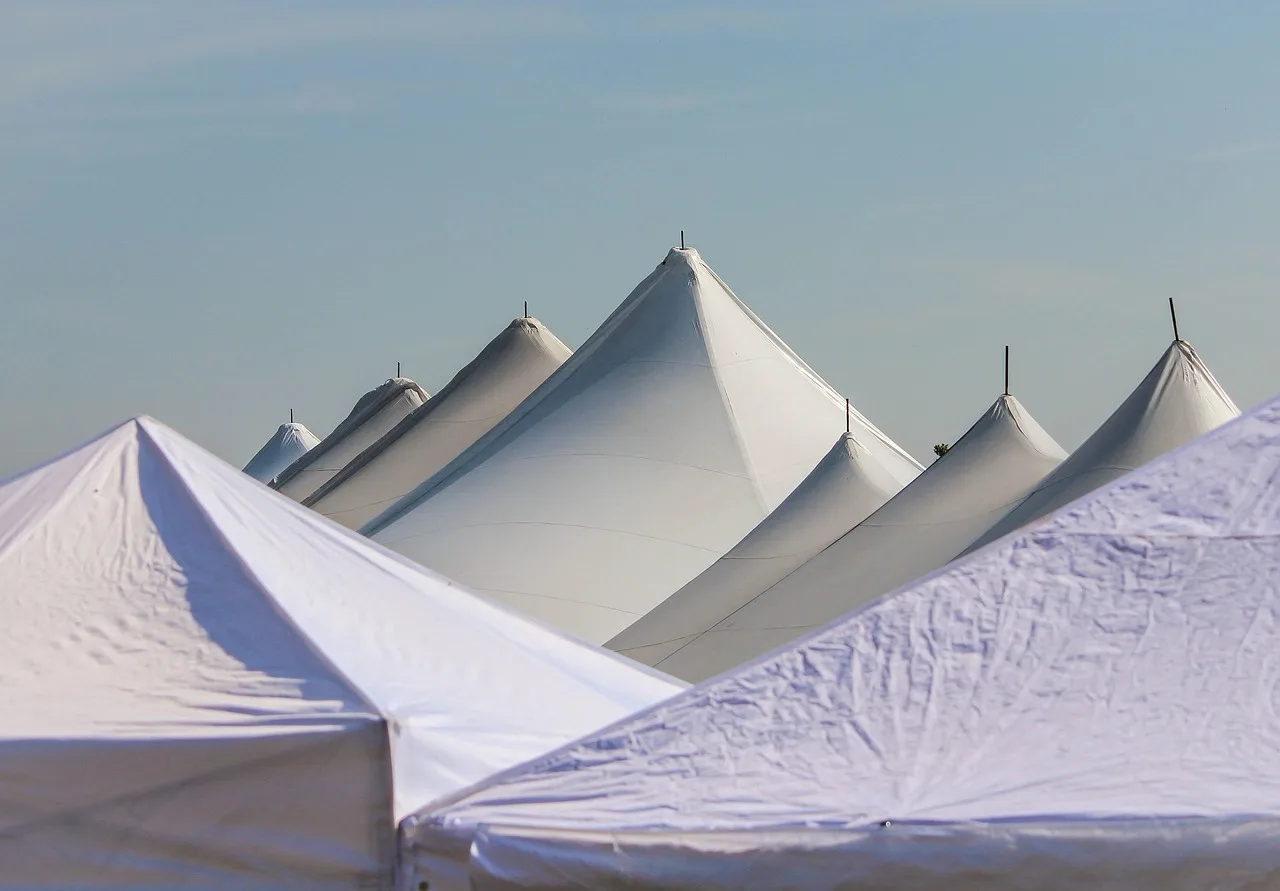
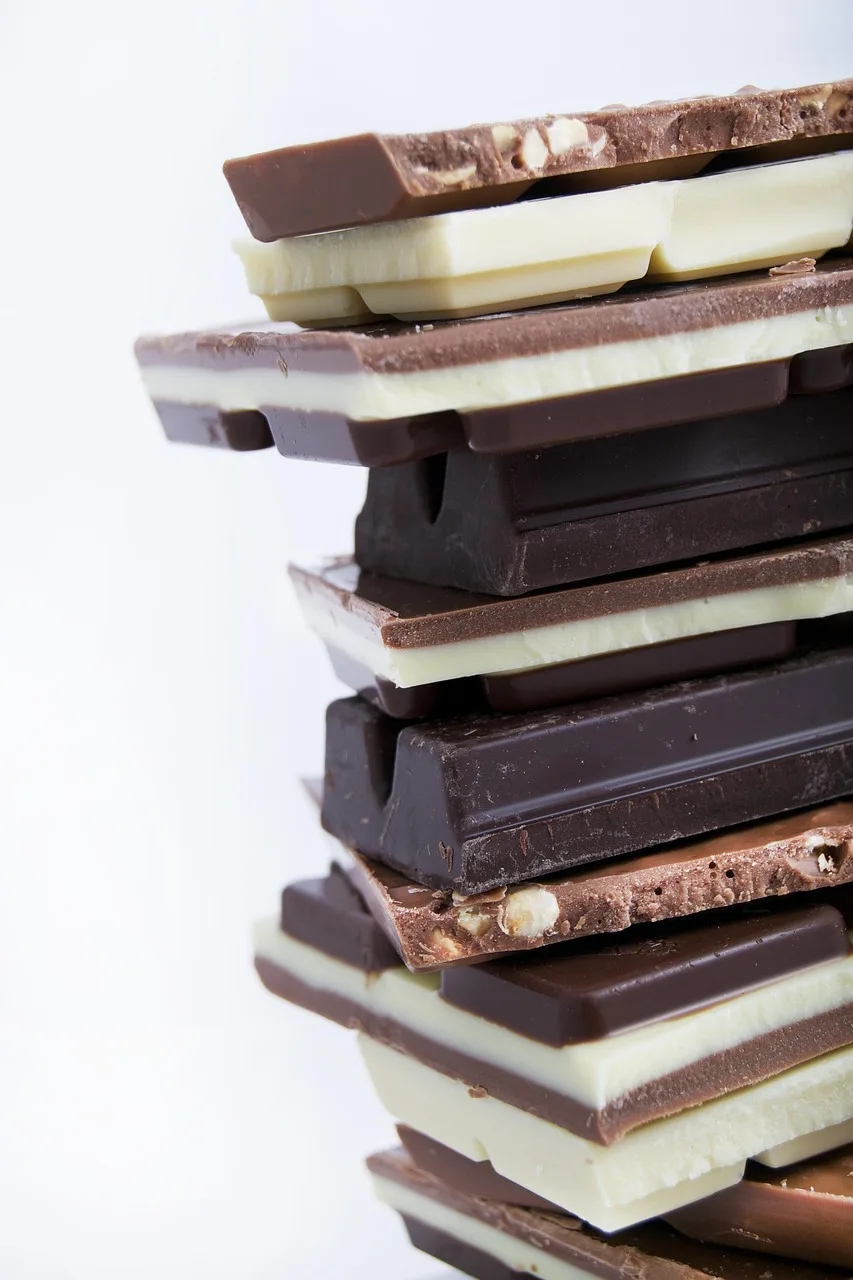
Çekim Tablosu
Belirtme (-i)üstü
Yönelme (-e)üste
Bulunma (-de)üstte
Çıkma (-den)üstten
Tamlayan (-in)üstün
Çoğul (-ler)üstler
Tanım
•isim: Bir şeyin yukarı, göğe doğru olan yanı; üzeri, fevk, alt karşıtı
•Bir şeyin görülen yanı, yüzü
•Bir şeyin dış yüzü; üzeri
•giysi
•Birine göre yüksek aşamada olan kimse; mafevk
•Vücudun beden bölümü
Atasözü & Deyim
“Akıl akıldan üstündür”
“Bakmakla usta olunsa (öğrense), köpekler (kediler) kasap olurdu (kasaplığı öğrenirdi)”
“Dam üstünde saksağan, vur beline kazmayı”
“Dağ dağ üstüne olur, ev ev üstüne olmaz”
“Dağ ne kadar yüce olsa yol üstünden aşar”
Diğer Dillerde
Almanca(sich etwas) stellen, Ansehen, Deckel, einer Tatsache ins Auge sehen, Facette, Fläche /ˈʔanˌzeːən/
to look at, to have a look at (taking in information in doing so) · to look at (especially a person; implying eye contact or direction of gaze without analyzing) · to regard, to consider, to look on (something in a certain way or having a certain quality)
çekim: geçmiş sah an · ortaç angesehen · şimdiki sieht an · ulaç ansehend
köken: an- + sehen
aile: angesehen, ansehend, Anseher, Ansehung, Ansicht, die Radieschen von unten ansehen
& Oben — & Üst
Sieh dir diese riesige Tomate an.
Sie sah ihn erstaunt an.
Sarah ist wunderschön anzusehen.
Fransızcaouste /ust/
shoo, begone, hop it!
eş: de l’air, du balai, du vent
köken: Onomatopoeic.
& Haut — & Üst
Allez, ouste ! Fuis en étant effrayé pendant que je cours derrière toi avec un air enjoué et gourmand !
Poner a dos o más personas cara a cara para aclarar hechos o dichos.
eş: carear, acarar, carear, arrostrar, acarar
& Arriba — & Üst
İtalyancaaffrontare, attivo, cappuccio, coffa, confrontarsi, coperchio /af.fronˈta.re/
to face or confront · to cope with · to deal with, broach or handle
çekim: geçmiş affrontàto · ortaç affrontàto · şimdiki affrónta · ulaç affrontànte
eş: abbordare, far fronte, farsi incontro, fronteggiare, sostenere, aggredire
köken: From Vulgar Latin *affrontāre, from Latin ad + frons + -āre.
aile: affrontabile, affrontamento, affrontarsi, affrontato, affrontatore, affrontatura, affronto
& Alto — & Üst
Rusçaверх /vʲerx/
top, upper part, roof, dome, height · summit, apex · the highest degree of something
çekim: çoğul верхи́ · tamlayan ве́рха
zıt: низ
köken: Inherited from Proto-Slavic *vьrxъ (whence also Old Church Slavonic врьхъ (vrĭxŭ)), from Proto-Indo-European *wers-. Balto-Slavic cognates include Lithuanian viršus and Latvian virsus. Other Indo-European cognates include Latin verruca (“a steep place, height”), Ancient Greek ἕρμα (hérma, “reef, rock, hill”).
& Вверху — & Üst
совеща́ние в верха́х
Э́то верх глу́пости!
sweet flag, Acorus calamus
çekim: tamlayan وَجٍّ
köken: Borrowed from Persian وج (vaj).
أعلى — & Üst
up, upwards
çekim: karşılaştırma بالاتَر · üstünlük بالاتَرین
zıt: پایین
köken: From Middle Persian [Term?] (/bālā/), from Proto-Iranian *bārźаh- (via a series of sound changes *rź > *rd > l) + a suffix *-ā of unknown origin. The first component is derived from Proto-Iranian *barź- (“to elevate, increase (height)”), from Proto-Indo-European *bʰerǵʰ- (“to rise up”).
aile: بالا آمدن, بالا آوردن, بالا بردن, بالا جستن, بالا رفتن, بالا زدن, بالا کردن, بالا کشیدن, بالا گرفتن
با چنان چشمی که بالا میشتافت نور چشمش آسمان را میشکافت
face · complexion (face colour)
çekim: çoğul bənizlər · tamlayan bənizin
köken: From Proto-Turkic *beŋiŕ (“face”).
Kazakçaбет, жүз, көз алдына келу, шырай /bet/
face, cheek · surface
çekim: çoğul беттер · tamlayan беттің
köken: From Proto-Turkic *bēt (“face; page”). Cognate with Bashkir бит (bit, “face; page”), Uyghur بەت (bet, “face; page”), etc.
aile: беттеу, беттеуші, беттік
Özbekçeyuz
face · cheek · surface, face
çekim: çoğul yuzlar · tamlayan yuzning
köken: Inherited from Chagatai یوز (yüz), from Proto-Turkic *yǖŕ (“face”).
aile: yer yuzi, yuz bermoq, yuz koʻrsatmoq, yuz ochmoq, yuz pershona, yuz tutmoq, yuz oʻgirmoq, yuz-koʻz, yuz-qoʻl, yuz-xotir
Felemenkçeboven /ˈboː.və(n)/
above · upstairs
zıt: beneden, onder
köken: Inherited from Middle Dutch bōven, from Old Dutch *biovan, from Proto-West Germanic *biobanā, from *bi- + *obanā.
& Boven — & Üst
Het vogelnestje zat hoog boven in de boom.
De kinderen speelden boven in hun slaapkamer.
De vergaderzaal bevindt zich boven, op de tweede verdieping.
feminine singular of alto
çekim: çoğul altas
& Topo — & Üst
O protesto de Hermione foi abafado por uma risadinha alta.
Yunancaάκρο, αντιμετωπίζω, εικόνα, έκφραση, καπάκι, κολοφώνας (nötr)
end, edge, extremity · rim, border · limb (arm or leg)
çekim: çoğul άκρα · tamlayan άκρου
eş: άκρη, άκρια, άκρος, αιχμή, μύτη, μυτερό
köken: From Ancient Greek ἄκρον (ákron).
& Πάνω — & Üst
το άκρο της πόλης
köken: Unknown. Perhaps from 太刀(たち) (tachi, “longsword”), or perhaps from 立(た)ち役(やく) (tachiyaku, “standing role”).
上(T) — & Üst
surface; face; external appearance · the superficial aspect; the surface (of a problem)
aile: 表面上, 表面光, 表面化, 表面張力, 表面张力, 表面性, 表面文章, 表面活性劑, 表面活性剂, 表面積
表面微生物
top, summit · highest place; boss, chief
eş: 정상
köken: Of native Korean origin. From Middle Korean 곡ᄃᆡ (Yale: kwoktoy)
위 Y( Y) — Üst & Y
face; countenance
çekim: çoğul anleten · tamlayan anletes
köken: From Old Swedish anlæt, anleth, anlit, ænlite, ænlæte, anlitte, andlite, anlite, from Old Norse andlit, Proto-Germanic *andawlitją. Cognate with Old English andwlite, German Antlitz.
aile: i sitt anletes svett, rödlätt
Överst — & Üst
i sitt anletes svett
group of most active members of an organization
çekim: çoğul aktywy · tamlayan aktywu
köken: Etymology tree Russian акти́в (aktív)bor. Polish aktyw Borrowed from Russian акти́в (aktív). First attested in 1929.
U & góry — & Üst
A w stosunkach homo - jesteś aktyw czy pasyw?
& Верх — & Üst
Hintçeचेहरा, मुख, मुखड़ा, लोहा लेना, सामना (eril) /t͡ʃeːɦ.ɾɑː/
face, countenance
çekim: çoğul चेहरे
köken: Borrowed from Classical Persian چِهْرَه (čihra), from Middle Persian 𐭰𐭧𐭫𐭪𐭩 (čihrag). Doublet of चित्र (citra) and चीता (cītā). Compare Assamese চেহেৰা (sehera), Bengali চেহারা (cehara), Gujarati ચહેરો (cahero), Marathi चेहरा (cehrā), Punjabi ਚਿਹਰਾ (cihrā).
उसका चेहरा चुक़न्दर की तरह लाल था।
धूप में उसका चेहरा तमतमाया।
Finceantava osapuoli, etupuoli, eturinne, etuseinä, huippu, huippuhela /ˈetuˌpuo̯li/
front, face, frontside, facade (most visible side of anything)
çekim: çoğul etupuolet · tamlayan etupuolen
zıt: takapuoli
köken: etu- (“front-”) + puoli (“side”)
aile: etupuolella, etupuolelle, etupuolelta, etupuolinen, etupuolitse
& Ylhäällä — & Üst
to brave, confront, face something
çekim: geçmiş čelila · ortaç čelila · şimdiki čelí
eş: být konfrontován, odolávat
köken: From čelo + -it.
Nahoře — & Üst
Rumencecapac, confrunta, culme, față, înfrunta, vârf (nötr) /kaˈpak/
a slap
çekim: çoğul capace · tamlayan capacului
köken: Borrowed from Ottoman Turkish قپاق (kapak, “lid; cover; shutter”), from Proto-Turkic *kapgak (“cover”).
& Început — & Üst
face · cheek · sight, view, aspect, appearance
çekim: çoğul arcok
köken: An archaic compound word of orr (“nose”) and száj (“mouth”), via Proto-Finno-Ugric elements. The original form of these two words was or and szá, the compound word orszá. Over time, the final vowel became short (orsza), the sz changed to c (orca), today a poetic or archaic version. The next change was the initial o to a (arca) which felt as a possessive form and later shortened to the current…
aile: arcátlan, arcocska, arctalan, arculat, arcú, arcápolás, arcbőr, arccsont, arcél, arcfesték
& Felül — & Üst
chutzpah; audacity; shameless confidence
köken: From Aramaic חוצפא (ḥuṣpāʾ, “audacity”).
& מעל — & Üst
אביתר בנאי, אב הרחמן ולעשות שלום ביני לבין עצמי צריך הרבה חוצפה
The extreme end of a thing; the point, summit, top. · The small rod (generally of olive wood) at the top of the flamen's cap, wound around with a woolen cord or "thread". · The conical leathern cap of an ancient Roman priest (the Flamen), ornamented with this rod.
çekim: çoğul apicēs · tamlayan apicis
zıt: fundus
köken: From Proto-Italic *apeks, from Proto-Indo-European *h₂ep- (“to join, fit”). De Vaan approches this connection with caution since a link with apiō is through some meanings feasible in addition to the observation that most ex, -icis are technical terms without Indo-European origin.
active · active (being in the active voice) · top (of a male with preference for penetrating in same-sex intercourse)
çekim: karşılaştırma aktivere · üstünlük aktivest
zıt: inaktiv, passiv
köken: From Latin āctīvus, derived from the verb agō (“to act”).
aile: erhvervsaktiv
& Top — & Üst
Etimoloji
Osmanlı Türkçesi اوست sözcüğünden devralındı
Deyimler
Eş & Zıt Anlamlılar
Örnek Cümleler
& Üst
& Top
Üst Sol
Top Left
Üst Sağ
Top Right
Üst & X
Top & X
Üst & Y
Top & Y
En Üste
To Top
Üste Git
Go Up
Üst Orta
Top Center
Üst sol:
Top left:
Üst sağ:
Top right:
Üst- Sağ
Top-Right
Üst- Sol
Top-Left
İlgili Sorular
İlgili / Bileşik Terimler
Dil bilgisihypernym
Genelhyperlink
Genelmaxilla
Genelsupercategory
Genelupside
Tıpupper arm
Genelexcessively crowded
Genelupper arm
Geneltop quark