Sözlük
/yüz
yüz
/jyz/
noun
A1 seviye
TR → EN
"yüz" kelimesinin İngilizcesi: hundred, face, frostbite, aspect, countenance. Anlamı, çevirisi, telaffuzu ve örnek cümleler aşağıdadır.
Çeviri
Genelhundrednum
Tıpfacenoun
Genelfrostbite
Genelaspect
Genelcountenance
Genelface
Genelfavor
Genelfigure
Genelobverse
Genelsnoot
Genelsurface
Genelvisage
Genelcountenance
Genelhundred
Genelface
Genelhundred
Genelhundred
Genelface
Genelcountenance
Genelface
Genelhundred
Genelcountenance
Genelface
Genelhundred
Genelface
Genelcountenance
Genelcountenance
Görsel
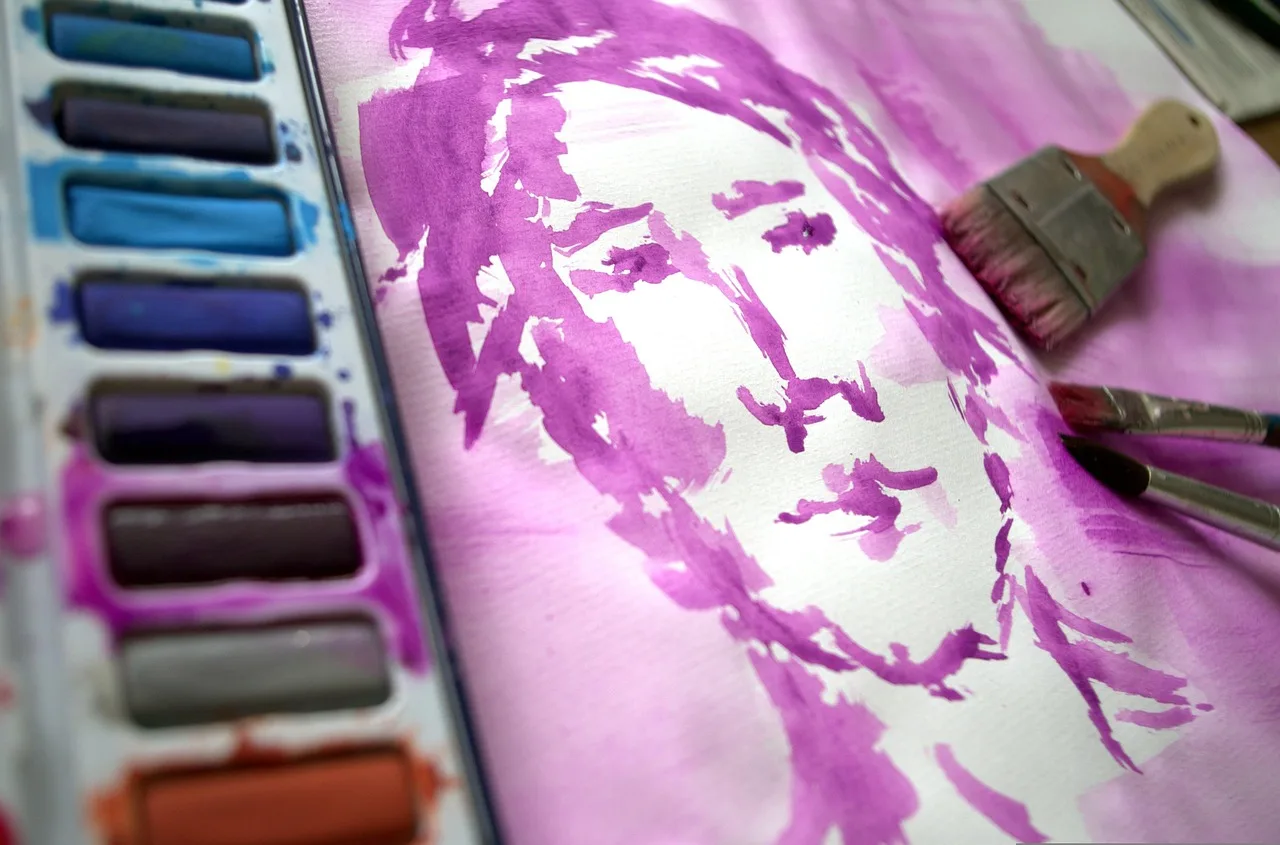



Çekim Tablosu
Belirtme (-i)yüzü
Yönelme (-e)yüze
Bulunma (-de)yüzde
Çıkma (-den)yüzden
Tamlayan (-in)yüzün
Çoğul (-ler)yüzler
Tanım
•isim: Doksan dokuzdan sonra gelen sayının adı
•Bu sayıyı gösteren 100 ve C rakamlarının adı
•sıfat: On kere on, doksan dokuzdan bir artık
•Kere, kat vb. kelimeler ile birlikte kullanılarak yapılan işin çokluğunu abartılı bir biçimde anlatan söz
Atasözü & Deyim
“Ağız yer, yüz utanır”
“Nereye gitsen okka dört yüz dirhem”
“Ardında yüz köpek havlamayan kurt, kurt sayılmaz”
“Arsızın yüzüne tükürmüşler ‘yağmur yağıyor’ demiş”
“Astar bol olmayınca yüze gelmez”
Diğer Dillerde
Almancahundert /ˈhʊndɐt/
one hundred
çekim: çoğul Hunderte · tamlayan Hunderts
eş: einhundert
köken: From Middle High German hundert, ultimately from Proto-Germanic *hundaradą, from *hundą (< Proto-Indo-European *ḱm̥tóm) + *radą (“count”). The Duden derives Middle High German hundert from Old Saxon hunderod.
aile: aberhundert, achthundert, dreihundert, fünfhundert, hunderte, Hunderter, hundertfach, hundertste, Hundertstel, Jahrhundert
Titelseite — Ön Yüz
acne
çekim: çoğul acnés
aile: acnéique
Page de garde — Ön Yüz
Poner a dos o más personas cara a cara para aclarar hechos o dichos.
eş: carear, acarar, carear, arrostrar, acarar
Cubierta frontal — Ön Yüz
İtalyancacento /ˈt͡ʃɛn.to/
hundred, one hundred
eş: centinaio, infinità, innumerevoli, mille, ., molti
köken: From Latin centum, from Proto-Italic *kəntom, from Proto-Indo-European *ḱm̥tóm.
aile: duecento, trecento, quattrocento, cinquecento, seicento, settecento, ottocento, novecento
Copertina — Ön Yüz
Rusçaлицо, поверхность, сто, стыд, стеснение; совестливость (nötr) /lʲɪˈt͡so/
face · countenance · front
çekim: çoğul ли́ца · tamlayan лица́
eş: субъект права
köken: Inherited from Proto-Slavic *lice.
Титульный лист — Ön Yüz
в лицо́
в по́те лица́
от лица́
sweet flag, Acorus calamus
çekim: tamlayan وَجٍّ
köken: Borrowed from Persian وج (vaj).
الغطاء الأمامي — Ön Yüz
image, depiction, portrayal (representation of reality) · photograph, picture · painting, portrait
çekim: çoğul تصاویر
köken: Borrowed from Arabic تَصْوِير (taṣwīr), from صَوَّرَ (ṣawwara).
aile: تصویر کردن, تصویرگر
تصویری از حقیقت
face · complexion (face colour)
çekim: çoğul bənizlər · tamlayan bənizin
köken: From Proto-Turkic *beŋiŕ (“face”).
face, cheek · surface
çekim: çoğul беттер · tamlayan беттің
köken: From Proto-Turkic *bēt (“face; page”). Cognate with Bashkir бит (bit, “face; page”), Uyghur بەت (bet, “face; page”), etc.
aile: беттеу, беттеуші, беттік
Özbekçeyuz
face · cheek · surface, face
çekim: çoğul yuzlar · tamlayan yuzning
köken: Inherited from Chagatai یوز (yüz), from Proto-Turkic *yǖŕ (“face”).
aile: yer yuzi, yuz bermoq, yuz koʻrsatmoq, yuz ochmoq, yuz pershona, yuz tutmoq, yuz oʻgirmoq, yuz-koʻz, yuz-qoʻl, yuz-xotir
Tatarcaбит, йөз
hundred
seeing, the ability to observe visually, vision, sight · face, front-side of a head · sight, visual impression, view, vision
çekim: çoğul gezichten
eş: gelaat
köken: From Middle Dutch gesicht, from Old Dutch gisiht. Equivalent to ge- + zicht.
aile: aangezicht, bleekgezicht, dorpsgezicht, droomgezicht, gezichtsbedrog, gezichtsbeharing, gezichtsorgaan, gezichtspunt, gezichtstrek, gezichtsuitdrukking
Voorblad — Ön Yüz
Portekizcecompreender, enfrentar, lado, matraca, número, perceber /kõ.pɾe.ẽˈde(ʁ)/
to understand; to comprehend · to understand; to get (to know how a person feels) · to include; to encompass; to comprise
çekim: geçmiş compreendi · ortaç compreendido · şimdiki compreende
eş: depreender
köken: Semi-learned borrowing from Latin comprehendere (“to grasp”). Cf. the older variant comprehender, as well as the inherited comprender. The latter was likely modified into its current form to more closely reflect the Latin etymology.
Capa Frontal — Ön Yüz
Eu compreendo seus motivos, mas eles não justificam seus atos.
Meus pais nunca me compreenderam.
Esta lista compreende todos os ingredientes para o bolo de aniversário.
Yunancaαντιμετωπίζω, εικόνα, έκφραση, μορφασμός, πρόσωπο, ύφος /an.di.me.toˈpi.zo/
to tackle, confront, resist · to take on (attempt to fight or compete) · to face
çekim: geçmiş αντιμετώπισα · ortaç έχοντας αντιμετωπίσει · şimdiki αντιμετωπίζει · ulaç αντιμετωπίζοντας
eş: υπομένω, αποκρούω, αντιπαλεύω, αντεπεξέρχομαι, αντικρίζω, καταπολεμώ
Εμπροσθόφυλλο — Ön Yüz
surface; face; external appearance · the superficial aspect; the surface (of a problem)
aile: 表面上, 表面光, 表面化, 表面張力, 表面张力, 表面性, 表面文章, 表面活性劑, 表面活性剂, 表面積
-8世纪? — 8. yüzyıl.
表面微生物
Korece백(100), 얼굴 /ʌ̹ɭɡuɭ/
face · visage
eş: 낯, 소면, 안면
köken: First attested in the Seokbo sangjeol (釋譜詳節 / 석보상절), 1447, as Middle Korean 얼굴 (Yale: èlkwùl). The Middle Korean word meant "appearance; form", not "face".
앞 커버 — Ön Yüz
누워서 영상을 보다가 핸드폰을 손에서 놓쳤어요. 핸드폰이 제 얼굴로 떨어져서 이마에 멍이 들었어요.
İsveççeanlete, anseende, ansikte, figur, fjäs, käft (nötr)
face; countenance
çekim: çoğul anleten · tamlayan anletes
köken: From Old Swedish anlæt, anleth, anlit, ænlite, ænlæte, anlitte, andlite, anlite, from Old Norse andlit, Proto-Germanic *andawlitją. Cognate with Old English andwlite, German Antlitz.
aile: i sitt anletes svett, rödlätt
Frampärm — Ön Yüz
i sitt anletes svett
figure, digit · number (abstract entity used to describe quantity)
çekim: çoğul cyfry · tamlayan cyfry
eş: cyfra arabska
köken: Etymology tree Sanskrit शू॒न्य (śūnyá)sl. Arabic صِفْر (ṣifr)bor. Medieval Latin cifralbor. Polish cyfra Learned borrowing from Medieval Latin cifra. Doublet of szyfr (“cipher”) and zero (“zero”).
aile: cyfrowy, dwucyfrowy, trzycyfrowy, cyfrówka, cyfryzacja, cyfrować
Okładka przednia — Ön Yüz
Liczba 120 składa się z trzech cyfr.
Cyfra 13 jest przez wiele osób uznawana za pechową.
Ukraynacaви́раз обли́ччя, і́мідж, лице́, мі́на, обли́ччя, по́стать
Передня кришка — Ön Yüz
Hintçeचेहरा, मुख, मुखड़ा, लोहा लेना, सामना (eril) /t͡ʃeːɦ.ɾɑː/
face, countenance
çekim: çoğul चेहरे
köken: Borrowed from Classical Persian چِهْرَه (čihra), from Middle Persian 𐭰𐭧𐭫𐭪𐭩 (čihrag). Doublet of चित्र (citra) and चीता (cītā). Compare Assamese চেহেৰা (sehera), Bengali চেহারা (cehara), Gujarati ચહેરો (cahero), Marathi चेहरा (cehrā), Punjabi ਚਿਹਰਾ (cihrā).
उसका चेहरा चुक़न्दर की तरह लाल था।
धूप में उसका चेहरा तमतमाया।
Finceetupuoli, eturinne, etuseinä, figuuri, hahmo, ilme /ˈetuˌpuo̯li/
front, face, frontside, facade (most visible side of anything)
çekim: çoğul etupuolet · tamlayan etupuolen
zıt: takapuoli
köken: etu- (“front-”) + puoli (“side”)
aile: etupuolella, etupuolelle, etupuolelta, etupuolinen, etupuolitse
Etukansi — Ön Yüz
Çekçealtı yüz, beş yüz, bir yüz, dokuz yüz, dört yüz, iki yüz
Přední obálka — Ön Yüz
to confront
çekim: geçmiş confruntat · ortaç confruntat · şimdiki confruntă
köken: Borrowed from French confronter, modeled on înfrunta.
Coperta de sus — Ön Yüz
figure, illustration · graph
çekim: çoğul ábrák
köken: Back-formation from ábrázat or ábrázol. Created during the Hungarian language reform, which took place in the 18th–19th centuries.
aile: ábrajegyzék, folyamatábra, robbantott ábra
fedőlap — Ön Yüz
chutzpah; audacity; shameless confidence
köken: From Aramaic חוצפא (ḥuṣpāʾ, “audacity”).
כריכה קדמית — Ön Yüz
אביתר בנאי, אב הרחמן ולעשות שלום ביני לבין עצמי צריך הרבה חוצפה
second-person singular future active indicative of faciō
çekim: çoğul faciēs · tamlayan faciēī
köken: From faciō + -iēs. The term faciēs is to faciō as speciēs is to speciō, literally meaning "a make, imposed form".
aile: bonifaciēs, facitergium, superficiēs
verte omnes tete in facies
Terra autem erat inānis et vacua, et tenebrae erant super faciem abyssī: et spīritus Deī ferēbātur super aquās.
in faciem + (genitive)
face (the part of the body)
çekim: çoğul ansigter · tamlayan ansigts
köken: From Middle Low German ansicht. Cognate with Norwegian ansikt and Swedish ansikte.
aile: ansigtsløftning, ansigtsmaske, ansigtstræk, ansigtsudtryk, barneansigt, blegansigt, fuldmåneansigt, madonnaansigt, mefistoansigt, mefistofelesansigt
Forside — Ön Yüz
Etimoloji
Inherited from Ottoman Turkish یوز (yüz, “face”), from Old Anatolian Turkish یوز (yüz), from Proto-Turkic *yǖŕ (“face”). Cognate with Azerbaijani üz (“face”), Old Turkic 𐰘𐰃𐰕 (yüz, “face”), Kyrgyz жүз (jüz, “face”), Turkmen ýüz (“face, surface”), Uzbek yuz (“face, cheek”), Yakut сүүс (süüs, “forehead”).
Deyimler
bir şeyin yüzü açılmak
birinin yüzü kâğıt gibi olmak
birinin yüzünü ağartmak
birinin yüzünü gözünü açmak
yüzü alabora olmak
yüzü kireç kesilmek
Kelime Ailesi
arka yüz
asık yüz
eli yüzü temiz
iç yüz
yüz görümlüğü
yüz havlusu
yüz kaplama
yüz karası
yüz kiri
yüz kızartıcı suç
yüz ölçümü
yüz sineği
yüzü pek
dış yüz
eğri yüz
ekşi yüz
kara yüz
o yüzden
Eş & Zıt Anlamlılar
Örnek Cümleler
Ön Yüz
Front Cover
A Yüzü
Side A
B Yüzü
Side B
Bir yüz.
One face.
& Yüzde:
& Percent:
Bu yüzden
Therefore?
Yüzde 25.
The 25 percent.
Yüzde 98.
98 percent.
Yüzme mi?
Swimming ?
Yüzde 80.
80 percent.
Yüzük mü?
Ring?
Bu yüzden
It could come down that way or it could kind of come in this way. And so that is why
İlgili Sorular
İlgili / Bileşik Terimler
Geneldisgrace
Genelignominious
Geneloff
Genelblack sheep
Genelone hundred six
Genelhundred thousand
Genelone hundred one
Genelone hundred and one
Genelone hundred million
Genelhundred years war
Genelface to face