Sözlük
/çivi
çivi
/tʃiˈvi/
noun
C1 seviye
TR → EN
"çivi" kelimesinin İngilizcesi: nail, treenail, wedge, nail, nail. Anlamı, çevirisi, telaffuzu ve örnek cümleler aşağıdadır.
Çeviri
Genelnail
Geneltreenail
Genelwedge
Genelnail
Genelnail
Görsel
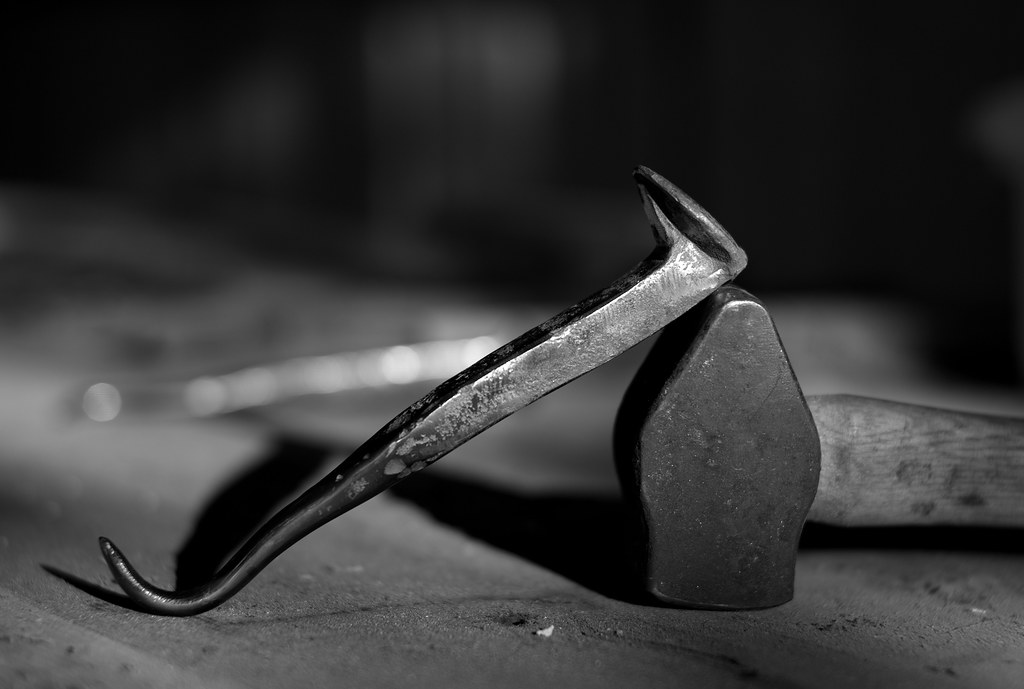
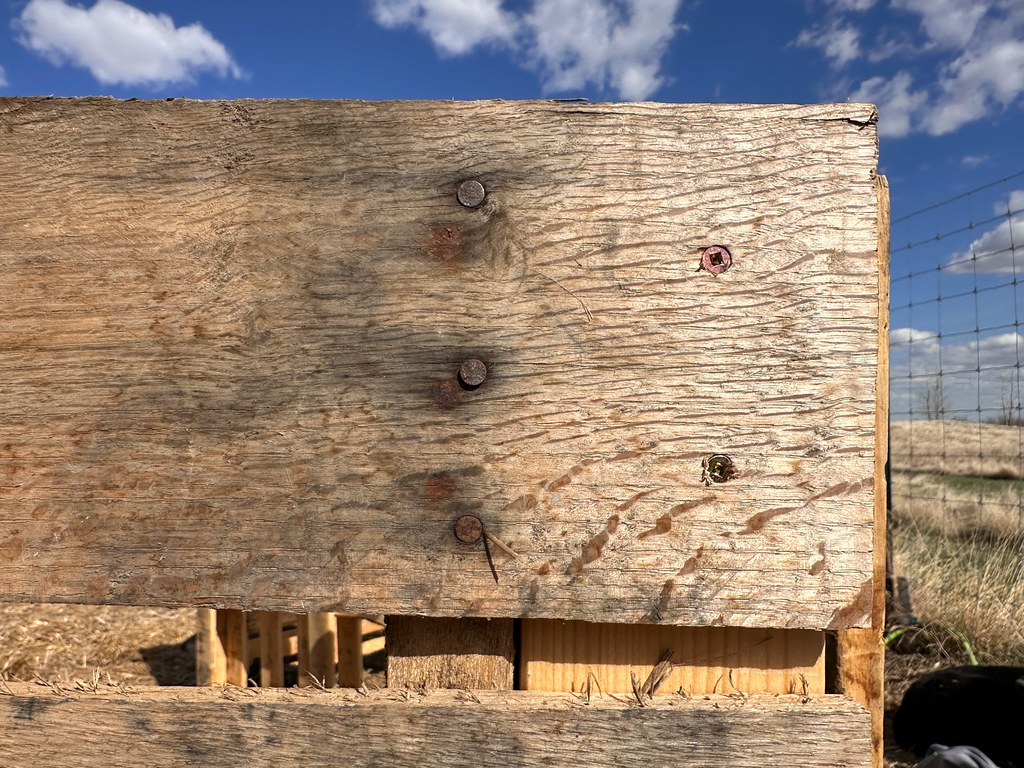
Çekim Tablosu
Belirtme (-i)çiviyi
Yönelme (-e)çiviye
Bulunma (-de)çivide
Çıkma (-den)çividen
Tamlayan (-in)çivinin
Çoğul (-ler)çiviler
Tanım
•Amasya ili Merkez ilçesine bağlı bir köy.
•iki şeyi birbirine tutturmak, bir nesneyi bir yere sabitlemek için çakılan, ucu sivri, başlı, metal veya ağaçtan yapılmış ufak çubuk, mıh
•kalkan balığının üzerindeki düğmeye benzer kemiksi oluşum
•Mersin ili Mut ilçesine bağlı bir köy.
•İki şeyi birbirine tutturmak için çakılan, ucu sivri, başlı, metal veya ağaçtan yapılmış ufak çubuk
•Kalkan balığının üzerindeki düğmeye benzer kemiksi oluşum
Atasözü & Deyim
“Çivi çiviyi söker”
“Çivi çıkar ama yeri kalır”
“Çürük tahta çivi (mıh) tutmaz”
Diğer Dillerde
(etwas) mit Nägeln verbinden, irgendwo festmachen
Keilschrift — Çivi Yazısı
nail (metal pin) · clove (of garlic) · highlight, climax
çekim: çoğul clous
köken: Inherited from Old French clou, from Latin clāvus, from Proto-Italic *klāwos, from Proto-Indo-European *kleh₂u-.
aile: clou d'ail, clou de girofle, clouer, cloutier, dans les clous, enfoncer le clou, maigre comme un clou
Cunéiforme — Çivi Yazısı
İspanyolcaacertar, achuntar, acuñar, atinar, bandada formada en V, calzar /aθeɾˈtaɾ/
to hit, to hit upon · to be right
çekim: geçmiş acerté · ortaç acertado · şimdiki acierta
eş: descifrar, descubrir, hallar, adivinar
zıt: desacertar
köken: From a- + Latin certus + -ar. Compare English ascertain.
aile: acertado, acertar con, acertijo, piensa mal y acertarás
Cuneiforme — Çivi Yazısı
La bala acertó al policía en la pierna.
¿Cuántas preguntas acertaste? –Ninguna.
El pronóstico del tiempo acertó hoy.
nail, tack, peg (construction)
çekim: çoğul гво́зди · tamlayan гвоздя́
eş: гвоздь Еланского
köken: Inherited from Old East Slavic гвоздь (gvozdĭ), from Proto-Slavic *gvozdь.
aile: гвоздодёр, пове́сить на гвоздь
Клинопись — Çivi Yazısı
гвоздь програ́ммы
Arapçaإِسْفِين, ضفر, ظُفْر, ظِفِر, مسمار, مسْمار (eril) /mis.maːr/
nail, pin, peg, wedge, bolt, even a screw · vine pole · forked tentpole
çekim: çoğul مَسَامِير · tamlayan مِسْمَارٍ
köken: Compare Akkadian samrūtum (“nail (of copper)”) Borrowed from Aramaic מַסְמָר (masmār), מַסְמְרָא (masmərā, “pin, nail”). Cognate with Hebrew מסמר (masmér).
aile: مَسْمَرَ
كونيفورم — Çivi Yazısı
Farsçaگوه, میخ, ناخُن, نَاخُن /ˈmeːx/
nail
çekim: çoğul میخها
köken: From Middle Persian [script needed] (myh /mēx/), from Old Persian 𐎶𐎹𐎢𐎧 (MYUX /mayūxa/), from Proto-Indo-Iranian *mayū́kʰas (“peg, nail”), ultimately a borrowing from the the BMAC substrate. Cognate with Sanskrit मयूख (mayūkha, “peg”).
nail, fingernail · hoof (the tip of a toe of an ungulate such as a horse) · quotation mark
çekim: çoğul dırnaqlar · tamlayan dırnağın
köken: From Proto-Turkic *tïrŋa-k (“finger-nail, claw”). Cognate with Old Turkic 𐱃𐰃𐰺𐰭𐰴 (tïrŋaq, “fingernail”), Turkish and Crimean Tatar tırnak, etc.
aile: dırnaqarası, dırnaqtutan
nail · claw
çekim: çoğul тырнақтар · tamlayan тырнақтың
köken: From Proto-Turkic *tïrŋa-k (“finger-nail, claw”). Cognate with Karaim тырнак, Kumyk тырнакъ (tırnaq), Kyrgyz тырмак (tırmak), Shor тырбақ, Tuvan дыргак (dırgak), etc.
aile: тырнақсыз, тырнақтай, тырнақтау, тырнақша, тырнақшалау
Özbekçemix, pona, tirnoq
fingernail
çekim: çoğul tirnoqlar · tamlayan tirnoqning
köken: From Proto-Turkic *tïrŋak.
Felemenkçespijker (eril) /ˈspɛi̯kər/
nail (metal fastener)
çekim: çoğul spijkers
eş: draadnagel, nagel
köken: From Middle Dutch spiker, from Old Dutch spīkere, from Proto-West Germanic *spīkr, from Proto-Germanic *spīkraz (“spike”), from Proto-Indo-European *spey- (“to be pointed; sharp point, stick”).
aile: de spijker op de kop slaan, spijkeren, spijkers met koppen slaan, spijkerschrift
Spijkerschrift — Çivi Yazısı
to wedge (to force into a narrow gap)
çekim: geçmiş atochei · ortaç atochado · şimdiki atocha
Cuneiforme — Çivi Yazısı
nail (metal fastener used for joining wood, etc) · rivet · informer, snitch, grass (UK), ratfink (US)
çekim: çoğul καρφιά · tamlayan καρφιού
köken: Inherited from Ancient Greek καρφίον (karphíon), diminutive of κάρφος (kárphos). Cognate with Mariupol Greek карфи́ (karfí).
aile: καρφάκι, καρφί για μέταλλα, καρφίτσα, καρφοβελόνα, κάρφωμα, καρφώνομαι, καρφώνω, καρφωτής, καρφωτός, ξυλόκαρφο
Σφηνοειδής γραφή — Çivi Yazısı
καρφί για μέταλλα
fingernail
eş: 指甲, 指甲, 指甲蓋兒, 指甲, 指甲, 指甲蓋兒
aile: 手指甲剪
愛車是本田Civic。 — Honda Civic kullanıyor.
toenail · claw, talon
köken: First attested in the Gugeupbang eonhae (救急方諺解 / 구급방언해), 1466, as Middle Korean 밠톱 (Yale: pal-s-thwop). From 발 (bal) + 톱 (top, also found in 손톱 (sontop, “fingernail”)).
원 개수 — Çivilerin sayısı
발톱을 깎다
짐승의 발톱과 송곳니는 공격용으로 쓰이므로 매우 날카롭다.
호랑이의 발톱.
a piece (forming a part of some whole) · a bit · a bit (certain (not insignificant) distance)
çekim: çoğul bitar · tamlayan bits
köken: From Old Norse biti.
aile: bitsocker, i bitar, pusselbit, sockerbit
Kilskrift — Çivi Yazısı
en pusselbit
en tårtbit / en bit tårta [note that there is no preposition]
Jag åt tre bitar McNuggets
Lehçegwóźdź, kawałek, klin, klucz, paznokieć, wbijać gwóźdź (eril) /ˈɡvuɕt͡ɕ/
nail (metal rod with a sharp tip on one end and a flattened head on the other, which is struck with a hammer to drive it into something) · clou (greatest attraction of an event or period) · exchange (in vint: act of exchanging one card between two partners)
çekim: çoğul gwoździe · tamlayan gwoździa
eş: clou
köken: Inherited from Old Polish gwóźdź. Sense 2 is a semantic loan from French clou.
aile: gwóźdź do trumny, zupa z gwoździa
Pismo klinowe — Çivi Yazısı
Ukraynacaні́готь, прибивати, прибити, цвях /prebeˈʋate/
to nail, to nail down (to attach with a nail) · to press to the ground, to beat down (by an impact or by wind or water) · to drive (somewhere—of the wind or water)
çekim: geçmiş прибива́вши · şimdiki прибива́є
köken: From приби́ти (prybýty) + -ва́ти (-váty). Compare Russian прибива́ть (pribivátʹ), Belarusian прыбіва́ць (prybivácʹ), Polish przybijać.
aile: прибива́ння, прибива́тися
Cuneiform — Çivi Yazısı
nail, tack · spike; stud · axis
çekim: çoğul कीलें
köken: From Sanskrit कील (kīla).
मंगल सूर्य्य से १३६०००००० मील दूर है और यह अपनी कील पर २४ १/२ घंटे में एक बार घूम आता है।
plough, plow (agricultural tool) · plough, plow (device used to clear snow) · wedge (group of birds flying in a V-shaped formation)
çekim: çoğul aurat · tamlayan auran
köken: ] From Proto-Finnic *atra (compare Estonian ader), borrowed from Proto-Germanic *arþrą (compare Old Norse arðr), from Proto-Indo-European *h₂érh₃trom.
aile: aurata, aura-auto, aurakulma, aurakäännös, aurankukka, aurankurki, auranvannas, hankoaura, jankkoaura, kaariaura
Piikkien lukumäärä — Çivilerin sayısı
Isäntä kynti peltoa uudella viisisiipisellä auralla.
nail (metal fastener)
çekim: çoğul hřebíky · tamlayan hřebíku
köken: Inherited from Old Czech hřěbí, from Proto-Slavic *gerbьjь. By surface analysis, hřeb + -ík.
Počet kruhů — Çivilerin sayısı
herd · flock · swarm
çekim: çoğul cârduri · tamlayan cârdului
köken: From a Slavic language, from Proto-Slavic *kъrdo, from Proto-Indo-European *kerdʰ-. Doublet of cireadă and ciurdă. Compare Serbo-Croatian кр̏до/kȑdo (“herd”), English herd.
Cuneiform — Çivi Yazısı
wedge (tool)
çekim: çoğul ékek
köken: Uncertain. Perhaps from Proto-Ugric.
aile: ékel → ékelődik, ékes, ékez → ékezet, ékcsont, ékírás, faék
Cuneiform — Çivi Yazısı
İbraniceטְרִיז, מִסְמֵר, מַסְמֵר, סִמֵּר, ציפורן, צִפֹּרֶן (dişil) /t͡siˈpoʁen/
claw, nail (fingernail or toenail) · dianthus, carnation · clove
çekim: çoğul ציפורניים
köken: Inherited from Proto-Semitic *θ̣upr-, *θ̣ipr- (“nail, claw”). Cognate with Akkadian 𒌢 (ṣuprum) and Arabic ظُفْر (ẓufr).
aile: ציפורן חודרנית, צִפֹּרֶן חוֹדְרָנִית, צִפָּרְנֵי חָתוּל
כתב יתדות — Çivi Yazısı
וַהֲבֵאתָהּ, אֶל־תּוֹךְ בֵּיתֶךָ; וְגִלְּחָה אֶת־רֹאשָׁהּ, וְעָשְׂתָה אֶת־צִפָּרְנֶיהָ.
חַטַּאת יְהוּדָה, כְּתוּבָה בְּעֵט בַּרְזֶל – בְּצִפֹּרֶן שָׁמִיר; חֲרוּשָׁה עַל־לוּחַ לִבָּם, וּלְקַרְנוֹת מִזְבְּחוֹתֵיכֶם.
wedge · troops arrayed in a wedge formation · a phalanx (formation)
çekim: çoğul cuneī · tamlayan cuneī
köken: Uncertain root, apparently with the suffix -eus. Various problematic comparisons to either Proto-Indo-European *h₂eḱ- (“sharp”) or *ḱúH- (“spike; sting”) (compare Latin culex (“mosquito”), Avestan 𐬯𐬏𐬐𐬁 (sūkā, “needle”), Sanskrit शूक (śūka, “spike; bristle; insect sting”), शूल॑ (śū́la, “spear; stake”) etc.) have been unfruitful; a long vowel (*cūneus) would be expected in the latter case, and the…
aile: cuneātim, cuneifōrmis, cuneō, cuneolus
Etimoloji
Inherited from Ottoman Turkish چیوی (çivi), from Proto-Turkic *čïb.
Deyimler
ayakkabı çivisi
çatı çivisi
çelik çivi
çivi çakmak
çivi gibi
çivi gövdesi
çivi kafası
çivi tabancası
çivi teli
çivisi çıkmak
difüzyon çivisi
Eş & Zıt Anlamlılar
Eş anlamlılar
Örnek Cümleler
Çivi Yazısı
Cuneiform
Çiviye bastım.
I stepped on a nail.
Mık; büyük çivi.
The Big Knife.
Çivilerin sayısı
Number of spikes
Serçe cıvıldıyor.
The sparrow is cheeping.
[kuşlar cıvıldar]
[birds singing]
[kuş cıvıltıları]
[bird chirping] Oh, oh, oh, oh... [speaking native language]
Civis romanus sum
Civis romanus sum Constitution of the Roman Republic Rights of Englishmen
Çivi çiviyi söker.
Set a thief to catch a thief.
Çivi duvarı deldi.
The nail pierced the wall.
Kuşlar cıvıldıyor.
Birds are chirping.
"Devletin çivisi".
"Yang di-Pertua Negeri".
İlgili Sorular
İlgili / Bileşik Terimler
Genelcuneiform