Sözlük
/vücut
vücut
/vy.d͡ʒut/
noun
B1 seviye
TR → EN
"vücut" kelimesinin İngilizcesi: subsistence, body, carcass, entity, flesh. Anlamı, çevirisi, telaffuzu ve örnek cümleler aşağıdadır.
Çeviri
Genelsubsistence
Genelbody
Genelcarcass
Genelentity
Genelflesh
Genelform
Genelframe
Genelphysique
Genelbody
Genelbody
Görsel


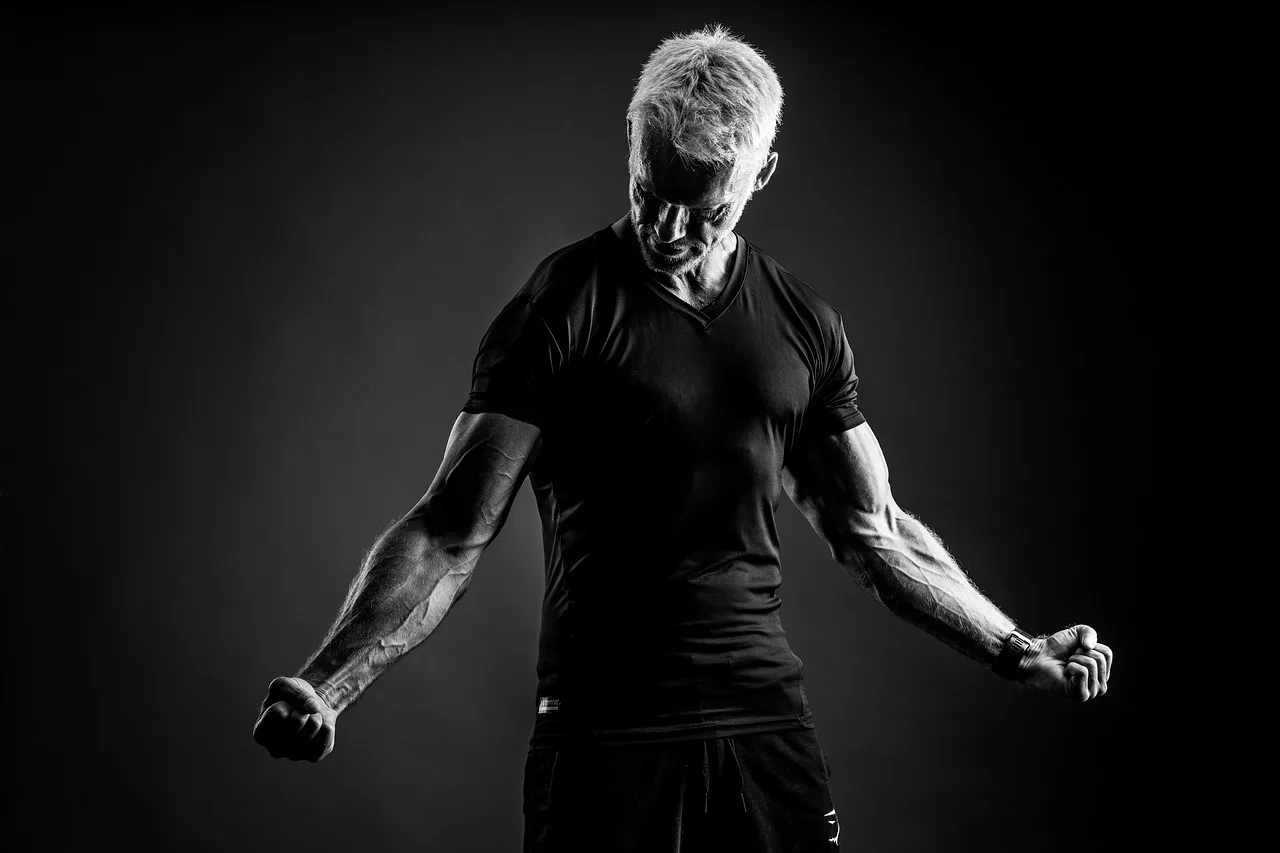
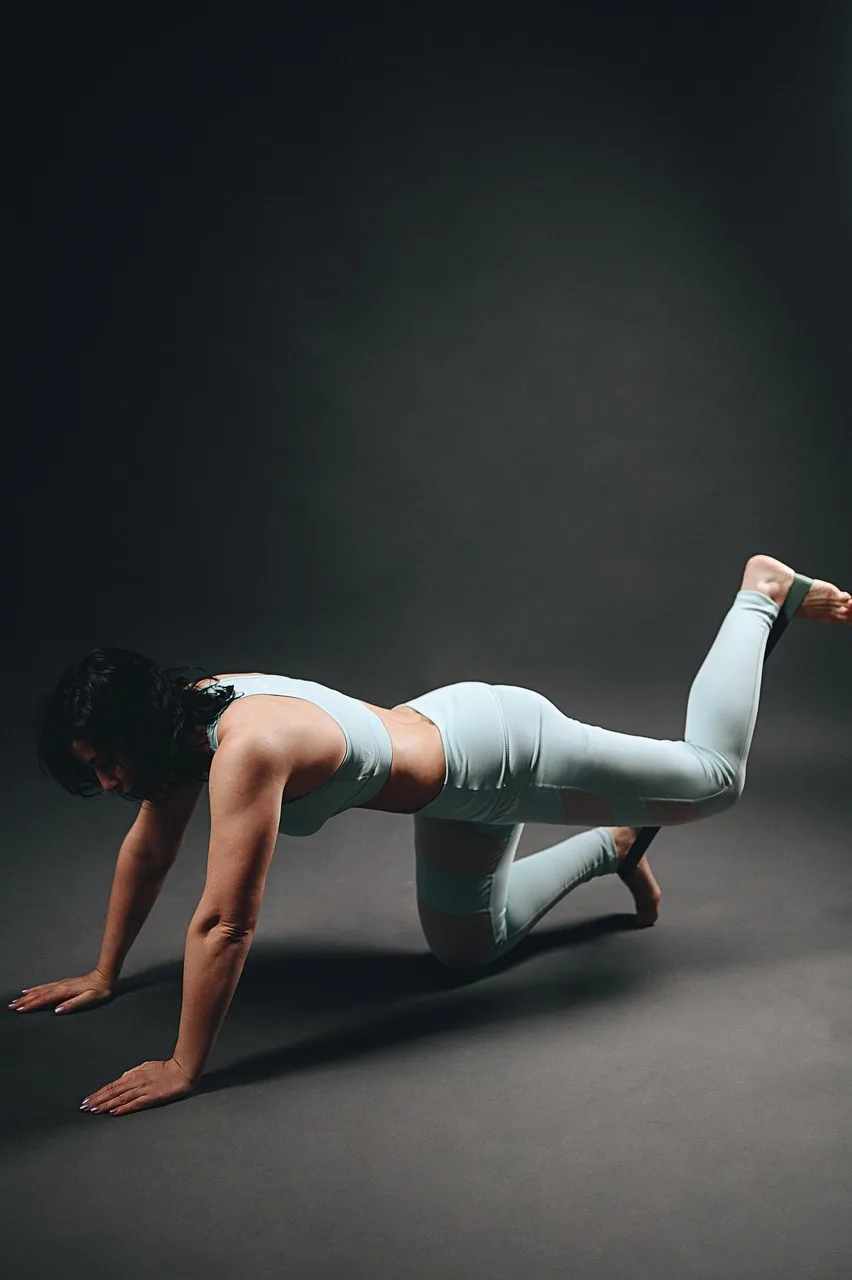
Çekim Tablosu
Belirtme (-i)vücudu
Yönelme (-e)vücuda
Bulunma (-de)vücutta
Çıkma (-den)vücuttan
Tamlayan (-in)vücudun
Çoğul (-ler)vücutlar
Tanım
•isim: İnsan veya hayvanda beden, baş, kol ve bacakların oluşturduğu bütün; eğin, ten
•Var olma
Atasözü & Deyim
“Vücut kocar, gönül kocamaz”
Diğer Dillerde
Almancakörper (eril) /ˈkœrpər/
body (of a person, animal, etc.) · body · body, solid (three-dimensional object)
çekim: çoğul Körpern · tamlayan Körpers
eş: Ding, Gegenstand
köken: From Middle High German korper, körper, körpel, from Latin corpor-, inflected stem of corpus. The word displaced first the predecessor of German Leiche, Leichnam (now “corpse”) and later on Leib (now dated, literary, religious). Doublet of Korpus, Korps. The umlaut remained rare until the 16th century. Its derivation from the -i- in Latin corporis, corpori seems unlikely in such a late borrowing.…
aile: körperlich
Mr. Bear Chest 2012. — Bay Seksi Vücut 2012.
FransızcaCorps (eril) /kɔʁ/
body · field (in abstract algebra) · corps
eş: chasse, panse, robe, cadre
köken: Inherited from Middle French cors, from Old French cors, inherited from Latin corpus (“body”). The p was added back to reflect the Latin etymology. Doublet of corpus.
aile: à bras-le-corps, à corps perdu, à son corps défendant, avoir le diable au corps, chevillé au corps, corporation, corporel, corps calleux, corps caverneux, corps céleste
Corps de Golgi avec elle. — Vücut Golgi.
İspanyolcaahormar, carcasa, carrocería, cuerpo, formar, formulario /aoɾˈmaɾ/
to fit, to shape, to mold · to adjust · to break in
çekim: geçmiş ahormé · ortaç ahormado · şimdiki ahorma
eş: amoldar, adaptar, acomodar
köken: From a- + horma + -ar.
¿Cómo te sientes en ese cuerpo? — O vücut nasıl?
İtalyancacarrozzeria, consistenza, corpo, costituire, ente, formare (dişil) /kar.rot.t͡seˈri.a/
body, bodywork (of a car) · body shop (bodywork repair workshop) · coachbuilder
çekim: çoğul carrozzerie
köken: From carrozza + -eria.
Come ci si sente in quel corpo? — O vücut nasıl?
Rusçaбытие, существование, тело; туловище
Как тебе это тело? — O vücut nasıl?
body; figure · trunk, torso · coat of mail measured to the torso
çekim: çoğul أَبْدَان · tamlayan بَدَنٍ
köken: From the root ب د ن (b d n). Cognate with Mehri بدين.
الجسد أكثف من المياه. — Vücut sudan daha yoğun.
Farsçaاَنْدام, پَیْکَر, پِیْکَر, تَن, سازْمان, شکل دادن
to form, to give shape
çekim: geçmiş شکل ده · ortaç شکل دهنده · şimdiki شکل میده · ulaç شکل دهنده
body
çekim: çoğul bədənlər · tamlayan bədənin
köken: From Arabic بَدَن (badan).
aile: bədənli
insan bədəni
bədən dili
bədən ölçüsü
poll, survey, questionnaire, feedback form
çekim: çoğul anketalar · tamlayan anketaning
köken: Borrowed from Russian анке́та (ankéta), from French enquête.
Felemenkçelichaam, gestel
Geweldig lichaam! — Harika bir vücut!
Portekizcecarroceria, equipe, formulário, grosso, maiô, organismo (dişil) /ka.ʁo.seˈɾi.ɐ/
body of a vehicle
çekim: çoğul carrocerias
eş: carroçaria
köken: Borrowed from French carrosserie.
Que tal sentes o corpo? — O vücut nasıl?
Yunancaαίτηση, γραμματολογία, δημιουργώ, κορμάκι, κορμί, οργανισμός (dişil) /ˈetisi/
request · application · petition
çekim: çoğul αιτήσεις · tamlayan αίτησης
eş: ζήτηση, παράκληση
köken: From Ancient Greek αἴτησις (aítēsis) + suffix -ση (-si).
Σωμάτιο Σώμα με αυτό. — Vücut Golgi.
συμπληρώστε την αίτηση
an organization; a group
aile: 宗教団体
なので、この段階でタンパク質は — Vücut Golgi.
the main part or body of a text or work · body text · original character; etymological character
其身体非常强壮。 — Vücut yapısı güçlüdür.
this machine · main body, main unit
köken: Sino-Korean word from 本體.
몸은 전체적으로 황록색이다. — Tüm vücutları sarıdır.
a form; a specimen document; a survey; a blank template to be filled in by the user · a carte blanche; a blank contract already with approving signature or sigil, to be filled in by the user
çekim: çoğul blanketter · tamlayan blanketts
köken: Borrowed from German Blankett of same meaning, from Old French blanchet; blanquet (“white, whitish”), attested since 1818.
aile: anmälningsblankett, deklarationsblankett, fullmaktsblankett, lyxblankett, telegramblankett, tullblankett
Vissa är fria, vissa sitter fast. — Vücut Golgi.
fill out these blankets [common Swenglish]
blank, form (document to be filled in)
çekim: çoğul blankiety · tamlayan blankietu
eş: formularz
köken: Borrowed from German Blankett, from Dutch blanket, from Old French blanquet. First attested in 1629.
aile: blankietowy
Jakie jest to ciało? — O vücut nasıl?
stosowny blankiet
urzędowy blankiet
czysty blankiet
Ukraynacaколекти́в, ті́ло
По-перше, тілесний вияв. — Birincisi vücut kanalı.
application, form · submission
çekim: çoğul अर्ज़ियाँ
köken: Borrowed from Classical Persian عرضی ('arzī), ultimately from Arabic عَرْض (ʕarḍ). Compare Bengali আর্জি (arji), Gujarati અરજી (arajī), Punjabi ਅਰਜ਼ੀ (arzī).
organ (larger part of an organism, composed of tissues that perform similar functions) · penis · body (organisation, company or other authoritative group, such as a governmental body)
çekim: çoğul elimet · tamlayan elimen
köken: elää (“to live”) + -in (instrumental suffix). Coined by Finnish folklorist and linguist Daniel Europaeus in 1853.
aile: elimellinen, elimetön, elimistö, aistinelin, edustuselin, elimenluovuttaja, elimenluovutus, elimensiirto, elinkauppa, elinkierto
Miltä se ruumis tuntuu? — O vücut nasıl?
Çekçebody, forma, formulář, orgán, organizace, seskupení (nötr) /ˈbodɪ/
bodysuit, leotard
eş: bodíčko
köken: Pseudo-anglicism, derived from bodysuit.
Skvělý tělo! — Harika bir vücut!
body
çekim: çoğul corpuri · tamlayan corpului
köken: According to the Romanian etymological dictionary, borrowed from Latin corpus (through borrowing German or Russian intermediate Korpus in the 18th century and French corps later in the 19th century). The Megleno-Romanian equivalent, also corp, seems to be directly inherited from Latin, however.
Fizica corpului solid. — Vücut yapısı güçlüdür.
Macarcacsapat, csoport, formál, karosszéria, kialakít, megformál /ˈt͡ʃɒpɒt/
group, troop, crew, flock · team (group of people) · troop, detachment, legion
çekim: çoğul csapatok
köken: csap + -at (noun-forming suffix)
aile: csapatos, csapatostul, csapatú, csapatbajnokság, csapatember, csapatépítés, csapatépítő, csapatjáték, csapatjátékos, csapatkapitány
Szép test, igaz? — Güzel vücut, ha?
İbraniceגּוּף, טֹפֶס \ טופס, מֶרְכָּב, עֶצֶם, צורה (dişil)
shape (appearance or outline), form, figure · way, method, fashion
çekim: çoğul צוּרוֹת
köken: Cognate to Arabic صُورَة (ṣūra). Possibly derived from Akkadian 𒄑𒄯 (iṣurtu, “drawing, plan”).
aile: אֵינוֹ יוֹדֵעַ צוּרַת א׳
הגוף צפוף יותר מהמים. — Vücut sudan daha yoğun.
Latincefigūra, figūrō, fingō, fōrma, fōrmō
Dancablanket, form, forme, formular, karosse, karrosse
form (document)
çekim: çoğul blanketter · tamlayan blankets
köken: Via German Blankett, from French carte blanche.
Hvordan føles den krop? — O vücut nasıl?
Etimoloji
Arapça وُجُوْد (ar) (vücüvd) vuc°d
Deyimler
Eş & Zıt Anlamlılar
Örnek Cümleler
Vücut Golgi.
Golgi body with it.
O bir vücutçu.
He's a bodybuilder.
Vücut büyüklüğü
Body size
Güzel vücut, ha?
Nice body, huh?
Vücut ( Latin ).
The body (Latin: corpus).
Vücutları iridir.
Here are the corpses.
Harika bir vücut!
Great body!
Vücut ince uzundur.
Body nearly as broad as long.
O vücuttaymış gibi.
It's in the body.
Vücut ağırlığı ile:
Bodyweight:
Kan vücutta dolaşır.
Blood circulates in the body.
Bu vücutta hayat yok.
There's no life in this body.
İlgili Sorular
İlgili / Bileşik Terimler
Genelbody cavity
Genelbody language
Genelbody heat
Genelbody mass index
Genelbody hair