Sözlük
/gövde
gövde
/ɟø̞β.d̪ɛ/
noun
C2 seviye
TR → EN
"gövde" kelimesinin İngilizcesi: torso, trunk, stem, body, fuselage. Anlamı, çevirisi, telaffuzu ve örnek cümleler aşağıdadır.
Çeviri
Tıptorsonoun
Tıptrunknoun
Genelstem
Genelbody
Genelfuselage
Geneltheme
Geneltrunk
Geneltrunk
Geneltrunk
Geneltorso
Geneltorso
Görsel
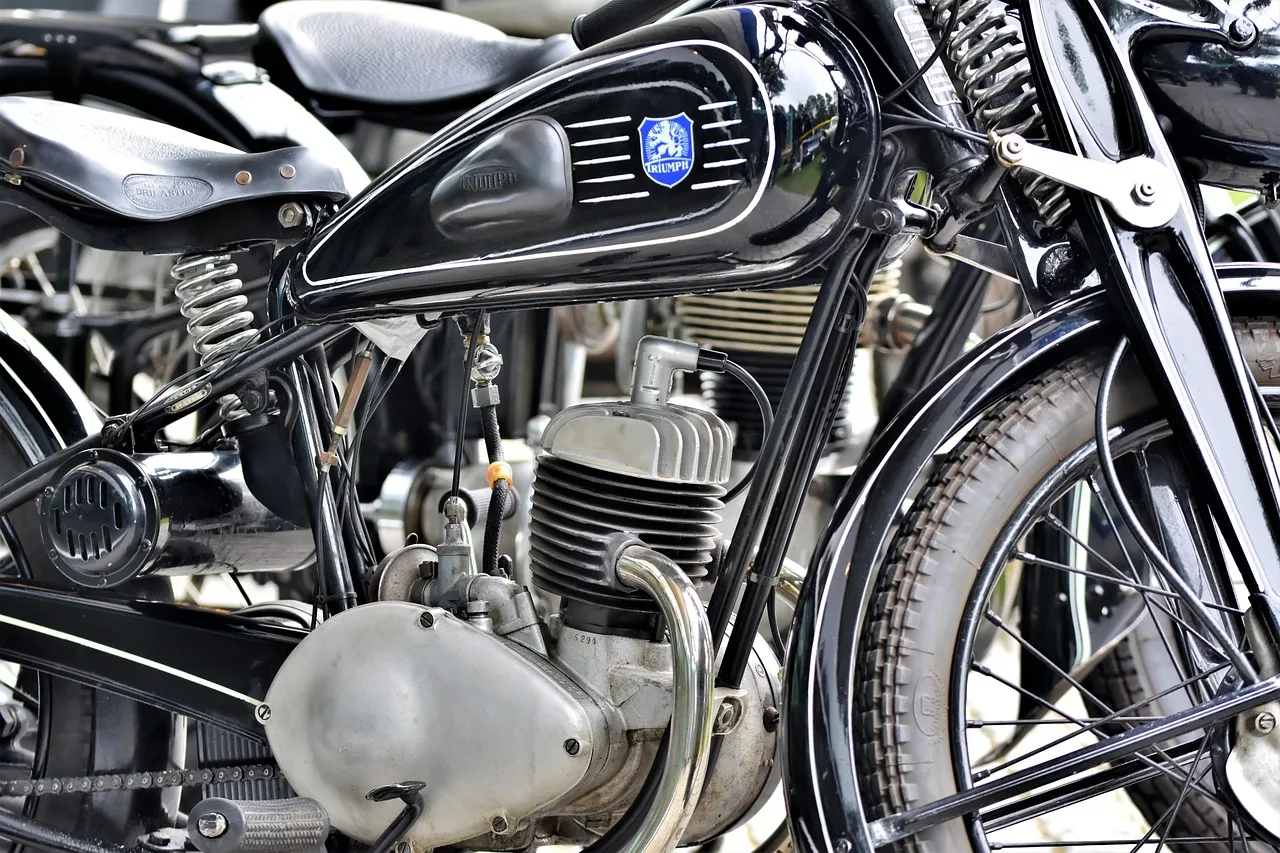
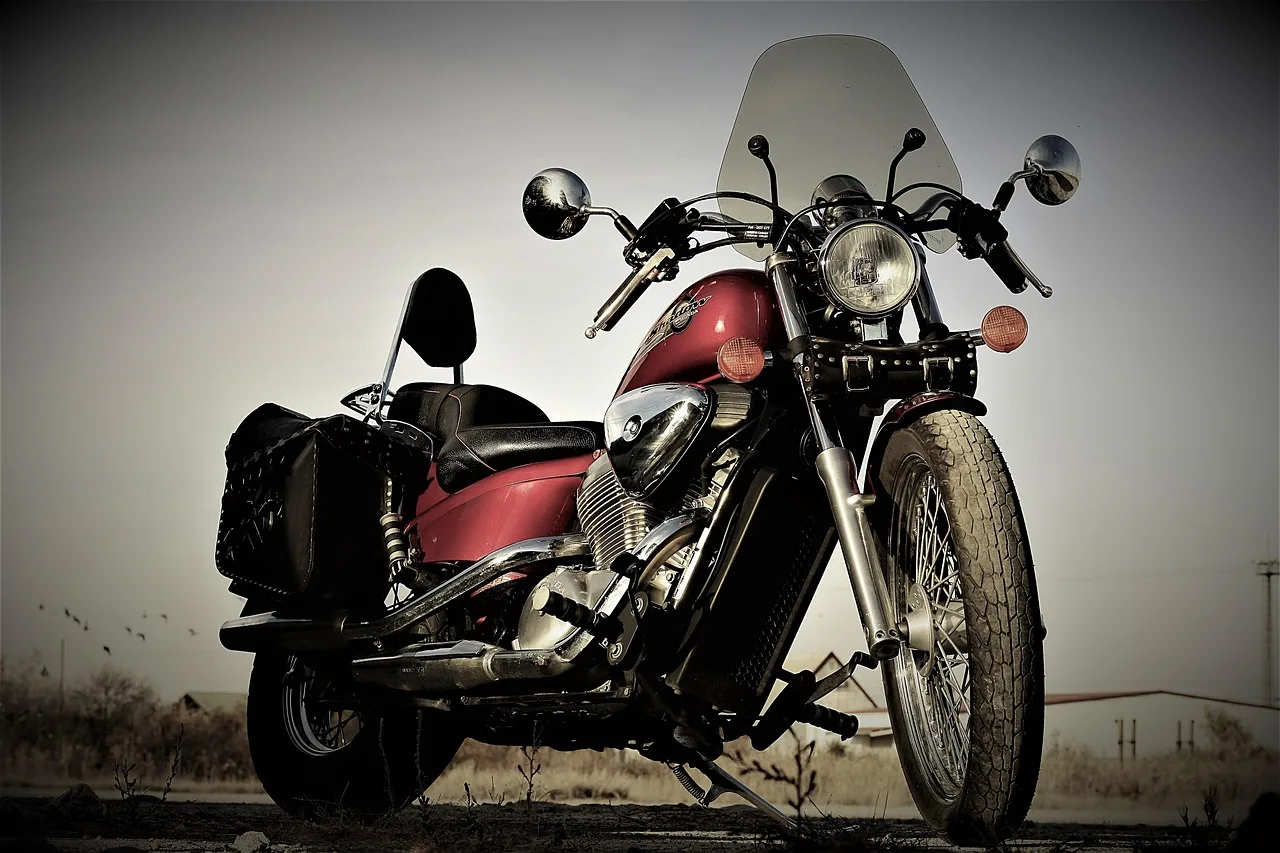
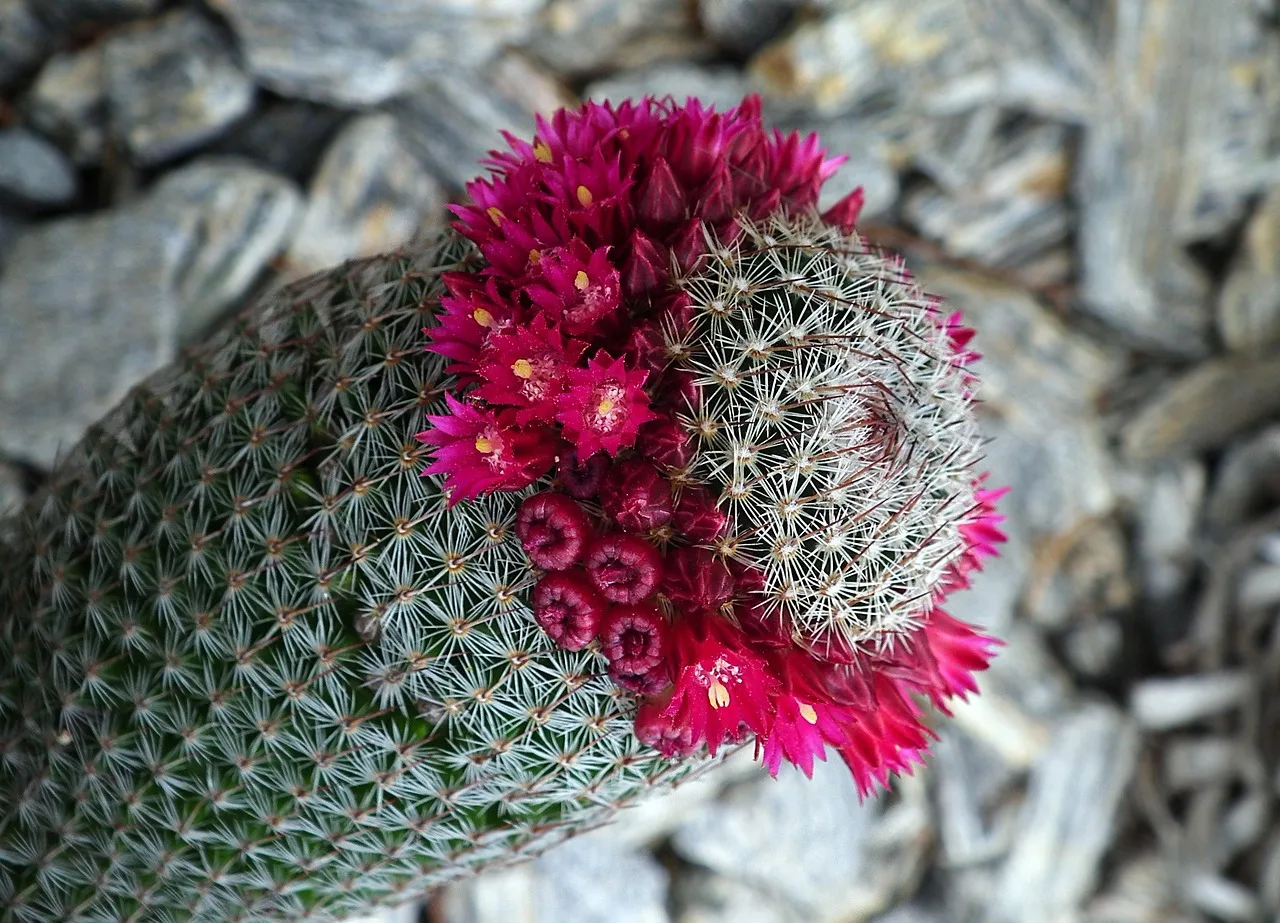
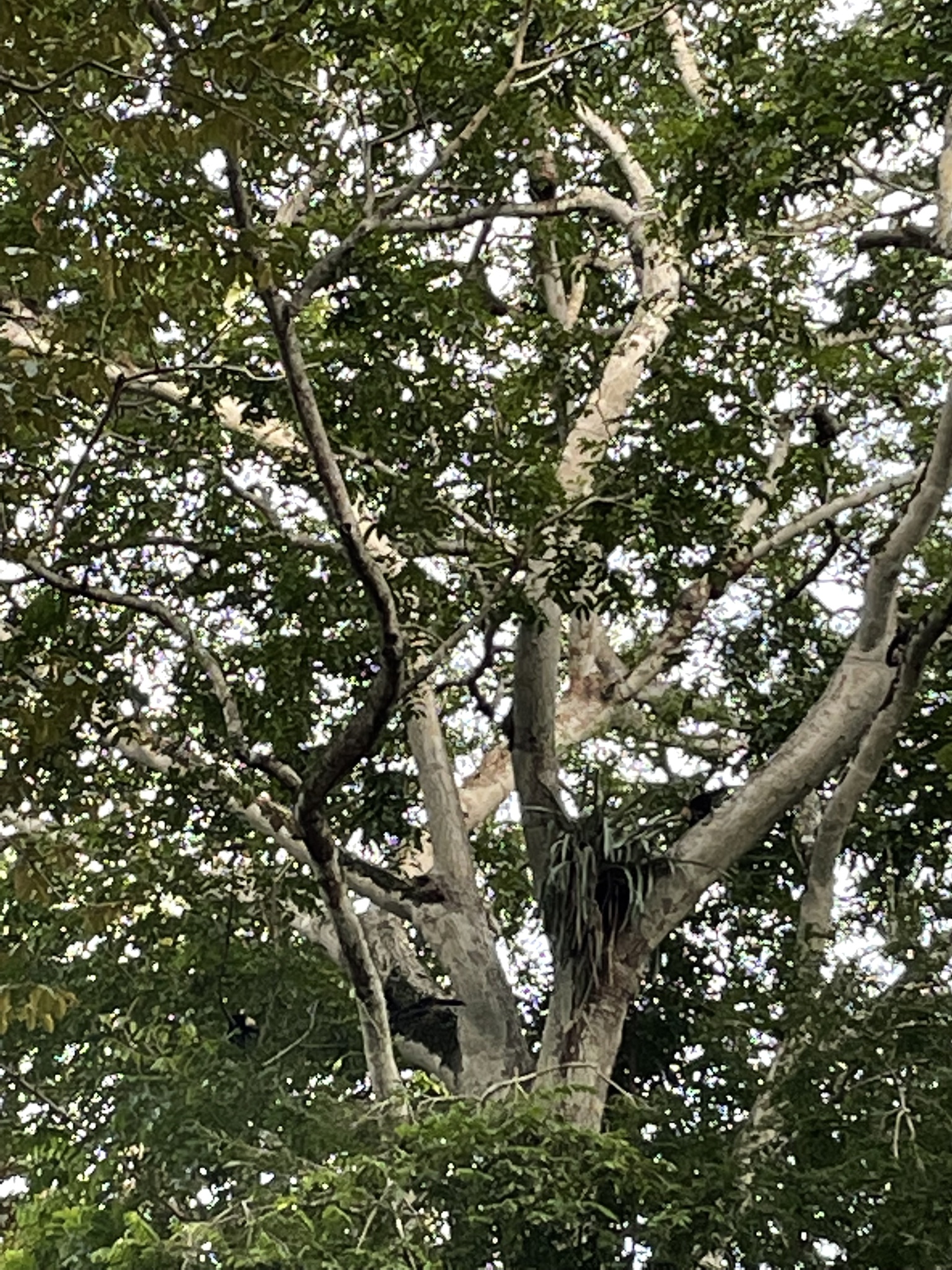
Çekim Tablosu
Belirtme (-i)gövdeyi
Yönelme (-e)gövdeye
Bulunma (-de)gövdede
Çıkma (-den)gövdeden
Tamlayan (-in)gövdenin
Çoğul (-ler)gövdeler
Tanım
•Ad ve fiil köklerinden eklerle türetilmiş kelime
•Ağaç ve bitkilerin dallarının dışında kalan ana bölümü
•Beden
•Bir şeyin asıl bölümü.
•Hayvanlarda baş, ayak ve kuyruktan geri kalan bölüm.
•Minarenin bir bölümü
•Hayvanlarda baş, ayak ve kuyruktan, ağaçlarda kök ve dallardan geri kalan bölüm
•Kesilmiş hayvanın, sakatatları alındıktan sonraki durumu
Atasözü & Deyim
“Adam adama yük değil, can gövdeye mülk değil”
Diğer Dillerde
AlmancaFunktionsrumpf, Karosse, Karosserie, Körper, Körperschaft, Korpus
prachtvoll ausgestattete Kutsche
eş: Karosserie
Body-Bereich — Gövde Alanı
FransızcaCorps (eril) /kɔʁ/
body · field (in abstract algebra) · corps
eş: chasse, panse, robe, cadre
köken: Inherited from Middle French cors, from Old French cors, inherited from Latin corpus (“body”). The p was added back to reflect the Latin etymology. Doublet of corpus.
aile: à bras-le-corps, à corps perdu, à son corps défendant, avoir le diable au corps, chevillé au corps, corporation, corporel, corps calleux, corps caverneux, corps céleste
Zone de contenu — Gövde Alanı
İspanyolcacarcasa, carrocería, cuerpo, tema, temática, thema (dişil) /kaɾˈkasa/
carcass (corpse of an animal) · housing, casing (protective cover designed to contain or support a mechanical component) · case (e.g. a phone case)
çekim: çoğul carcasas
eş: canal
köken: Borrowed from French carcasse. Cognate with English carcass.
Aréa de contenido (body) — Gövde Alanı
İtalyancacarrozzeria, consistenza, corpo, ente, organo, scafo (dişil) /kar.rot.t͡seˈri.a/
body, bodywork (of a car) · body shop (bodywork repair workshop) · coachbuilder
çekim: çoğul carrozzerie
köken: From carrozza + -eria.
Area del corpo — Gövde Alanı
Rusçaтело, корпус, фюзеляж, туловище, корпус; туша
Область Body — Gövde Alanı
body; figure · trunk, torso · coat of mail measured to the torso
çekim: çoğul أَبْدَان · tamlayan بَدَنٍ
köken: From the root ب د ن (b d n). Cognate with Mehri بدين.
المتن مساحة — Gövde Alanı
Farsçaاَنْدام, پَیْکَر, پِیْکَر, تَن, سازْمان, کالْبُد
body
çekim: çoğul bədənlər · tamlayan bədənin
köken: From Arabic بَدَن (badan).
aile: bədənli
insan bədəni
bədən dili
bədən ölçüsü
topic, subject
çekim: çoğul mavzular · tamlayan mavzuning
köken: Borrowed from Arabic مَوْضُوع (mawḍūʕ).
Felemenkçecarrosserie, deel, deeltje, hoofddeel, lichaam, lijf (dişil) /ˌkɑ.rɔ.səˈri/
body, bodywork of a motor vehicle
çekim: çoğul carrosserieën
köken: Borrowed from French carrosserie.
aile: carrosseriebouw
Body-gedeelte — Gövde Alanı
Portekizcecarroceria, equipe, grosso, maiô, organismo, organização (dişil) /ka.ʁo.seˈɾi.ɐ/
body of a vehicle
çekim: çoğul carrocerias
eş: carroçaria
köken: Borrowed from French carrosserie.
Área do Conteúdo — Gövde Alanı
ο κλάδος της επιστήμης που μελετά την ιστορία της γραμματείας (λογοτεχνίας) ενός έθνους, μιας εποχής κλπ
Περιοχή σώματος — Gövde Alanı
theme, subject · musical motif
köken: Borrowed from German Thema. First cited in a text from 1910.
本体領域 — Gövde Alanı
the main part or body of a text or work · body text · original character; etymological character
前殿:面阔三间。 — Ön Gövde: Üç baş boyu.
this machine · main body, main unit
köken: Sino-Korean word from 本體.
본문 영역 — Gövde Alanı
body, bodywork (exterior body of a car or other motor vehicle) · a coach (large, heavy, enclosed carriage, usually horse-drawn)
çekim: çoğul karosser · tamlayan karossens
Textområde — Gövde Alanı
body (physical structure of a human or animal seen as one single organism) · body (fleshly or corporeal nature of a human or animal) · body (visible external part of a human or animal)
çekim: çoğul ciała · tamlayan ciała
eş: ciałko, mięso, zwłoki, truchło, trup
köken: Etymology tree Proto-Slavic *tě̑lo Old Polish ciało Ancient Greek σῶμα (sôma)sl. ▲ Latin corpussl. ▲ French corpssl. Polish ciało Inherited from Old Polish ciało. Sense 5 is a semantic loan from Ancient Greek σῶμα (sôma) and Latin corpus. Sense 6 is a semantic loan from Latin corpus. Sense 7 is a semantic loan from French corps.
aile: cielisty, duszą i ciałem, jak stróż w Boże Ciało, na duszy i ciele, na gołe ciało, antyciało, Boże Ciało, ciała jamiste, ciała odpornościowe, ciało astralne
Obszar treści — Gövde Alanı
Udzielicie nam świniego ciała.
Cóz to zrobieło to ciało?
Corpus. Der leib Czyáło
Ukraynacaколекти́в, ті́ло
Ділянка Body — Gövde Alanı
body, self
çekim: çoğul तनों
köken: Inherited from Sauraseni Prakrit 𑀢𑀡𑀽 (taṇū), from Sanskrit तनू (tanū́), from Proto-Indo-Iranian *tanúHs, from Proto-Indo-European *tenúh₂s, from *tenuh₂- (“body”). Cognate with Avestan 𐬙𐬀𐬥𐬎 (tanu).
aile: तन दूरी
उसके तन पर गुदड़ी तक नहीं है।
topic, subject, theme · reason, cause, grounds, justification · motif (recurring or dominant element in a work of art)
çekim: çoğul aiheet · tamlayan aiheen
köken: Probably via metathesis from ajaa (“to drive, pursue”) + -e (*ajeh), "that which spurs or drives on" > "reason". May also be inspired by aie. Another theory proposes a borrowing from an earlier (Pre-Germanic) form of Proto-Germanic *aiz (“copper, bronze”) (like *ajes- → *aješ > *ajeh), but the semantics and distribution make this questionable.
aile: aiheellinen, aiheeton, -aiheinen, aiheittain, aiheisto, aihelma, aihio, aiheuttaa, aiheutua, aiheenmukainen
Valitse tagin alue — Gövde Alanı
No, olen yrittänyt, mutta hän vaihtaa aihetta koko ajan.
Neuvostoliitto sai Mainilan laukauksista aiheen hyökätä Suomeen vuonna 1939.
Onko sinulla jotain aihetta epäilyyn?
Çekçebody, orgán, organizace, seskupení, skupina, těleso (nötr) /ˈbodɪ/
bodysuit, leotard
eş: bodíčko
köken: Pseudo-anglicism, derived from bodysuit.
Tělo Oblastní — Gövde Alanı
body
çekim: çoğul corpuri · tamlayan corpului
köken: According to the Romanian etymological dictionary, borrowed from Latin corpus (through borrowing German or Russian intermediate Korpus in the 18th century and French corps later in the 19th century). The Megleno-Romanian equivalent, also corp, seems to be directly inherited from Latin, however.
componentă corp — gövde bölümü
Macarcacsapat, csoport, karosszéria, motívum, szervezet, tábor /ˈt͡ʃɒpɒt/
group, troop, crew, flock · team (group of people) · troop, detachment, legion
çekim: çoğul csapatok
köken: csap + -at (noun-forming suffix)
aile: csapatos, csapatostul, csapatú, csapatbajnokság, csapatember, csapatépítés, csapatépítő, csapatjáték, csapatjátékos, csapatkapitány
A törzs területe — Gövde Alanı
İbraniceגּוּף, מֶרְכָּב, נוֹשֵׂא, עֶצֶם, ערכת נושא
גוף ההודעה — gövde bölümü
Dancakarosse, karrosse, karrosseri, krop /krɔp/
body (of animals, including humans) · trunk, torso (as opposed to the limbs) · carcass, carcase (of a butchered animal)
çekim: çoğul kroppe · tamlayan krops
köken: From Old Norse kroppr, from Proto-Germanic *kruppaz. Cognate with Swedish kropp, English crop and German Kropf.
aile: bagkrop, barnekrop, drengekrop, dyrekrop, forkrop, kropscelle, kropsdel, kropsdoven, kropsdyrkelse, kropsfedt
Kropsområdet — Gövde Alanı
Norveççekarosseri
Bakvingen er skinnende silkehvit. — Gövdesi parlak gümüştendir.
Etimoloji
Inherited from Ottoman Turkish كوكده (göğde), from Proto-Turkic *kebde (“upper part of body”). Cognate with Azerbaijani gövdə, Kazakh кеуде (keude) etc.
Kelime Ailesi
ağaç gövdesi
birincil gövde
gövde gösterisi
gövde yapısı
gövdeli
gövdesiz
ikincil gövde
tâlî gövde
ana gövde
gövde et
Eş & Zıt Anlamlılar
Örnek Cümleler
Gövde Alanı
Body Area
Gövde Metin
Body matter
Gövde Onayla
Verify Chunks
gövde bölümü
body part
Tablo Gövdesi
Table Body
İleti Gövdesi
Message Body
Haber Gövdesi
Article Source
ileti gövdesi
the message body
Gövde tipleri
Body styles
Küresel gövde
Spherical body
(gövde bölümü)
(body part)
Düzensiz gövde
Irregular body
İlgili Sorular
İlgili / Bileşik Terimler
Genelbuffeting