Sözlük
/toz
toz
"toz" kelimesinin İngilizcesi: dust, substance, essence, powder, dirt. Anlamı, çevirisi, telaffuzu ve örnek cümleler aşağıdadır.
Çeviri
Geneldustnoun
Genelsubstancenoun
Genelessencenoun
Genelpowder
Geneldirt
Geneldust
Genelsubstance
Geneldust
Genelpowder
Genelpowder
Geneldust
Geneldust
Genelpowder
Geneldust
Genelpowder
Görsel
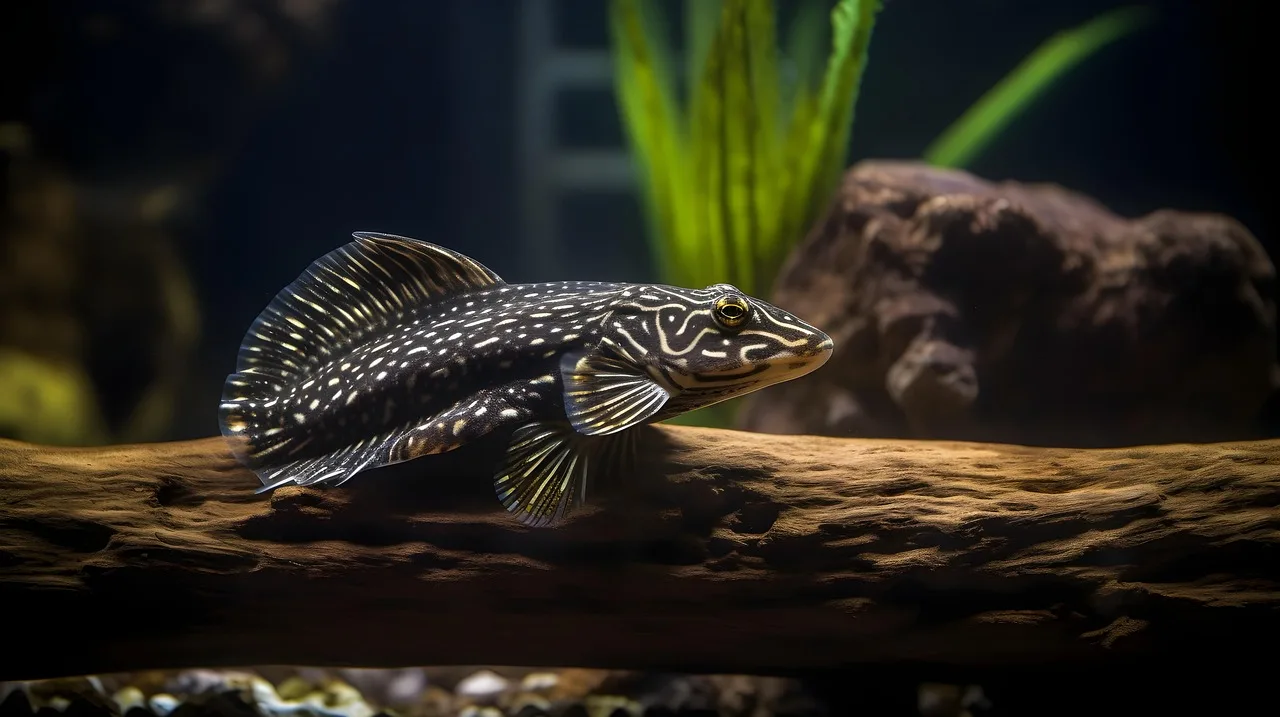

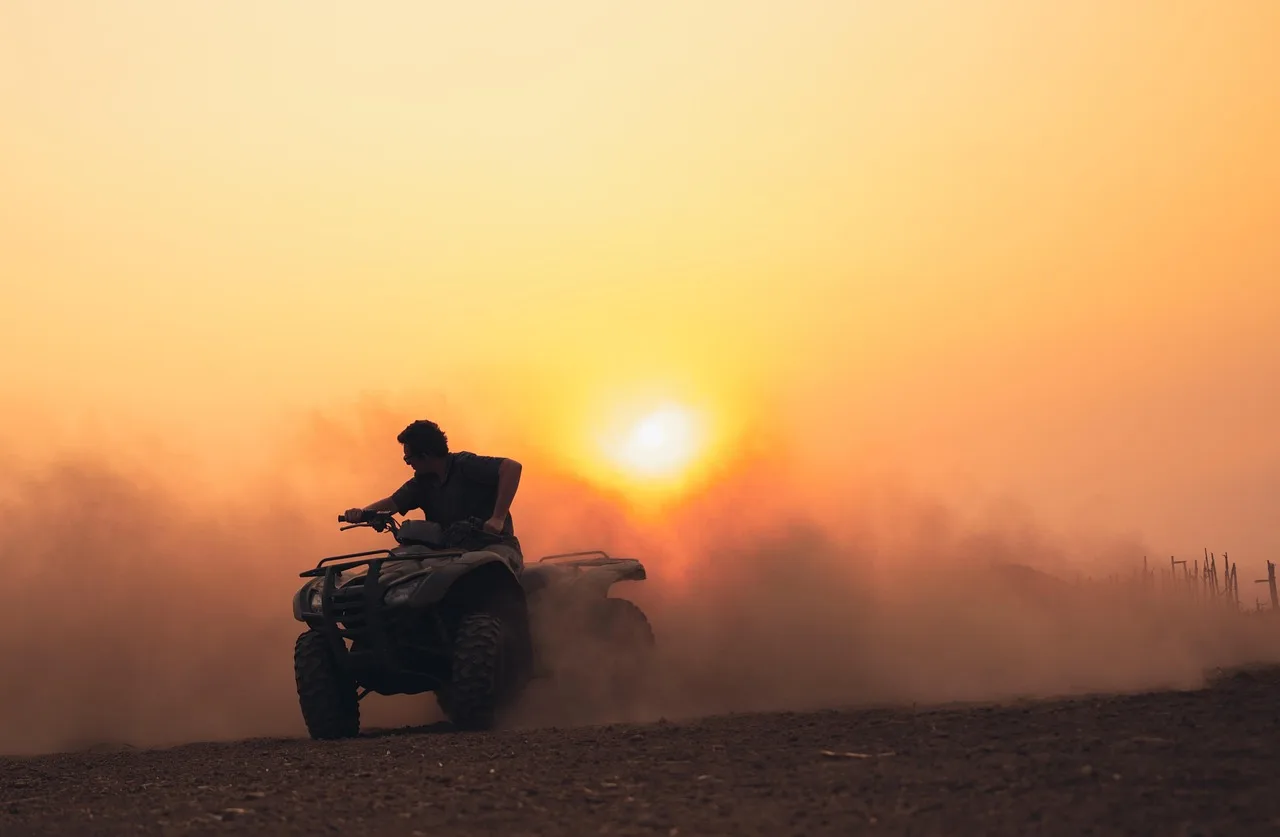
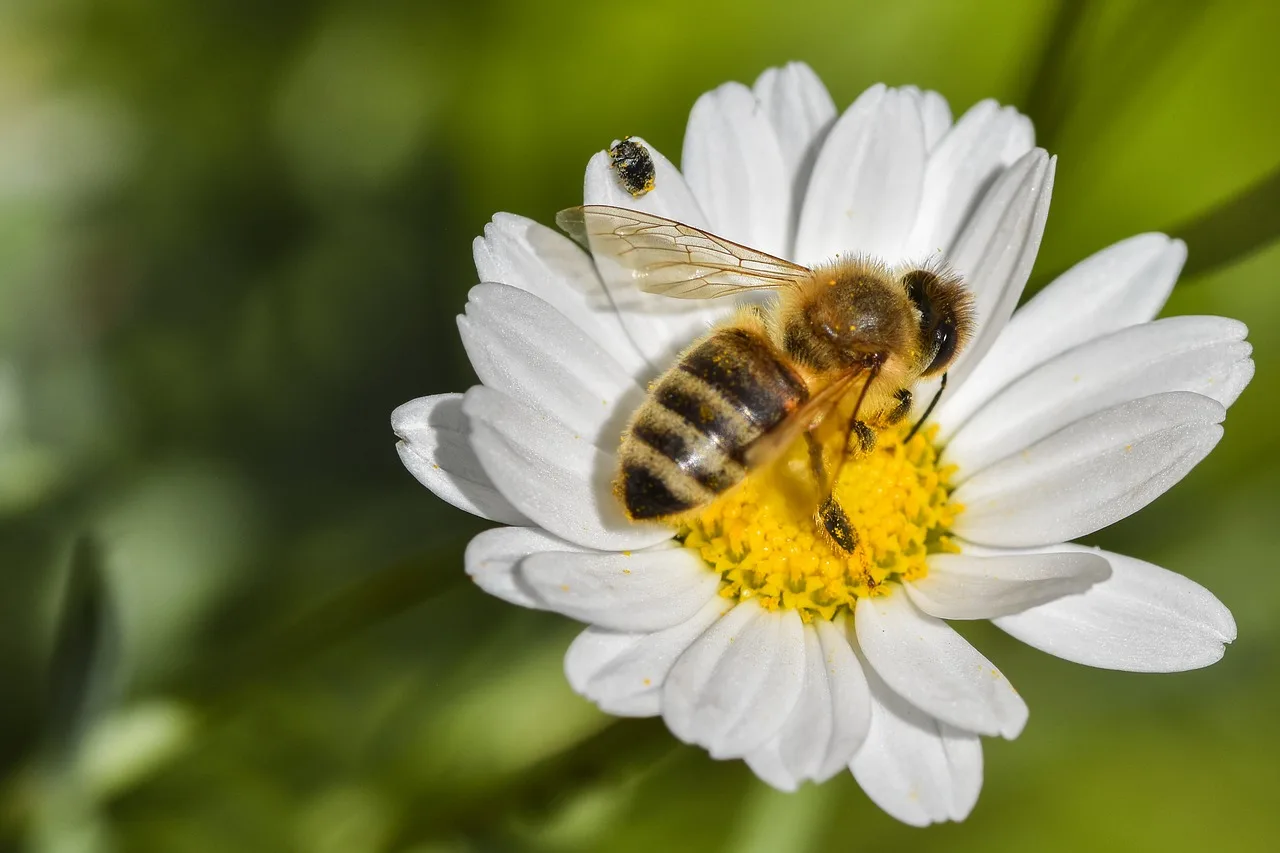
Çekim Tablosu
Belirtme (-i)tozu
Yönelme (-e)toza
Bulunma (-de)tozda
Çıkma (-den)tozdan
Tamlayan (-in)tozun
Çoğul (-ler)tozlar
Tanım
•isim: Çok küçük ve hafif parçacıklara bölünmüş toprak
•Çok küçük parçacıklara bölünmüş olan herhangi bir madde
•sıfat: Bu durumda olan
•isim, felsefe: Varlıklarda değişikliğe uğrayan taraf dışında değişmeden kalan şey; cevher
Atasözü & Deyim
“Yar, yakıldığı gün tozar”
Diğer Dillerde
Almancapulver, staub, substanz (nötr) /ˈpʊlvɐ/
powder (in most of its senses) · money
çekim: çoğul Pulvern · tamlayan Pulvers
köken: From Middle High German pulver, from Old High German pulver, from Proto-West Germanic *pulver (“powder”). Doublet of Puder.
aile: Backpulver, Brausepulver, Hustenpulver, Kakaopulver, Pulverfass, pulverförmig, Pulverqualm, Pulverturm, Pulverzünder, Schießpulver
Mach die Sause! — Toz ol!
FransızcaPoussière (dişil) /pu.sjɛʁ/
dust · speck of dust · very little; next to nothing
çekim: çoğul poussières
köken: Inherited from Old French pousiere, derived from pous, from Vulgar Latin *pulvus, neuter form derived from Latin pulvis m.
aile: et des poussières, faire les poussières, mordre la poussière, poussiéreux, prendre la poussière
Il y a beaucoup de poussière. — Çok tozlu.
des nuages de poussière cosmique
Si c'était à refaire […] je suivrais mes traces dans la poussière.
Ne reste-t-il que des poussières une fois que l'amour est absent ?
İspanyolcadesempolvar, espolvorear, limpiar el polvo, mugor, mugre, polvo /desempolˈbaɾ/
to dust off
çekim: geçmiş desempolvé · ortaç desempolvado · şimdiki desempolva
köken: From des- + empolvar.
Está todo cubierto de polvo. — Burası ne tozlu.
İtalyancapolvere, spolverare, sporco, sudiciume, terra (dişil) /ˈpol.ve.re/
dust, powder
çekim: çoğul polveri
eş: pulviscolo, polverone, abbandono, dimenticanza, oblio, frammenti
köken: Inherited from Latin pulverem, from Proto-Indo-European *pel- (“dust; flour”). Doublet of polve, from the Latin nominative pulvis. Akin to Sicilian prùvula.
aile: aspirapolvere, impolverare, mangiare la polvere, polvere d'oro, polvere da sparo, polvere di stelle, polvere pirica, polveri di ferro, polverizzare, polveroso
C'è così tanta polvere qui. — Burası ne tozlu.
Rusçaкорень, основа, основание, пыль, субстанция /pɨlʲ/
dust
çekim: tamlayan пы́ли
eş: прах
köken: Inherited from Proto-Slavic *pylъ. Cognate with Belarusian пыл (pyl), Polish pył, Ukrainian пил (pyl).
aile: пыли́нка, пыли́ть, пы́льник, пыльца́, пылесбо́рник, пылесо́сить, пылесо́с, пылеулови́тель, глота́ть пыль, пыль глота́ть
Мясорубка дьявола — Toz şeytanı
Meronym: пыли́нка (pylínka)
А потом солнечный бог высвободил стопу, поднял её — и спихнул Грыма в пыль своей сладко пахнущей сандалией.
earth, soil, ground, dust (organic material, sand, etc., which covers the land) · land, territory, soil
çekim: çoğul أَتْرِبَة · tamlayan تُرَابٍ
بذور الشيطان. — Toz şeytanı
أَرادَت أَن تَرْجِعَ إلَى تُرابِ الوَطَن.
earth · soil · dust
köken: From Middle Persian [Book Pahlavi needed] (hʾk' /xāk/), ultimately from Proto-Indo-European *h₂eHs-.
aile: خاکانداز
خامنهای ضحاک، میکشیمت زیر خاک.
dust
çekim: çoğul tozlar · tamlayan tozun
köken: Inherited from Old Anatolian Turkish طُوزْ (dōz), توز (tōz), from Proto-Common Turkic *tōz. Cognate with Azerbaijani torpaq.
aile: şəkər tozu, toz-torpaqlı, toz-torpaq, tozsoranlamaq, tozsoran
Kazakçaшаң /ʃɑŋ/
dust
köken: Cognate with Nogai шанъ (şañ), Kyrgyz чаң (caŋ), Kumyk чанг (çañ), Turkmen çaň, Crimean Tatar çañ, Uzbek chang, Uyghur چاڭ (chang, “dust”), etc.
Özbekçechang
Tatarcaтузан
dust
çekim: çoğul тузаныбыз · tamlayan тузанның
köken: From *tozañ (“dust; pollen; that which disperses in the air”), from Proto-Common Turkic *tōzan, from the verbal stem Proto-Common Turkic *tōz- (“to disperse in the air; get scattered”), parallel to the noun stem *tōz (“dust”). Compare to Bashkir туҙан (tuźan, “dust”), Kazakh тозаң (tozañ, “dust; pollen”), Uzbek to'zon (“dust”), Uyghur توزاڭ (tozang, “dust; pollen”), Turkmen tozan (“dust”).…
Олы юлның тузанын, ла / Үзем күрдем тузганын.
powder
çekim: çoğul poeders
köken: From Middle Dutch poeder, from Old French poudre, from Latin pulvis. Doublet of pulver (“powder”) and poer (“gunpowder”).
aile: afpoeieren, babypoeder, bakpoeder, bepoederen, cacaopoeder, chilipoeder, jeukpoeder, kerriepoeder, koffiepoeder, marcheerpoeder
Verbittering volgt. — Otozomal resesif kalıtılır.
to dust (to remove dust from)
çekim: geçmiş desempoei · ortaç desempoado · şimdiki desempoa
Isto está poeirento. — Burası ne tozlu.
Yunancaακαθαρσία, ξεσκονίζω, σκόνη (dişil)
impurity, dirt, filth · faeces, excrement
çekim: çoğul ακαθαρσίες · tamlayan ακαθαρσίας
Υπάρχει παντού σκόνη. — Burası ne tozlu.
clipping of ダートコース (dāto kōsu, “dirt course”)
köken: From English dirt.
有糸分裂を、終えたところなんだ — Bu hücre mitoz geçirdi.
Korece먼지 /mʌ̹ɲd͡ʑi/
dust
köken: First attested in the Seokbo sangjeol (釋譜詳節 / 석보상절), 1447, as Middle Korean 몬ᄌᆡ (Yale: mwòncòy).
aile: 먼지떨이, 미세먼지, 흙먼지
유사분열을 겪었습니다. — Bu hücre mitoz geçirdi.
dust
çekim: tamlayan damms
köken: From Old Swedish damb, dåm (“dust, steam”). Akin to Low German damp, Dutch damp, and Danish damp (“vapor, steam, fog”), German Dampf, Icelandic dampi, English damp (“moderately wet”), and to German dampf imperative of dimpfen (“to smoke”). Ultimately from Proto-Germanic *dampaz.
aile: dammkåpa, dammoln, dammråtta, dammsugare, dammtuss
Det är så dammigt. — Burası ne tozlu.
Lehçebrud, brudy, kurz, odkurzać, odkurzyć, proch (eril) /ˈbrut/
dirt, filth, grime
çekim: çoğul brudy · tamlayan brudu
eş: nieczystość, zanieczyszczenie, gnój, syf
köken: Etymology tree Proto-Slavic *brudъ Polish brud Inherited from Proto-Slavic *brudъ.
aile: brudno, brudny, brudzić
Ile tu kurzu. — Burası ne tozlu.
dirt, grime, filth
çekim: çoğul бру́ди · tamlayan бру́ду
köken: Inherited from Proto-Slavic *brudъ
aile: бру́ди́ти, брудни́й, брудо́та
Є найбільшим з тхорів. — Vatozların en büyüğüdür.
dirt, filth, stain, muck (foreign substance that makes something unclean)
çekim: çoğul liat · tamlayan lian
köken: From Proto-Finnic *lika, possibly borrowed from Proto-Germanic *slīką. Related to Estonian liga, Ingrian lika, Karelian lika /liga and Ludian lʹiga.
aile: liata, likainen, likautua, liko, irtolika, lianarka, likaahylkivä, likakaivo, likakerros, likapilkku
Onpa pölyistä. — Burası ne tozlu.
dust
çekim: çoğul prachy · tamlayan prachu
köken: Inherited from Old Czech prach, from Proto-Slavic *porxъ, ultimately from Proto-Indo-European *pers-.
aile: prachovka
Veterinární protozoologie. — Veteriner Protozooloji.
Rumencecolb, curăța praful, mizerie, murdărie, pământ, praf (nötr)
dust
çekim: çoğul colburi · tamlayan colbului
köken: Unknown.
Uitã-te la tot praful ãsta! — Amma tozluymuş içerisi!
earth, land · plot, estate, a piece or stretch of land · soil, dirt
çekim: çoğul földek
köken: Of uncertain origin, perhaps a derivation. One explanation is that it is from föl (“the upper part of something”) + -d (nominal suffix, originally diminutive suffix). For similar derivation, compare gyenge (“weak”) > gyengéd (“gentle”).
aile: földecske, földel, földes, földi, földség, földtelen, földabrosz, földadó, földalap, földalatti
Minden tiszta por. — Çok tozlu.
İbraniceאָבָק, לִכְלוּךְ, עָפָר
עבר מיטוזה. — Bu hücre mitoz geçirdi.
dirt, filth, mud, mire
çekim: çoğul caena · tamlayan caenī
köken: Uncertain – usually derived from Proto-Indo-European *ḱʷeyn- (“to soil; mud; filth”). According to Pokorny, cognate with inquinō, obscēnus, cūniō and English whin.
aile: caenōsus, caenulentus
dust (fine, dry particles)
çekim: tamlayan støvs
köken: From Middle Low German stof, from Old Saxon *stiof, from Proto-Germanic *stubą, *stuba, derived from the verb *steubaną (“to smoke”). Swedish stoft is also borrowed from Low German. The Danish form has taken over the vowel from the verb støve.
aile: guldstøv, husstøv, kalkstøv, melstøv, stjernestøv, støvfilter, støvfri, støvfyldt, støvgener, støvgrå
Der er så støvet. — Burası ne tozlu.
Etimoloji
From Ottoman Turkish توز (toz), from Old Anatolian Turkish طُوزْ (dōz), توز (tōz) from Proto-Common Turkic *tōz. Cognate with Azerbaijani toz, Gagauz tooz, Old Uyghur [script needed] (toz) and further with Bashkir туҙан (tuźan).
Deyimler
Eş & Zıt Anlamlılar
Örnek Cümleler
Toz ol!
Scram!
Toz ol.
Take a hike.
Çok tozlu.
It's so dusty.
Hava tozlu.
It is dusty.
Garaj tozlu.
The garage is dusty.
O tozu sildi.
She brushed away the dust.
Toz yaratmayın!
Don't create dust!
Masada toz var.
There's dust on the table.
Tom toz alıyor.
Tom is dusting.
Ev çok tozluydu.
The house was very dusty.
Kar toz halinde.
The snow is powdery.
Rafın tozunu sil.
Dust off the shelf.
İlgili Sorular
Zaman yolculuğu deneyinde ip, kabartma tozu ve cep bıçağıyla ne tür uygulamalar yapılabilir?
9/11 terör saldırılarında iki uçak nasıl üç büyük yapıyı toza dönüştürebilir?
8. sınıf fizik‑bilim projesi kapsamında 30 saniyelik gecikmeyle bir rampadan topu harekete geçirecek bir tetik mekanizması arıyoruz. Kabartma tozu ve sirke ile bir mantar fırlatmayı, ayrıca kumla yavaş yavaş boşalan bir karşı ağırlığı denedik fakat işe yaramadı. Hangi alternatifleri deneyebiliriz?
Instant espresso tozunu satın alabileceğim yer neresi?
Bu iki soruya yardımcı olabilir misiniz? Bir bitki ıslahı çalışmasında kırmızı çiçekli bir bitki ile beyaz çiçekli bir bitki çaprazlanarak tüm pembe çiçekli (F1 nesli) elde edildi. Kendine tozlaşma sonucu F2 neslinde 148 kırmızı, 300 pembe ve 154 beyaz çiçekli bitki ortaya çıktı. Soru 1: F2 neslinde kırmızı:pembe:beyaz oranı yaklaşık olarak hangi seçenektir? a) 1:1:1 b) 1:2:1 c) 1:3:1 d) 1:4:2. Soru 2: Pembe F1 bitkilerinden biri beyaz çiçekli ebeveyniyle çaprazlandığında beklenen nesil nasıl olur?
İlgili / Bileşik Terimler
Geneldirt
Genelduststorm
Genelmatcha
Genelpaprika powder
Birleşik Kelimeler
toz bezitoz boyatoz bulututoz dumantoz fırçasıtozkoparantoz mantarıtoz maskesitozpembetoz sabuntoz şekertoz toprakbıçkı tozubulaşık tozuçiçek tozudavultozukabartma tozukurtayağı tozulimon tozuOltu tozusabun tozusüt tozuzımpara tozu