Sözlük
/tahta
tahta
"tahta" kelimesinin İngilizcesi: board, stick, wood, wooden, board. Anlamı, çevirisi, telaffuzu ve örnek cümleler aşağıdadır.
Çeviri
Genelboardnoun
Genelstick
Genelwood
Genelwooden
Genelboard
Genelboard
Genelwood
Genelwooden
Genelblackboard
Genelblackboard
Genelboard
Genelwood
Genelwooden
Görsel

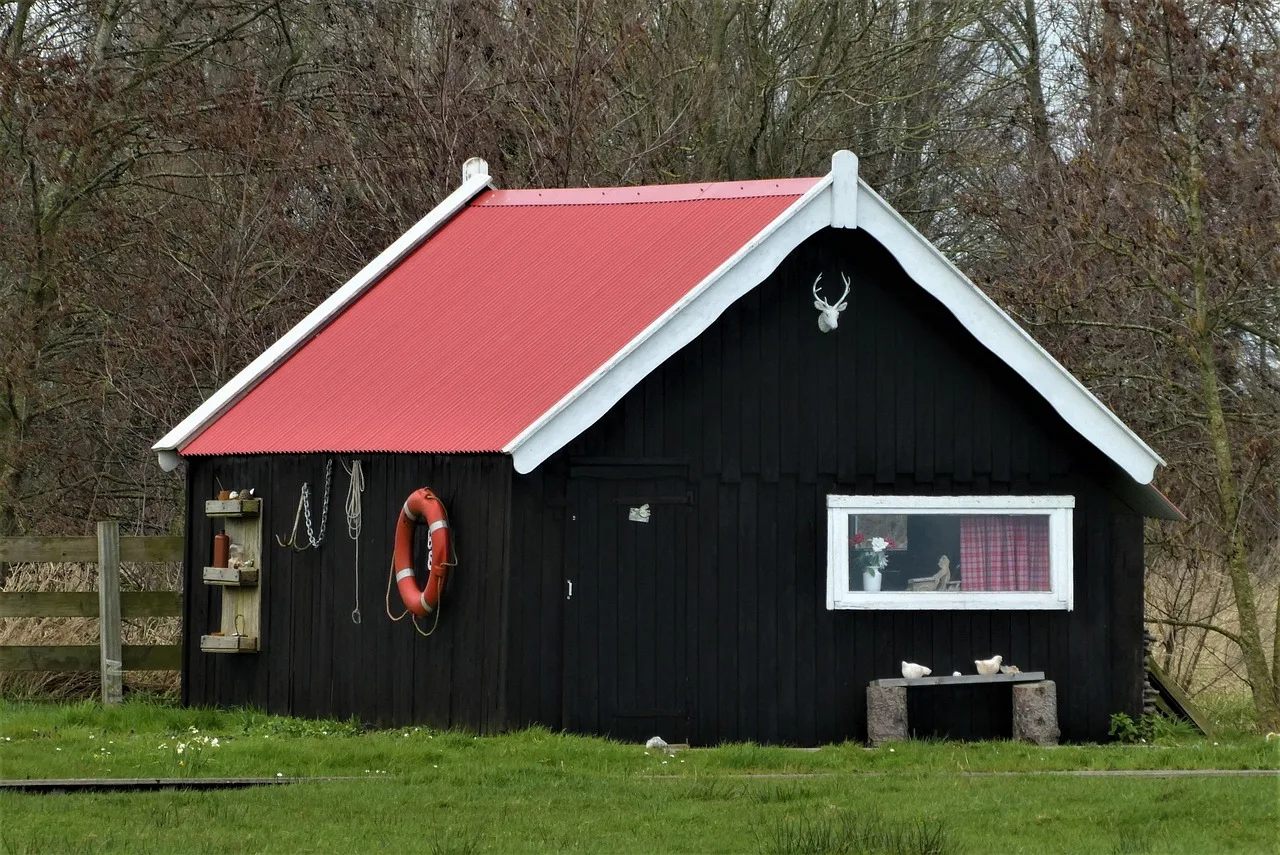
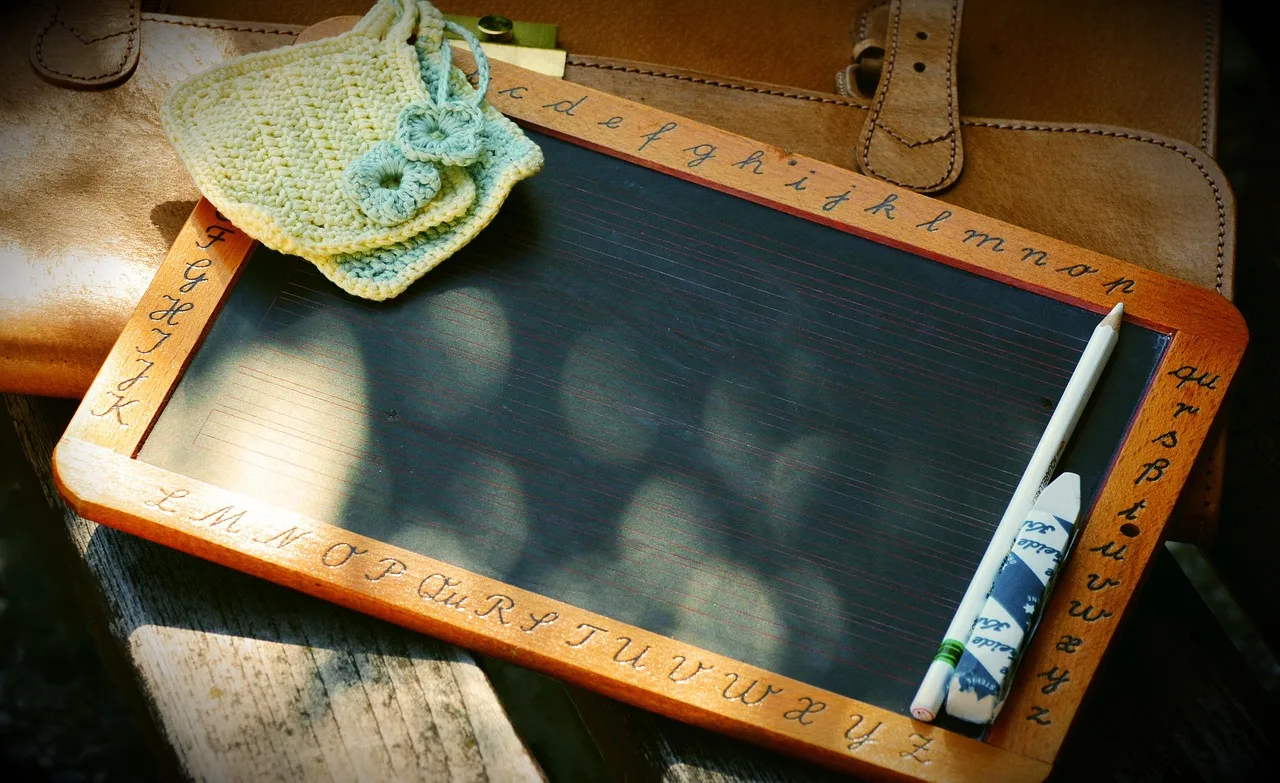

Çekim Tablosu
Belirtme (-i)tahtayı
Yönelme (-e)tahtaya
Bulunma (-de)tahtada
Çıkma (-den)tahtadan
Tamlayan (-in)tahtanın
Çoğul (-ler)tahtalar
Tanım
•isim: Çeşitli işlerde kullanılmak üzere düz, enlice, uzun ve az kalın biçimde işlenmiş ağaç parçası
•sıfat: Bu ağaçtan yapılmış
•Bu parçaların zemine döşenmesiyle meydana gelen alan
•Bahçelerde sebze ve çiçek yetiştirmek için ayrılmış küçük yerlerden her biri; tarh
•Sınıflarda yazı yazmaya yarayan siyah, yeşil veya beyaz renkli yüzey; kara tahta
•Çimlenen tohumlar için bahçede hazırlanan uzun tarh
Atasözü & Deyim
“Çürük tahta çivi (mıh) tutmaz”
“Baskısız tahtayı yel alır, yel almazsa sel alır”
Diğer Dillerde
Almancablei (nötr) /blaɪ̯/
lead (chemical element - Pb, atomic number 82)
çekim: tamlayan Bleies
köken: From Middle High German blī, from Old High German blīo, from Proto-West Germanic *blīwī.
aile: bleiartig, bleihaltig, bleifarben, bleiern, verbleien
& Brett — & Tahta
wood (substance making up the central part of the trunk and branches of a tree) · wood (wood of a particular species of tree) · wood, woodland (forested or wooded area)
eş: xylème secondaire, xylographie
köken: Inherited from Middle French boys, from Old French bois, from Early Medieval Latin boscus (“grove”), borrowed from Frankish *busk, from Proto-Germanic *buskaz.
aile: Belle au bois dormant, bois de bombarde, bois de chauffage, bois de chauffe, bois de corail, bois de joli cœur, bois de justice, bois de mangue marron, bois d'œuvre, bois maigre
Plateau — & Tahta
İspanyolcaabordar, acertar, achuntar, astilla, atascarse, atinar /aboɾˈdaɾ/
to address, to broach, to approach, to discuss, to touch on (e.g. a subject, issue, topic, point) · to tackle, to deal with, to confront, to approach, to grapple with (e.g. a problem, a challenge) · to accost, to waylay
çekim: geçmiş abordé · ortaç abordado · şimdiki aborda
eş: tratar, acometer
köken: From a- + bordo + -ar.
aile: abordador, abordaje
Tablero — & Tahta
İtalyancaabbordare, asse, asta, attaccare, attaccarsi, barra di controllo /ab.borˈda.re/
to capture (an enemy ship) by going alongside and grappling her, then invading her with a boarding party · to collide with (a ship) · to go alongside (a ship) in order to load and unload passengers or goods
çekim: geçmiş abbordàto · ortaç abbordàto · şimdiki abbórda · ulaç abbordànte
eş: accostare, assalire, assaltare, attaccare, avvicinare, investire
köken: Borrowed from French aborder.
& Tavoliere — & Tahta
Rusçaдеревянный /dʲɪrʲɪˈvʲanːɨj/
wood; wooden · woody, ligneous
eş: скованный, напряжённый
köken: First attested in year 1615. From деревяный (derevjanyj) + -ный (-nyj). Secondary form is also attested in Old Czech dřevěnný (beside dřěvěný, dřěvený, drěvený?, dřevený) and dial. Polish drzewianny (beside obs. drzewiany).
aile: деревя́нность
& Доска — & Tahta
деревя́нное ма́сло
Farsçaچسبیدن /t͡ʃʰæs.biː.d̪ǽn/
to stick, to be stuck, to adhere · to cling, to grasp
çekim: geçmiş چسبید · ortaç چسبیده · şimdiki میچسبد · ulaç چسبنده
köken: Inherited from Classical Persian چسپیدن (časpīdan).
to sink · to dip · to smirch
çekim: geçmiş batırmış · ortaç batırmış · şimdiki batırır
köken: From bat- + -ır.
gəmini batırmaq
peronu mürəkkəbə batırmaq
adını batırmaq
stick (piece of wood) · asatayak (a traditional Kazakh percussion instrument)
çekim: çoğul асатаяқтар · tamlayan асатаяқтың
eş: таяқ, сойыл
köken: From Arabic عَصًا (ʕaṣan, “stick”) + таяқ (taäq, “stick”).
Felemenkçehout, plank, schoolbord (nötr) /ɦɑu̯t/
wood (material) · particular kind of wood · piece of wood, stick
çekim: çoğul houten
köken: From Middle Dutch hout, from Old Dutch holt, from Proto-West Germanic *holt, from Proto-Germanic *hultą.
aile: berkenhout, bos hout voor de deur, brandhout, eikenhout, geriefhout, hardhout, hout snijden, houtachtig, houten, houterig
& Bord — & Tahta
Dit gebouw is van hout.
Teak is een gewaardeerd hout.
Portekizceaderir, aguentar, alavanca, aléu, bengala, colar /a.deˈɾi(ʁ)/
to adhere · to join, to enter
çekim: geçmiş aderi · ortaç aderido · şimdiki adere
köken: Borrowed from Latin adhaerēre, with change of conjugation.
Tabuleiro — & Tahta
A equipa vai aderir aos objetivos da Liga.
O país quer aderir à Zona de Schengen.
κομμένο λεπτό κλαδί χωρίς φύλλα
& Ταμπλό — & Tahta
a stick, such as lipstick or a hockey stick · drumstick
köken: Borrowed from English stick.
ボード(B) — & Tahta
スティック回し
Korece나무의
판:% 1 — Tahta:% 1
board (enter a ship) · enter (appear on a stage or similar)
çekim: geçmiş äntrade · ortaç äntrad · ulaç äntrande
köken: Borrowed from Dutch enteren, from French entrer. Doublet of entré.
aile: äntring
& Bräde — & Tahta
Lehçeabordażować, burta, dokonać abordażu, dokonywać abordażu, drążek, gałązka /a.bɔr.daˈʐɔ.vat͡ɕ/
to board (to (at least attempt to) capture an enemy ship by going alongside and grappling her, then invading her with a boarding party)
çekim: geçmiş abordażowano · şimdiki abordażuje
köken: Etymology tree French a- French bord Proto-Italic *-āzi ▲ Latin -ereinflu. Latin -āre Old French -ier Middle French -er French -er French aborder Proto-Indo-European *-h₂ Proto-Indo-European *-éh₂ Proto-Indo-European *-tós Proto-Indo-European *-eh₂tos Proto-Italic *-ātos Latin -ātus Proto-Indo-European *-ikos Proto-Italic *-ikos Latin -icus Latin -āticus Latin -āticum Old French -age Middle…
& Stół — & Tahta
to be stopped, to stop · to be stuck, jammed, entangled · to falter
çekim: geçmiş अटकता · şimdiki अटकता है
köken: Hindi verb set अटकना (aṭaknā) अटकाना (aṭkānā) अटकवाना (aṭakvānā) Etymology tree Proto-New Indo-Aryan *𑀅𑀟𑀇 (*aḍaï) Hindi अटकना Inherited from Proto-New Indo-Aryan *अट्टक्कइ (aṭṭakkaï), from *𑀅𑀝𑁆𑀝- (*aṭṭa-) + -𑀓𑁆𑀓- (-kka-), related to Hindi अड़ना (aṛnā, “to be stubborn”). Ultimately probably derived from Dravidian. Cognate with Punjabi ਅਟਕਣਾ (aṭakṇā), Gujarati અટકવું (aṭakvũ), Marathi अडकणे…
गाड़ी रास्ते में अटक गई।
पेड़ पर मेरी पतंग अटक गई।
बोलते-बोलते अटकना
Finceastua, buugi, entrata, epäröidä, hallitus, halssi /ˈɑstuɑˣ/
to step (on), tread (on), pace, stride · to enter, step (in/into) · to mount, serve, breed, cover, sire
çekim: geçmiş astunut · şimdiki astuu · ulaç astuva
köken: From Proto-Finnic *astudak (compare Estonian astuma, Karelian aštuo), from the same root as askel (“step”).
aile: aste, astin, astuin, astuja, astuminen, astunta, asti, astahtaa, astella, astuskella
& Lauta — & Tahta
Astukaa eteenpäin.
Astuin lasinsiruun.
Sinne en enää jalallani astu!
to stab · to sting (about insect)
çekim: geçmiş bodala · ortaç bodala · şimdiki bodá
köken: Inherited from Proto-Slavic *bodati, from earlier *bodìti, from Proto-Balto-Slavic *bádīˀtei. Displaced Old Czech bósti, from which today archaic bůst.
aile: bodavý, bodláčí, bodný, bodák, bodec, bodlák, bodlina, bodlo
& Deska — & Tahta
to suspend, to hang · to hook · to pick up, to seduce (romantically)
çekim: geçmiş agățat · ortaç agățat · şimdiki agață
köken: From a- + Vulgar Latin *accaptiāre, from a- + *captiāre, from Latin captus. Compare Aromanian acats.
aile: agățare, agățătoare, agațament
& Tablă — & Tahta
Macarcaág, beakad, beszáll, beszorul, bizottság, bot /ˈaːɡ/
branch
çekim: çoğul ágak
köken: From Proto-Finno-Ugric *šaŋka. Cognates include Northern Mansi таг (tag, “twig, branch”).
aile: áganként, ágas, ágastul, ágazat, ágazik, ágú, ágrólszakadt, faág, iparág, oldalág
& Tábla — & Tahta
manual
köken: יד (yad, “hand”) + ־ני (-ní)
& לוח — & Tahta
Latincebaculum, bastum, caduceus, conscendō, faciō haerēre, figicō /ˈba.kʊ.ɫũː/
walking stick, cane, staff · sceptre, rod, verge (staff of office) · stick, cudgel
çekim: çoğul bacula · tamlayan baculī
köken: Uncertain, though probably loaned from a non-Indo-European substrate. The term is possibly cognate with Proto-Slavic *bokъ, Proto-Celtic *bakkos, Ancient Greek βάκτρον (báktron), and Proto-West Germanic *pagil. Based on these forms, the Proto-Indo-European root *bak- has been reconstructed. The term could be construed as a derivative of Proto-Indo-European *bak-tlom, although De Vaan postulates a…
aile: bacillum, bacillus, baculāris, imbēcillus
Dancabestyrelse, bræt, gearstang, kæp, kvist, pind (nötr)
management (group of people in charge of an organization)
çekim: çoğul bestyrelser · tamlayan bestyrelses
köken: bestyre + -else
& Bræt — & Tahta
Sjakkbrett — Dama Tahtası
Endonezcebatang, menempel, ranting, tongkat /ˈbataŋ/
log (the trunk of a dead tree, cleared of branches) · staff, bar (any long, thin object) · branch (any of the parts of something that divides like the branch of a tree)
çekim: çoğul batang-batang
köken: Inherited from Malay batang, from Proto-Malayic *bataŋ, from Proto-Malayo-Polynesian *bataŋ. * Semantic loan from Banjarese for bathing, washing and toilet areas on the river bank are made from large wooden beams tied together to resemble a raft. * Semantic loan from Malay (Riau dialect) for ship steering link. * Semantic loan from Bacanese Malay for a large collection of wood floating in the…
aile: batangan, berbatang, sebatang, batang air, batang bor, batang bunga, batang buruk, batang garing, batang hari, batang hidung
Semoga terkabul... — Vur tahtaya...
Bulgarcaбасту́н, борд, взимам на абордаж, дъска́, забождам, запазвам се /zɐˈbɔʒdɐm/
to stick (in) · to stab · to pin (to, on)
çekim: geçmiş none · ortaç забо́ждан · şimdiki забо́жда · ulaç забо́ждащ
& Дъска — & Tahta
Slovakçadoska, komisia, mantinel, nastúpiť, nastupovať, palica (dişil) /dɔska/
board, plank (piece of wood)
köken: Etymology tree Proto-Slavic *dъska Slovak doska Inherited from Proto-Slavic *dъska.
& Doska — & Tahta
Etimoloji
Farsça تخته (fa)
Deyimler
Eş & Zıt Anlamlılar
Örnek Cümleler
& Tahta
& Board
Tahta:% 1
Board: %1
Yeni tahta
New board
Tahtayı aç
Open board
Tahta Sütun
Wood Block
Tahta yüzer.
Wood floats.
Tahtaya vur!
Touch wood!
Dama tahtası
Checkerboard
Tahta Boyutu
Board Size
Tahta Düzeni
Board Layout
Oyun Tahtası
Game Board
Tahta çıkışı
Accession
İlgili Sorular
Tahta yürüyüş yolunda yükseltilen bölüme ne denir?
Tahta tüfek sapını kamufle ettirmek için nerelere gönderebilirim?
Antik tahta pullukların yüksek çözünürlüklü görsellerini nerede bulabilirim?
Prens Charles’ın tahta çıkışı hangi tarihte olacak?
Tahta yürüyüş yolunda yükseltilmiş bölümün adı ne olabilir?
İlgili / Bileşik Terimler
Genelfurniture beetle
Genelwoodwind instrument
Genelwoodwind instrument
Birleşik Kelimeler
tahta bititahtaboştahta göğüstahta havaletahta kaşıktahta kurdutahtakurusutahta pabucutahta pamuktahta perdetahta sakaltahtası eksikkara tahtaöz tahtapeştahtasuni tahtataş tahtabir tahtadaahenk tahtasıatlama tahtasıaynalık tahtasıbaşlama tahtasıborsa tahtasıcan tahtasıdama tahtasıdeneme tahtasıduyuru tahtasıekmek tahtasıgöğüs tahtasıhamur tahtasıilan tahtasıiman tahtasıirtifa tahtasıkapak tahtasısatranç tahtasısıçrama tahtasısilme tahtasısofra tahtasısörf tahtasıstep tahtası