Sözlük
/kereste
kereste
"kereste" kelimesinin İngilizcesi: lumber, timber, board, swine, wood. Anlamı, çevirisi, telaffuzu ve örnek cümleler aşağıdadır.
Çeviri
Ticaretlumbernoun
Ticarettimbernoun
Genelboard
Genelswine
Genelwood
Genellumber
Genellumber
Genellumber
Görsel
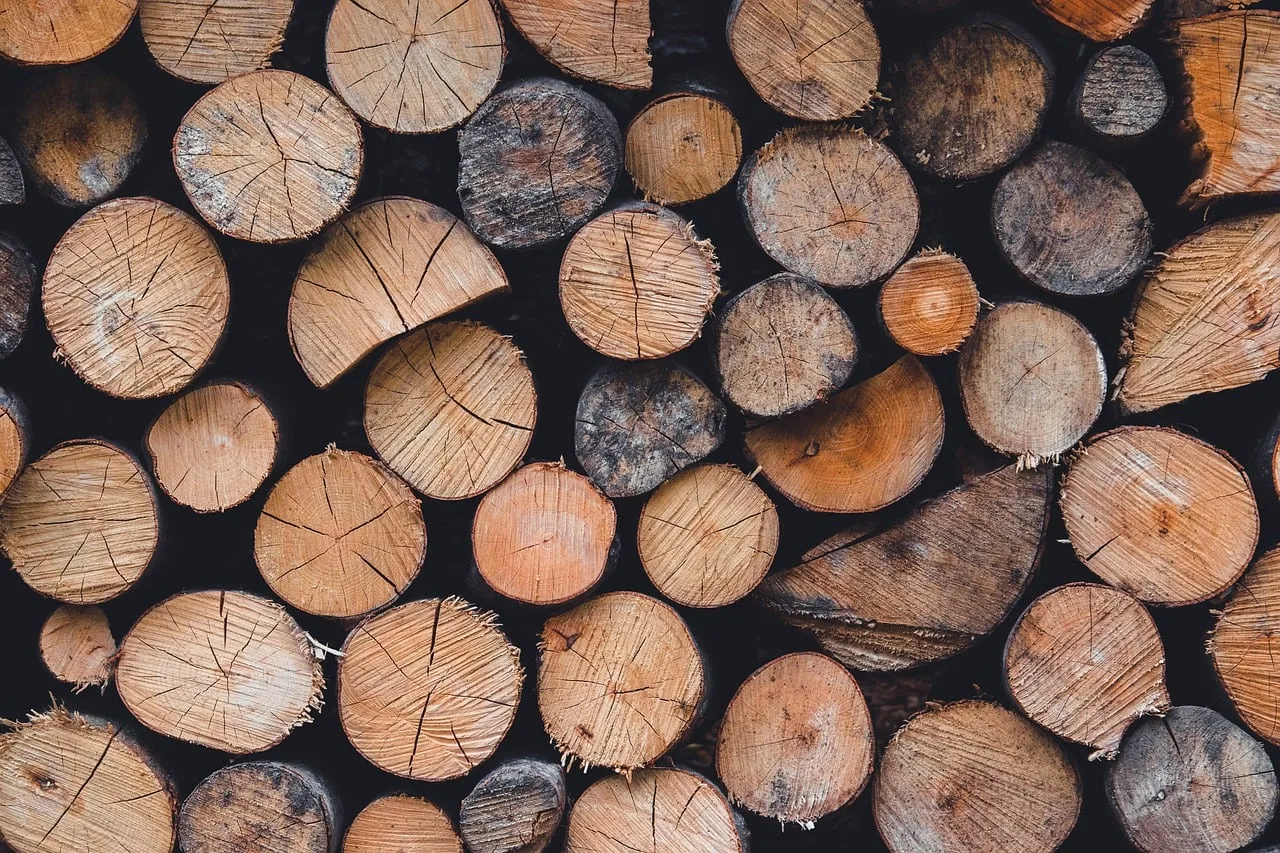
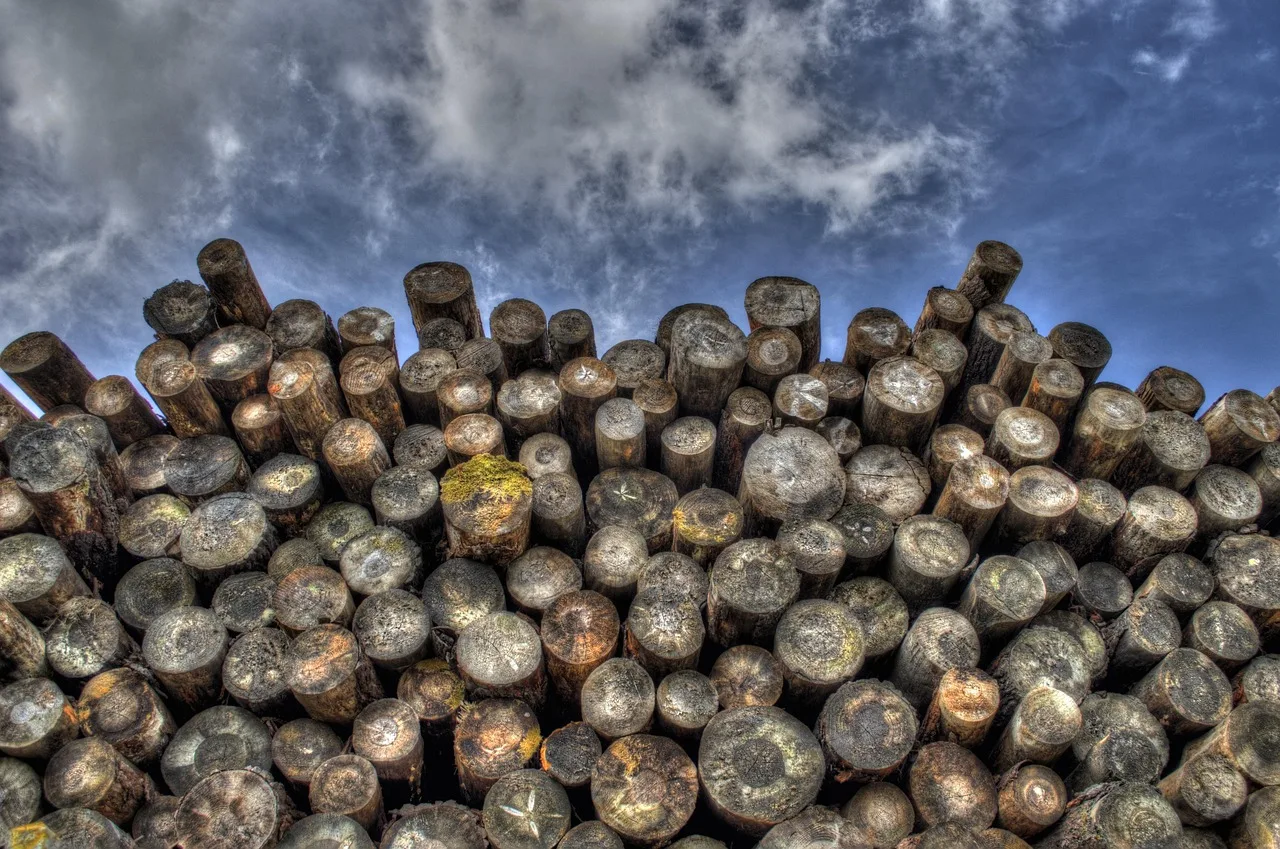
Çekim Tablosu
Belirtme (-i)keresteyi
Yönelme (-e)keresteye
Bulunma (-de)kerestede
Çıkma (-den)keresteden
Tamlayan (-in)kerestenin
Çoğul (-ler)keresteler
Tanım
•isim: Tomrukların boyuna biçilmesiyle elde edilen ve marangozlukla inşaatta kullanılan nitelikli ağaç
•Ayakkabı yapımında kullanılan gereç
•mecaz: kalas
Diğer Dillerde
Almancaholz (nötr) /hɔl(t)s/
wood (material) · a particular kind of wood · a piece of wood, usually small
çekim: çoğul Hölzer · tamlayan Holzes
eş: Xylem, Gehölz, Wäldchen, Busch, Tännicht
köken: From Middle High German holz, from Old High German holz, from Proto-West Germanic *holt, from Proto-Germanic *hultą. Compare English holt (“thicket, copse; an otter's den”).
aile: holzartig, holzen, Holzer, Holzerei, hölzern, holzhaltig, holzig, Holzung, verholzen
Wir mussten am Holz arbeiten. — Kereste üzerinde çalışmalıydık.
Fransızcaaborder, bois, bois de chauffage, bord, compteur, conseil d'administration /a.bɔʁ.de/
to deal with; to tackle; to approach a problem, situation or topic · to approach or meet somebody · to place side to side
çekim: geçmiş abordé · ortaç abordé · şimdiki aborde · ulaç abordant
eş: accoster, heurter
köken: From a- + bord + -er.
Il nous fallait travailler sur le bois d'oeuvre. — Kereste üzerinde çalışmalıydık.
to address, to broach, to approach, to discuss, to touch on (e.g. a subject, issue, topic, point) · to tackle, to deal with, to confront, to approach, to grapple with (e.g. a problem, a challenge) · to accost, to waylay
çekim: geçmiş abordé · ortaç abordado · şimdiki aborda
eş: tratar, acometer
köken: From a- + bordo + -ar.
aile: abordador, abordaje
Es madera de la Comisión Forestal Noruega. — Bu Norveç Orman Birliği kerestesi.
İtalyancaabbordare, asse, bosco, comitato, consiglio di amministrazione, fiancata /ab.borˈda.re/
to capture (an enemy ship) by going alongside and grappling her, then invading her with a boarding party · to collide with (a ship) · to go alongside (a ship) in order to load and unload passengers or goods
çekim: geçmiş abbordàto · ortaç abbordàto · şimdiki abbórda · ulaç abbordànte
eş: accostare, assalire, assaltare, attaccare, avvicinare, investire
köken: Borrowed from French aborder.
Dovevamo lavorare sul legname. — Kereste üzerinde çalışmalıydık.
board, side · aircraft, flight · breast (of a jacket or coat)
çekim: çoğul борта́ · tamlayan бо́рта
köken: First attested in 1688 in the nautical sense. Borrowed from Dutch boord or German Bord. Further from Proto-Germanic *burdą.
aile: бортова́ть, бортану́ть, бортово́й, забо́ртный, бортжурна́л, бортинжене́р, бортпроводни́к, -бо́ртный:, высокобо́ртный, двубо́ртный
Нам нужно было работать с пиломатериалом. — Kereste üzerinde çalışmalıydık.
wood, lumber, timber
çekim: çoğul أَخْشَاب · tamlayan خَشَبٍ
كان ينبغي لنا العمل على الأخشاب. — Kereste üzerinde çalışmalıydık.
forest, wood, jungle
köken: From Middle Persian [script needed] (wyšk' /wēšag/). Cognate to Central Kurdish بیشە (bîşe, “forest”) and Northern Kurdish bîşe (“forest”), Related to Latvian mežs (“forest”), Proto-Slavic *meďà (“boundary of a field”) and the borrowed Proto-Finnic *meccä (“forest”), Ottoman Turkish میشه (meşä, “forest”), Azerbaijani meşə (“forest”), ultimately going back to Proto-Indo-European *médʰyos…
tree · wood, timber · stick, walking-stick, staff
çekim: çoğul ağaclar · tamlayan ağacın
köken: From Proto-Turkic *ïgač. Cognate with Turkish ağaç.
tree
çekim: çoğul ағаштар · tamlayan ағаштың
köken: From Proto-Turkic *ïgač.
aile: ағашшы, жұпарағаш, қандыағаш, тісағаш
tree · wood
çekim: çoğul агачлар · tamlayan агачның
köken: From Proto-Turkic *ïgač.
Felemenkçeaan boord gaan, bebossen, controlebord, enteren, hout, houtsoort /bəˈbɔsə(n)/
to forest
çekim: geçmiş bebosten · ortaç bebost · şimdiki bebost · ulaç bebossend
köken: From bos + be- -en.
aile: bebossing, herbebossen
De hars is waardevol. — Kerestesi çok değerlidir.
Portekizcecomitê, conselho, despesa, diária, florestar, hospedar (eril) /ko.miˈte/
Brazilian Portuguese standard form of comité
çekim: çoğul comitês
eş: comissão, delegação, junta, reunião
Tínhamos de trabalhar em madeira. — Kereste üzerinde çalışmalıydık.
Yunancaδάσος, διατροφή, επιτροπή, ξύλα, ξυλεία, ξύλο (nötr) /ˈða.sos/
wood, forest
çekim: çoğul δάση · tamlayan δάσους
köken: Inherited from Ancient Greek δάσος (dásos), from δασύς (dasús, “thick, bushy”). Compare typologically English thicket, Russian ча́ща (čášča), akin to ча́стый (částyj).
Αυτό είναι από ξύλο της Νορβηγικής Δασοκομικής Επιτροπής. — Bu Norveç Orman Birliği kerestesi.
Ρομπέν των Δασών
board (long, flat object) · board (a long piece of wood used in construction) · board (a committee)
köken: From English board.
大豆に取り組むべきだったのです — Kereste üzerinde çalışmalıydık.
wood; log; timber (Classifier: 塊/块 m)
巨型木嵌板就似嗰塊有廿四點嘅積木 — Dev kereste paneller işte o 24 noktalı parçalar.
tree · wood
eş: 목본, 목, 시목, 목재
köken: First attested as Late Old Korean 南記, 南木 (*namki) in the Jīlín lèishì (鷄林類事 / 계림유사), 1103. See the Middle Korean entry for more information. In the Hangeul script, first attested as Middle Korean 나모 (nàmwò) in the Yongbi eocheon'ga (龍飛御天歌 / 용비어천가), 1447. The Middle Korean word had two allomorphs, surfacing as 나모 (nàmwò) in isolation or when followed by a consonant-initial suffix and as 나ᇚ (nàmk-)…
aile: 가시나무, 개암나무, 국수나무, 꿈나무, 나무껍질, 나무꾼, 나무늘보, 나무딸기, 나무줄기, 나무하다
통나무에 관련된 일 — Kereste üzerinde çalışmalıydık.
나무는 종이를 만드는 재료로 쓰인다.
최근의 어느 바람 불던 날, 수백명의 방문객이 빙하 앞에서 사진을 찍으려고 나무 계단을 올라갔다.
board (enter a ship) · enter (appear on a stage or similar)
çekim: geçmiş äntrade · ortaç äntrad · ulaç äntrande
köken: Borrowed from Dutch enteren, from French entrer. Doublet of entré.
aile: äntring
Det här är trä från Norska skogskommissionen. — Bu Norveç Orman Birliği kerestesi.
Lehçeabordażować, bór, burta, dokonać abordażu, dokonywać abordażu, drewno /a.bɔr.daˈʐɔ.vat͡ɕ/
to board (to (at least attempt to) capture an enemy ship by going alongside and grappling her, then invading her with a boarding party)
çekim: geçmiş abordażowano · şimdiki abordażuje
köken: Etymology tree French a- French bord Proto-Italic *-āzi ▲ Latin -ereinflu. Latin -āre Old French -ier Middle French -er French -er French aborder Proto-Indo-European *-h₂ Proto-Indo-European *-éh₂ Proto-Indo-European *-tós Proto-Indo-European *-eh₂tos Proto-Italic *-ātos Latin -ātus Proto-Indo-European *-ikos Proto-Italic *-ikos Latin -icus Latin -āticus Latin -āticum Old French -age Middle…
Powinniśmy byli zająć się drewnem. — Kereste üzerinde çalışmalıydık.
Ukraynacaдеревина́, до́шка, дро́ва, керівни́цтво, коміте́т, ліс /lʲis/
forest, woods
çekim: çoğul ліси́ · tamlayan лі́су
köken: From Proto-Slavic *lěsъ (“tree, forest”).
aile: лісопа́рк
Це - дерево, вирощене на замовлення у Норвегії. — Bu Norveç Orman Birliği kerestesi.
wood
çekim: çoğul काठों
köken: Inherited from Prakrit कट्ठ (kaṭṭha), from Sanskrit काष्ठ (kāṣṭha).
Finceastua, buugi, entrata, hallitus, halssi, istuttaa metsää /ˈɑstuɑˣ/
to step (on), tread (on), pace, stride · to enter, step (in/into) · to mount, serve, breed, cover, sire
çekim: geçmiş astunut · şimdiki astuu · ulaç astuva
köken: From Proto-Finnic *astudak (compare Estonian astuma, Karelian aštuo), from the same root as askel (“step”).
aile: aste, astin, astuin, astuja, astuminen, astunta, asti, astahtaa, astella, astuskella
Elintarvikkeiden, kuidun, puun ja rakennetun alueen jalanjälki — Gıda, Lif, Kereste ve Bina Ayak İzi
Astukaa eteenpäin.
Astuin lasinsiruun.
Sinne en enää jalallani astu!
board (relatively long, wide and thin piece of sawn wood or similar material, usually intended for use in construction) · plate, disk (flat, round/square piece of some material) · record, platter (device for recording sound and playing back on a record player)
çekim: çoğul desky · tamlayan desky
eş: gramodeska
köken: Inherited from Old Czech dska, from Proto-Slavic *dъska.
Dřevo z norského úřadu lesního hospodářství. — Bu Norveç Orman Birliği kerestesi.
fotografická deska
tektonická deska
gramofonová deska
Rumencecodru, lemn, pădure, scândură, teren păduros (eril) /ˈko.dru/
woods, forest · a large piece or portion of food, such as of bread, cheese, etc.
çekim: çoğul codri · tamlayan codrului
köken: Inherited from Vulgar Latin *codrum.
Trebuia să ne concentrăm pe cherestea. — Kereste üzerinde çalışmalıydık.
to get in (-ba/-be) · to fly in (-ba/-be)
çekim: geçmiş beszálltak
köken: be- + száll
aile: beszállás
A fa a Norvég Erdészeti Bizottságtól származik. — Bu Norveç Orman Birliği kerestesi.
Beszálltam a kocsiba.
A madár beszállt a szobába.
נראה שמדובר בביקור בביתו של רע"א. — İmam evine kereste oldu.
firewood · wood tissue · tree
çekim: çoğul ligna · tamlayan lignī
köken: From Proto-Italic *legnom, from Proto-Indo-European *leǵ-no-m (“that which is collected”), from *leǵ- (“to collect”), with the Italic form interpreted as "wood collected for firemaking". An alternative derivation from Proto-Indo-European *legʰ- (“to lie”), and associated interpretation as "stray wood", seems equally possible, phonetically and semantically.
aile: lignāmen, lignārius, lignātiō, lignātor, ligneolus, ligneus, lignicolor, lignor, lignōsus
Dancabestyrelse, bræt, råd, træ (nötr)
management (group of people in charge of an organization)
çekim: çoğul bestyrelser · tamlayan bestyrelses
köken: bestyre + -else
Den største industrivirksomhed er spånpladefabrikken Arbor. — İlk büyük ölçekli sanayi kuruluşu, Ayancık Kereste Fabrikasıdır.
Etimoloji
Farsça
Eş & Zıt Anlamlılar
Eş anlamlılar
Örnek Cümleler
Yatay kereste şunları :
The horizontal timbers include:
Eğimli kereste şunları :
The sloping timbers include:
Kereste üzerinde çalışmalıydık.
We needed to be working on lumber.
Bu Norveç Orman Birliği kerestesi.
This is Norwegian Forestry Commission wood.
Kereste hacmi yüksek bir bölgedir.
SAT preparation is a highly lucrative field.
Quercus robur kerestesi- Toulouse Müzesi
Quercus robur - MHNT
Nerede kereste ve çivi satın alabilirim?
Where can I buy lumber and nails?
Bu yüzden kerestecilik önemli bir uğraştır.
Therefore, scalability is an important issue that needs addressing.
Onlar sanki dayanmış keresteler gibidirler.
Yet they are like the wooden panelling of a wall.
Tom bir kereste fabrikasında çalışmaktadır.
Tom works in a sawmill.
Tom yosunlu, çürümüş keresteleri temizledi.
Tom cleared away the mossy, rotten wood.
Bu ev Brezilya kerestesinden inşa edilmiştir.
This house is built from Brazilian lumber.
Birleşik Kelimeler
çarliston marka keresteyarma kereste