Sözlük
/saha
saha
"saha" kelimesinin İngilizcesi: area, grounds, sphere, spread, sweep. Anlamı, çevirisi, telaffuzu ve örnek cümleler aşağıdadır.
Çeviri
Genelareanoun
Genelgrounds
Genelsphere
Genelspread
Genelsweep
Geneltract
Genelarea
Genelcompass
Genelcourt
Geneldomain
Genelextent
Genelfield
Genelground
Genelline
Genelrange
Genelscope
Genelsakha
Genelfield
Genelfield
Genelsakha
Görsel


Çekim Tablosu
Belirtme (-i)sahayı
Çoğul (-ler)sahalar
Tanım
•isim, spor: alan
•Takım oyunlarında karşılaşmaların yapıldığı yer
•isim: Yakut
Diğer Dillerde
area, realm, range, scope · course of study or domain of knowledge or practice; field · region
çekim: çoğul Bereiche · tamlayan Bereiches
eş: Areal, Domäne, Gebiet, Gelände, Kreis, Land
köken: From the obsolete verb bereichen (“to extend; to cover”, literally “bereach”).
Das „Lufttaxi“. — "Taksim Sahası".
Er arbeitet im technischen Bereich.
FransızcaChamp (eril) /ʃɑ̃/
field in its various senses, including: · an area of study · the background of a shield's design
çekim: çoğul champs
eş: pré, attribut
köken: Inherited from Middle French champ, from Old French champ m, inherited from Latin campus m (“field”). Doublet of camp m and campus m.
aile: à tout bout de champ, à travers champs, alouette des champs, champ', champ clos, champ d'action, champ d'aviation, champ de bataille, champ de course, champ de foire
Un terrain de football. — Futbol sahası vardır.
İspanyolcacallejón, cancha, cinta métrica, cola, corte, cortejar (eril) /kaʝeˈxon/
alley, side street · blind alley
çekim: çoğul callejones
köken: From calleja (“narrow street”) + -ón.
aile: callejón sin salida
Se encuentran en el campo de entrenamiento. — Antrenman sahasında yapılır.
to align · to line up
çekim: geçmiş allineàto · ortaç allineàto · şimdiki allìnea · ulaç allineànte
eş: collocare, sulla stessa linea, disporre, mettere in fila, mettere in linea, sistemare
köken: From French aligner (“to align”). By surface analysis, a- + linea (“line”) + are (first conjugation verbal suffix).
aile: allineamento, allinearsi, allineato, allineatore
Terre d'acqua. — Toprak Saha.
Rusçaверёвка, вы́стелить, выстила́ть, выстра́ивать, вы́строить, грани́ца /vʲɪˈrʲɵfkə/
rope, line
çekim: çoğul верёвки · tamlayan верёвки
eş: вервие, вервь, виселица, петля
köken: Inherited from Old East Slavic вьрвь (vĭrvĭ) + -ка (-ka), from Proto-Slavic *vьrvь (deverbal of *verti), from Proto-Indo-European *wer- (“to tie, string; rope”) which is ultimately cognate with *wer- (“to turn, bend”) whence the two meanings of the verb. Compare Belarusian вяроўка (vjarówka), Ukrainian верве́чка (vervéčka), Old Church Slavonic връвь (vrŭvĭ). Non-Slavic cognates include Lithuanian…
aile: верёвочник
«Фантом-такси». — "Taksim Sahası".
order, array · file, rank · line
çekim: çoğul cərgələr · tamlayan cərgənin
eş: sıra
köken: From Middle Mongol ᠵᠡᠷᠭᠡ (ǰerge), whence also Mongolian зэрэг (zereg).
arxa cərgə
qabaq cərgə
ön cərgə
courtyard
çekim: çoğul аулалар · tamlayan ауланың
köken: From Classical Persian حَوَالِی (hawālī), from Arabic حَوَالَيْ (ḥawālay, “around”). Cognate with Tajik ҳавлӣ (havli), Uyghur ھويلا (hoyla), Turkmen howly, Uzbek hovli, Urdu حَویلِی (havelī), Turkish havali, etc.
Felemenkçe(laten) dekken, aanbod, aansluiting, baan, bedekken, bekleden (nötr) /ˈaːn.bɔt/
offer · supply
eş: aanbieding, assortiment, gamma, concessie, handreiking
köken: Equivalent to aan (“on”) + bod (“offer, bid”), deverbal from aanbieden. Possibly from a Middle Dutch *aenbot. Compare Middle Low German and Middle High German anbot, whence archaic German Anbot (now Angebot).
aile: aanbodgedreven, aanbodgericht, aanbodgestuurd, aanbodeconomie, aanbodkant, aanbodzijde
Droog zand. — Toprak Saha.
een aanbod doen
vraag en aanbod
Portekizcearco, aresta, assembleia, caminho, carreira, carta (eril) /ˈaʁ.ku/
arc, curve · arch · bow (weapon)
çekim: çoğul arcos
eş: curva, testeira, tiara
köken: From Old Galician-Portuguese arco, arquo (“arch, bow”), from Latin arcus (“bow”), from Proto-Indo-European *h₂erkʷo- (“bow, arrow”).
aile: arco e flecha, arco-da-velha, arco-íris, arcobotante
Potal Terra. — Toprak Saha.
Yunancaαυλή, γήπεδο, γραμμή, δικαστήριο, ερωτοτροπώ, ευθύγραμμο τμήμα (dişil) /aˈvli/
courtyard · back garden, backyard · court, courtiers (those near and working for a monarch)
çekim: çoğul αυλές · tamlayan αυλής
köken: From Ancient Greek αὐλή (aulḗ). Compare Mariupol Greek авлы́ (avlý).
Περιοδικό Κατιούσα. — TamSaha dergisi.
coat · coating (covering of material, paint)
köken: Borrowed from English coat.
aile: 室内コート
土のサーガ。 — Toprak Saha.
Korece들판 /ˈtɯ(ː)ɭpʰa̠n/
field
köken: Of native Korean origin. 들 (deul, “field”) + 판 (pan).
마가 복음에 나타난다. — Kalbimi sahada göstereceğim.
이 들판에 자라는 야생화는 몇 종류가 있다.
a connection
çekim: çoğul anslutningar · tamlayan anslutnings
köken: ansluta + -ning
Områden i Virtual city — Şehir Sahaları
Lehçedwór, dziedziniec, jurysdykcja, kolejka, krawędź, kwestia (eril) /ˈdvur/
court, mansion (residence of a sovereign, prince, nobleman, or other dignitary) · courtyard · manor
çekim: çoğul dwory · tamlayan dworu
eş: reg. krak. pole, reg. śl. plac
köken: Inherited from Proto-Slavic *dvòrъ, from Proto-Balto-Slavic *dwára (“doorway”), from Proto-Indo-European *dʰwór-o-m, from Proto-Indo-European *dʰwer- (“door”). Doublet of forum (“forum”), a borrowing from Latin.
aile: dworski, nadworny, dworzanin, dworzec, podwórko, podwórze, podwórzec, dworować
Ojciec Święty odpowiedział pozytywnie. — Babası Azib de sahabedir.
court of law
çekim: çoğul अदालतें
köken: Borrowed from Classical Persian عدالت ('adālat, “justice”), from Arabic عَدَالَة (ʕadāla, “justice”). Compare Assamese আদালত (adalot), Bengali আদালত (adalot), Malayalam അദാലത്ത് (adālattŭ).
line, long line; the longer fiber(s) of flax, hemp, etc.; heckled flax/hemp · synonym of aivinakangas (“line cloth, line fabric”)
çekim: çoğul aivinat · tamlayan aivinan
köken: Uncertain; possibly from Proto-Germanic *aiwīnaz (“everlasting”). The other Finnic terms (Ingrian aivina, Karelian aivina, Votic aivinõ) probably derive from Finnish.
aile: aivinainen, aivinakangas, aivinalanka
Hän sai ottelussa jääaikaa 15.51 minuuttia. — 1530 dakika sahada durdu.
aivinat ja rohtimet
line · threadlike mark of pen, pencil, or graver
çekim: çoğul čáry · tamlayan čáry
eş: linka, linie, lajna
köken: Probably derived from čáry (“magic”), čarovat (“to conjure”), meaning a magical line, e.g. the delineation of a magic circle. Possibly connected also with Proto-Indo-European *(s)ker- (“to cut”). First attested in the 14th century.
aile: čárka
Má rozsáhlý areál rozšíření. — Geniş bir yayılış sahası vardır.
thread, string
çekim: çoğul ațe · tamlayan ațe
köken: Inherited from Latin acia, from Proto-Indo-European *h₂eḱ- (“sharp”).
aile: ațos
Mijește-n vale iarba... — Saha zemini çimdir.
to line (with: -val/-vel) (to cover the inner surface of something with a warming, insulating material)
çekim: geçmiş béleltek
köken: First attested in 1559. bél + -el (verb-forming suffix)
aile: bélelt, béleltet, bélés, bebélel, kibélel
Banksia taxonnak.” — "Taksim Sahası".
A madár puha fűvel béleli a fészkét.
A varrónő selyemmel bélelte a köpenyt.
Az ajándékdobozt selyempapírral béleltem.
זה היה המשחק היחיד שבו נטל חלק. — Onun sahaya çıkdığı tek maç bir var.
Latinceaula, considium, cūria, euthīa, iūdicium, līnea /ˈau̯.ɫa/
court, forecourt of a house · royal court · power of a prince
çekim: çoğul aulae · tamlayan aulae
köken: From Ancient Greek αὐλή (aulḗ, “courtyard”).
aile: aulula
Dancabane, domstol, gårdsplads, gøre kur til /ˈbæːnə/
bane, person/thing/event that kills someone or something
çekim: çoğul baner · tamlayan banes
köken: From Old Danish banæ, from Old Norse bani.
aile: banemand, banesår
Nemlig tørvejorden. — Toprak Saha.
Norveççegårdsplass, hoff
I tillegg kommer forretningslokaler. — Ayrıca iş sahası dardır.
Endonezcebaris, garis, gelanggang, istana, lapangan, mahkamah /ˈbaris/
row (a line of objects) · row (a line of entries in a table or the similar) · straight line
zıt: kolom
köken: Inherited from Malay baris.
aile: baris-berbaris, barisan, berbaris, membaris, membariskan, sebaris
Sama seperti desa Sambirenteng. — Sahara Çölü'nün benzeridir.
Журнал „Чайка“. — Tam Saha dergisi.
Slovakçačiara, dvor, nádvorie, riadok, súd (eril) /dvɔr/
court, courtyard
köken: Etymology tree Proto-Slavic *dvòrъ Slovak dvor Inherited from Proto-Slavic *dvòrъ.
Etimoloji
Osmanlı Türkçesi ساحه, Arapça سَاحَة (sāḥa)
Deyimler
Eş & Zıt Anlamlılar
Örnek Cümleler
"Taksim Sahası".
"Taxi-Taxi".
Ben sahada dolaştım.
I walked around in the field.
Golf sahasından çık.
Get off the golf course.
Saha karla kaplıydı.
The field is covered with snow.
Solda Saha Tiyatrosu.
Saga Seed Theatre.
Bir timsaha yem oldu.
He was eaten by a crocodile.
Sahada yeşil çim var.
There is green grass on the field.
Tom topu sahaya sürdü.
Tom dribbled the ball down the court.
Sahayı koşarak geçtim.
I ran across the field.
O, spor sahasını geçti.
He crossed the sports ground.
Sahada yeşil çimler var.
There is green grass on the field.
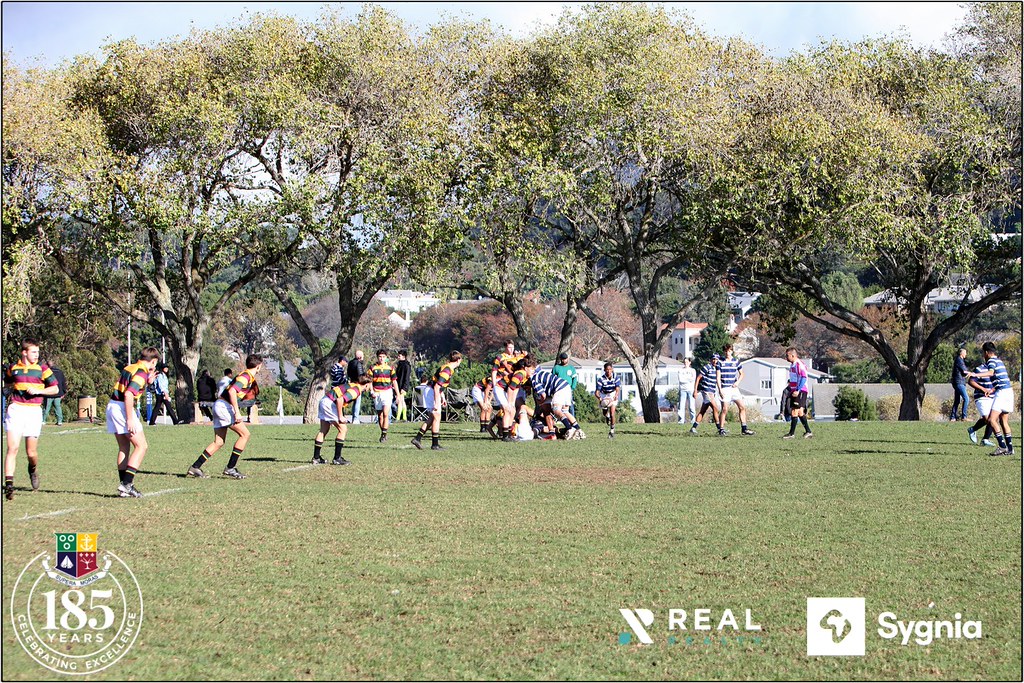
Takımlar sahaya geliyor.
The teams are coming onto the field.
İlgili Sorular
Barry Bonds'u elinde bulunduruyorum, aynı zamanda Mench Podsendick, Gomes, L. Gonzalez, Monroe ve Ibanez gibi birçok iyi dış saha oyuncum var. Barry Bonds'u Greg Maddux ile takas etmeliyim mi?
Kaliforniya'nın Bakersfield şehrinde aydınlatmalı tenis sahaları var mı?
Brezilya milli takımı, Dünya Kupası finallerinde siyah kalecileri sahaya çıkarmıyor mu?
Patriots'ın sahasında 50 yard çizgisine yakın yan çizgilerde gördüğüm o çizimler neyi temsil ediyor? Görünüşe göre meşaleler.
Birleşik Krallık'ın Birmingham şehrinde hâlihazırda düzenlenen şarkı söyleme seçmelerinin adlarını ve hangi sahalarda gerçekleştirildiğini söyleyebilir misiniz?
Birleşik Kelimeler
saha amirisaha avantajısaha komiseridış sahahalı sahaiç sahaorta sahasuni çim sahayabancı sahayapay çim sahayarı sahayeşil sahaantrenman sahasıceza sahasıhava sahasıoyun sahasıpenaltı sahasıtenis sahasıtensil sahası