Sözlük
/kuvvet
kuvvet
/kuv.vet/
noun
B2 seviye
TR → EN
"kuvvet" kelimesinin İngilizcesi: power, strength, action, activity, arm. Anlamı, çevirisi, telaffuzu ve örnek cümleler aşağıdadır.
Çeviri
Matematikpowernoun
Matematikstrengthnoun
Genelaction
Genelactivity
Genelarm
Geneldint
Geneldoughty
Geneldrive
Genelemphasis
Genelenergy
Genelfaculty
Genelforce
Genelfunction
Genelheart
Genelmight
Genelgo
Genelvim
Genelvirtue
Genelmoment
Genelnerve
Genelpep
Genelpotency
Genelpower
Genelsnap
Genelsolid
Genelstrength
Genelstress
Genelsubstance
Genelthew
Genelvigor ,ing. vigour
Genelforce
Genelforce
Görsel
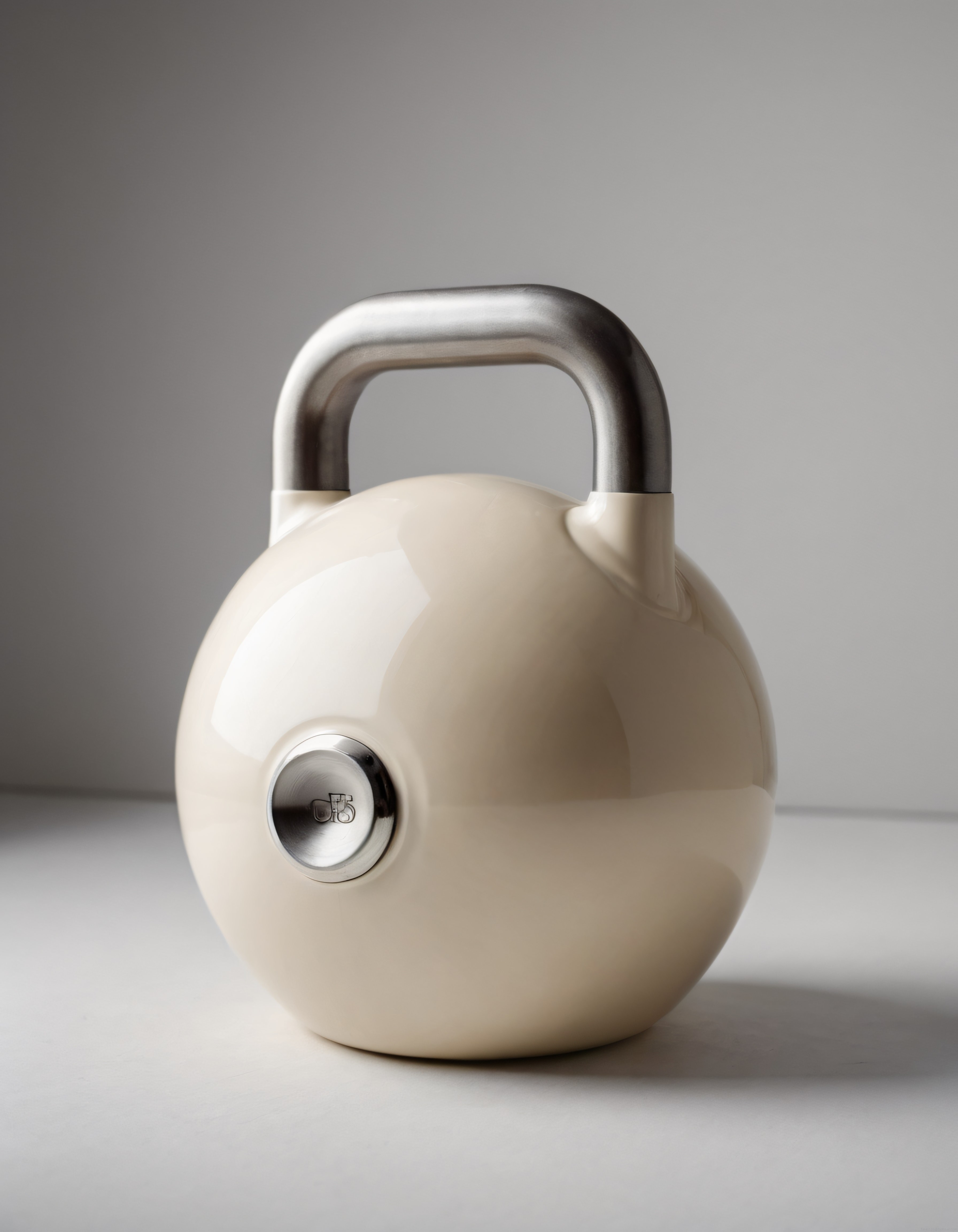

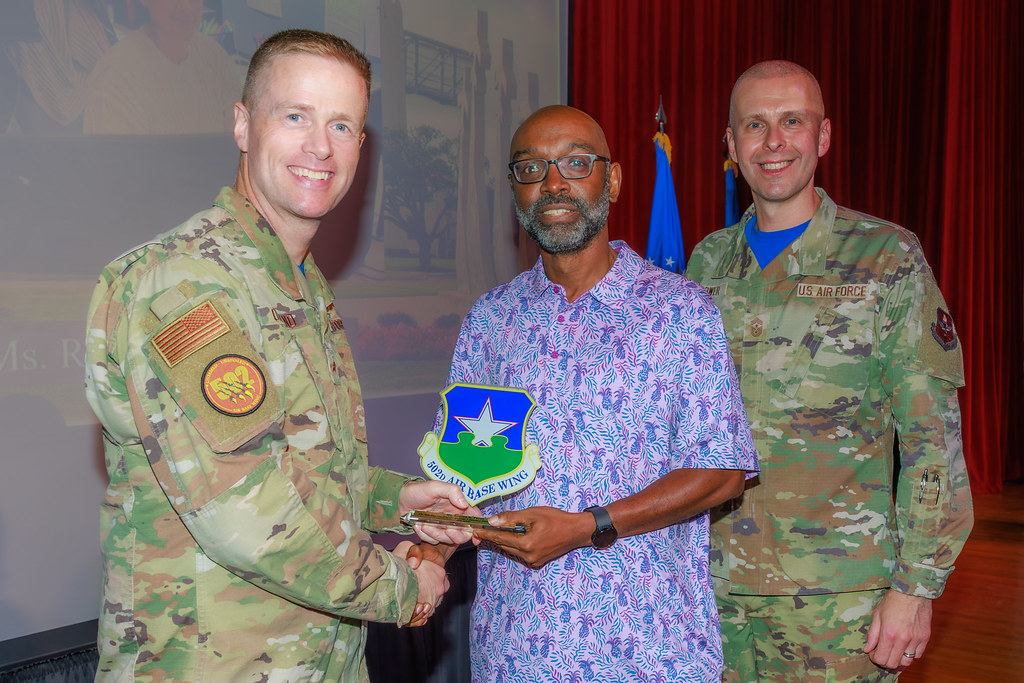

Çekim Tablosu
Belirtme (-i)kuvveti
Yönelme (-e)kuvvete
Bulunma (-de)kuvvette
Çıkma (-den)kuvvetten
Tamlayan (-in)kuvvetin
Çoğul (-ler)kuvvetler
Tanım
•isim: Fiziksel güç; tüvan
•baskı
•nüfuz
•Dayanıklı olma durumu
•Bir ülkenin silahlı gücü
•güç (I)
Atasözü & Deyim
“Birlikten kuvvet doğar”
Diğer Dillerde
AlmancaEnergie, Kraft, Rüstigkeit, Stärke, Fähigkeit, Kraft, Gewalt, Gewalt, Kraft, kraft, Kraft (dişil) /ɡəˈvalt/
strong or violent force · violence · physical control or power
çekim: çoğul Gewalten · tamlayan Gewalten
köken: From Middle High German gewalt, from Old High German giwalt, from Proto-West Germanic *gawald, from Proto-Germanic *gawaldą, from *ga- + *waldą (“power, authority”). Cognate with Yiddish געוואַלד (gevald), Dutch geweld, English wald.
aile: Gewaltakt, Gewaltaktion, Gewaltandrohung, Gewaltanwendung, Gewaltausbruch, Gewaltausübung, Gewaltbegriff, Gewaltbereitschaft, Gewaltdarstellung, Gewaltdelikt
Stärke. — Kuvvet .
Naturgewalt
Schrauben mit Gewalt herausreißen
Und bist du nicht willig, so brauch' ich Gewalt.
energy (quantity that denotes the ability to do work) · energy, motivation
çekim: çoğul énergies
köken: Learned borrowing from Latin energīa, from Ancient Greek ἐνέργεια (enérgeia).
aile: énergique
STRENGTH. — Kuvvet .
énergie atomique
énergie fossile
énergie nucléaire
İspanyolcadatar, desaparecer, destruir, fuerza, hacer, hacerse /daˈtaɾ/
to date, assign a date to · to date
çekim: geçmiş daté · ortaç datado · şimdiki data
köken: From data + -ar.
Puterea. — Kuvvet .
Las letras podrían datar de la Guerra Civil Española.
İtalyancaandare, approvazione, dire, disintegrare, distruggere, diventare /anˈda.re/
to go · to be agreeable (to), to be pleasing (to) (idiomatically, to feel like, to want/like) [with a ‘person with feeling’ and di ‘thing desired’] · to attend (school, church regularly)
çekim: geçmiş andàto · ortaç andàto · şimdiki và · ulaç andànte
eş: andata, andatura, camminata, portamento, viaggio, avanzare
köken: Inherited from Early Medieval Latin andāre, of uncertain origin.
aile: andare a fuoco, andare a male, andare di corpo, andarsene, andazzo, riandare
Potenza? — Kuvvet .
andare a casa
andare veloce
non mi va di ballare
Rusçaсила (dişil) /ˈsʲiɫə/
strength · force · power, might
çekim: çoğul си́лы · tamlayan си́лы
köken: Inherited from Proto-Slavic *sila, from Proto-Balto-Slavic *séiˀlāˀ. Cognates include Lithuanian si̇́ela.
aile: заси́лие, наси́лу, непоси́льный, сверхси́ла, -си́лить See more, силови́к, силово́й, суперси́ла, силоме́р, слабоси́льный
Сила. — Kuvvet .
в си́лу
и́зо всех сил
не в си́лах
Arapçaاِخْتَفَى, ذَهَبَ, رَاحَ, زَالَ, غُو, قُوَّة
قوة. — Kuvvet .
Farsçaگو /ˈɡoː/
present stem of گفتن (goftan)
köken: Inherited from Middle Persian [script needed] (gwb- /gōw-/). See the main entry for more.
to go · to go away, to leave · to travel
çekim: geçmiş getmiş · ortaç getmiş · şimdiki gedir
köken: Ultimately from Proto-Turkic *kē(y)t- (“to go (away), to get away”). Compare Turkish gitmek.
aile: getdikcə, gediş, gediş-gəliş
Hara gedirsən?
Neçə kərə mən sənə dedim ki, rus həkiminin yanına gedib barı qızdırma davasını ondan öyrən.
Yarımçıq qoyub getdi.
to go · to attend · to visit
çekim: geçmiş бардым · ortaç барған
köken: From Proto-Turkic *bar- (“to walk, go; to come, reach”). Cognate with Turkish varmak.
Жапонияда халық саны азайып барады
Tatarcaбарырга
infinitive II of бару (baru)
Felemenkçegaan, groen licht, kracht, macht, verdwijnen, vermogen /xaːn/
to go, to move from one place to another · to leave or depart, to move away · to lead (in a direction)
çekim: geçmiş gingen · ortaç gegaan · şimdiki gaat · ulaç gaand
köken: From Middle Dutch gâen, from Old Dutch gān, from a fusion of Proto-West Germanic *gān and *gangan, from Proto-Germanic *gāną and *ganganą, from Proto-Indo-European *ǵʰeh₁-, *ǵʰengʰ-.
aile: aangaan, achteraangaan, achterafgaan, achtergaan, achternagaan, achteromgaan, achteropgaan, achterovergaan, achteruitgaan, afgaan
Invloed. — Kuvvet .
Ik ga naar het strand.
Die auto gaat nergens naartoe.
Morgen gaan ze weer.
to walk (to move on one’s feet) · to walk (to travel through a given path) · to ride; to take; to travel by (to use a given mode of transportation)
çekim: geçmiş andei · ortaç andado · şimdiki anda
köken: Inherited from Old Galician-Portuguese andar, from Early Medieval Latin andāre, of uncertain origin.
aile: andante, tresandar
A força! — Kuvvet .
Estive andando o dia todo, procurando por você.
Já andei essa estrada mil vezes.
Ela está andando de ônibus para economizar tempo.
alternative form of πηγαίνω (pigaíno, “to go”) · to go, attend · to go, elapse (for a time)
köken: From Byzantine Greek πάγω (págō), from Ancient Greek ὑπάγω (hupágō). See πηγαίνω (pigaíno).
Είχε την δύναμη. — O kuvvetti.
Πάω στην Αθήνα.
Πας στα ελληνικά;
πάνε χρόνια πίσω
to go · to come · to be
çekim: geçmiş いらっしゃった
eş: お出でになる
köken: Originally a contraction of いらせらる (iraseraru), itself an honorific conjugation of 入ら (ira, the 未然形 (mizenkei, “imperfective”) of verb iru, “to come in, to go in; to arrive; to be in a place”) + せ (se, the 未然形 (mizenkei, “imperfective”) of honorific auxiliary verb su) + らる (raru, the older form of passivizing auxiliary verb rareru, here serving as another honorific).
aile: いらっしゃい, いらっしゃいませ
FORCE! — Kuvvet .
孫娘は身をよじらんばかりに恐縮して、「あの、これからどちらへいらっしゃるのでしょうか?」と訊いた。
でも一体、何時ごろあなた方はこちらへいらっしゃるのかしら?
山田さんはいらっしゃいますでしょうか。
Çince嘗試 /尝试, 圍棋 /围棋, 輪到 /轮到
外燴 — Dış kuvvetler
Korece힘, 세력, 권력
그는 강도입니다. — O kuvvetti.
to go by using something more or other than the human or animal body, for example a vehicle, skis, or skates; to go, to ride, etc. · to ride (an amusement ride or the like) · to leave, to depart
çekim: geçmiş åkte · ortaç åkande · ulaç åkande
köken: From Old Swedish aka, from Old Norse aka, from Proto-Germanic *akaną. Cognate with Danish age. Ultimately from Proto-Indo-European *h₂eǵ-. Doublet of agera, which was borrowed from Latin agō, from the same ultimate Proto-Indo-European source.
Styrka. — Kuvvet .
att åka skateboard
att åka skidor
att åka skridskor
to walk (to move by means of one's feet) · to climb (to go up something) · to go, to frequent (to regularly participate in an activity)
çekim: geçmiş chodzono · şimdiki chodzi
eş: stawiać kroki, uczęszczać, chadzać
köken: Etymology tree Proto-Indo-European *sed-der.? Proto-Slavic *xodъ Proto-Indo-European *-yeti Proto-Indo-European *-éyeti Proto-Balto-Slavic *-éitei Proto-Slavic *-iti Proto-Slavic *xoditi Old Polish chodzić Polish chodzić Inherited from Old Polish chodzić. By surface analysis, chód + -ić.
aile: chodliwy, chodny, chodzący, chodziwy, tam, gdzie król piechotą chodzi, chodź, chodźcie, chodacz, chodak, chodnica
Siła! — Kuvvet .
chodzić na nogi (Kielce, Łysica)
Chodzę na siłownię dwa razy w tygodniu.
Mój laptop chodzi na baterii najwyżej trzy godziny.
alternative form of іти́ (itý) · to go (on foot), to walk (to) · to go by, to pass (about time)
çekim: geçmiş йшо́вши · şimdiki йде
Експонента (e^x) — Kuvvet (e^x)
cow; ox
çekim: çoğul गों
köken: Learned borrowing from Sanskrit गो (gó). Doublet of गाय (gāy).
to make sounds, make a sound (particularly of any other sound than intelligible speech)
çekim: geçmiş äännellyt · şimdiki ääntelee · ulaç ääntelevä
köken: From ääntää + -ella.
aile: ääntelehtiä, äänteleminen, ääntely
10 potenssiin xNatural log — 10' un x kuvveti
Çekçepřísnost, důraz, síla, síla, moc, Ukrayna Silahlı Kuvvetleri (dişil) /ˈsiːla/
strength · force · power
çekim: çoğul síly · tamlayan síly
eş: moc, tloušťka, spousta, moc, hafo
zıt: slabost
köken: Inherited from Old Czech síla, from Proto-Slavic *sila.
aile: koňská síla
Mocní? — Kuvvet .
ze všech sil
Budu běžet ze všech sil.
Křičel ze všech sil.
to disappear, vanish
çekim: geçmiş dispărut · ortaç dispărut · şimdiki dispare
köken: Borrowed from Late Latin disparere, Italian disparire, French disparaître, with conjugation based on părea.
Forță. — Kuvvet .
Added to a noun, adjective, or verb to form a verb.
köken: From -ed (verb-forming suffix) + -ik (reflexive suffix).
Erő. — Kuvvet .
reggel (“morning”) + -edik → reggeledik (“to dawn”)
sötét (“dark”) + -edik → sötétedik (“to become dark”)
kever (“to mix something”) + -edik → keveredik (“to mingle”)
torso, trunk
köken: From Japanese 碁 (go); compare English go.
זה הכוח. — Bu kuvvetti.
Latinceagō, baetō, bētō, bītō, dēleō, dīcō
to become (go from one state into another, with a predicative or the preposition til (“to”); the latter is preferred with nouns if a change is implied) · to be (used with the past participle to form the passive voice) · to amount (to total or evaluate)
çekim: geçmiş blev · ortaç blevet · ulaç blivende
köken: From Middle Low German bliven, from Old Saxon bilīƀan, from Proto-Germanic *bilībaną, cognate with German bleiben (“to remain”). In the sense “to become", it replaced native vorde.
aile: døvbleven, forblive, tilbagebleven, tilbageblivende, tilblive, udeblive, vedblive
Dette var kraft. — Bu kuvvetti.
Hun blev læge da hun var 25 år.
Vejret vil blive koldt når solen er gået ned.
Ællingen blev til en svane
Etimoloji
Osmanlı Türkçesi قوت sözcüğünden devralındı, o da Arapça قُوَّة (ḳuvve) kelimesinden gelir.
Deyimler
deniz kuvveti
kuvvet ayrılığı
kuvvet denemesi
kuvvet fonksiyonu
kuvvet kullanmak
kuvvet sahibi
kuvvet ilacı
kuvvet komutanı
kuvvet kümesi
kuvvet tekeli
Kelime Ailesi
asillik kuvveti
cebrî kuvvet
deniz kuvvetleri
elektromanyetik kuvvet
hava kuvvetleri
jandarma kuvvetleri
kara kuvvetleri
yasama kuvveti
adezyon kuvveti
aktif kuvvet
çekim kuvveti
genel kuvvet
iç kuvvet
icra kuvveti
kaba kuvvet
kolluk kuvveti
merkezkaç kuvvet
motorlu kuvvet
Eş & Zıt Anlamlılar
Örnek Cümleler
Kuvvet .
Stärke.
O kuvvetti.
He was the strength.
Kuvvetli it!
Push hard!
Bu kuvvetti.
This was force.
Kuvvet (e^x)
Exponent (e^x)
Dış kuvvetler
Internal forces.
Evet, Kuvvet!
Yeah, The Force!
Beşinci Kuvvet
Fifth force
Eksi 2 kuvveti.
Or you could say 5 to the negative 2 is equal to 1/25.
0'ıncı kuvveti.
Well, I get 5.
Kuvvet taşıyıcı
Force carrier
O daha kuvvetli.
He's much stronger.
Birleşik Kelimeler
kuvvet çiftikuvvet komutanlarıkuvvet macunukuvvetölçeracı kuvvetçeneye kuvvetgramkuvvetkaba kuvvetkara kuvvetkilogramkuvvetmerkezkaç kuvvetteşrii kuvvetzırhlı kuvvetzinde kuvvetadezyon kuvvetiicra kuvvetikolluk kuvvetiteşri kuvvetiyasama kuvvetivar kuvvetiylebindirilmiş kuvvetlerdeniz kuvvetlerihava kuvvetleriihtiyat kuvvetlerikara kuvvetleri