kasaba
/ka.saˈba/
noun
B1 seviye
TR → EN
"kasaba" kelimesinin İngilizcesi: casbah, borough, place, town, town. Anlamı, çevirisi, telaffuzu ve örnek cümleler aşağıdadır.
Çeviri
Genelcasbahnoun
Genelborough
Genelplace
Geneltown
Geneltown
Geneltown
Görsel
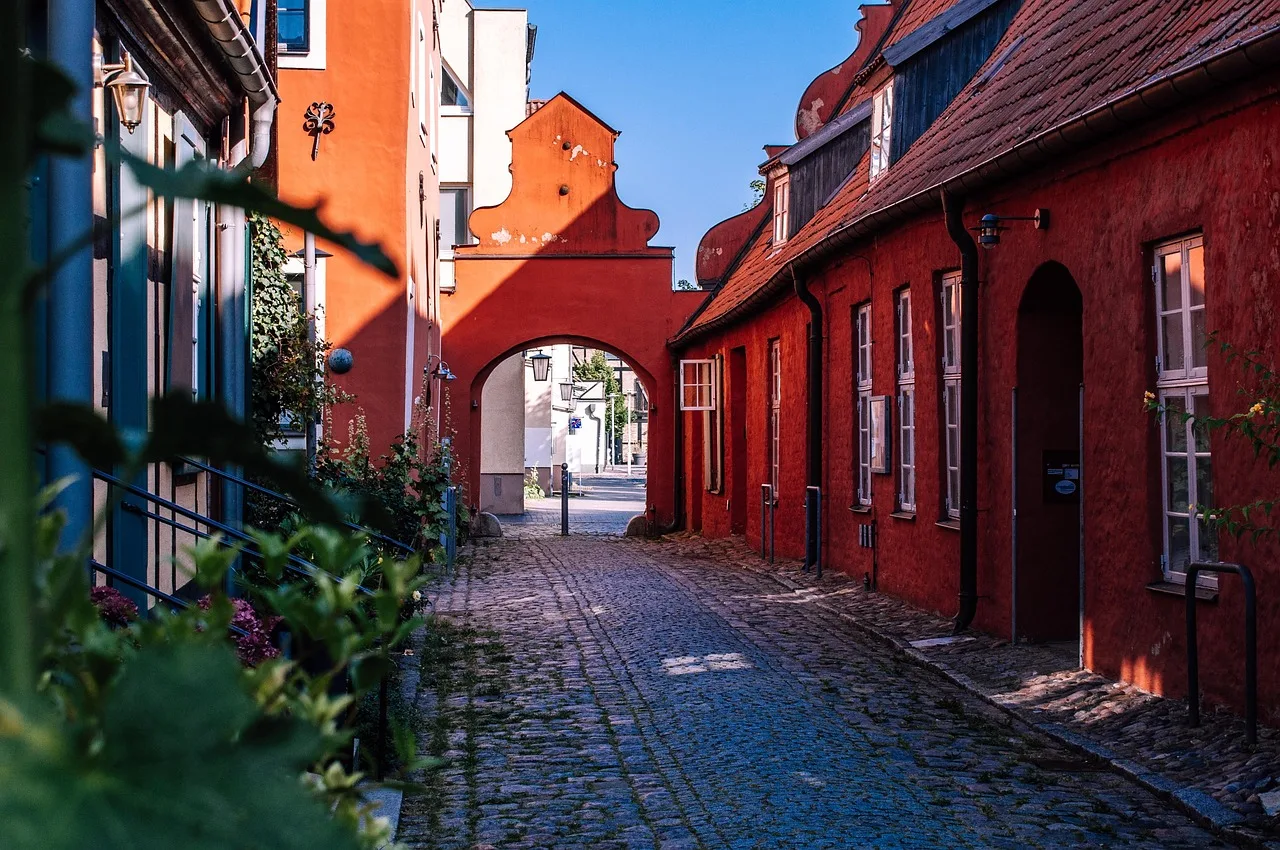
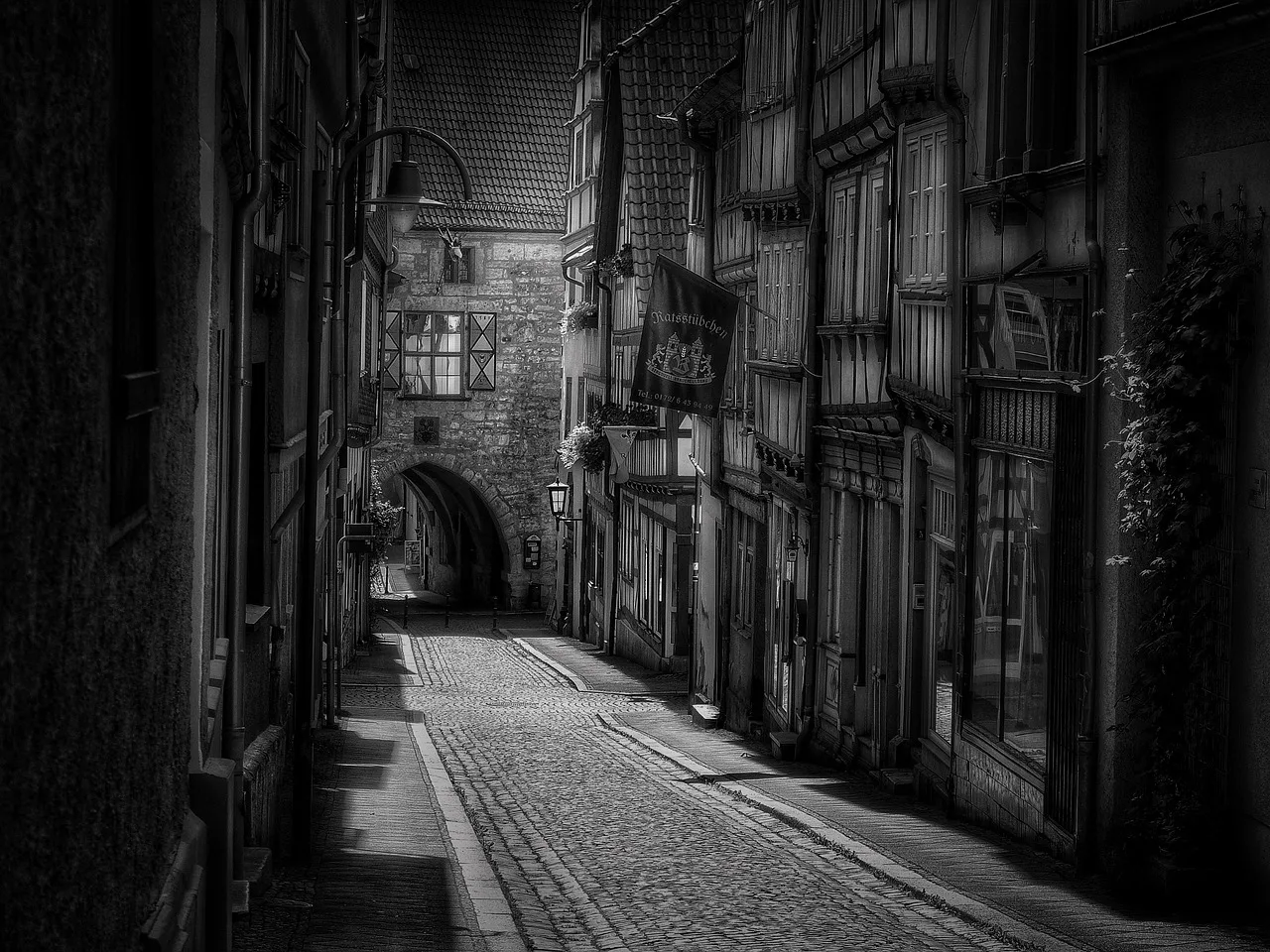
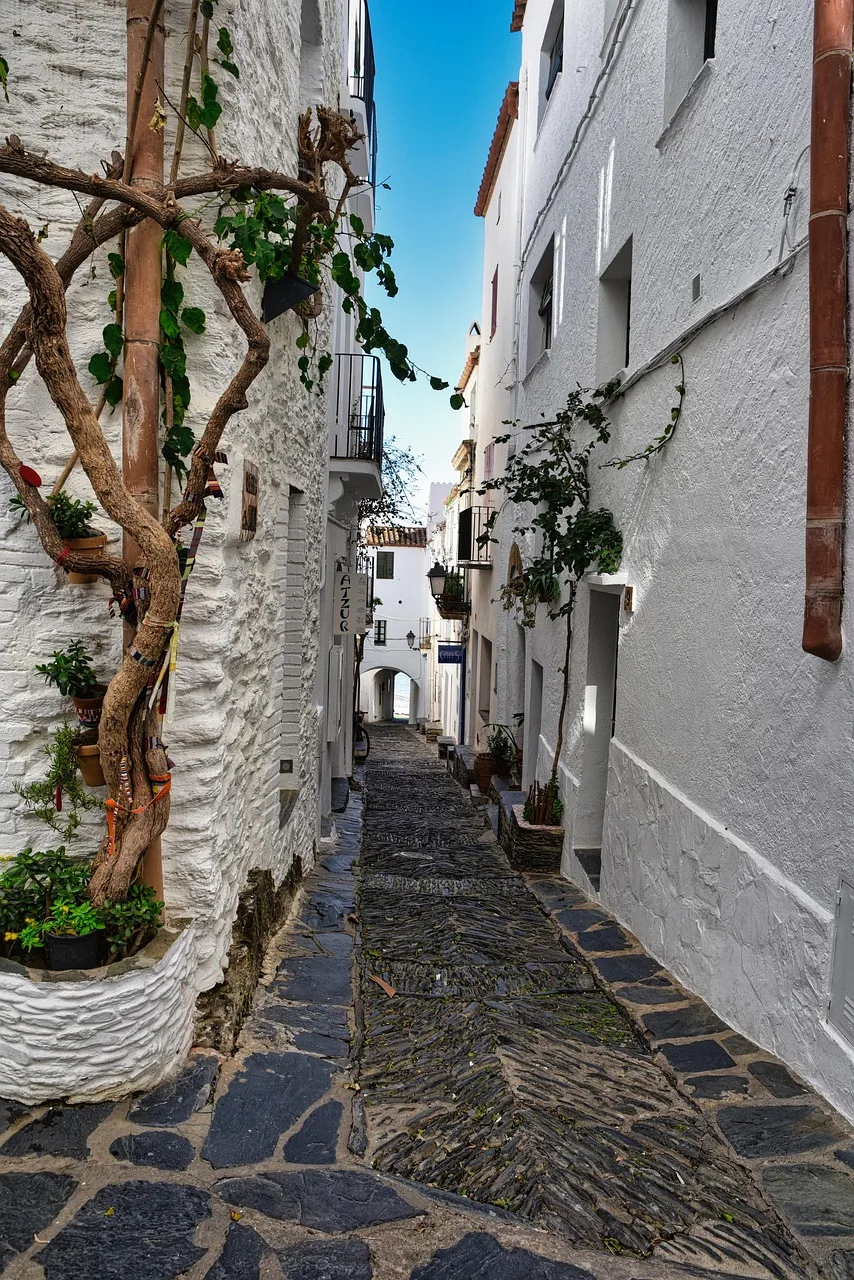
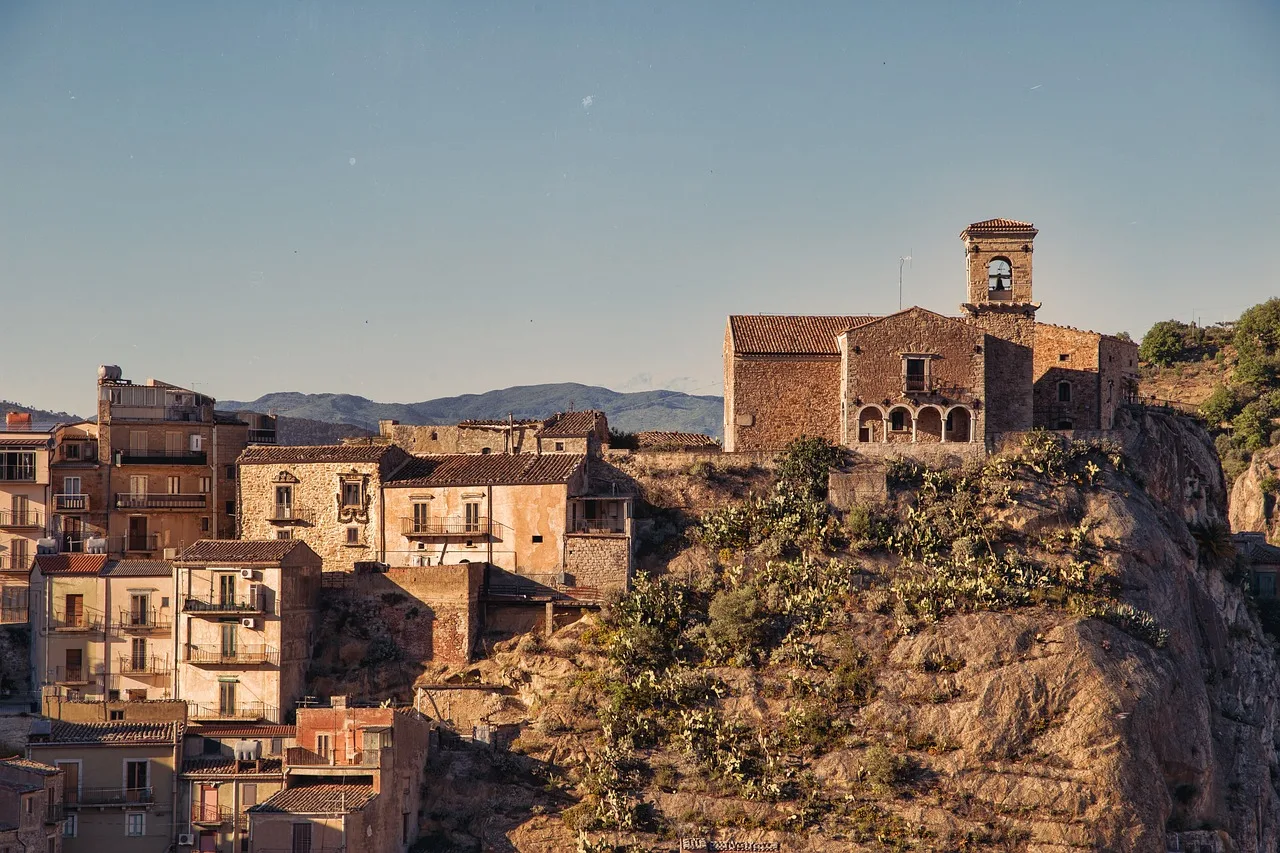
Çekim Tablosu
Belirtme (-i)kasabayı
Yönelme (-e)kasabaya
Bulunma (-de)kasabada
Çıkma (-den)kasabadan
Tamlayan (-in)kasabanın
Çoğul (-ler)kasabalar
Tanım
•isim: İlçeden küçük, köyden büyük, nüfusu iki bin ile yirmi bin arasında olan, belediye ile yönetilen, henüz kırsal özelliklerini yitirmemiş yerleşim merkezi; belde
Diğer Dillerde
AlmancaBude, einordnen, Gemeinde, Ort, Platz, platzieren (dişil) /ˈbuːdə/
booth, stall · kiosk · shack, hut
çekim: çoğul Buden · tamlayan Buden
eş: Butik, Boutique, Butike, Laden, Geschäft, Kiosk
köken: From Middle High German buode, from Old High German *buoda, from Proto-West Germanic *bōþu, from Proto-Germanic *bōþō. Probably related to *būaną (“to build”), whence German bauen. Cognate with Middle Dutch boede, Middle Low German bôde, Old Norse búð, bóð, whence English booth.
aile: Baubude, Bretterbude, Bruchbude, Budenzauber, Budike, Currywurstbude, Dönerbude, Dreckbude, Eisbude, Fischbude
Und das Dorf hat es wirklich mit offenen Armen empfangen. — Kasaba bunu benimsedi.
Imbissbude
Studentenbude
Fransızcabourg (eril) /buʁ/
burg, market town
çekim: çoğul bourgs
eş: village
köken: Inherited from Middle French bourg, from Old French borc, burg, a borrowing from Frankish *burg, ultimately from Proto-Germanic *burgz, ultimately from Proto-Indo-European *bʰerǵʰ- (“fort”). Cognate with English borough and burg.
Et la ville a vraiment accroché. — Kasaba bunu benimsedi.
to bet
çekim: geçmiş aposté · ortaç apostado · şimdiki apuesta
eş: jugar
köken: Inherited from Vulgar Latin *appositāre, from Latin appositus.
aile: apostador, apostante, apuesta
Soy nuevo en la ciudad. — Kasabada yeniyim.
İtalyancacittà, collocare, luogo, mettere, piazza, piazzare (dişil) /t͡ʃitˈta/
town, city
eş: borgo, capitale, capoluogo, centro, centro abitato, comune
zıt: campagna
köken: Inherited from Late Latin cīvitātem (“city”). Doublet of city.
aile: Città del Vaticano, città santa, città stato, cittadella, cittadinanza, cittadino
Non in questa città. — Bu kasabada yani.
Rusçaпосёлок /pɐˈsʲɵɫək/
small settlement, village · town
çekim: çoğul посёлки · tamlayan посёлка
eş: село, городок
köken: Formed of по- (po-) + село́ (seló) + -ок (-ok). Cognate with Belarusian пасёлак (pasjólak).
aile: посёлок городско́го ти́па
В этом городе. — Bu kasabada yani.
рабо́чий посёлок
да́чный посёлок
посёлок городско́го ти́па
Arapçaبلاصة, بَلْدَة, حتة, حط, قَرْيَة, مَحَل (eril)
to put, place, lay down · to remit · to abate
çekim: geçmiş حَطَطْتُ
نُفِى توم من البلدة. — Tom kasabadan sürüldü.
place · space · location
köken: Etymology tree Proto-Iranian *wi- Proto-Indo-European *h₂wes- Proto-Indo-Iranian *Hwas- Proto-Iranian *Hwah- Proto-Iranian *wi-Hwah- Middle Persian gyʾg (gyāg) Persian جا Inherited from Middle Persian gyʾg (gyāg, “place”), from Proto-Iranian *wi-Hwah-, from *wi- + *Hwah- (“to dwell”).
aile: آنجا, اینجا, بیجا, جا شدن, جابجا, هرجا, کجا
جاتو جمع کن.
place
çekim: çoğul caylar · tamlayan cayın
köken: From Persian جای (jây).
city, town
çekim: çoğul қалалар · tamlayan қаланың
köken: Inherited from Kipchak [Term?], from Classical Persian قَلْعَه (qal'a), from Arabic قَلْعَةٌ f (qalʕatun, “a fortress, stronghold”). Compare Armeno-Kipchak խալա (xala), Crimean Tatar qale, qala, qalğa; Azerbaijani qala, Turkish kale, etc.
aile: қалалық, қалашық, мегақала
place
çekim: çoğul joylar
köken: Borrowed from Classical Persian جای (jāy).
aile: joylashmoq
city, town
köken: From Arabic قَلْعَة (qalʕa, “fort, fortress”). Cognate with Bashkir ҡала (qala), Kazakh қала (qala), Kyrgyz калаa (kalaa, “city, town”), Turkish kale (“fortress”) etc.
aile: башкала
Felemenkçegemeente, huis, nederzetting, plaats, plaatsen, plein (dişil) /ɣəˈmeːn.tə/
municipality, commune · congregation
çekim: çoğul gemeenten
köken: From Middle Dutch gemeende, from Old Dutch *gimēnitha, from Proto-West Germanic *gamainī + *-iþu. Corresponds to gemeen (“common”) + -te.
aile: bijzondere gemeente, deelgemeente, dorpsgemeente, eilandgemeente, gemeentebelang, gemeentebestuur, gemeentegrens, gemeentehuis, gemeentelijk, gemeentepils
Het stadje heeft het echt omarmd. — Kasaba bunu benimsedi.
place (numeric: the column counting a certain quantity) · digit (numeral)
çekim: çoğul algarismos
köken: Borrowed from Medieval Latin algorismus, a transliteration of the Arabic form of the name of the Persian mathematician al-Khwārizmī. Doublet of algoritmo. Cognate with Spanish guarismo.
Pelo menos, nesta cidade. — Bu kasabada yani.
O mundo globalizado utiliza predominantemente os dez algarismos indo-arábicos.
position (a place, location) · job, post · station, status
çekim: çoğul θέσεις · tamlayan θέσης
köken: From Ancient Greek θέσις (thésis, “placement”), from τίθημι (títhēmi, “I place”).
Όχι σε αυτή την πόλη. — Bu kasabada yani.
女房言葉 (nyobō kotoba) of 土筆 (tsukushi)
köken: Attested in the Taketori Monogatari.
私たちは綴り字競技をGwomeus Clubと協賛で行いました — Kasaba bunu benimsedi.
seat (something to sit on) (Classifier: 個/个) · place (vacancy or available position) (Classifier: 個/个) · seating arrangements
eş: 位, 位子, 坐具, 坐席, 席, 席位
aile: 劃座位, 划座位, 愛心座位, 爱心座位
首府多里。 — Başkenti Vielha kasabasıdır.
Korece마을 /ma̠ɯɭ/
village, hamlet, usually in rural surroundings · the office of a local magistrate
eş: 촌락, 촌, 동네, 동리
köken: First attested in the Seokbo sangjeol (釋譜詳節 / 석보상절), 1447, as Middle Korean ᄆᆞᅀᆞᆶ (Yale: mòzòlh). The Middle Korean /-h/ may be the remnant of an ancient place-related suffix; see Appendix:Middle Korean h-final nouns.
그리고 그 마을은 이 컨셉을 포용했죠. — Kasaba bunu benimsedi.
to put (into a bag, in a pocket, or in a box of some kind) · to lie down; to assume a reclining position · to put to bed
çekim: geçmiş lade · ortaç lagd · ulaç läggande
köken: From Old Swedish læggia, from Old Norse leggja, from Proto-Germanic *lagjaną. Causative of *ligjaną (see ligga).
Inte i den här stan. — Bu kasabada yani.
Lägg jeansen på sängen!
Lägg boken på bordet!
Ställ boken på bordet!
to put, to lay (to place something somewhere) · to lay (to cause a person to take a horizontal position) · to put (to place someone somewhere for a longer period, particularly so that they may heal)
çekim: geçmiş kładziono · şimdiki kładzie
eş: stawiać, umieszczać, wkładać, reg. śl. lygać, układać, doprowadzać do upadku
zıt: podnosić się, wstawać
köken: Etymology tree Old Polish kłaść Polish kłaść Inherited from Old Polish kłaść.
aile: kładkowy, kluski kładzione, kład, kładka, kładowisko, kładowiszcze, dokłaść, nakłaść, obkłaść, okłaść
Nie w tym mieście. — Bu kasabada yani.
influence, effect, impact
çekim: çoğul впли́ви · tamlayan впли́ву
köken: Cognate with Polish wpływ, Belarusian ўплыў (wplyw) / Belarusian уплы́ў (uplýw)
aile: взаємовпли́в, впливо́вий
Місто порожніх. — Kasaba boşaltıldı.
plaza, square; chowk · intersection
çekim: çoğul चौकों
köken: Inherited from Sauraseni Prakrit 𑀘𑀤𑀼𑀓𑁆𑀓 (cadukka), from Sanskrit चतुष्क (catuṣka). Cognate with Bengali চক (cok), Punjabi ਚੌਕ (cauk), Nepali चोक (cok), Gujarati ચોક (cok), Odia ଚଉକ (cauka). Doublet of चतुष्क (catuṣk).
topic, subject, theme · reason, cause, grounds, justification · motif (recurring or dominant element in a work of art)
çekim: çoğul aiheet · tamlayan aiheen
köken: Probably via metathesis from ajaa (“to drive, pursue”) + -e (*ajeh), "that which spurs or drives on" > "reason". May also be inspired by aie. Another theory proposes a borrowing from an earlier (Pre-Germanic) form of Proto-Germanic *aiz (“copper, bronze”) (like *ajes- → *aješ > *ajeh), but the semantics and distribution make this questionable.
aile: aiheellinen, aiheeton, -aiheinen, aiheittain, aiheisto, aihelma, aihio, aiheuttaa, aiheutua, aiheenmukainen
Kaupunki jää tyhjilleen. — Kasaba boşaltıldı.
No, olen yrittänyt, mutta hän vaihtaa aihetta koko ajan.
Neuvostoliitto sai Mainilan laukauksista aiheen hyökätä Suomeen vuonna 1939.
Onko sinulla jotain aihetta epäilyyn?
city (large settlement)
çekim: çoğul města · tamlayan města
eş: obyvatelstvo, centrum
köken: Inherited from Old Czech město, from Proto-Slavic *město. Doublet of místo.
aile: meziměstský, městský, předměstský, maloměsto, meziměsto, městečko, městys, měšťan, měšťanka, měšťanstvo
Staré Město (D. — Kıvanç Kasabalı (d.
place, location · stead
çekim: çoğul locuri · tamlayan locului
köken: Inherited from Latin locus.
aile: deloc, înlocui, la loc, lăsa loc de bună ziua, lua loc
Iar orașul a primit ideea cu brațele deschise. — Kasaba bunu benimsedi.
Macarcaférőhely, hely, helyezni, tenni, tér, ülőhely /ˈhɛj/
place, location · space, room
çekim: çoğul helyek
köken: Of unknown origin.
aile: helybeli, helyecske, helyenként, helyes, helyett, helyez, helyénvaló, helyi, helyiség, helynök
A falu 13 kis településből áll. — 11 küçük kasabadan oluşur.
Nincs elég hely ebben a szobában.
İbraniceאֵזוֹר, בַּיִת, הגיע, יִשּׁוּב, כיכר \ כִּכָּר, מיקום /(h)iˈɡia/
to arrive, to get, to reach · to be deserved, to serve someone right
çekim: geçmiş הִגַּעְתָּ
aile: הגיע עד פת לחם
והעיירה ממש קיבלה את הרעיון. — Kasaba bunu benimsedi.
הִגַּעְתֶּם לְשָׁם?
אני לא חושב שזה מגיע לי.
מה עשיתי שזה מגיע לי?
public place, marketplace, forum
çekim: çoğul fora · tamlayan forī
köken: From Proto-Italic *fworom, from earlier *θworom, from Proto-Indo-European *dʰwor-om (“enclosure, courtyard, i.e. something enclosed by the door, or the place outside, i.e. through the door”), from *dʰwer- (“door, gate”). Cognate with foris, forās, Old Church Slavonic дворъ (dvorŭ, “court, courtyard”), Sanskrit द्वार (dvā́ra, “door, gate, passage”) and Lithuanian dvãras (“estate”).
aile: forensis, forica
to place, position · to put, place (in an institution, prison, hospital, or with a foster family, etc. For example due to problems at home or mental illness) · to deposit, invest (in a venture, securities, etc)
çekim: geçmiş anbragte · ortaç anbragt · ulaç anbringende
köken: From German anbringen.
aile: anbringelse, genanbringe, velanbragt, tvangsanbringe
Slet ikke i denne by. — Bu kasabada yani.
Etimoloji
Osmanlı Türkçesi قصبه, Arapça قَصَبَة (ḳaṣabe).
Eş & Zıt Anlamlılar
Eş anlamlılar
Örnek Cümleler
Kasaba güzel.
The town is beautiful.
Sirk kasabada.
The circus is in town.
Kasaba ölüyor.
The town is dying.
İkiz kasabalar
Twin towns
Bu kasabada mı?
In this town?
Comala kasabası
Comala municipality
O kasabada yeni.
She's new in town.
Bu hangi kasaba?
What town is this?
Kasabada yeniyim.
I'm new in town.
Kasabada yeniyiz.
We're new in town.
Hala kasabadayım.
I'm still in town.
Bu kasaba sıkıcı.
This town is boring.
Birleşik Kelimeler
kasaba kurnazlığı