Sözlük
/şok
şok
/ʃɔk/
noun
B1 seviye
TR → EN
"şok" kelimesinin İngilizcesi: shock, jar, stun, turn, shock. Anlamı, çevirisi, telaffuzu ve örnek cümleler aşağıdadır.
Çeviri
Genelshocknoun
Geneljar
Genelstun
Genelturn
Genelshock
Genelshock
Görsel



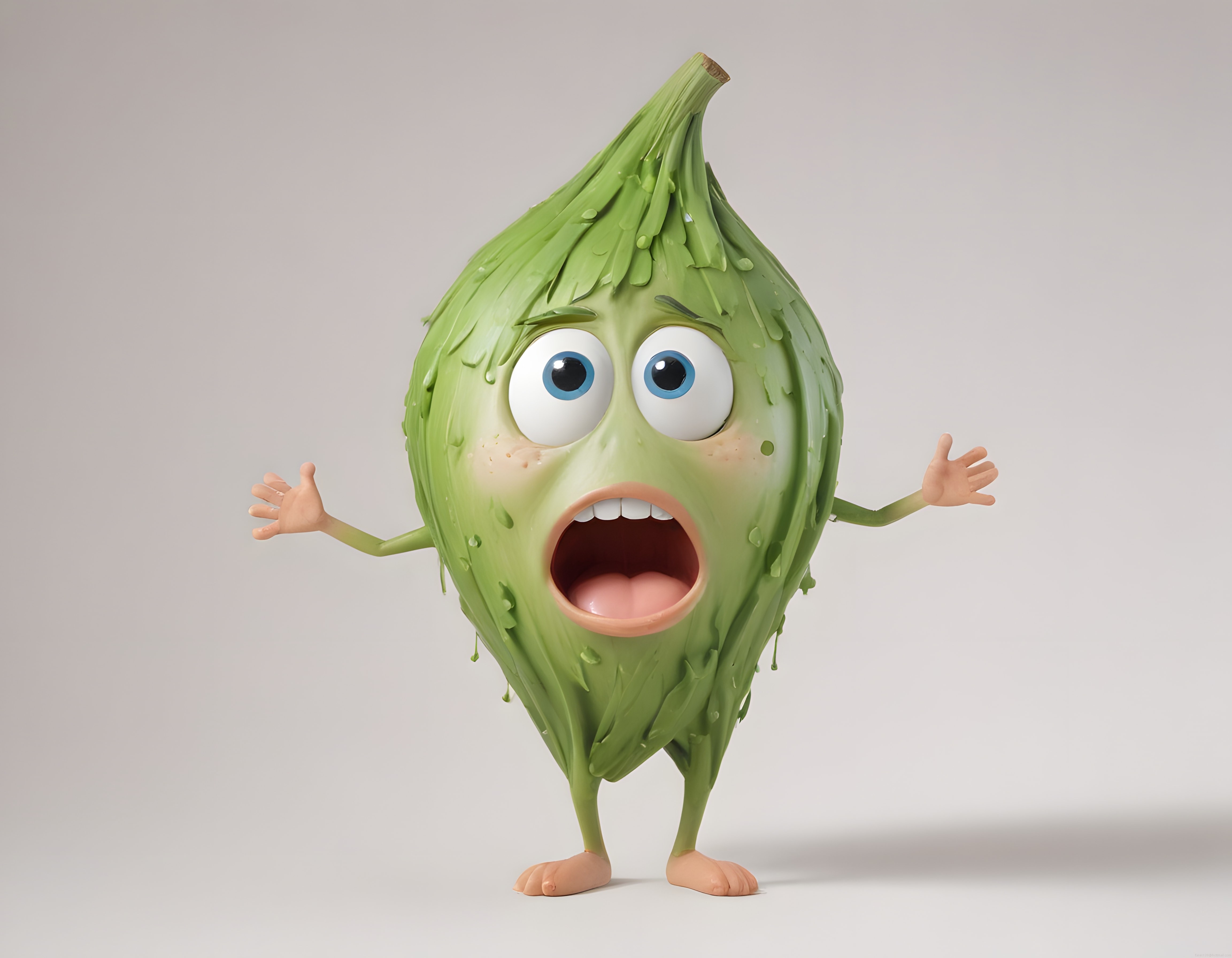
Çekim Tablosu
Belirtme (-i)şoku
Yönelme (-e)şoka
Bulunma (-de)şokta
Çıkma (-den)şoktan
Tamlayan (-in)şokun
Çoğul (-ler)şoklar
Tanım
•isim: Ani bir değişiklik sonucunda ortaya çıkan şaşkınlık
•sıfat: Şaşırtıcı, alışılmamış, beklenmedik
•Kaza, beklenmeyen bir olay, bazı ilaç ve uyuşturucuların yarattığı fiziksel veya ruhsal olarak birdenbire gelişen karmaşık belirtilerin tümü
Atasözü & Deyim
“Arı kızdıranı sokar”
“Aç elini kora sokar”
“Bana dokunmayan (beni sokmayan) yılan bin yaşasın”
“Her deliğe elini sokma, ya yılan çıkar ya çıyan”
“Maşa varken elini ateşe sokma”
Diğer Dillerde
Almanca(vollständige) Drehung, abbiegen, Abbiegung, an der Reihe sein, be one's turn, Doppelschlag /ˈapbiːɡn̩/
to turn, to turn off · to bend, to turn (of a road, street, path, etc.) · to fold (metal)
çekim: geçmiş bog ab · ortaç abgebogen · şimdiki biegt ab · ulaç abbiegend
eş: abknicken, formen, knicken, umbiegen, umformen, verbiegen
köken: From Middle High German abebiegen. Equivalent to ab- + biegen.
aile: Abbieger, Abbiegung
& Socket: — & Soket:
Biegen Sie jetzt links ab.
Ich glaube, wir sind falsch abgebogen.
Die Straße biegt vor uns nach links ab.
Fransızcachoc, choc émotionnel, choquer, devenir, se tourner, tour (eril) /ʃɔk/
hit, strike · shock (surprise, startling) · electrical shock
çekim: çoğul chocs
eş: coup, psychotraumatisme, traumatisme
köken: 16th century, from choquer (“to hit, to shock”); influenced by Italian ciocco.
aile: choc anaphylactique, choc culturel, choc terminal, choquer, de choc, onde de choc, pare-choc
& Socket & #160;: — & Soket:
İspanyolcaanonadación, anonadamiento, anonadar, choque, choque eléctrico, choquear (eril)
stunning
çekim: çoğul anonadamientos
eş: anonadación
köken: From anonadar + -miento.
A la calle. — Bir Sok.
İtalyancacambiamento, cambiare, china, compiere, completare, divenire (eril) /kam.bjaˈmen.to/
a change or shift · a turn
çekim: çoğul cambiamenti
eş: alterazione, cambio, conversione, correzione, deviazione, metamorfosi
köken: From cambiare + -mento.
aile: cambiamento climatico
& Socket: — & Soket:
Rusçaшок; шоковое состояние
Стрит. — Bir Sok.
Arapçaأَدَارَ, اِنْعِطَاف, اِنْقَلَبَ, دَارَ, دَوْر, دَوْرَة
محجرمقبسالمقبس: — & Soket:
to rotate, turn, revolve, spin (to move around an axis) · to spin (to rotate or turn around quickly) · to circle (to travel in a circle or circles)
çekim: geçmiş چرخید · ortaç چرخیده · şimdiki میچرخد · ulaç چرخنده
köken: From چرخ (čarx, “wheel”) + ـیدن (-idan).
aile: چرخان, چرخش
به دور خود چرخیدن
به دور محور خود چرخیدن
زمین به طور مداوم به دور خود میچرخد.
Azericeburmaq, çevirmək, döndərmək, dönmək, fırlanmaq, fırlatmaq /burˈmɑχ/
to curl (to twist or form into ringlets) · twist (to turn the ends in opposite directions) · turn (change the direction or orientation of (something))
çekim: geçmiş burmuş · ortaç burmuş · şimdiki burur
köken: From Proto-Turkic *bur(a)- (“to twist”).
aile: burğu
rotation · conversion, transformation
köken: From earlier айлану (ailanu), which is still in dialectal usage, from Proto-Turkic *ayla- (“to spin”). Cognate with Kyrgyz айлануу (aylanuu), Turkish aylanmak, Azerbaijani aylanmaq, etc.
Özbekçeburilish, gal, navbat
turn · queue, line
çekim: çoğul navbatlar
köken: Borrowed from Arabic نَوْبَة (nawba).
to decline, to reject · to halt, to stop, to switch off · to turn, to take off in a direction perpendicular to the one one was travelling in before
çekim: geçmiş sloegen af · ortaç afgeslagen · şimdiki slaat af · ulaç afslaand
köken: From Middle Dutch afslaen. Equivalent to af + slaan.
aile: afslag
& Socket: — & Soket:
Hij heeft het aanbod afgeslagen.
De motor is afgeslagen.
Sla bij de volgende kruising links af.
Portekizcechocar, choque emocional, completar, dar um choque, espira, estragar /ʃoˈka(ʁ)/
to brood (to keep an egg warm until it hatches) · to hatch (to break open when a young animal emerges from it) · to hatch (to emerge from its egg)
çekim: geçmiş choquei · ortaç chocado · şimdiki choca
köken: Inherited from Vulgar Latin *cloccāre, from Latin glocīre, glociāre (“to cluck”).
Cena II. A Street. — Bir Sok.
As aeronaves se chocaram logo depois de decolarem.
Só um esquiador na história conseguiu descer esta ladeira sem se chocar em nenhuma árvore.
Os vídeos de decapitação do Estado Islâmico chocaram o mundo.
Yunancaαπογίνομαι, γίνομαι, γυρίζω, ηλεκτροπληξία, θημωνιά, κλείνω /a.poˈʝi.no.me/
to become, end up · to become worse
çekim: geçmiş απέγινα · şimdiki απογίνεται
köken: Inherited from Ancient Greek ἀπογίνομαι (apogínomai), later Attic form of ἀπογίγνομαι (apogígnomai). By surface analysis, απο- (apo-) + γίνομαι (gínomai, “I become”).
Μια Street. — Bir Sok.
shock (sudden emotional disturbance) · financial disturbance · shock (physical impact)
köken: From English shock.
練習しましょ — O şokta.
昨日の発表は正直ショックです。
オイルショック
リーマンショック
to bend, to crook, to turn, to become bent
çekim: geçmiş 구부러졌다
소켓 이름 — Soket adı
İsveççechock, elchock, elstöt, förvandlas, gå emot, gira
shock
çekim: çoğul chocker · tamlayan chocks
köken: From French choc.
& Uttag: — & Soket:
rail, railway (transport system using rails used to move passengers or goods) · rail, railway (enterprise dealing with rail transportation) · train (vehicle that moves on rails)
çekim: çoğul koleje · tamlayan kolei
eş: reg. pozn. bana
köken: Etymology tree Proto-Indo-European *kʷelh₁- Proto-Indo-European *-os Proto-Slavic *kolo Proto-Slavic *-ěja Proto-Slavic *kolěja Old Polish koleja Polish kolej Inherited from Old Polish koleja with an unexpected loss of -a.
aile: kolejny, po kolei, z kolei, za koleją, koleina, kolej podziemna, kolej żelazna, kolejarz, kolejka, mieć nie po kolei w głowie
Street. — Bir Sok.
Polskie Koleje Państwowe
Near-synonym: pora
Jest twoja kolej.
Ukraynacaви́повнитися, випо́внюватися, завертати, звору́шення, о́берт, обертати /ɔberˈtate/
to revolve, to rotate, to spin, to turn, to turn round
çekim: geçmiş оберта́вши · şimdiki оберта́є
köken: Inherited from Old Ruthenian оберта́ти (obertáti), from Proto-Slavic *obvьrtati. By surface analysis, об- (ob-) + верта́ти (vertáty). Cognate with Serbo-Croatian о̀бртати/òbrtati.
aile: оберта́льний, оберта́ння, оберта́тися
& Сокет: — & Soket:
jerk, sudden movement · twitch, spasm, convulsion · blow, shock
çekim: çoğul झटके
köken: From झटकना (jhaṭaknā, “to jerk”) + -आ (-ā). Compare Punjabi ਝਟਕਾ (càṭkā).
Fincealkaa huimata, antaa sähköshokki, etoa, gruppetto, hapantua, hapattaa /ˈetoɑˣ/
to cause to feel sick/nauseous · to feel sick/nauseous [with partitive ‘subject’] (such asdue to seeing or smelling something disgusting)
çekim: geçmiş etonut · şimdiki etoo · ulaç etova
köken: Probably eto + -oa. Related to Karelian etuo.
aile: etominen
& Pistoke: — & Soket:
Minua etoo.
impact (collision)
çekim: çoğul nárazy · tamlayan nárazu
eş: úder, kolize, srážka, poryv
köken: Deverbal from narazit.
aile: nárazový, nárazuvzdorný, nárazník
& Socket: — & Soket:
turning
çekim: çoğul cotituri · tamlayan cotiture
köken: From coti + -tură.
E in stare de soc. — O şokta.
Macarca-ul, -ül, áramütés, átváltozik, beállítottság, befordul /ul/
Added to a word to form an intransitive verb with a middle-voice meaning.
Aljazat: — & Soket:
csoportos (“collective”) + -ul → csoportosul (“to form a group”)
azonos (“identical”) + -ul → azonosul (“to identify; to associate oneself with some group”)
von (“to pull”) + -ul → vonul (“to go along, to stalk, to march”, literally “to pull oneself”)
İbraniceהִסְתּוֹבֵב, הָפַך, הָפַך סוֹבֵב, זִעְזֵעַ, תּוֹר
היא בשוק — O şokta.
Latincecommotus, consternō, impulsus, stupefaciō, torqueō, vertō
woken · provoked, agitated · disturbed
köken: Perfect passive participle of commoveō (“move, stir up, rouse”).
attack, seizure, fit
çekim: çoğul anfaldene · tamlayan anfalds
köken: From Middle Low German anval.
aile: anfaldsfri, anfaldsvis, anfaldsvist, angstanfald, astmaanfald, epilepsianfald, feberanfald, grådanfald, hjerteanfald, hosteanfald
& Sokkel: — & Soket:
Norveççebli, dreie, endre, etter tur, forvandle, omdreining
Det er opprørende.» — Ve şok oldum."
Endonezcebelok, berbelok, berpaling, kejutan, pas, renjatan /ˈbelok/
to turn (move around an axis through itself)
çekim: karşılaştırma lebih belok · üstünlük paling belok
köken: Inherited from Malay belok (“to turn”), from Proto-Malayo-Polynesian *biluk (“to wind, curve, turn to the side; to tack, sail into the wind”). Compare Javanese biluk.
aile: membelok, pembelokan, belokan, berbelok, berbelok-belok, membelokkan, pembelok
Dia trauma. — O şokta.
Etimoloji
Fransızca choc.
Eş & Zıt Anlamlılar
Örnek Cümleler
O şokta.
She's in shock.
Bir Sok.
A Street.
& Soket:
& Socket:
Bu sokar.
It stings.
Soket adı
Socket name
Arı soktu.
I got stung.
Şok oldum.
I was shocked.
Tom şokta.
Tom is in shock.
Sokak boş.
The street is empty.
O sokmalı.
That must sting.
Bir sokak.
A street.
Ne şok ama!
What a shock!