Sözlük
/yapı
yapı
/jaˈpɯ/
noun
C1 seviye
TR → EN
"yapı" kelimesinin İngilizcesi: building, artifact, build, constitution, construction. Anlamı, çevirisi, telaffuzu ve örnek cümleler aşağıdadır.
Çeviri
Matematikbuildingnoun
Genelartifact
Genelbuild
Genelconstitution
Genelconstruction
Genelcontexture
Genelerection
Genelhomologue
Genelmake
Genelstructure
Genelstructure
Genelstructure
Görsel

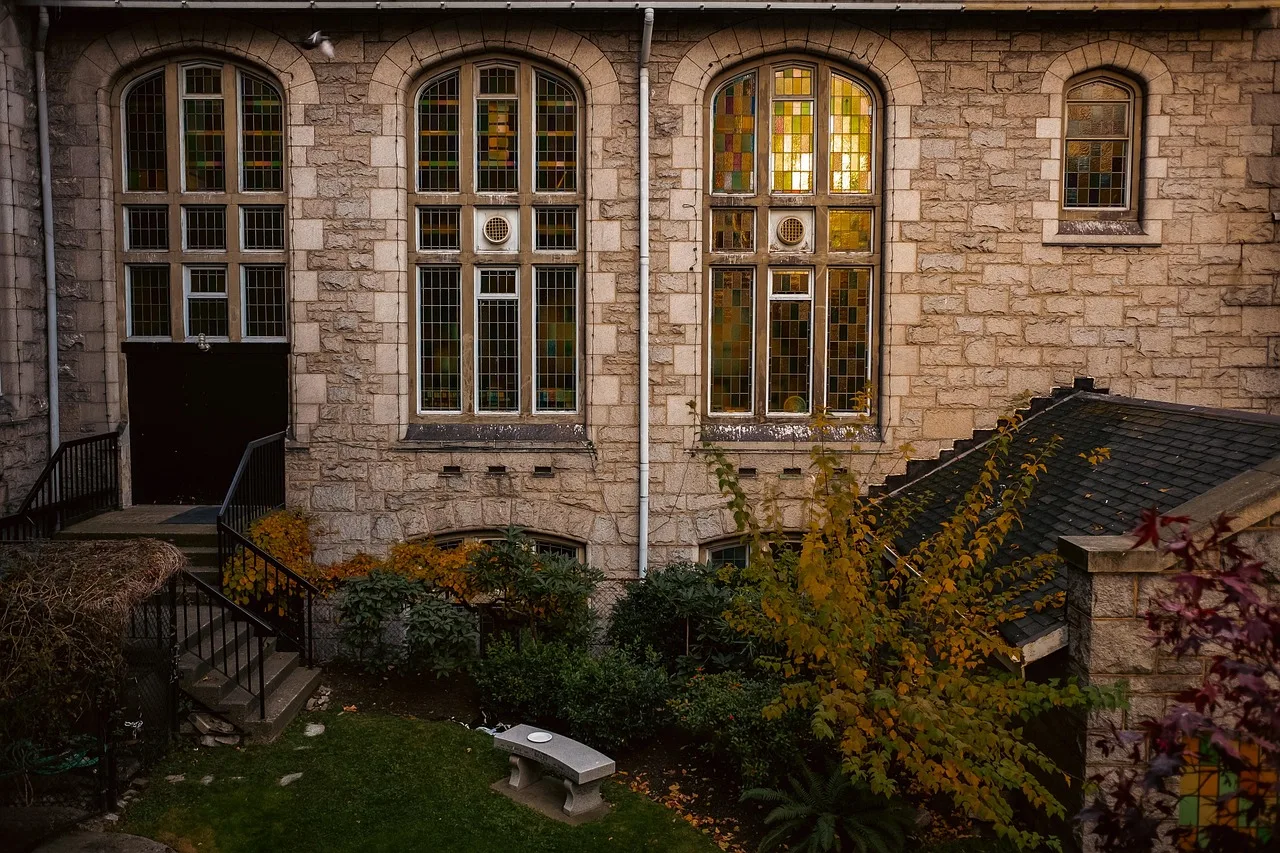


Çekim Tablosu
Belirtme (-i)yapıyı
Yönelme (-e)yapıya
Bulunma (-de)yapıda
Çıkma (-den)yapıdan
Tamlayan (-in)yapının
Çoğul (-ler)yapılar
Tanım
•Barınmak veya başka amaçlarla kullanılmak için yapılmış her türlü mimarlık eseri; bina, mimari.
•Bir hücrede, bir dokuda, karmaşık oluşumlu bir organizmada elemanların düzeni.
•Bir soyadı. Mamul, yapılmış
•Bütünün bir araya getirilişinde uyulan dizge; [[strüktür].
•Canlı bir varlığın ruh veya beden özelliklerinin tümü; bünye,strüktür.
•Kendine özgü işleyiş kurallarına sahip düzen; örgü.
•Ögeleriyle somut bağımlılığı olan bütün
•Parçaları ve ögeleri arasında yasaya uygunluk, durağan bağlar ve karşılıklı ilişkiler bulunan dizge veya bütün; [[strüktür].
Atasözü & Deyim
“Yapı taşı, yapıdan (yerde) kalmaz”
“Gönül bir sırça saraydır, kırılırsa yapılmaz”
“Herkesin yorulduğu yere han yapılmaz”
“Irmak kenarına çeşme yapılmaz”
Diğer Dillerde
Almancagebäude, struktur (nötr) /ɡəˈbɔɪ̯də/
building, edifice, structure
çekim: çoğul Gebäuden · tamlayan Gebäudes
köken: From Middle High German gebūwede, from the Old High German gibūidi (literally “that which has been built”), originally a collective noun to bauen. See there for more. By surface analysis, ge- + Bau + -de, related to bauen. Doublet of Gebäu. Cognate with Yiddish געבײַדע (gebayde)
aile: gebäudeartig
Strukturende: — Yapı sonu:
building, edifice · building industry, construction · ship or boat
çekim: çoğul bâtiments
eş: abri, construction, hangar, édifice, entrepôt, immeuble
köken: Inherited from Middle French bastiment, from Old French bastiment (“act of building, fortification”), from bastir (“to build, make; to sew”), from Vulgar Latin *bastīre, borrowed from Frankish *bastijan (“to sew, weave”).
aile: bâtiment précieux
StructureTree — Yapı Ağacı
les travailleurs du bâtiment
to make something with artifice
çekim: geçmiş artificié · ortaç artificiado · şimdiki artificia
eş: artizar
Háganlo. — Onu yapın.
İtalyancacostruzione, edificazione, fare, formazione, palazzo, rendere (dişil) /kos.trutˈt͡sjo.ne/
construction (all senses) · building
çekim: çoğul costruzioni
eş: fabbricazione, realizzazione, edificazione, erezione, edificio, fabbricato
köken: Borrowed from Latin cōnstrūctiōnem.
& Incolla — & Yapıştır
Rusçaздание (nötr) /ˈzdanʲɪje/
building, edifice, structure
çekim: çoğul зда́ния · tamlayan зда́ния
eş: дом
köken: Borrowed from Old Church Slavonic зьданиѥ (zĭdanije). By surface analysis, здать (zdatʹ) + -ание (-anije).
Конец структуры: — Yapı Ağacı
Великоле́пные зда́ния в на́шем го́роде давно́ уже́ опусте́ли; бесполе́зные корабли́ сгнива́ли в при́стани.
Arapçaبِنَاء, بِنَايَة, جَعَلَ, دَار, صَنَعَ, عِمَارَة
ألصق — & Yapıştır
Farsçaایجاد کردن, تشکیل دادن, تولید کردن, ساختن
to create
çekim: geçmiş ایجاد کرد · ortaç ایجاد کرده · şimdiki ایجاد میکند · ulaç ایجاد کننده
Azericebina, düzəltmək, eləmək, etmək, inşaat, qayırmaq /biˈnɑ/
building · foundation (of a building)
çekim: çoğul binalar · tamlayan binanın
köken: From Arabic بِنَاء (bināʔ, “building, construction”).
şərq üslubunda tikilmiş bina
building, construction, edifice
çekim: çoğul ғимараттар · tamlayan ғимараттың
köken: Borrowed from Classical Persian عمارت ('imārat), from Arabic عِمَارَة (ʕimāra, “structure, building”).
building
çekim: çoğul binolar
köken: Inherited from Chagatai بِنا (bnā), from Arabic بِنَاء (bināʔ).
Felemenkçegebouw, structuur (nötr) /ɣəˈbɑu̯/
building, structure, construction
çekim: çoğul gebouwen
eş: bouwwerk
köken: From Middle Dutch gebouwe.
aile: appartementsgebouw, bankgebouw, beursgebouw, bijgebouw, concertgebouw, flatgebouw, gebouwbeheer, gerechtsgebouw, hoofdgebouw, kantoorgebouw
Vastzetten — & Yapışkan
De gebouwen van een stad.
Portekizceconstrução, deixar, edificação, edifício, fazer, ganhar (dişil) /kõs.tɾuˈsɐ̃w̃/
construction, building (act or process of building)
çekim: çoğul construções
köken: Borrowed from Latin cōnstructiōnem. Compare with Galician construción.
Árvore de Estrutura — Yapı Ağacı
Yunancaδόμηση, κάνω, καταλαβαίνω, κατασκευάζω, καταφέρνω, κτήριο (dişil)
building, construction (the act or process)
çekim: çoğul δομήσεις · tamlayan δόμησης
Δέντρο δομής — Yapı Ağacı
Expresses causation: to make … do …
eş: やらせる
köken: From Classical Japanese さす (-sasu), which followed 下(しも)二(に)段(だん)活(かつ)用(よう) (shimo nidan katsuyō, “lower bigrade conjugation”). Some linguists suggest that させる (-saseru) is a variant of せる (-seru), where a reduplicative /s/ is added to avoid vowel clusters (e.g. 食べる + せる → *tabe- + *-ase- → *tabease- + *tabesase- → 食べさせる).
スティッキー(S) — & Yapışkan
先生が学生に問題を答えさせた。
Korece건축, 건축물
날짜 — & Yapıştır
İsveççebyggande, bygge, byggnad, byggnadsverksamhet, byggnation, forma (nötr)
present participle of bygga
çekim: tamlayan byggandes
Klistra in — & Yapıştır
building (act or process of building) · construction site · build (system of elements comprising a whole)
çekim: çoğul budowy · tamlayan budowy
köken: Etymology tree Proto-Indo-European *bʰuH- Proto-Germanic *būaną Proto-Germanic *bōþōder. Middle High German büdenbor. Proto-Indo-European *h₂euh₁-der.? Proto-Slavic *-ovati Old Polish -ować Old Polish budować Polish budowaćder. Old Ruthenian будо́ва (budóva)bor. Polish budowa Borrowed from Old Ruthenian будо́ва (budóva). First attested in the 18th century.
Koniec struktury: — Yapı sonu:
w budowie
na budowie
Ukraynacaбуди́нок, будівля, будівни́цтво, будо́ва, вигото́вити, виготовля́ти (dişil) /bʊˈdʲiu̯lʲɐ/
building, edifice, construction (anything that has been constructed)
çekim: çoğul буді́влі · tamlayan буді́влі
köken: From будува́ти (buduváty) + -я (-ja).
& Липкий — & Yapışkan
building
çekim: çoğul इमारतें
köken: Borrowed from Classical Persian عمارت ('imārat), from Arabic عِمَارَة (ʕimāra, “structure, building”). Compare Marathi इमारत (imārat).
to think (about) · to think, have an opinion of · to plan, intend
çekim: geçmiş ajatellut · şimdiki ajattelee · ulaç ajatteleva
eş: aatella, aprikoida, funata, fundeerata, funteerata, funtsata
köken: ajattaa + -ella, derived from ajattaa like ajatus, as well as aate and aatos through dialectal forms. While the exact development from a verb meaning “to drive; chase” to senses related to thinking is not entirely clear, one possibility is that they are figurative uses of some dialectal senses of ajattaa, particularly “to chase, hunt” and “to follow a trail”, hinting at a “to chase, hunt, follow…
aile: ajatelma, ajateltavissa, ajattelematon, ajatteleminen, ajattelija, ajattelu, ajatteluttaa
Rakenteen loppu: — Yapı sonu:
Ajattelen asiaa.
Ajattelen, siis olen.
Ajattelin, että olisi varmaan aika ostaa uusi puhelin.
building
çekim: çoğul budovy · tamlayan budovy
eş: stavení, stavba, dům, barák, barabizna
köken: Inherited from Old Czech budova. By surface analysis, deverbal from budovat. Compare Ukrainian будо́ва (budóva).
Vložit — & Yapıştır
vysoká budova
Rumenceclădire, construcție, construire, edificare, edificiu, face (dişil) /kləˈdi.re/
building (structure) · building (action or process)
çekim: çoğul clădiri · tamlayan clădiri
eş: construcție, construcție, construire
zıt: dărâmare, demolare
köken: From clădi (“to build”) + -re.
Lipește — & Yapıştır
Added to a back-vowel verb (or extremely rarely to a noun) to form a verb with a meaning of let or make somebody do something.
köken: From -a- (linking vowel) + -t (causative suffix).
Struktúra vége: — Yapı Ağacı
zár (“to close”) + -at → zárat (“to make someone close something or to have something closed”)
to build, to construct, to raise, to erect (a building, structure, or the like) · to prepare, to raise, to lay the foundation of, to develop
çekim: geçmiş בָּנִיתָ
köken: From Proto-Semitic *banay- (“to build”). Cognate with Arabic بَنَى (banā), Akkadian 𒆕 (banûm), Aramaic בְּנָא (bənā), Ugaritic 𐎁𐎐𐎊 (bny).
aile: בַּנַּאי
& הדבק — & Yapıştır
בָּנֹה בָנִיתִי בֵּית זְבֻל לָךְ
בֹּנֶה צִיּוֹן בְּדָמִים
בְּנֵה־לִי בָזֶה שִׁבְעָה מִזְבְּחֹת
Latinceaedificium, ago, cogo, compello, cōnstrūctiō, creo /ae̯.dɪˈfɪ.ki.ũː/
building, edifice, structure
çekim: çoğul aedificia · tamlayan aedificiī
köken: Etymology tree Latin aedēs Proto-Indo-European *dʰeh₁-der. Proto-Italic *-fakāō Latin -ficō Latin aedificō Proto-Indo-European *-yós Proto-Italic *-ios Old Latin -ios Latin -ius Latin -ium Latin aedificium From aedificō + -ium.
Dancabyggeri, bygning, få til, fabrikat, fremstille, gøre /byɡʌˈʁiˀ/
a person or company (who is engaged in building houses) · one or more buildings · construction, building
çekim: çoğul byggerier · tamlayan byggeris
köken: From bygge + -eri.
aile: betonbyggeri, boligbyggeri, brobyggeri, elementbyggeri, erhvervsbyggeri, etagebyggeri, husbyggeri, nybyggeri, udlejningsbyggeri
Strukturafslultning: — Yapı sonu:
Norveççekonstruksjon, lage, tjene
Notat fra fotograf — Yapımcı Notu
Endonezcebangunan, gedung, konstruksi, pembangunan /baˈŋu.nan/
building (a closed structure with walls and a roof)
çekim: çoğul bangunan-bangunan
köken: Affixation of bangun + -an, inherited from Malay bangunan.
aile: aturan bangunan, bangunan air, bangunan apartemen, bangunan batu, bangunan bersejarah, bangunan bertingkat, bangunan bioklimatik, bangunan darurat, bangunan gedung negara, bangunan hikmat
& Tempel — & Yapıştır
Etimoloji
Inherited from Ottoman Turkish یاپی (yapı), from Proto-Turkic *yapïġ (“building”), a development of *yap- (“to make, create, arrange”). By surface analysis, yap- (“to build”) + -ı (deverbal nominal suffix).
Kelime Ailesi
Eş & Zıt Anlamlılar
Örnek Cümleler
Arka yapı
Background and early life
İş yapısı
Business model
Dini yapı
Religion
Onu yapın.
Start.
Yapı sonu:
Structure end:
Yapı Ağacı
StructureTree
& Yapışkan
& Sticky
& Yapıştır
& Paste
Üye yapısı
Base
Yasal Yapı
Legal structure
İdari yapı
Corporate structure
Yol yapımı
Road making
İlgili Sorular
İlgili / Bileşik Terimler
Genelframework
Genelframework
Genelmodule
Genelbuilding block
Genelarchitectural engineering
Genelbuilding block