Sözlük
/verim
verim
"verim" kelimesinin İngilizcesi: yield, return, output, fruit, turnout. Anlamı, çevirisi, telaffuzu ve örnek cümleler aşağıdadır.
Çeviri
Genelyieldnoun
Genelreturnnoun
Geneloutput
Genelfruit
Genelturnout
Genelmake
Görsel
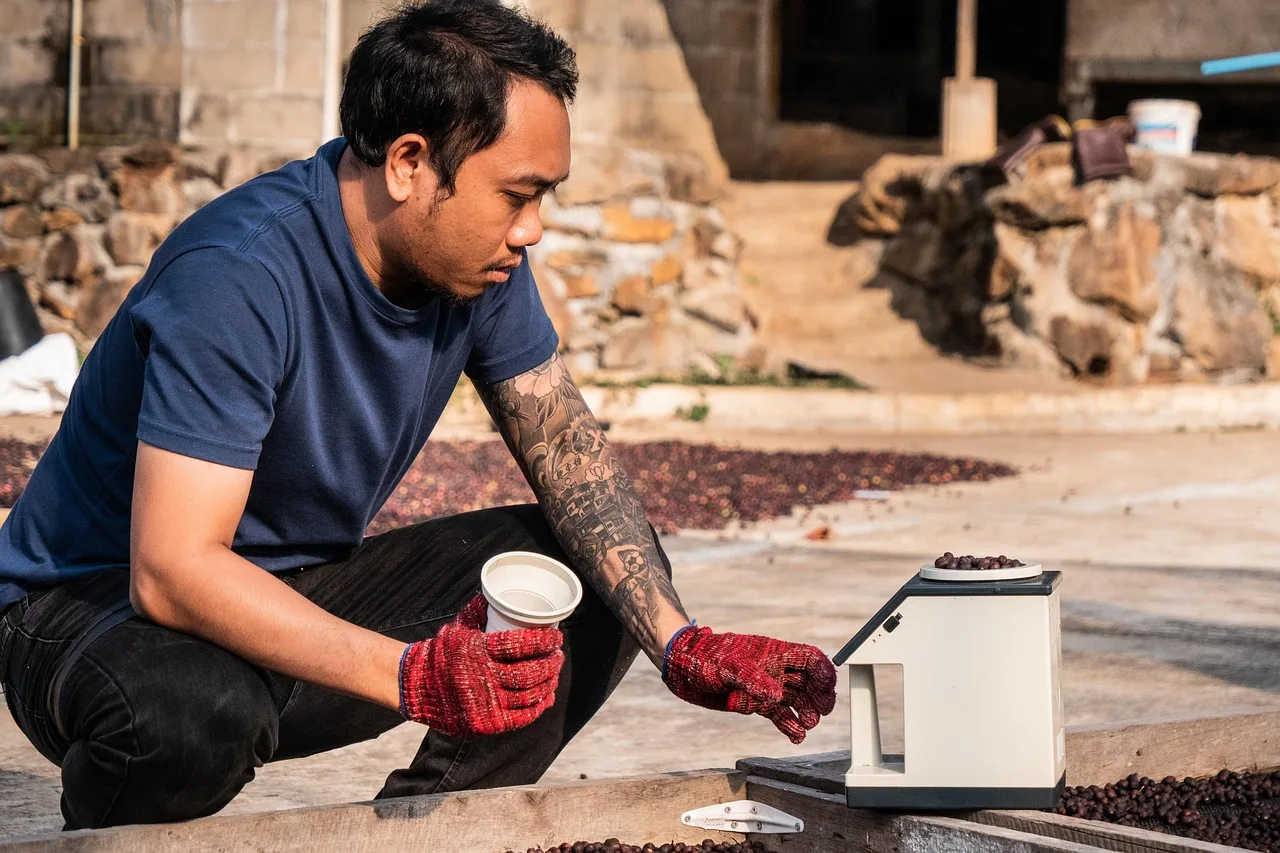

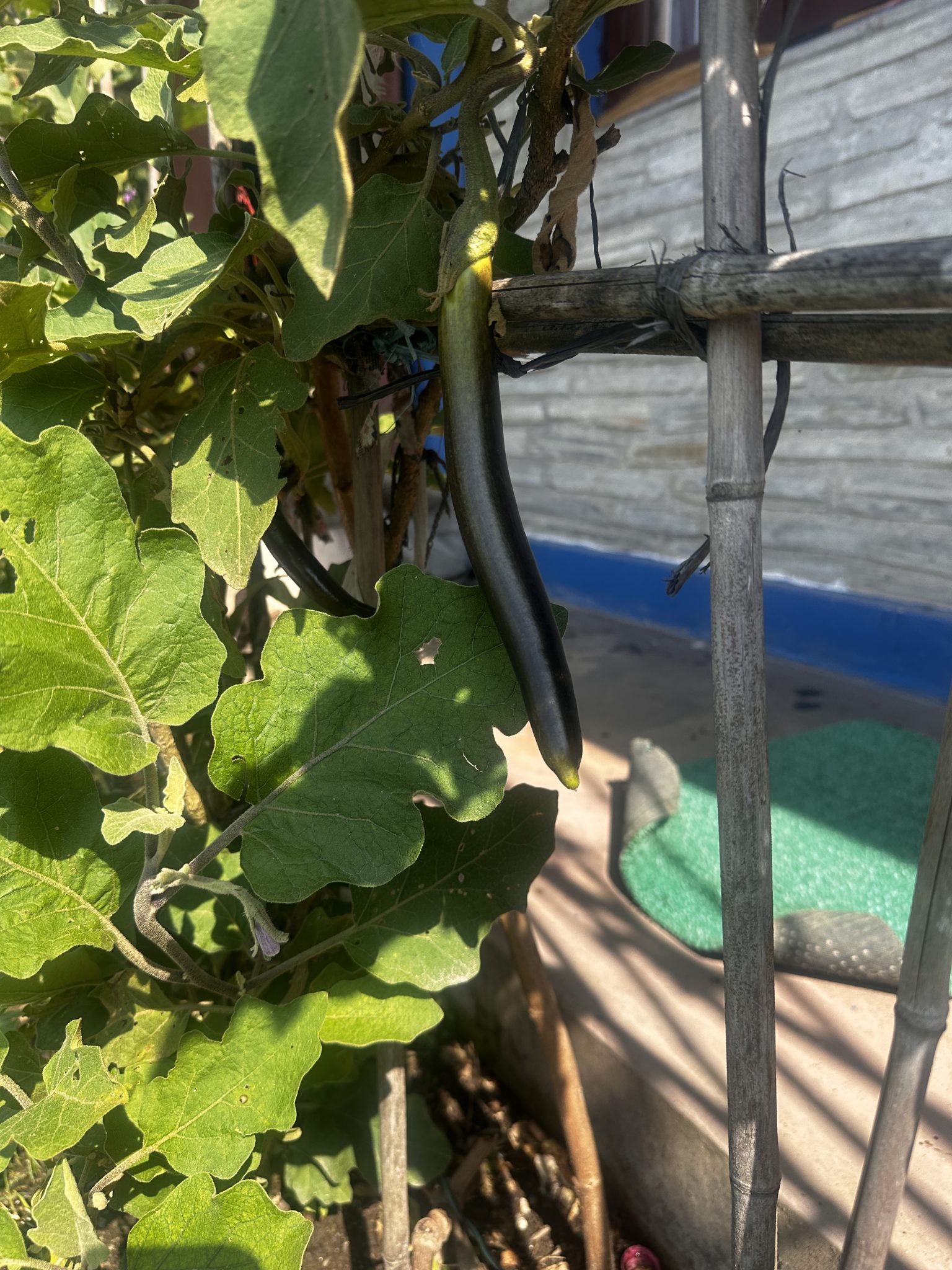
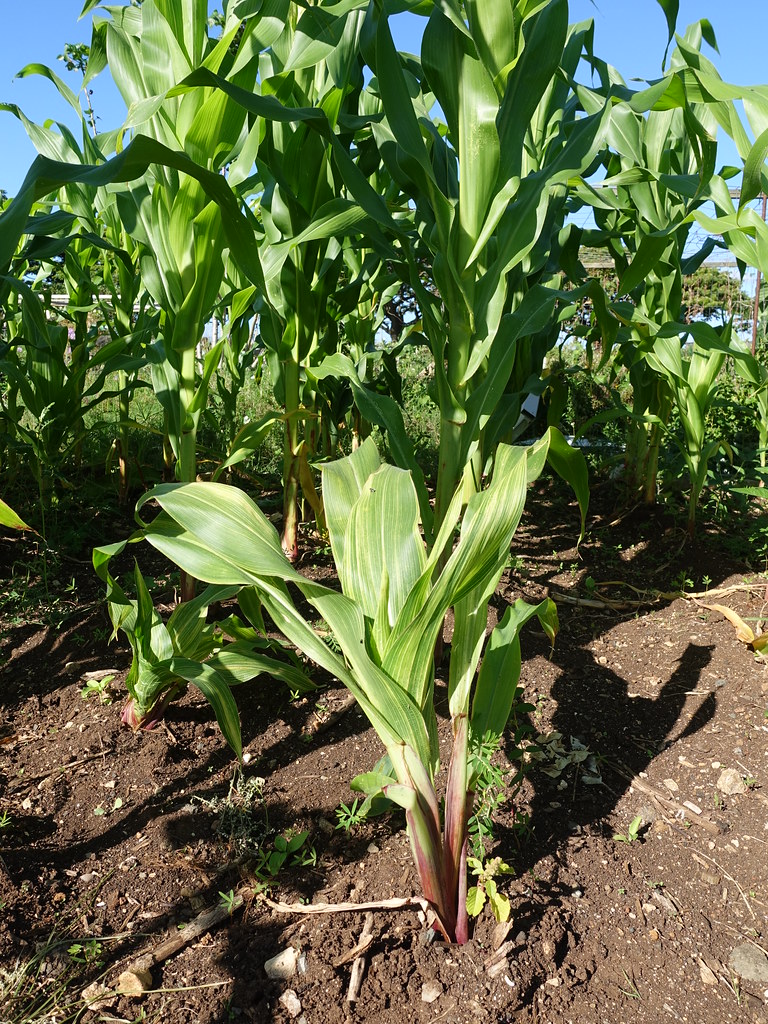
Çekim Tablosu
Belirtme (-i)verimi
Yönelme (-e)verime
Bulunma (-de)verimde
Çıkma (-den)verimden
Tamlayan (-in)verimin
Çoğul (-ler)verimler
Tanım
•isim: Çalıştırılan, işletilen, bakılan bir şeyin verdiği sonuç veya bu sonucun niceliği; mahsul, randıman
•Ortaya çıkan, istenilen, beklenilen sonuç; semere
•Elde edilen ürün, hizmet vb.yle onu elde etmek için harcanan iş arasındaki oran
Diğer Dillerde
Almancaeffizienz (dişil)
efficiency
çekim: çoğul Effizienzen · tamlayan Effizienzen
eş: Wirtschaftlichkeit
aile: Ineffizienz, Kosteneffizienz
Ich mag mein Haus. — Evimi severim.
Fransızcacréer, faire, gagner, marque, rebrousser chemin, relancer /kʁe.e/
to create
çekim: geçmiş créé · ortaç créé · şimdiki crée · ulaç créant
eş: engendrer, former, innover, provoquer, produire, faire
zıt: détruire
köken: Borrowed from Latin creāre.
J'aime bien manger. — Yemeyi severim.
to make something with artifice
çekim: geçmiş artificié · ortaç artificiado · şimdiki artificia
eş: artizar
Me gusta el té. — Çayı severim.
İtalyancafare, rendere, reso, restituire, ripercorrere, ritorno /ˈfa.re/
to do · to make · to bring about
çekim: geçmiş fàtto · ortaç fàtto · şimdiki fà · ulaç facènte
eş: atteggiamento, comportamento, contegno, attività, lavoro, azione
köken: Inherited from Late Latin fāre.
aile: disfare, fai da te, farcela, fare bancarotta, fare fuori, fare gola, fare i piatti, fare le bizze, fare le pulizie, fare quattro passi
Amo la poesia. — Şiiri severim.
fare rumore
fare disordine
fate i bravi
Rusçaпроизводительность (dişil) /prəɪzvɐˈdʲitʲɪlʲnəsʲtʲ/
productivity (state of being productive) · efficiency · performance
çekim: çoğul производи́тельности · tamlayan производи́тельности
eş: продуктивность, эффективность, плодотворность, продуктивность
köken: производи́тельный (proizvodítelʹnyj) + -ость (-ostʹ)
Я люблю чай. — Çayı severim.
to create
çekim: geçmiş ایجاد کرد · ortaç ایجاد کرده · şimdiki ایجاد میکند · ulaç ایجاد کننده
Azericedönüş, düzəltmək, eləmək, etmək, geri dönmə, geri dönmək /dœˈnyʃ/
return · turn (change of direction or orientation) · time (occurrence)
çekim: çoğul dönüşlər · tamlayan dönüşün
köken: From dön- + -üş.
Kazakçaқайту
Felemenkçeopbrengst (dişil) /ˈɔ(p).brɛŋst/
proceeds (gross revenue)
çekim: çoğul opbrengsten
köken: From Middle Dutch opbrengst. Equivalent to opbrengen + -st.
aile: jaaropbrengst
Museum te mogen?" — Müze severim.
Portekizcedeclaração, deixar, fazer, ganhar, interpretar, regressar (dişil) /de.kla.ɾaˈsɐ̃w̃/
declaration · statement, assertion · affidavit, testimony
çekim: çoğul declarações
köken: Learned borrowing from Latin dēclārātiōnem. By surface analysis, declarar + -ção.
Eu amo lasanha. — Lazanyayı severim.
Yunancaγυρίζω, επαναφορά, επιστρέφω, επιστροφή, κάνω, καταλαβαίνω /ʝiˈɾi.zo/
to turn, return, switch · to return
çekim: geçmiş γύρισα · ortaç έχοντας γυρίσει · şimdiki γυρίζει · ulaç γυρίζοντας
köken: Inherited from Byzantine Greek γυρίζω (gurízō), from Ancient Greek γῦρ(ος) (gûr(os), “ring, circle”) + -ίζω (-ízo). Compare to the variant γυρνάω/γυρνώ (gyrnáo/gyrnó).
Μ' αρέσει το πράσινο τσάι. — Yeşil çayı severim.
Expresses causation: to make … do …
eş: やらせる
köken: From Classical Japanese さす (-sasu), which followed 下(しも)二(に)段(だん)活(かつ)用(よう) (shimo nidan katsuyō, “lower bigrade conjugation”). Some linguists suggest that させる (-saseru) is a variant of せる (-seru), where a reduplicative /s/ is added to avoid vowel clusters (e.g. 食べる + せる → *tabe- + *-ase- → *tabease- + *tabesase- → 食べさせる).
一迅社発行。 — Daha verimli yayın.
先生が学生に問題を答えさせた。
refund, restitution, reimbursement
çekim: çoğul återbäringar · tamlayan återbärings
köken: From återbära + -ing.
aile: skatteåterbäring
Utöver utgivningen i Good! — Daha verimli yayın.
Lehçecofać, cofać się, cofnąć, cofnąć się, czynić, konstruować /ˈt͡sɔ.fat͡ɕ/
to withdraw (to pull back) · to undo · to back up (to move a vehicle backwards)
çekim: geçmiş cofano · şimdiki cofa
köken: Etymology tree Middle High German zaufen Proto-Indo-European *-h₂ Proto-Indo-European *-éh₂ Proto-Indo-European *-yéti Proto-Indo-European *-eh₂yéti Proto-Balto-Slavic *-ā́ˀtei Proto-Slavic *-ati Old Polish -ać Polish -ać Polish cofać From Middle High German zaufen + Polish -ać. Compare Czech couvat.
aile: cofny, zacofany, cofka, zacofanie, wycofywać, wycofać, zacofać
Uwielbiam psy. — Köpekleri severim.
Я люблю яблука. — Elma severim.
Hintçeकारण, बनाना, रचना, रचना करना, लौटना, वापस देना (eril) /kɑː.ɾəɳ/
cause · reason
çekim: çoğul कारणों
eş: वजह
köken: Borrowed from Sanskrit कारण (kāraṇa, “cause”).
यह सब आपके कारण हुआ।
इस पर विश्वास करने के लिए कोई कारण नहीं है।
Finceajatella, ansaita, asiakaspalautus, ilmoittaa, kääntää ympäri, luoda /ˈɑjɑtelːɑˣ/
to think (about) · to think, have an opinion of · to plan, intend
çekim: geçmiş ajatellut · şimdiki ajattelee · ulaç ajatteleva
eş: aatella, aprikoida, funata, fundeerata, funteerata, funtsata
köken: ajattaa + -ella, derived from ajattaa like ajatus, as well as aate and aatos through dialectal forms. While the exact development from a verb meaning “to drive; chase” to senses related to thinking is not entirely clear, one possibility is that they are figurative uses of some dialectal senses of ajattaa, particularly “to chase, hunt” and “to follow a trail”, hinting at a “to chase, hunt, follow…
aile: ajatelma, ajateltavissa, ajattelematon, ajatteleminen, ajattelija, ajattelu, ajatteluttaa
Pidän historiasta. — Tarihi severim.
Ajattelen asiaa.
Ajattelen, siis olen.
Ajattelin, että olisi varmaan aika ostaa uusi puhelin.
to make (to cause to be) · to tan (to change an animal hide into leather by soaking it in tannic acid)
çekim: geçmiş činila · ortaç činila · şimdiki činí
eş: dělat, vykonávat, konat, dělat, způsobovat, vyčiňovat
köken: Inherited from Old Czech činiti, from Proto-Slavic *činiti.
Líbil se mi muzikál. — Müze severim.
Rumenceface, înapoia, înapoiere, întoarce, reîntoarcere, restitui /ˈfat͡ʃe/
to do, act · to make (construct, build, prepare, create, transform) · to cause someone to do something
çekim: geçmiş făcut · ortaç făcut · şimdiki să facă
köken: Inherited from Latin facere. The original past participle fapt (< Latin factus) has been replaced by an analogical form. An alternative third-person simple perfect, fece (< Latin fēcit) was also found in some dialects. The sense of “to cost” is likely a calque of Greek κάνω (káno).
aile: avea a face, cum se face, desface, face cu mâna, face de râs, face dragoste, facere, făcător, preface, reface
Îmi plac bomboanele. — Şeker severim.
Fă ce vrei.
Azi am făcut niște treburi obositoare.
Ce faci când ajungi acasă?
Macarca-at, -et, -tat, -tet, (hu) kiszúr, adóbevallás /ɒt/
Added to a back-vowel verb (or extremely rarely to a noun) to form a verb with a meaning of let or make somebody do something.
köken: From -a- (linking vowel) + -t (causative suffix).
Szeretem a csirkét. — Tavuk severim.
zár (“to close”) + -at → zárat (“to make someone close something or to have something closed”)
to build, to construct, to raise, to erect (a building, structure, or the like) · to prepare, to raise, to lay the foundation of, to develop
çekim: geçmiş בָּנִיתָ
köken: From Proto-Semitic *banay- (“to build”). Cognate with Arabic بَنَى (banā), Akkadian 𒆕 (banûm), Aramaic בְּנָא (bənā), Ugaritic 𐎁𐎐𐎊 (bny).
aile: בַּנַּאי
אוהד הציונות. — Düzeni severim.
בָּנֹה בָנִיתִי בֵּית זְבֻל לָךְ
בֹּנֶה צִיּוֹן בְּדָמִים
בְּנֵה־לִי בָזֶה שִׁבְעָה מִזְבְּחֹת
Latinceago, cogo, compello, creo, distingo, facio /ˈa.ɡoː/
to act, to behave · to do · to make (something that does not continue to exist after the maker stops)
çekim: ortaç āctus · şimdiki agit · ulaç agēns
eş: colloquor, disserō
zıt: cōnsōlor
köken: From Proto-Italic *agō, from Proto-Indo-European *h₂éǵeti, from the root *h₂eǵ- (“to drive”). Cognate with Old Irish aigid, Ancient Greek ἄγω (ágō, “to lead”), Old Norse aka (“move, drive”), Avestan 𐬀𐬰𐬀𐬌𐬙𐬌 (azaⁱti), Sanskrit अजति (ájati, “to drive, propel, cast”).
aile: abigō, ācta, āctiō, āctitō, āctīvus, āctor, āctum, āctus, adigō, agāsō
viriliter agite et confortamini nolite timere nec paveatis regem Assyriorum […]
...doces illum quid sano faciendum sit, non efficis sanum. Pauperi ut agat divitem monstras: hoc quomodo manente paupertate fieri potest?
[Amphitryon to Sosia:] age ī tū secundum
Dancaafkast, få til, fabrikat, falde tilbage, fremstille, gå tilbage /ˈfʁamˌsdelˀə/
to make; to produce · to describe · to represent
çekim: geçmiş fremstillede · ortaç fremstillet · ulaç fremstillende
köken: From frem + stille. Compare German vorstellen
Mere strukturfoder. — Daha verimli üreme.
De første bladene faller av trærne. — Böylece ağaçlar verimden düşer.
Endonezcebalik, membalik, pulang /ˈbaliʔ/
behind, rear, back-end
çekim: çoğul balik-balik
köken: From Malay balik, from Proto-Malayo-Polynesian *balik.
aile: balikan, berbalik, berbalik-balik, berbalikan, berkebalikan, dibalik, dibalik-balik, dibaliki, dibalikkan, kebalikan
Bagian ini berfungsi sebagai gagang bedil. — Bu kısım verimli bir ovadır.
to do · to make · to act
eş: mần
köken: A doublet of là (“to be; to work”); see there for more. The -m "suffix" is of unknown function and origin. This is an innovation in Vietnamese, not found in Mường and other Vietic languages. For the semantic relation, compare also Chinese 為 /为 (vi, “to do; to be”). Most prepositions in Vietnamese were originally verbs: ở (“to stay; at, in”), đến (“to come; to”), tới (“to arrive; to”), lên (“to go…
aile: anh chột làm vua xứ mù, làm ăn, làm biếng, làm bộ, làm công ăn lương, làm lành, làm loạn, làm lụng, làm màu, làm mưa làm gió
Tôi thích trật tự. — Düzeni severim.
làm bài tập
làm nhà
làm như không quen biết
Etimoloji
Inherited from Ottoman Turkish ویرم (virim, verim, “one act of giving”). By surface analysis, ver- + -im.
Eş & Zıt Anlamlılar
Örnek Cümleler
Onu severim.
I like him.
Çayı severim.
I like tea.
Kışı severim.
I like winter.
Tarihi severim.
I like history.
Tenisi severim.
I like tennis.
Köpeği severim.
I like the dog.
Yüzmeyi severim.
I like swimming.
Dilleri severim.
I like languages.
Onu çok severim.
I like it very much.
Arabanı severim.
I like your car.
Beyzbolu severim.
I like baseball.
Ben keki severim.
I like cake.
İlgili Sorular
Hayatımı bu dünyada en verimli şekilde sürdürmek için ne yapmalıyım?
FTSE 100 (Footsie) için geçmiş 25 yılın temettü verim oranlarını nereden elde edebilirim?
Süt verimi düşük ineklerde oksitosin uygulaması yerine homeopatik bir tedavi uygulanabilir mi?
Hayatın en verimli yılları hangileridir? Çocukluk, ergenlik, 20'li yaşlar mı yoksa 30'lu yaşlar mı? Sebeplerini öğrenmek istiyorum.
Bir elektrik motoru (100 W) 50 kg kütleyi 5 m yükseğe 50 saniyede kaldırıyor. Bu sistemin mekanik verimliliğini hesaplamak için hangi formüller kullanılmalı? Lütfen örnek bir çözüm gösterin.
İlgili / Bileşik Terimler
Genelseptember
Birleşik Kelimeler
yem verimi