Sözlük
/tribün
tribün
"tribün" kelimesinin İngilizcesi: stand, grandstand, stand. Anlamı, çevirisi, telaffuzu ve örnek cümleler aşağıdadır.
Çeviri
Sporstandnoun
Sporgrandstandnoun
Genelstand
Görsel


Çekim Tablosu
Belirtme (-i)tribünü
Yönelme (-e)tribüne
Bulunma (-de)tribünde
Çıkma (-den)tribünden
Tamlayan (-in)tribünün
Çoğul (-ler)tribünler
Tanım
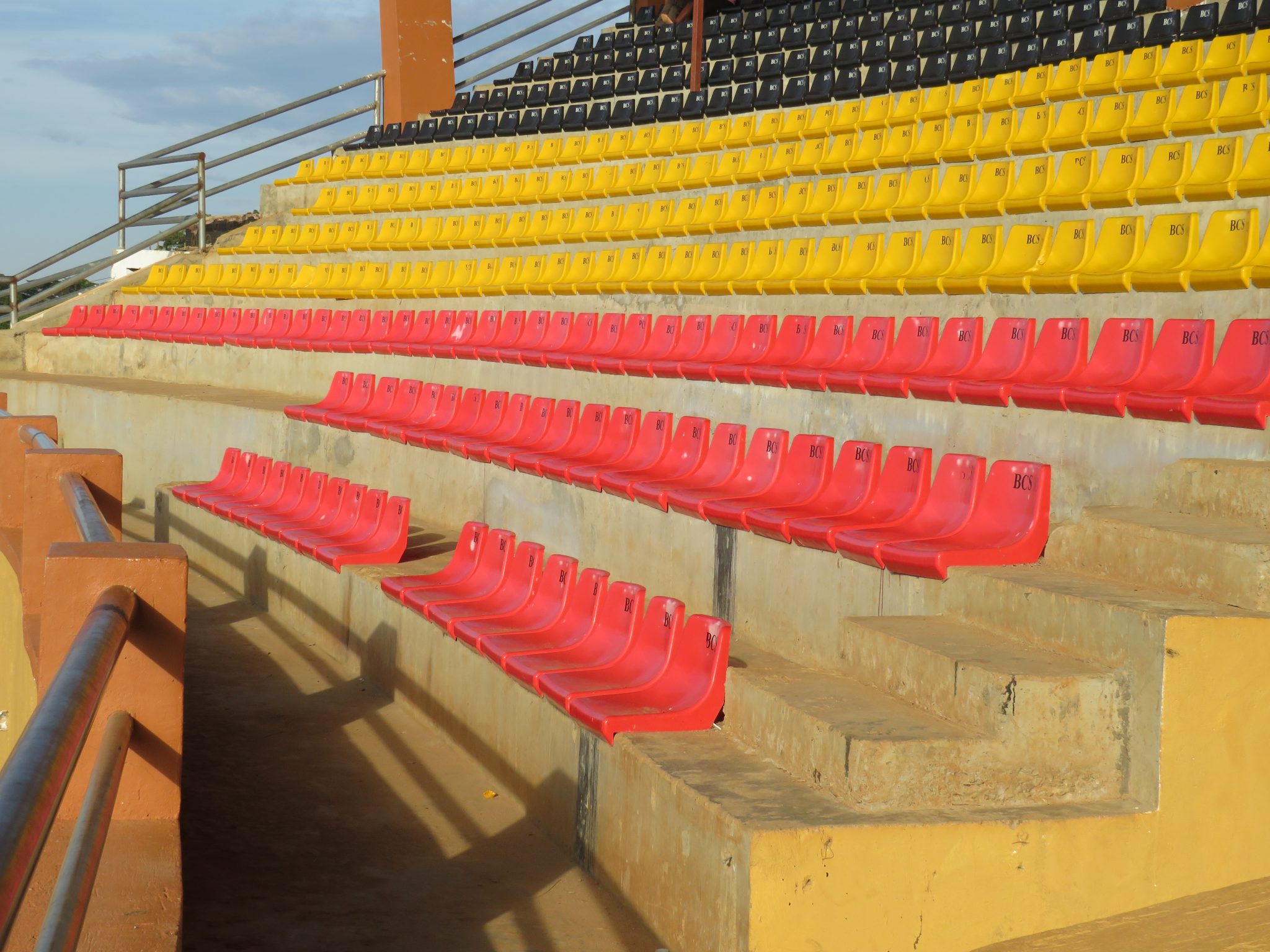
•Spor salonu, stadyum, hipodrom vb. yarışma ve gösteri yapılan yerlerde seyircilerin oturduğu koltuklu veya basamaklı bölüm, sekilik
•Spor salonu stadyum, hipodrom vb. yarışma ve gösteri yapılan yerlerde seyircilerin oturduğu koltuklu veya basamaklı bölüm
Diğer Dillerde
Almancaabstellen, aufstehen, aufstellen, aushalten, ausstehen, bestehen /ˈapʃtɛlən/
to put down, to set down · to put away · to park, to leave
çekim: geçmiş stellte ab · ortaç abgestellt · şimdiki stellt ab · ulaç abstellend
eş: niederstellen
zıt: anstellen, anmachen, anschalten, einschalten, anschmeißen
köken: From Middle High German abestellen. Equivalent to ab- + stellen.
aile: Abstellbahnhof, Absteller, Abstellfläche, Abstellgleis, Abstellhahn, Abstellhebel, Abstellkammer, Abstellnische, Abstellplatte, Abstellplatz
Beispiel: Supreme Commander. — Tribunus: Kıdemli memur.
Bitte stellen Sie das Paket hier ab.
Wenn wir den Besen nicht mehr brauchen, stellen wir ihn einfach in der Abstellkammer ab.
Hier dürfen keine LKW abgestellt werden.
Fransızcaattendre, encaisser, étal, être debout, piédestal, pupitre /a.tɑ̃dʁ/
to wait for, to await · to expect · alternative form of entendre, to hear
çekim: geçmiş attendu · ortaç attendu · şimdiki attend · ulaç attendant
eş: patienter
köken: Inherited from Old French atendre, from Latin attendere.
aile: attendre au tournant, attendre cent sept ans, attendre comme le Messie, attendre famille, attendre son heure, attendre un heureux événement, attendu que, ne perdre rien pour attendre, tout vient à point à qui sait attendre
Le stade est vide. — Tribünler çok boş.
Je l'attends.
On attend le beau temps pour partir.
J’attends mon cousin à la gare.
İspanyolcaatril, aún estar vigente, caseta, curul, escaño, estar de pie (eril) /aˈtɾil/
a stand for holding books, papers, etc.; music stand; bookstand · lectern · easel
çekim: çoğul atriles
köken: From earlier latril, from Late Latin lectorile, from Latin lēctor (“reader”).
aile: atrilista
El campo de beisball esta vacío. — Tribünler çok boş.
İtalyancaalzarsi (in piedi), appoggiare, appoggio, arbitrare, banco dei testimoni, candidarsi /ap.podˈd͡ʒa.re/
to support, to second, to back, to endorse · to lean on, to lean against, to prop, to place, to rest on · to found, to base (a claim, an argument)
çekim: geçmiş appoggiàto · ortaç appoggiàto · şimdiki appòggia · ulaç appoggiànte
eş: accostare, addossare, apporre, deporre, mettere, giù
köken: From Vulgar Latin *appodiāre, from Latin podium. Compare French appuyer, Spanish apoyar and Portuguese apoiar.
aile: appoggiamano, appoggiapiedi, appoggiarsi, appoggiatesta, appoggiato, appoggiatoio, appoggiatura, appoggio
Si sta avvicinando alla tribuna, amici spettatori. — Dostumuz tribüne yaklaşıyor.
appoggiare la scala alla parete
Rusçaтрибуна (dişil) /trʲɪˈbunə/
podium, platform, rostrum, tribune · stand, grandstand (raised structure for spectators)
çekim: çoğul трибу́ны · tamlayan трибу́ны
köken: Borrowed from Latin tribūnus, from Latin tribus.
aile: подтрибу́нный
Стадион пустой. — Tribünler çok boş.
to stand up (to rise from lying or sitting position); to get up · to do, to undertake, to take upon oneself (بِ (bi)) · to engage in (constructed with بِ (bi))
çekim: geçmiş قُمْتُ
köken: From the root ق و م (q w m). Compare Hebrew קָם (kam), Ge'ez ቆመ (ḳomä), Classical Syriac ܩܳܡ, Ugaritic 𐎖𐎎 (qm).
الصنف الأول (Grand officier). — Tribunus: Kıdemli memur.
أَتَقُومُ بِتَمَارِينِ الرِّيَاضَةِ؟
فَهُمْ عَبَدُوا الْأَصْنَامَ وَقامُوا بِمُمَارَسَاتٍ مُنْحَطَّةٍ أُخْرَى.
يَوْمَ يَقُومُ النَّاسُ لِرَبِّ الْعَالَمِينَ
present stem form of ایستادن (istâdan)
to stand · to stop
çekim: geçmiş dayanmış · ortaç dayanmış · şimdiki dayanır
eş: durmaq
köken: From daya- + -n. Cognate with Turkish dayanmak (“to withstand, rest, lean, tolerate”), Turkmen daýanmak (“to rest”), Crimean Tatar tayanmaq (“to lean”) and Crimean Tatar dayanmaq (“to tolerate, bear”), etc.
aile: dayanmadan, dayanmaz, dayandırmaq, dayanacaq
Qapının arxasında dayanan uşaq diqqətlə dinləyirdi.
Bu qətlin arxasında kim dayanır?
Maşının yanacağı qurtardı və o dayandı
Kazakçaтұру /tu.ruw/
rising
köken: From Proto-Turkic *tur- (“to stand”). Cognate with Turkish durmak, Turkmen durmak, Crimean Tatar turmak, Uzbek turmoq, Uyghur تۇرماق (turmaq), Azerbaijani durmaq, Tatar turu, Chuvash тӑр (tăr), etc.
Мен оқып тұрмын
Телефоныңды бере тұр
Ұстаз бола тұра, осыны білмейді.
Özbekçeturmoq
Tatarcaторырга
Felemenkçetribune (dişil) /triˈby.nə/
grandstand, bleachers
çekim: çoğul tribunes
köken: Borrowed from French tribune, from Italian tribuna.
De baseball veld leeg. — Tribünler çok boş.
Portekizceaguentar, amparo, apoio, barraca, barraquinha, candidatar-se /a.ɡwẽˈta(ʁ)/
to support (to keep from falling) · to bear, to put up with · to hold out; to hold on
çekim: geçmiş aguentei · ortaç aguentado · şimdiki aguenta
eş: agüentar
köken: Borrowed from Italian agguantare. Compare Spanish aguantar.
The Tribune (em inglês). — The Tribune (İngilizce).
Não aguento mais!
Ele não aguenta uma piada.
Tocou o braço da mulher, apontou o ceo, ficaram os dois algum tempo aguentando a claridade do sol.
Yunancaκιόσκι, στέκομαι
το περίπτερο
Έρχεται προς την εξέδρα, αγαπητοί φίλοι. — Dostumuz tribüne yaklaşıyor.
stand (device to hold something upright or aloft) · clipping of 電気スタンド (denki sutando, “desklamp, floor lamp”) · grandstand
köken: Borrowed from English stand. First attested in 1902.
aile: ガソリンスタンド, 電気スタンド
Chicago Tribune(英語版) — Chicago Tribune (İngilizce).
Çinceзан, ли, 站立, 站起來 /站起来 /ʈ͡ʂän⁵¹⁻⁵³ li⁵¹/
to stand
eş: 立, 站, 站, 站, 杵, 站
aile: 站立式
提比略的兄弟盖乌斯在公元前123年被选举为执政官。 — Tiberius'un erkek kardeşi Gaius MÖ 123'te tribün seçildi.
請靠右站立。
请靠右站立。
一個人到了十八歲才算得上一個站立著人。
to stand · to stop, to halt
çekim: geçmiş 섰다
eş: 일어서다, 멈추다, 정지하다
köken: First attested in the Yongbi eocheon'ga (龍飛御天歌 / 용비어천가), 1447, as Middle Korean 셔다〮 (Yale: syètá). Likely from pre-Middle Korean *ᄉᆢ다〮 (*syòtá) as demonstrated by the Middle Korean infinitive 셔〮아〮 (syéá) and Jeju ᄉᆞ다 (sawda), 사다 (sada).
그가 특별관람석에 다가옵니다. 동료 협회인 여러분. — Dostumuz tribüne yaklaşıyor.
a booth, a stall, (at a stadium) a box
çekim: çoğul båsen · tamlayan båsets
köken: From Old Swedish bas, from Old Norse báss, from Proto-Germanic *bansaz. More at boose.
aile: runkbås
I baseball fältet är tomt. — Tribünler çok boş.
to suffer (to feel pain) · to bear, to endure (to suffer patiently) · to put up with, to tolerate
çekim: geçmiş cierpiano · şimdiki cierpi
köken: Etymology tree Proto-Slavic *tьrpě̀ti Old Polish cierpieć Polish cierpieć Inherited from Old Polish cierpieć.
aile: cierpiętliwy, cierpiętniczy, cierpliwy, cierpiałka, cierpienie, cierpiennik, cierpiętnica, cierpiętnictwo, cierpiętnik, cierpliwość
Lapangan bisbol kosong. — Tribünler çok boş.
Nie cierpię go.
Chicago Tribune (англ.). — Chicago Tribune (İngilizce).
Hintçeखड़ा होना /kʰə.ɽɑː ɦoː.nɑː/
to stand up
çekim: geçmiş खड़ा होता · şimdiki खड़ा होता है
वह खड़ा होना चाहता है
Finceaitio, asema, asettaa pystyyn, ihmetys, jakso, kannanotto /ˈɑi̯tio/
box in a theatre or an auditorium etc.
çekim: çoğul aitiot · tamlayan aition
köken: aita + -io
aile: aitiopaikka, jäähyaitio, lihasaitio-oireyhtymä, pelaaja-aitio, rangaistusaitio, todistajanaitio, vaihtoaitio
Stadionille mahtuu 4 000 ihmistä. — 4.000 kişilik tribüne sahiptir.
to stand, put · to stand up, set upright · to build
çekim: geçmiş postavivše · ortaç postavila · şimdiki postaví
eş: vztyčit, vybudovat, zbudovat, vystavět, založit
köken: Inherited from Old Czech postaviti, from Proto-Slavic *postaviti. Compare Serbo-Croatian поставити.
Baseballový stadion je prázdný. — Tribünler çok boş.
Tahle stěna je postavená z bahna.
A když to postavil takto, konečně jsem pochopil, jak to myslí.
Rumencearboret, fi supus, ridica, sta, sta în picioare, suporta (nötr)
stand (forestry: contiguous group) · brush (vegetation) · grove, thicket, small wood
çekim: çoğul arboreturi
köken: Inherited from Latin arborētum, equivalent to arbore + -et. Compare Aromanian arburet.
aile: subarboret
Vine până la tribună, colegul Federistas. — Dostumuz tribüne yaklaşıyor.
chin
çekim: çoğul állak
köken: From Proto-Finno-Ugric *ola. Compare Erzya уло (ulo, “chin”).
aile: állú, állkapocs, felkopik az álla, leesik az álla
Mélt., főtiszt. — Tribunus: Kıdemli memur.
a stance, a viewpoint, an approach · a position · a workstation
çekim: çoğul עֶמְדּוֹת
הוא מתקרב ליציע הצופים, חברים. — Dostumuz tribüne yaklaşıyor.
to endure (bear steadfastly), put up with, stand · to dare, venture, resist with courage and firmness
çekim: ortaç perpessus · şimdiki perpetitur · ulaç perpetiēns
köken: Etymology tree Latin per- Proto-Indo-European *peh₁- Proto-Indo-European *-tós Proto-Indo-European *ph₁tós Proto-Italic *patosder.? Proto-Indo-European *pet-der.? Latin patior Latin perpetior From per- + patior.
aile: perpessio
Dancabastion, bevoksning, estrade, holde til, holdeplads, klare /baˈsdjoˀn/
bastion · bastion (something or someone that resists a certain influence)
çekim: çoğul bastioner · tamlayan bastions
köken: Via French bastion, from Italian bastione.
Chicago Tribune, 27. marts 1977. — Chicago Tribune, 26 Mart 1985.
Etimoloji
From French tribune.
Deyimler
Kelime Ailesi
Eş & Zıt Anlamlılar
Eş anlamlılar
Örnek Cümleler
Star Tribune.
Reuters. August 9, 2017. Retrieved 2017-08-09. ↑ "Contracts for August 9, 2017".
Chicago Tribune.
Roanoke Times.
Tribünler çok boş.
The baseball field's empty.
The Tampa Tribune.
"Man Jailed in Attacks Suspect in Murder Cases".
Lewiston Morning Tribune.
(October 7, 1984).
Star Tribune, 22 Ocak 2009.
Star Tribune, January 22, 2009.
Chicago Tribune (İngilizce).
Chicago Tribune].
Dostumuz tribüne yaklaşıyor.
He's coming up to the grandstand, fellow Federationists.
2 tane tribünü bulunmaktadır.
There are two trios.
International Herald Tribune.
Retrieved 2007-10-24. ↑ IASC (September 2004).
The Chicago Tribune hatalıydı.
The Chicago Tribune was wrong.
Sonunda açık tribün eklenecek.
Eventually, bleachers will be added.
İlgili Sorular
tribune ne demek?
Busch Stadyumu'nun eski tribünleri hangi materyalle inşa edilmişti?
Bir futbol tribününde %50 ev sahibi taraftar, %20 deplasman taraftar ve %30 ise hiçbir takımı desteklemeyen kişiler bulunmaktadır. Bu gruplarda suç kaydı olanların oranları sırasıyla %3, %5 ve %4'tür.
i) Rastgele bir taraftar seçildiğinde, suç kaydı olma ihtimali nedir? (Toplam olasılık kuralını kullanınız.)
ii) Rastgele bir taraftar seçilip suç kaydı olduğu belirlendikten sonra, bu kişinin ev sahibi taraftar olma olasılığı nedir? (Bayes teoremi ve toplam olasılık kuralını kullanınız.)
Busch Stadyumu'nun eski tribünlerinin yapımında kullanılan malzeme neydi?
tribune Türkçesi nedir?