Sözlük
/olgunlaşmak
olgunlaşmak
"olgunlaşmak" kelimesinin İngilizcesi: develop, flower, head, maturate, mature. Anlamı, çevirisi, telaffuzu ve örnek cümleler aşağıdadır.
Çeviri
Geneldevelop
Genelflower
Genelhead
Genelmaturate
Genelmature
Genelmellow
Genelripen
Genelripen
Genelripen
Görsel
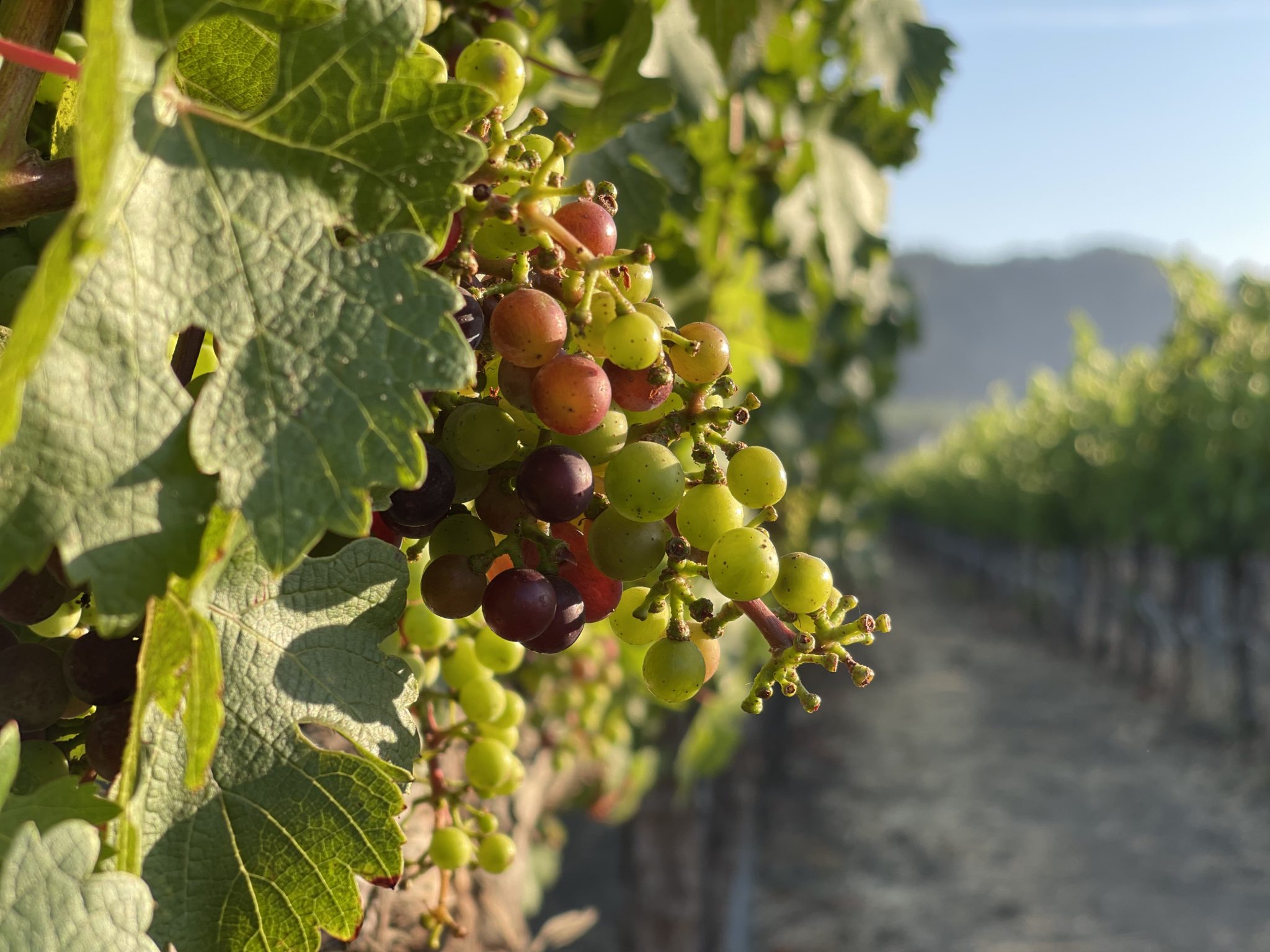
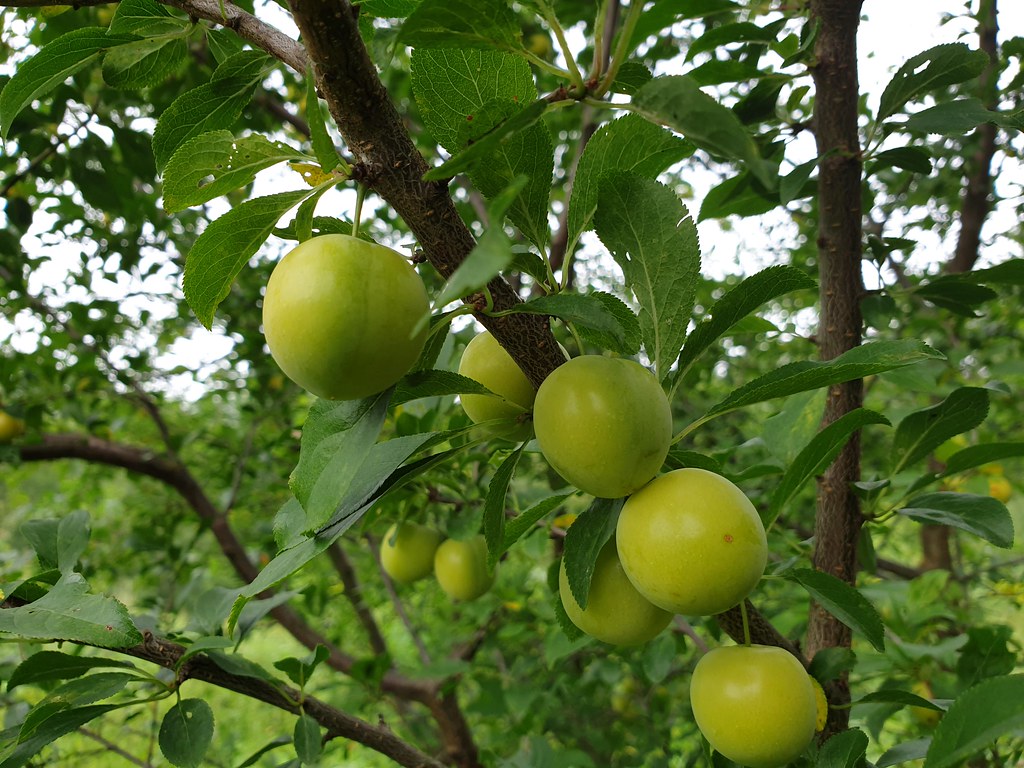
Çekim Tablosu
Geniş zamanolgunlaşamam
Şimdiki zamanolgunlaşabiliyor
Gelecek zamanolgunlaşacak
Geçmiş zamanolgunlaşamadı
Şartolgunlaşamasa
Gereklilikolgunlaşamamalı
Emirolgunlaş
Tanım
•Herhangi bir şeyin gelişmesi, kıvamını bulması.
•İnsanın bilgi, görgü ve hoşgörüsü gereği kadar gelişmiş olmak; tekemmül etmek:
•Meyvenin olgun, yenebilir duruma gelmesi.
•Yazının, düşüncenin olgun duruma gelmesi; tekemmül etmek.
•İnsanın bilgi, görgü ve hoşgörüsü gereği kadar gelişmiş olmak
•Meyve olgun duruma gelmek, belli bir tada kavuşmak
Diğer Dillerde
AlmancaAbtritt, an der Spitze stehen, anführen, auf den Kopf setzen, blühen, Blume (eril) /ˈapˌtʁɪt/
resignation · exit · toilet
çekim: çoğul Abtritte · tamlayan Abtrittes
köken: From abtreten.
to go · to attend (school, church regularly) · to be going (to); will soon; forms a near-future tense
çekim: geçmiş allé · ortaç allé · şimdiki va · ulaç allant
eş: se déplacer, se rendre, partir
köken: From Middle French aller, from Old French aler, from Early Medieval Latin alāre, of uncertain origin. Forms beginning with v- come from Latin vado; forms beginning with ir- come from Latin eo.
aile: à la va-vite, à tout va, à tout-va, aller à Canossa, aller à l'essentiel, aller à vau-l'eau, aller au lit, aller aux putes, aller bon train, aller comme un gant
Je vais au magasin.
On y va.
aller à l'école
İspanyolcaadalid, cabecear, cabeza, capítulo, chola, coco (eril) /adaˈlid/
military commander
çekim: çoğul adalides
eş: comandante
köken: Borrowed from Arabic الدَّلِيل (ad-dalīl, “guide”).
to go · to be agreeable (to), to be pleasing (to) (idiomatically, to feel like, to want/like) [with a ‘person with feeling’ and di ‘thing desired’] · to attend (school, church regularly)
çekim: geçmiş andàto · ortaç andàto · şimdiki và · ulaç andànte
eş: andata, andatura, camminata, portamento, viaggio, avanzare
köken: Inherited from Early Medieval Latin andāre, of uncertain origin.
aile: andare a fuoco, andare a male, andare di corpo, andarsene, andazzo, riandare
andare a casa
andare veloce
non mi va di ballare
top, upper part, roof, dome, height · summit, apex · the highest degree of something
çekim: çoğul верхи́ · tamlayan ве́рха
zıt: низ
köken: Inherited from Proto-Slavic *vьrxъ (whence also Old Church Slavonic врьхъ (vrĭxŭ)), from Proto-Indo-European *wers-. Balto-Slavic cognates include Lithuanian viršus and Latvian virsus. Other Indo-European cognates include Latin verruca (“a steep place, height”), Ancient Greek ἕρμα (hérma, “reef, rock, hill”).
Выдержки вин проходит в дубовых бочках не менее чем 18 месяцев. — Vintage şarapları ise en az 20 sene fıçıda olgunlaşmak zorundadır.
совеща́ние в верха́х
Э́то верх глу́пости!
Arapçaأَزْهَار, أَزْهَرَ, إِزْدَهَرَ, اِتَّجَهَ, دماغ, رَأْس (eril) /di.maːɣ/
brain (control center of the central nervous system)
çekim: çoğul أَدْمِغَة · tamlayan دِمَاغٍ
köken: Etymology tree Proto-Afroasiatic *dam- Proto-Semitic *dam- Arabic دَم (dam) Proto-Semitic *muḫḫ- Arabic مُخّ (muḵḵ) blend Arabic دِمَاغ Blend of دَم (dam, “blood”) + مُخّ (muḵḵ, “brain”), compare Arabic دَمْع (damʕ, “tears”) of the same relation with عَيْن (ʕayn, “eye”). While دَمْع (damʕ, “tears”) traces its formation back to Proto-Semitic, the present term is only paralleled by Ethiopian…
aile: دِمَاغِيّ
من الصخرة القاحلة والصحاري المغطاة بالرماد الحياة تأخذ قبضة تزحف داخل البلاد للسكون والتنويع — Hayat,çorak kayalık ve külle kaplı çöllerden olgunlaşmak ve gelişmek üzere iç bölgelere doğru ilerler
Farsçaاداره کردن, اِسْپَرْغَم, رَئیس, رَئِیس, رَهْبَر, سالار /ʔi.daː.ˈra kar.ˈdan/
to manage, lead, head, run, be in charge of
çekim: geçmiş اداره کرد · ortaç اداره کرده · şimdiki اداره میکند · ulaç اداره کننده
head · head (a single animal) · beginning (the initial portion of some extended thing)
çekim: çoğul başlar · tamlayan başın
köken: From Proto-Turkic *baĺč (“head”).
aile: başaq, başaqçı, başaqçılıq, başaqlamaq, başçı, başında, başqan, başlamaq, başlanğıc, başlanış
Başında papaq var.
on baş qoyun-quzu
o başdan bu başa
head · chief, leader · start, beginning
çekim: çoğul бастар · tamlayan бастың
köken: From Proto-Turkic *baĺč (“head”).
aile: амбас, арпабас, басеке, баскиім, баспана, бастама, бастау, бастаушы, басшы, басшылық
to supply · to command
çekim: geçmiş voerden aan · ortaç aangevoerd · şimdiki voert aan · ulaç aanvoerend
köken: From Middle Dutch aenvoeren. Equivalent to aan + voeren.
aile: aanvoerder
De kegels doen er 26 maand over om te volgroeien. — Kozalak ise 26 ayda olgunlaşmaktadır.
Portekizceà cabeça, cabeça, chefe, colarinho, comandar, diretor (dişil) /kaˈbe.sɐ/
head (part of the body) · head (topmost, foremost, or leading part) · sense
çekim: çoğul cabeças
eş: cabeção, cabeçona, cabeçorra, cabecinha, juízo, chefe
köken: Etymology tree Proto-Indo-European *kap- Proto-Indo-European *káput Proto-Italic *kaput Latin caput Proto-Indo-European *-yós Proto-Italic *-ios Old Latin -ios Latin -ius Latin -ium Latin capitium Old Galician-Portuguese cabeça Portuguese cabeça From Old Galician-Portuguese cabeça, from Vulgar Latin capitia, from the neuter plural (reanalyzed as a feminine singular) of Latin capitium, from caput.
aile: cabeça de área, cabeça de chave, cabeça de coco, cabeça de porco, cabeça de praia, cabeça de tremoço, cabeça-branca, cabeça-chata, cabeça-d'água, cabeça-de-alho-choco
O carrilhão é composto por 26 sinos. — Kozalak ise 26 ayda olgunlaşmaktadır.
to flower, bloom · to flourish, bloom
çekim: geçmiş άνθισα · ortaç έχοντας ανθίσει · şimdiki ανθίζει · ulaç ανθίζοντας
köken: From Ancient Greek ᾰ̓νθῐ́ζω (ănthĭ́zō, “to deck with flowers”), with semantic shift.
Στα Κυκλαδονήσια άνθισε κατά την τρίτη χιλιετία π.Χ. ένας ιδιαίτερος και πρωτότυπος πολιτισμός.
brain
köken: Sino-Korean word from 頭腦 (“brain”)
협소한 지형이 마치 불꽃 모양이다. — Kökte olgunlaşmak, yanmak gibi anlamları vardır.
Lehçebijak, brać azymut, czołowy, dennica, dyrektor, dyrektorka (eril) /ˈbi.jak/
beater (something used for hitting or beating) · hammerhead, head (portion of a tool used for hitting)
çekim: çoğul bijaki · tamlayan bijaku
eş: młóczysko
köken: Etymology tree Proto-Slavic *bijakъ Polish bijak Inherited from Proto-Slavic *bijakъ. By surface analysis, bić + -ak.
aile: bijakowy
Wina czerwone muszą być starzone w beczkach przynajmniej 18 miesięcy. — Vintage şarapları ise en az 20 sene fıçıda olgunlaşmak zorundadır.
skull
çekim: çoğul कपालें
köken: Borrowed from Sanskrit कपाल (kapā́la).
progress (advancement to a higher or more developed state)
çekim: çoğul edistykset · tamlayan edistyksen
köken: edistää + -ys. First attested in 1776.
aile: edistyksellinen, edistysaskel, edistysmielinen, edistystyö
Vuosikertaviinejä on kypsytetty tammitynnyreissä vähintään 20 vuotta. — Vintage şarapları ise en az 20 sene fıçıda olgunlaşmak zorundadır.
head (part of the body) · head (end of a nail) · head (side of a coin)
çekim: çoğul hlavy · tamlayan hlavy
eş: kebule, makovice, palice, šiška, mozkovna, škeble
zıt: orel, revers
köken: Inherited from Old Czech hlava, from Proto-Slavic *golva.
aile: bezhlavý, dvouhlavňový, dvouhlavý, hlavatý, hlavní, svéhlavý, tvrdohlavý, hlavěnka, hlavice, hlavička
Od holých skal a pouští popela, přes místa vhodná pro život, kde se život šíří, zraje a rozvíjí. — Hayat,çorak kayalık ve külle kaplı çöllerden olgunlaşmak ve gelişmek üzere iç bölgelere doğru ilerler
Potřásl hlavou.
Je tu hlava na hlavě.
head
çekim: çoğul capete · tamlayan capului
köken: Inherited from Late Latin capus, from Latin caput, from Proto-Italic *kaput, ultimately from Proto-Indo-European *kauput-, *káput. Plural form capete from Latin capita. Compare the doublet șef, borrowed from French.
aile: căpetenie, căpos, căpușă, în ruptul capului
to originate, to come from, to derive from · to take its source (of a river, to begin somewhere) · to set out, to go away, to take to one's heels
çekim: geçmiş eredtek
köken: From Proto-Finno-Ugric *šärɜ- (“to come, get, reach; spread”) + -d (frequentative suffix).
aile: eredet, eredeztet, eredmény, eredő, elered, kiered, megered, nekiered, futásnak ered, nyomába ered
A jó évjáratú borokat akár több mint 10 évig is tárolhatják a pincékben. — Vintage şarapları ise en az 20 sene fıçıda olgunlaşmak zorundadır.
İbraniceנוֹף, עמד בראש, עשה את דרכו, פֶּרַח, פָּרַח, ראש (eril) /ʁoʃ/
head · head, chief, leader, chairperson · head, beginning, start; the top, or leading part.
çekim: çoğul רָאשִׁים
köken: From Proto-Semitic *raʔš-. Cognate with Akkadian 𒊕 (rēšum) and Arabic رَأْس (raʔs).
aile: טָמַן רֹאשׁוֹ בַּחוֹל, יוֹשֵׁב רֹאשׁ, כְּאֵב רֹאשׁ, מֵרֹאשׁ, עַל רֹאשׁ הַגַּנָּב בּוֹעֵר הַכּוֹבַע, רֹאשׁ הַפִּין, רֹאשׁ הַשָּׁנָה, רֹאשׁ חוֹדֶשׁ, רֹאשׁ עִיר, רֹאשׁ עִירִיָּה
,מהסלעים העקרים והמדבריות מכוסי האפר .החיים מקבלים משמעות זוחלים אל תוך היבשה .בשלים ומגוונים — Hayat,çorak kayalık ve külle kaplı çöllerden olgunlaşmak ve gelişmek üzere iç bölgelere doğru ilerler
שְׂמֹאלוֹ תַּחַת לְרֹאשִׁי וִימִינוֹ תְּחַבְּקֵנִי׃
Old Testament, Book of Exodus 30:12
Old Testament, Book of Numbers 1:2,49; 4:2,22; 26:2; 31:49
Latincecacumen, caput, efflorescō, floreō, florescō, flōs (nötr) /kaˈkuː.mɛn/
peak, extremity, top, summit · end, limit · accent mark placed over a letter
çekim: çoğul cacūmina · tamlayan cacūminis
zıt: fundus
köken: Cognate to Sanskrit ककुद् (kakúd, “peak, summit, point; head, chief; hump, projection; palate, tongue”), which similarly preserves the original sense of projection in any direction, and the particular sense of the humped shoulders of an animal. The semantics of the denominal verb are influenced by acūmen.
aile: cacūminō
Dancablomst, blomstre, hoved /ˈb̥lʌmˀsd̥/
flower
çekim: çoğul blomster · tamlayan blomsts
köken: Older blomster, from Old Norse blómstr m, in which -r belongs to the root, cf. also Swedish blomster. Possibly from Proto-Germanic *blōstmô, cognate with English blossom, Dutch bloesem. Related to the older "flower" word in Danish, blomme. In Danish -r was taken for a plural ending and omitted in the singular, but it is still retained in compounds (which a plural r never is) and in the derived…
aile: blomsterbed, blomsterbuket, blomstereng, blomsterforretning, blomstervase, blomstre
to flower, to bloom · to progress, to evolve, develop · to thrive
çekim: karşılaştırma lebih berkembang · üstünlük paling berkembang
köken: Affixed ber- + kembang, inherited from Malay berkembang, from Classical Malay berkembang (“to bloom”).
aile: negara berkembang
Oleh karena itu, para petani mengandalkan pada tanaman yang bisa dipanen cepat dan tahan suhu beku. — İklimi karşısında, çiftçiler çabuk olgunlaşmakta olan ve donmaya dayanıklı çeşit bitkileri yetiştirirler.
Bulgarcabut see на глава, горен, го́рница, заглава, извирам, коро́на /ˈɡɔrɛn/
upper, top · higher, advanced · above-mentioned
çekim: karşılaştırma по́-го́рни · üstünlük на́й-го́рни
köken: Inherited from Proto-Slavic *gorьnъ.
го́рен курс
head (top part of the body) · mind (intelligence, memory) · leader, chief (person in charge, with authority)
çekim: çoğul galvos · tamlayan galvõs
köken: From Proto-Balto-Slavic *galˀwā́ˀ. English gallows that produces semantic relation as head hung is derived from another Proto-Indo-European root.
aile: galvóti
Ką turi̇̀ galvojè?
Kokià pirmà minti̇̀s atei̇̃na į̇̃ gálvą?
Ji̇̀s tùri labai̇̃ gẽrą gálvą.
Etimoloji
By surface analysis, olgun + -laş